menu
Slider Image 1
Slider Image 2
Slider Image 3
Slider Image 4
Slider Image 5
Slider Image 7
Slider Image 8
Slider Image 9
Slider Image 10
Slider Image 11

Why Wauwatosa Properties Face Serious Water Damage Risks

Wauwatosa sits along the Menomonee River corridor, where seasonal flooding threatens basements from Washington Heights to the Village. Spring snowmelt combines with heavy rain to overwhelm drainage systems built decades ago. The older neighborhoods near Hart Park and along North Avenue contain homes with original plumbing from the 1920s and 1930s. These aging pipes burst without warning during Wisconsin's brutal freeze-thaw cycles.

Clay-heavy soil throughout Milwaukee County prevents proper drainage around foundations. Water pools against basement walls in areas like Ravenswood Park and Cooper Park, seeping through cracks and overwhelming sump pumps during heavy storms. The Menomonee River floods regularly, affecting properties near Hoyt Park and the Parkway neighborhoods.

Wauwatosa's mix of historic homes and newer construction creates varied water damage vulnerabilities. Older properties lack modern waterproofing, while newer buildings sometimes cut corners on foundation drainage. Wisconsin's extreme temperature swings stress plumbing systems year-round. Winter brings frozen pipes that burst when temperatures spike. Summer storms dump inches of rain in minutes, flooding basements faster than pumps can handle. Commercial properties along Highway 45 and Bluemound Road face roof leaks and HVAC condensation issues that damage inventory and equipment.

About Us

Why Wauwatosa Trusts All Pro Water Damage Restoration Milwaukee

All Pro Water Damage Restoration Milwaukee has served the greater Milwaukee area for years, building our reputation on fast response times and complete water removal. We understand Wauwatosa's unique challenges because we work here every day. We know which neighborhoods flood during spring storms. We know the common failure points in older Wauwatosa homes. We know how to deal with clay soil drainage issues and aging sump pump systems.

Our trucks carry industrial extraction equipment, commercial dehumidifiers, and thermal imaging cameras that detect hidden moisture inside walls and under floors. We do not just dry what you can see. We find every pocket of moisture that leads to mold growth weeks later. Our technicians hold IICRC certifications in water damage restoration and applied structural drying. We follow strict protocols that satisfy insurance requirements and prevent secondary damage.

When you call our emergency line, you reach our dispatch team immediately, not an answering service in another state. We send crews to Wauwatosa properties within hours, often faster. We document everything for your insurance claim from the first moment. Photos, moisture readings, equipment logs, daily progress reports. Insurance adjusters know our work meets industry standards. We coordinate directly with your insurance company to streamline approval and payment.

We serve homeowners, property managers, and business owners throughout Wauwatosa. Residential water damage from burst pipes, failed water heaters, or sewer backups. Commercial losses from roof leaks, sprinkler malfunctions, or storm flooding. We handle projects from minor bathroom leaks to complete basement floods. Our pricing stays transparent. No hidden fees or surprise charges after the work starts.


True 24/7 Emergency Response

Our emergency crews stay ready around the clock, every day of the year. When you call at 2 AM with a flooded basement, we dispatch immediately. No waiting until morning while water destroys your property. We arrive with truck-mounted extraction equipment and start removing water within hours. Fast response prevents secondary damage that multiplies your losses.

Complete Moisture Removal

Surface drying leaves moisture trapped in walls, under floors, and inside structural cavities. We use thermal imaging cameras and moisture meters to find every wet spot. Our commercial dehumidifiers and air movers dry structures completely, preventing mold growth that shows up weeks later. We verify dry conditions with calibrated moisture readings before we leave your property.

Insurance Claim Support

We document water damage thoroughly from the first inspection. Detailed photos, moisture maps, equipment placement logs, and daily progress reports. Insurance adjusters need this documentation to approve your claim. We communicate directly with your insurance company, providing the technical details they require. Our thorough documentation helps you get fair settlement for your losses.

Wauwatosa Property Knowledge

We work in Wauwatosa constantly and understand local property characteristics. The clay soil drainage issues. The aging plumbing in older neighborhoods. The flood patterns near the Menomonee River. This local knowledge means faster assessment and better solutions. We know what works in Wauwatosa properties because we have dried hundreds of them.

Our Services

Complete Water Damage Services for Wauwatosa Properties

Water damage restoration requires different approaches depending on the water source, contamination level, and affected materials. Clean water from a burst supply line needs different treatment than sewage backup. A small bathroom leak requires different equipment than a flooded basement. All Pro Water Damage Restoration Milwaukee provides complete water damage services across the entire spectrum of water emergencies.

Our service categories cover emergency water removal, structural drying, contaminated water cleanup, and restoration of damaged materials. We handle residential properties from single-family homes to apartment buildings. We serve commercial clients including retail stores, office buildings, restaurants, and industrial facilities. Every project starts with thorough assessment using moisture detection equipment. We classify the water category and determine the proper remediation approach. Our crews follow IICRC standards for water damage restoration, which insurance companies recognize and trust.

We separate our services into three main categories based on urgency, contamination level, and scope. Emergency water extraction addresses active flooding that requires immediate response. Structural drying and dehumidification prevents secondary damage after water removal. Contaminated water remediation handles sewage and black water that poses health risks. Each category requires different equipment, safety protocols, and expertise.

Immediate Water Removal and Flood Response

When water floods your property, immediate extraction prevents catastrophic damage. Our emergency crews dispatch to Wauwatosa locations within hours carrying truck-mounted extractors that remove thousands of gallons quickly. We handle basement floods from sump pump failures, burst pipes that dump water throughout buildings, and storm flooding that overwhelms drainage systems. Speed matters because standing water penetrates deeper into materials every hour, turning a cleanup job into a demolition project. We extract water fast, then begin structural drying immediately.

Complete Moisture Removal and Dehumidification

Surface water removal represents only the first step. Water soaks into drywall, wood framing, insulation, and concrete. Without proper drying equipment, this trapped moisture causes mold growth, wood rot, and structural damage. We position commercial dehumidifiers and air movers throughout affected areas, creating controlled drying conditions. Thermal imaging cameras identify moisture hidden inside wall cavities and under flooring. We monitor moisture levels daily until materials return to dry standard. This prevents mold and secondary damage that appears weeks after the initial water event.

Contaminated Water Remediation and Sanitization

Sewage backups and black water contamination require specialized remediation beyond standard water removal. Contaminated water contains bacteria, viruses, and pathogens that pose serious health risks. Our crews wear protective equipment and follow strict safety protocols during sewage cleanup. We remove contaminated materials that cannot be salvaged, extract contaminated water, and sanitize affected surfaces with antimicrobial treatments. Air scrubbers with HEPA filtration remove airborne contaminants during the cleanup process. We handle the complete remediation from extraction through final sanitization and odor removal.

Common Issues

Common Water Damage Problems Facing Wauwatosa Properties

Wauwatosa's combination of aging infrastructure, challenging soil conditions, and extreme weather creates consistent water damage risks. Properties near the Menomonee River face seasonal flooding. Homes built before 1960 contain original plumbing that fails without warning. Clay soil prevents proper drainage around foundations throughout Milwaukee County. Wisconsin's freeze-thaw cycles stress plumbing systems beyond what newer construction experiences.

Understanding these common problems helps property owners recognize warning signs before small leaks become major flooding. Musty basement odors indicate chronic moisture issues. Water stains on ceilings point to roof leaks or plumbing failures above. Sump pumps that run constantly signal drainage problems around foundations. These warning signs deserve immediate attention because water damage accelerates quickly once it starts.

Commercial properties face additional challenges from roof-mounted HVAC systems, sprinkler line failures, and high-volume plumbing that serves multiple tenants. A small leak in a commercial building affects more square footage and damages expensive equipment. Business interruption costs multiply quickly when water forces closures during remediation.

Basement Flooding from Failed Sump Pumps

Sump pumps fail during the worst possible moment when heavy rain overwhelms the system. Power outages during storms knock out pumps just as water volume peaks. Float switches stick in the off position. Discharge lines freeze in winter. When sump pumps fail, basements flood fast. Clay soil around Wauwatosa foundations prevents water from draining naturally, so everything flows to the sump pit. A failed pump means rapid basement flooding.

Burst Pipes from Freeze-Thaw Cycles

Wisconsin winters stress plumbing systems with temperature swings from below zero to above freezing within days. Water freezes inside pipes, expanding until the pipe cracks. The damage stays hidden until temperatures rise and ice melts. Then cracked pipes spray water throughout walls and ceilings. Older Wauwatosa homes with original galvanized plumbing face the highest risk. Even one burst pipe dumps hundreds of gallons before you find the shutoff valve.

Sewer Line Backups and Contamination

Tree roots invade aging sewer lines throughout older Wauwatosa neighborhoods. The roots block flow, causing sewage to back up through floor drains and toilets during heavy rain. Municipal sewer systems built decades ago get overwhelmed during storms, sending sewage backward into homes through lateral connections. Sewage backups create health hazards beyond standard water damage. Contaminated water requires specialized cleanup and sanitization to protect occupants.

Storm Water Intrusion Through Foundations

Heavy rain saturates clay soil around foundations faster than it drains away. Hydrostatic pressure forces water through foundation cracks and basement walls. Properties near the Menomonee River and in low-lying areas like the Village face chronic water intrusion during spring storms. Inadequate foundation drainage and missing or failed waterproofing allow water to seep through basement walls, creating persistent moisture problems that require professional extraction and drying.

What To Expect

What to Expect When You Call All Pro Water Damage Restoration Milwaukee

Water damage creates stress and uncertainty. Your property is flooding. You need help now. You worry about costs, insurance coverage, and how long repairs will take. All Pro Water Damage Restoration Milwaukee removes that uncertainty with clear communication and proven processes. When you call our emergency line, you reach our dispatch team immediately. We ask key questions about the water source, affected area, and current damage. This helps us send the right equipment and crew size. We provide realistic arrival times and stick to them. Our crews arrive with professional equipment ready to work. We assess damage thoroughly before starting extraction. You receive a clear explanation of what needs to happen and why. We discuss insurance coverage and documentation requirements. Our goal is to remove confusion and start fixing your property immediately. Throughout the restoration process, you stay informed. Daily updates on drying progress. Changes to the scope if we discover hidden damage. Timeline adjustments if materials require longer drying. We answer your questions directly. No technical jargon that confuses rather than clarifies. We treat your property with respect and protect unaffected areas during our work.

Immediate Response and Clear Communication

Our emergency line connects you to our dispatch team right away, not an answering service. We gather essential information about your water damage and send crews immediately. You receive a realistic arrival time based on current conditions and your location in Wauwatosa. Our crews call when they are en route so you know exactly when to expect them. This eliminates the frustration of waiting around wondering when help arrives. We keep you informed from the first call through final completion.

Thorough Documentation for Insurance Claims

Water damage claims require detailed documentation for insurance approval. We photograph all affected areas before starting work. Our technicians log moisture readings, equipment placement, and daily progress. You receive written reports that satisfy insurance requirements without delay. We communicate directly with your insurance adjuster, providing the technical information they need to process your claim. This documentation protects you if questions arise later about the scope of damage or necessary repairs.

Complete Drying Verified with Calibrated Equipment

We do not declare your property dry based on guesswork or visual inspection. Our technicians use calibrated moisture meters to verify that all materials have returned to dry standard. Walls, floors, and structural components get tested daily during the drying process. We provide final moisture readings that document complete drying. This verification prevents mold growth and structural damage that appears weeks later when contractors discover hidden moisture during repairs.

How It Works

Our Proven Water Damage Restoration Process

Every water damage situation follows a logical sequence from emergency response through final verification. We refined this process over years of restoration work in Wauwatosa properties. The sequence ensures nothing gets missed while working efficiently to minimize your costs.

Emergency Assessment and Extraction

Our crew arrives and immediately assesses the damage scope. We identify the water source and shut it off if possible. Thermal imaging cameras detect water migration through walls and floors. We classify the water category and determine contamination level. Then we start extracting standing water with truck-mounted equipment. Fast extraction prevents water from soaking deeper into materials. We remove furniture and contents from affected areas to prevent further damage. This entire first phase happens quickly because speed reduces total damage.

Structural Drying and Monitoring

After water extraction, we position commercial dehumidifiers and air movers throughout affected areas. These create optimal drying conditions based on temperature, humidity, and airflow. We take baseline moisture readings in walls, floors, and structural components. Our technicians monitor drying progress daily, adjusting equipment placement as materials dry. Moisture readings get logged each day to track progress and document the drying curve. We continue this process until all materials reach dry standard according to IICRC guidelines.

Final Verification and Completion

Complete drying requires verification with calibrated moisture meters, not guesswork. We test all previously wet materials to confirm they have returned to dry standard. You receive final moisture readings that document successful drying. We remove all equipment and clean the work area. You get complete documentation including photos, moisture logs, and equipment records for your insurance company. Your property is ready for repairs and restoration with verified dry conditions.

Our Expertise

Technical Standards and Certifications in Water Damage Restoration

Professional water damage restoration follows established standards set by the Institute of Inspection Cleaning and Restoration Certification. These IICRC standards define proper procedures for water extraction, structural drying, and contaminated water remediation. Insurance companies recognize IICRC protocols as the industry benchmark for acceptable restoration work. Contractors who follow these standards produce documentable results that satisfy insurance requirements and prevent disputes over proper procedures.

Water damage gets classified into three categories based on contamination level. Category 1 involves clean water from supply lines or rainwater. Category 2 contains some contamination from appliances or toilet overflow. Category 3 includes sewage and black water that poses health risks. Each category requires different safety protocols and disposal procedures. Materials affected by Category 3 water often require removal rather than drying because sanitization cannot guarantee safety.

The IICRC also defines four classes of water damage based on evaporation rate and affected materials. Class 1 involves minimal absorption in materials with low porosity. Class 4 includes specialty drying situations like hardwood floors, plaster, or concrete that require extended drying times. Proper classification determines equipment needs and drying timeline. Misclassifying damage leads to inadequate drying and secondary damage later.

Structural drying follows scientific principles of psychrometrics, which examines the relationship between temperature, humidity, and moisture content. Dehumidifiers remove moisture from air while air movers increase evaporation from wet materials. Creating proper conditions requires calculating the specific equipment needs based on affected area, temperature, and initial moisture content. Our technicians hold IICRC certifications in Applied Structural Drying, which covers these technical requirements. Thermal imaging cameras detect moisture hidden inside wall cavities and under flooring where visual inspection misses problems.

Wisconsin's climate creates additional challenges for water damage restoration. Cold outdoor temperatures during winter slow drying rates and require supplemental heating. High humidity during summer reduces dehumidifier efficiency. Our equipment selections account for these climate factors to maintain optimal drying conditions regardless of weather outside.

IICRC Standards and Protocols

The Institute of Inspection Cleaning and Restoration Certification sets national standards for water damage restoration. These standards define proper procedures for assessment, water classification, equipment selection, and drying verification. Insurance companies require IICRC compliance for claim approval. Our technicians hold current IICRC certifications in water damage restoration and applied structural drying. We follow these protocols on every project to ensure documented results that satisfy insurance requirements.

Water Damage Restoration Costs

Restoration costs depend on water category, affected area, and materials involved. Clean water affecting only carpet costs less than sewage contaminating finished basement spaces. Insurance coverage varies by policy but typically covers sudden water damage from burst pipes or appliance failures. Flood damage from outside sources requires separate flood insurance. We provide detailed estimates that break down extraction, drying, and material removal costs. Our documentation supports insurance claims with line-item details adjusters need for approval.

Certified Restoration Following Industry Standards

Realistic Drying Timelines

Structural drying requires three to seven days depending on materials involved and initial moisture content. Concrete and plaster take longer than drywall. Cold weather extends drying time. Class 4 damage to hardwood floors or thick materials requires longer equipment operation. We monitor moisture daily and adjust timelines based on actual drying progress, not arbitrary schedules. Rushing the process leaves hidden moisture that causes mold growth and structural damage later. Complete drying prevents these secondary problems.

Moisture Detection Technology

Thermal imaging cameras detect temperature differences that indicate moisture hidden inside walls, under floors, and in ceilings. Moisture meters measure water content in wood, drywall, and concrete without destructive testing. These tools find moisture that visual inspection misses. We use calibrated equipment that provides accurate readings for baseline assessment and final verification. This technology prevents the common mistake of declaring areas dry when moisture remains hidden in structural cavities.

Serving Wauwatosa and Surrounding Milwaukee County Communities

All Pro Water Damage Restoration Milwaukee serves properties throughout Wauwatosa and the greater Milwaukee area. We respond to emergencies from the Washington Heights neighborhood near the western edge of Wauwatosa down to the Village area along the Menomonee River. Our crews know the local geography and respond quickly to properties near Hart Park, Hoyt Park, and throughout the historic neighborhoods surrounding North Avenue.

The Wauwatosa area includes distinct neighborhoods with different water damage vulnerabilities. Older homes in Cooper Park and Ravenswood Park face challenges from aging plumbing and limited foundation drainage. Properties near the Menomonee River corridor experience seasonal flooding during spring snowmelt. The commercial district along Bluemound Road includes retail stores and office buildings that require fast response to minimize business interruption. We serve them all with the same commitment to rapid response and complete restoration.

Our service area extends throughout Milwaukee County including properties along Highway 45, which runs through central Wauwatosa. We respond to emergencies in nearby Brookfield, Elm Grove, and West Allis. Milwaukee County's clay soil creates drainage challenges across the entire region, so the water damage expertise we developed in Wauwatosa applies throughout surrounding communities. We understand local construction methods, common plumbing configurations in older homes, and seasonal flooding patterns that affect the greater Milwaukee metro area.

Wauwatosa's proximity to downtown Milwaukee means we often serve multi-family buildings, commercial properties, and mixed-use developments that require specialized restoration approaches. Apartment buildings need careful coordination with property managers to minimize tenant disruption. Commercial properties require night and weekend work to avoid interrupting business operations. We adapt our scheduling and approach based on property type and occupancy needs.

The neighborhoods around State Street and North Avenue contain some of Wauwatosa's oldest housing stock. These properties feature architectural details worth preserving during restoration work. We take extra care with historic homes, protecting original woodwork and plaster during water extraction and drying. Our crews understand the difference between demolition and selective removal, saving original materials when possible while removing items too damaged to salvage.

Frequently Asked Questions

Water damage restoration in Wauwatosa takes 3 to 7 days for most residential projects. Small leaks affecting one room take 2 to 3 days. Extensive flooding requiring structural repairs takes 1 to 2 weeks. The timeline depends on water category, affected square footage, and material saturation levels. Professionals extract water in 1 day, then run drying equipment for 3 to 5 days. Humidity readings must reach safe levels before restoration begins. Structural damage adds time. Your technician will provide a specific timeline after inspection.
Water damage restoration expenses in Wauwatosa depend on damage extent, water category, and affected square footage. Small localized incidents affecting one room fall on the lower end. Major flooding requiring structural repairs and mold remediation costs significantly more. Clean water from supply lines is less expensive to address than sewage backups. Most insurance policies cover sudden, accidental water damage. Get three written estimates from local companies. Ask about equipment fees, labor charges, and material replacement. Your restoration company will work directly with your insurance adjuster to document losses.
Most homeowners insurance policies in Wauwatosa cover sudden and accidental water damage. Burst pipes, appliance malfunctions, and roof leaks from storms are typically covered. Flood damage requires separate flood insurance through FEMA. Gradual damage from neglected maintenance gets denied. Sewer backup coverage is optional and must be added to your policy. Review your policy declarations page or call your agent before filing. Document everything with photos and videos. Keep all receipts and estimates. Your restoration company will provide detailed documentation for your claim.
Water damage restoration in Wauwatosa takes 3 to 7 days for most residential projects. Small leaks affecting one room take 2 to 3 days. Extensive flooding requiring structural repairs takes 1 to 2 weeks. The timeline depends on water category, affected square footage, and material saturation levels. Professionals extract water in 1 day, then run drying equipment for 3 to 5 days. Humidity readings must reach safe levels before restoration begins. Structural damage adds time. Your technician will provide a specific timeline after inspection.
Water damage restoration expenses in Wauwatosa depend on damage extent, water category, and affected square footage. Small localized incidents affecting one room fall on the lower end. Major flooding requiring structural repairs and mold remediation costs significantly more. Clean water from supply lines is less expensive to address than sewage backups. Most insurance policies cover sudden, accidental water damage. Get three written estimates from local companies. Ask about equipment fees, labor charges, and material replacement. Your restoration company will work directly with your insurance adjuster to document losses.
Most homeowners insurance policies in Wauwatosa cover sudden and accidental water damage. Burst pipes, appliance malfunctions, and roof leaks from storms are typically covered. Flood damage requires separate flood insurance through FEMA. Gradual damage from neglected maintenance gets denied. Sewer backup coverage is optional and must be added to your policy. Review your policy declarations page or call your agent before filing. Document everything with photos and videos. Keep all receipts and estimates. Your restoration company will provide detailed documentation for your claim.
Choose a water damage restoration company in Wauwatosa with IICRC certification and 24/7 emergency response. Check Google reviews and ask for local references from recent projects. Verify they have commercial liability insurance and workers compensation coverage. Ask about their equipment inventory and drying methods. Get written estimates from three companies before deciding. Look for companies with thermal imaging cameras and moisture meters. They should offer direct insurance billing. Avoid companies requiring full payment upfront. Choose a local team familiar with Wauwatosa building codes and weather patterns.
Water damage signs in your Wauwatosa home include water stains on ceilings and walls, peeling paint or wallpaper, and warped flooring. You might notice musty odors indicating hidden moisture or mold growth. Sagging drywall and soft spots on floors mean prolonged exposure. Check for increased water bills suggesting hidden leaks. Look for rust around fixtures and discolored grout. Condensation on windows and walls signals excess humidity. Listen for dripping sounds behind walls. Foundation cracks and pooling water near your home indicate drainage problems requiring immediate attention.
You might stay in your Wauwatosa home during minor water damage restoration affecting one room. Extensive damage requiring multiple rooms makes staying uncomfortable. Drying equipment runs 24/7 and produces noise. Sewage backups and category 3 water pose health risks requiring evacuation. Mold contamination makes air quality unsafe. Your restoration company will assess habitability after inspection. If you must leave, document temporary housing expenses for insurance claims. Small bathroom or kitchen leaks allow you to stay. Whole-house flooding requires finding temporary accommodations for 5 to 10 days.
Call for water damage restoration in Wauwatosa within the first hour of discovering water. Mold begins growing within 24 to 48 hours in wet conditions. Wood flooring warps permanently after 24 hours of exposure. Drywall becomes unsalvageable after 48 hours. Immediate response prevents secondary damage and reduces restoration expenses. Water wicks through building materials every hour you wait. Turn off the water source if you find it. Move furniture to dry areas. Take photos before cleanup begins. Contact your insurance company while technicians are en route.
Water damage restoration companies in Wauwatosa use truck-mounted extraction units to remove standing water. Industrial air movers create airflow for faster drying. Commercial dehumidifiers pull moisture from air and materials. Thermal imaging cameras detect hidden water behind walls and under floors. Moisture meters measure saturation levels in wood and drywall. Air scrubbers filter mold spores and contaminants. Hydroxyl generators eliminate odors without chemicals. Professionals use infrared cameras to track drying progress. Specialized equipment dries hardwood floors without removal. Documentation equipment includes cameras and moisture mapping software for insurance claims.
Prevent mold after water damage in Wauwatosa by removing standing water within 24 hours. Run commercial dehumidifiers to reduce indoor humidity below 50 percent. Position air movers to create continuous airflow across wet surfaces. Remove wet carpet padding, insulation, and drywall below the water line. Clean all surfaces with antimicrobial solutions. Monitor moisture levels with meters until materials reach 15 percent or lower. Address the water source immediately to prevent recurrence. Increase ventilation by opening windows when outdoor humidity is low. Professional restoration prevents mold better than DIY methods.
Burst pipes cause the most water damage in Wauwatosa homes during winter freezes. Appliance failures from washing machines and water heaters affect many properties. Sump pump failures during heavy rain lead to basement flooding. Roof leaks from ice dams and missing shingles cause ceiling damage. Clogged gutters overflow and damage foundations. Sewer backups from tree roots and aging infrastructure create category 3 contamination. Toilet overflows and supply line failures happen suddenly. Foundation cracks allow groundwater entry during spring thaw. HVAC condensate line clogs cause repeated water problems.
Choose a water damage restoration company in Wauwatosa with IICRC certification and 24/7 emergency response. Check Google reviews and ask for local references from recent projects. Verify they have commercial liability insurance and workers compensation coverage. Ask about their equipment inventory and drying methods. Get written estimates from three companies before deciding. Look for companies with thermal imaging cameras and moisture meters. They should offer direct insurance billing. Avoid companies requiring full payment upfront. Choose a local team familiar with Wauwatosa building codes and weather patterns.
Water damage signs in your Wauwatosa home include water stains on ceilings and walls, peeling paint or wallpaper, and warped flooring. You might notice musty odors indicating hidden moisture or mold growth. Sagging drywall and soft spots on floors mean prolonged exposure. Check for increased water bills suggesting hidden leaks. Look for rust around fixtures and discolored grout. Condensation on windows and walls signals excess humidity. Listen for dripping sounds behind walls. Foundation cracks and pooling water near your home indicate drainage problems requiring immediate attention.
You might stay in your Wauwatosa home during minor water damage restoration affecting one room. Extensive damage requiring multiple rooms makes staying uncomfortable. Drying equipment runs 24/7 and produces noise. Sewage backups and category 3 water pose health risks requiring evacuation. Mold contamination makes air quality unsafe. Your restoration company will assess habitability after inspection. If you must leave, document temporary housing expenses for insurance claims. Small bathroom or kitchen leaks allow you to stay. Whole-house flooding requires finding temporary accommodations for 5 to 10 days.
Call for water damage restoration in Wauwatosa within the first hour of discovering water. Mold begins growing within 24 to 48 hours in wet conditions. Wood flooring warps permanently after 24 hours of exposure. Drywall becomes unsalvageable after 48 hours. Immediate response prevents secondary damage and reduces restoration expenses. Water wicks through building materials every hour you wait. Turn off the water source if you find it. Move furniture to dry areas. Take photos before cleanup begins. Contact your insurance company while technicians are en route.
Water damage restoration companies in Wauwatosa use truck-mounted extraction units to remove standing water. Industrial air movers create airflow for faster drying. Commercial dehumidifiers pull moisture from air and materials. Thermal imaging cameras detect hidden water behind walls and under floors. Moisture meters measure saturation levels in wood and drywall. Air scrubbers filter mold spores and contaminants. Hydroxyl generators eliminate odors without chemicals. Professionals use infrared cameras to track drying progress. Specialized equipment dries hardwood floors without removal. Documentation equipment includes cameras and moisture mapping software for insurance claims.
Prevent mold after water damage in Wauwatosa by removing standing water within 24 hours. Run commercial dehumidifiers to reduce indoor humidity below 50 percent. Position air movers to create continuous airflow across wet surfaces. Remove wet carpet padding, insulation, and drywall below the water line. Clean all surfaces with antimicrobial solutions. Monitor moisture levels with meters until materials reach 15 percent or lower. Address the water source immediately to prevent recurrence. Increase ventilation by opening windows when outdoor humidity is low. Professional restoration prevents mold better than DIY methods.
Burst pipes cause the most water damage in Wauwatosa homes during winter freezes. Appliance failures from washing machines and water heaters affect many properties. Sump pump failures during heavy rain lead to basement flooding. Roof leaks from ice dams and missing shingles cause ceiling damage. Clogged gutters overflow and damage foundations. Sewer backups from tree roots and aging infrastructure create category 3 contamination. Toilet overflows and supply line failures happen suddenly. Foundation cracks allow groundwater entry during spring thaw. HVAC condensate line clogs cause repeated water problems.

Water Damage Restoration Services in The Milwaukee Area

All Pro Water Damage Restoration Milwaukee is proud to serve the entire Milwaukee metropolitan area and surrounding communities, bringing our fast, professional, and reliable services directly to your residential or commercial location. While we are a mobile, 24/7 rapid-response team, you can use the map below to visualize our service area and confirm our commitment to local expertise. We are always ready to dispatch certified technicians to your exact location to provide immediate, expert water damage help.

Address:
Wauwatosa, WI, 53213
Resources & Insights

Read Our Newest Posts

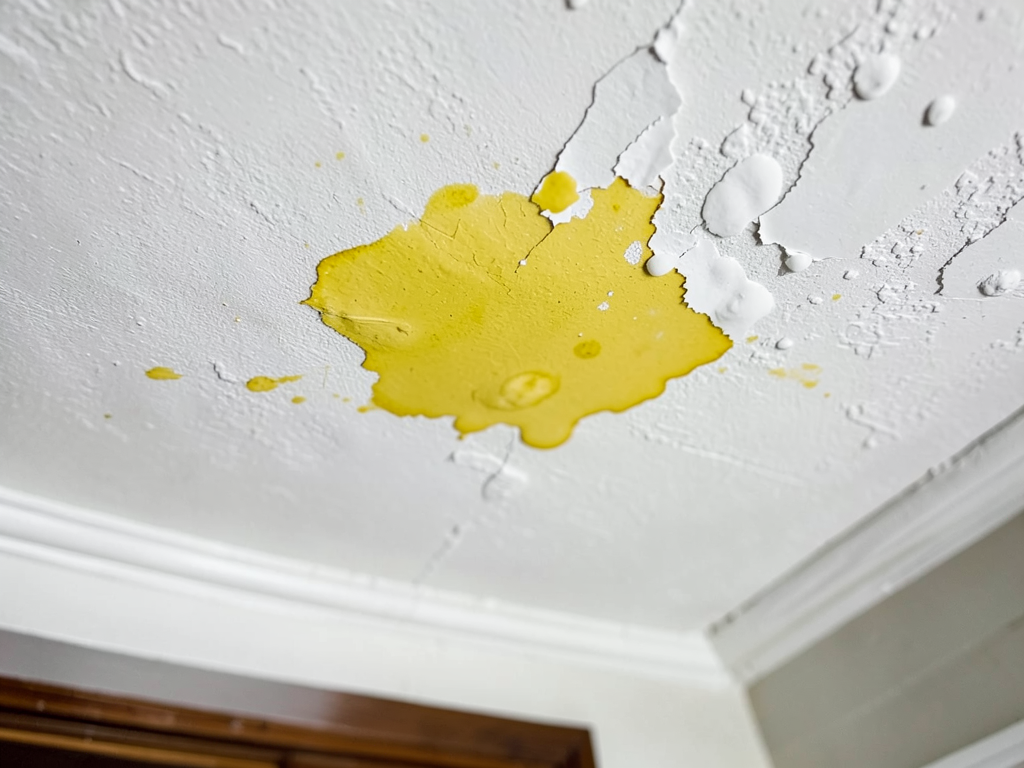
When to Call a Pro for That Small Water Stain on Your Sherman Park Plaster Ceiling

When to Call a Pro for That Small Water Stain on Your Sherman Park Plaster Ceiling That small yellowish-brown spot on your Sherman Park plaster ceiling is more than just an eyesore. It is a…
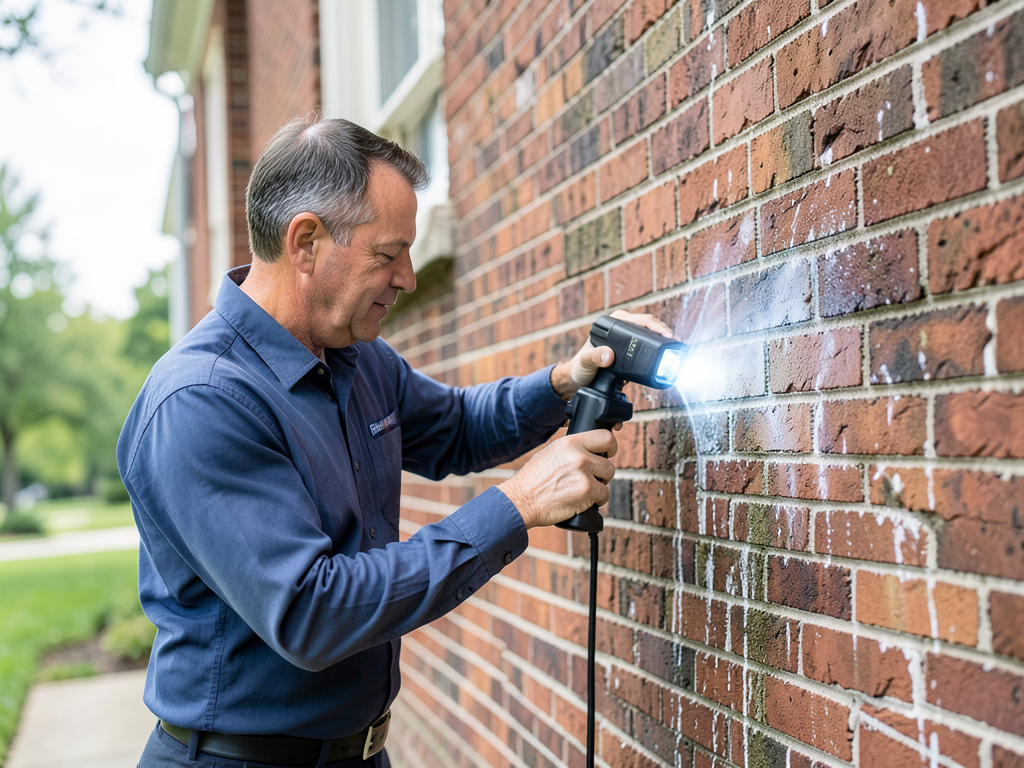
Preventing Moisture Buildup in the Historic Mansions of Cold Spring Park

Preventing Moisture Buildup in the Historic Mansions of Cold Spring Park Historic mansions in Cold…
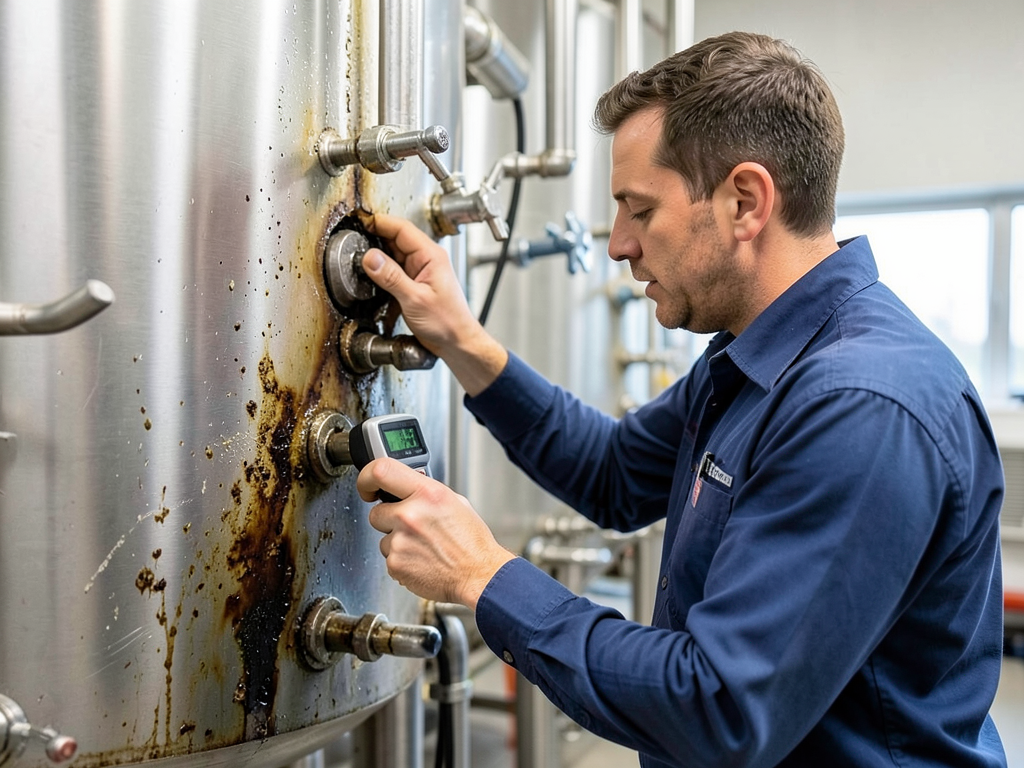
How to Clean Up After a Commercial Beverage Line Leak in a Milwaukee Bar or Brewery

How to Clean Up After a Commercial Beverage Line Leak in a Milwaukee Bar or…
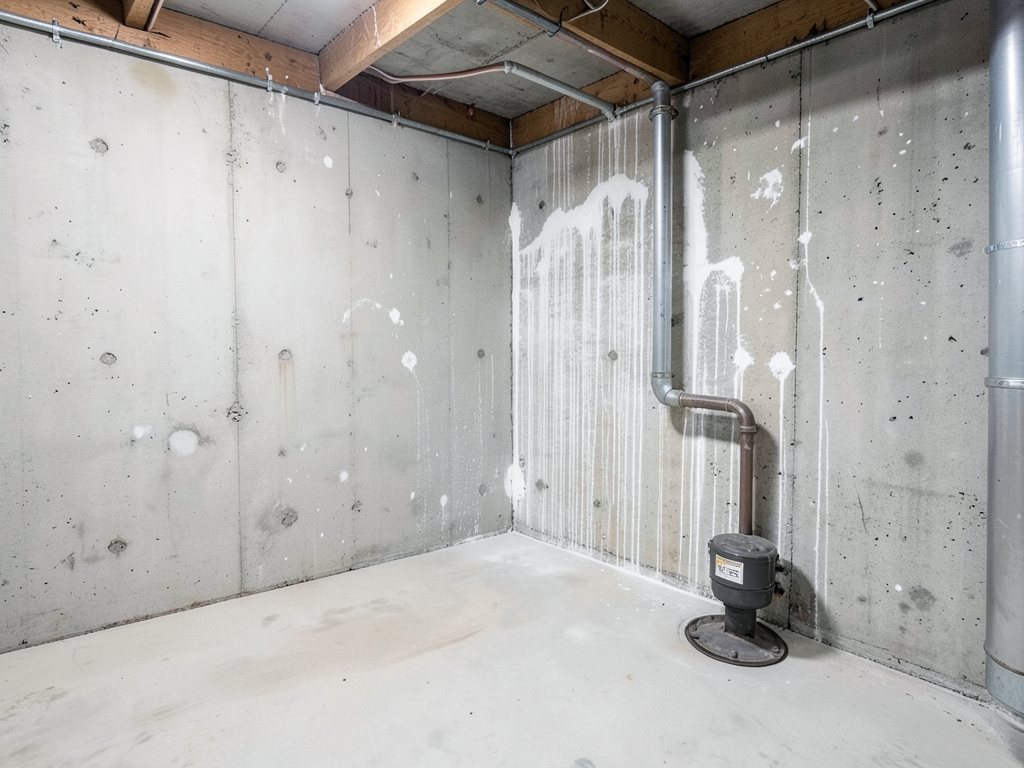
Why Your Cudahy Basement Feels Damp Even When Your Sump Pump Is Working

Your Cudahy Basement Still Feels Damp? Here’s Why If your basement feels damp even though…

Stop Water Damage Now Before It Destroys Your Wauwatosa Property

Water damage accelerates every hour you wait. Call All Pro Water Damage Restoration Milwaukee now at (414) 392-1771 for immediate dispatch. Our emergency crews respond fast with professional extraction equipment. We serve Wauwatosa 24/7 because water does not wait for business hours.