menu

Steps to Take After a Flood in Milwaukee – Expert Recovery Guidance to Protect Your Home and Health

Get a complete post-flood recovery checklist from Milwaukee's water damage specialists, including immediate actions after flooding, clean up steps, and critical health safeguards to prevent mold and structural damage.

Slider Image 1
Slider Image 2
Slider Image 3
Slider Image 4
Slider Image 5
Slider Image 7
Slider Image 8
Slider Image 9
Slider Image 10
Slider Image 11

Why Floods Hit Milwaukee Homes Harder Than You Think

Milwaukee sits at the confluence of three rivers and Lake Michigan, making flood events more than just a possibility. The city's aging infrastructure and combined sewer system can overwhelm during heavy rain, sending contaminated water into basements across neighborhoods like Bay View, Riverwest, and Walker's Point. Spring snowmelt and freeze-thaw cycles create a second wave of risk when soil shifts and foundation cracks expand.

When you face flooding, the clock starts immediately. Water penetrates porous Milwaukee brick and seeps through limestone foundations common in pre-1950s homes. Within 24 hours, humidity levels spike and mold spores begin colonizing wet drywall and wood framing. Within 48 hours, structural damage accelerates as water wicks up walls through capillary action.

The guide to handling flood damage starts with understanding what you are facing. Floodwater categories matter. Clean water from a burst pipe requires different protocols than grey water from appliance failures or black water from sewer backups. Milwaukee's combined sewer overflows often introduce category three contamination, meaning you are dealing with bacteria, chemicals, and potential biohazards.

Your immediate actions after flooding determine whether you face a manageable restoration or total reconstruction. This post-flood recovery checklist walks you through what to do after a house flood, prioritizing safety, documentation, and damage control before professional restoration begins.

Why Floods Hit Milwaukee Homes Harder Than You Think
The Critical First 72 Hours After a Flood

The Critical First 72 Hours After a Flood

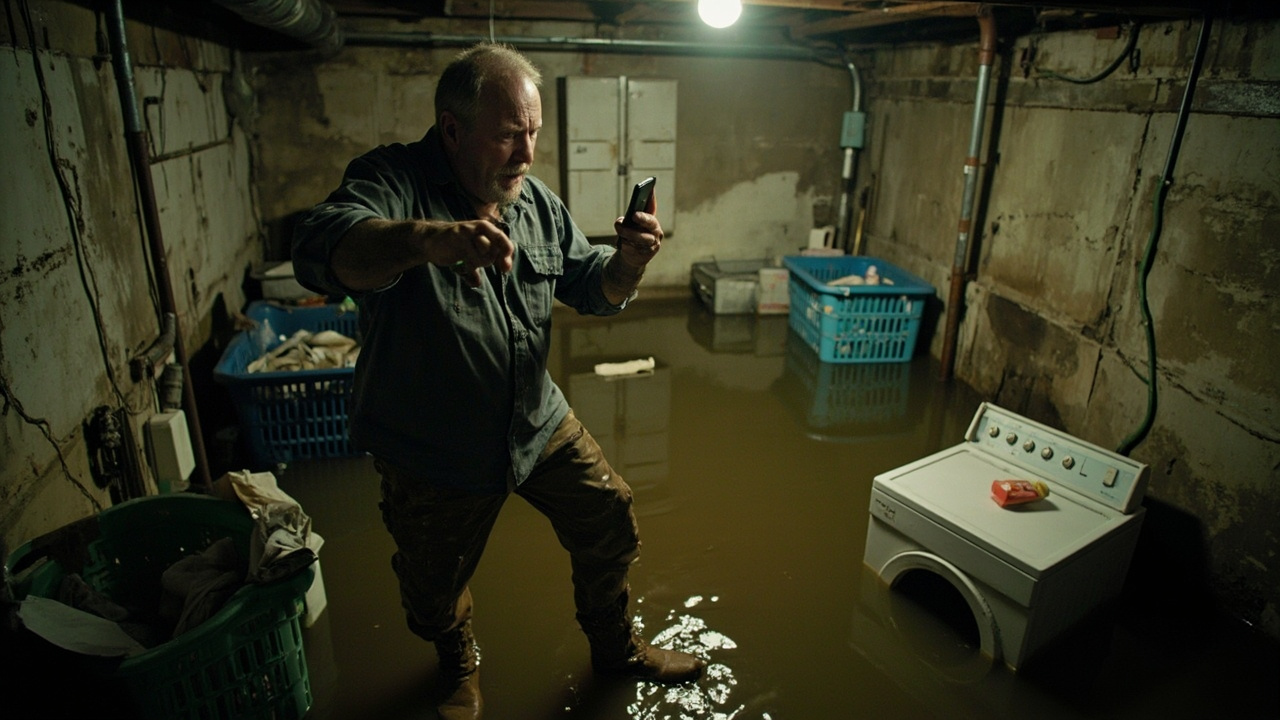
Water damage clean up steps follow a strict hierarchy. Your safety comes first. Before entering a flooded space, confirm electrical service is disconnected at the breaker panel. Standing water conducts electricity, and Milwaukee's older homes often have ungrounded outlets in basements.

Document everything before touching anything. Photograph water lines on walls, damaged belongings, and standing water depth. Your insurance adjuster needs this evidence, and Wisconsin's prompt payment laws require insurers to respond within specific timeframes when you provide proper documentation.

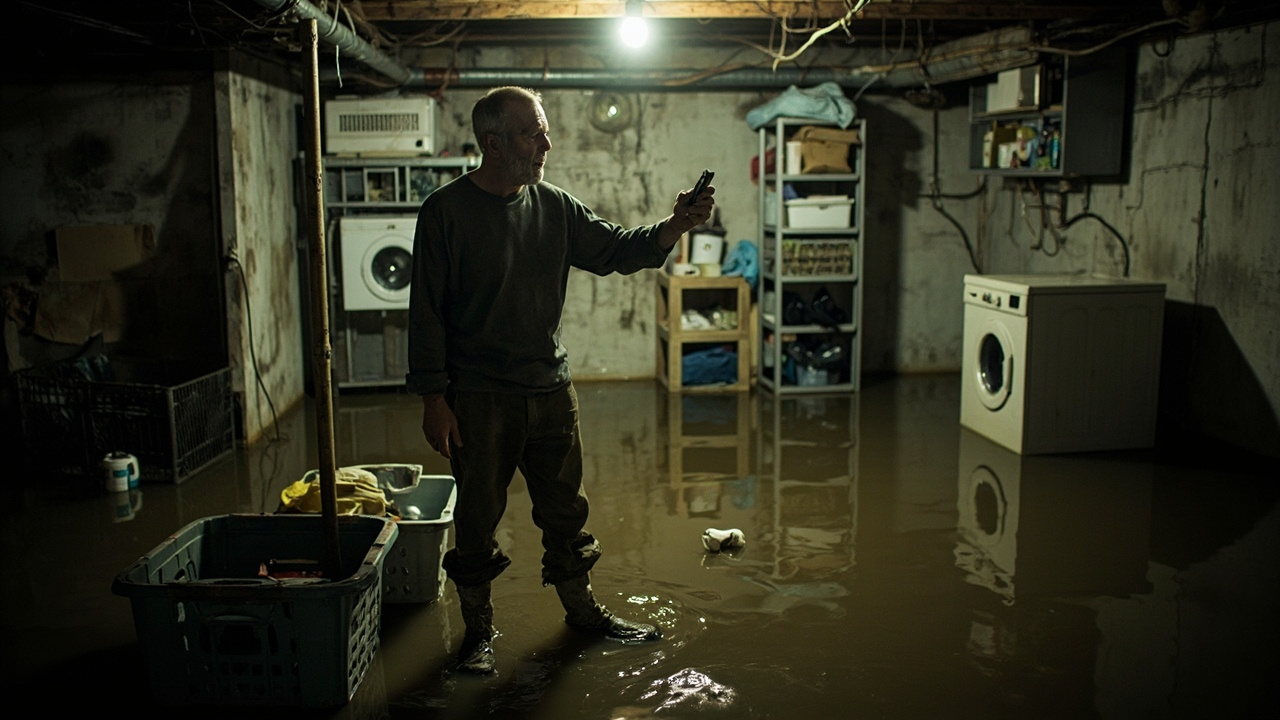
Begin water extraction immediately. Every hour of standing water adds exponential damage. Use a submersible pump for deep water and wet vacuums for remaining moisture. Open windows only if outdoor humidity is below 60 percent. Milwaukee's summer humidity often exceeds 70 percent, which means outside air introduces more moisture than it removes.

Remove porous materials quickly. Carpet padding, drywall below the water line, and insulation act as sponges that feed mold growth. Cut drywall six inches above the visible water line because wicking carries moisture higher than you see. Bag and remove contaminated materials to prevent cross-contamination.

Deploy dehumidification and air movement. Commercial-grade dehumidifiers pull 10 to 20 times more moisture than residential units. Air movers create circulation that speeds evaporation from structural materials. Position equipment to create a vortex pattern that moves air across all wet surfaces.

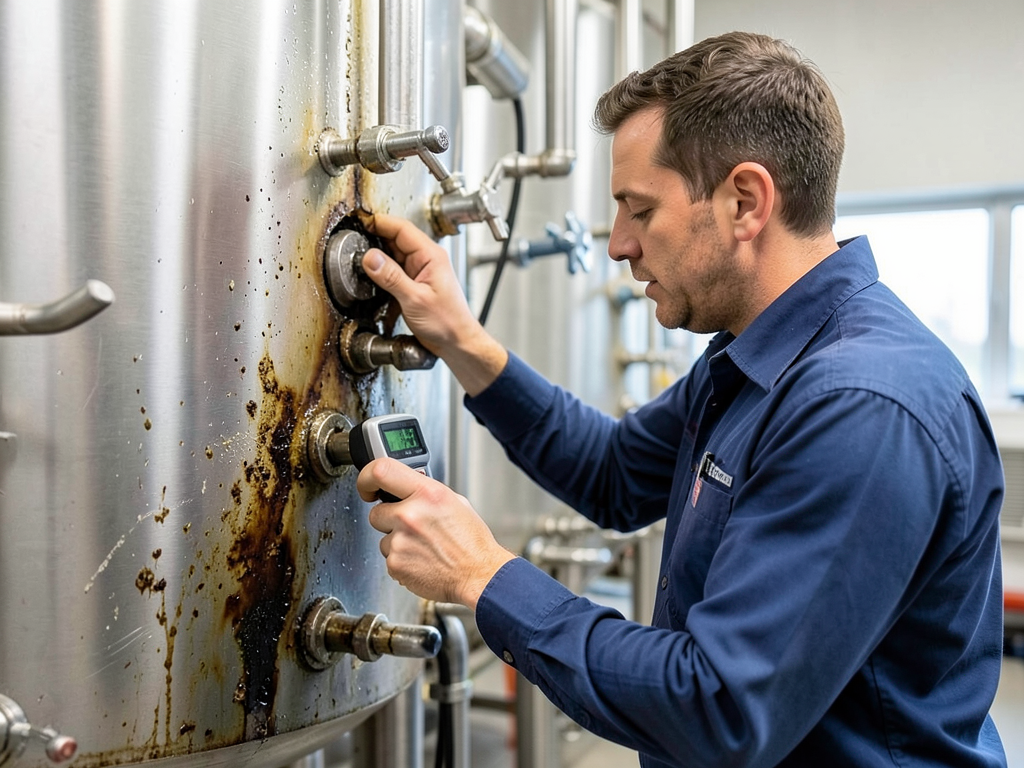
Monitor moisture levels with calibrated meters. Wood framing should read below 15 percent moisture content. Concrete should measure below 4.5 percent on a calcium chloride test. These readings confirm materials are dry enough to rebuild without trapping residual moisture.

Your Complete Post-Flood Action Plan

Steps to Take After a Flood in Milwaukee – Expert Recovery Guidance to Protect Your Home and Health
01

Safety and Documentation

Shut off electricity and gas to flooded areas before entry. Wear protective equipment including rubber boots, gloves, and an N95 respirator if you suspect sewage contamination. Photograph all damage from multiple angles and document water source if identifiable. Contact your insurance carrier within 24 hours to start your claim. Retrieve vital documents and medications from dry areas. Do not enter if water exceeds 12 inches or if structural damage is visible.
02

Water Removal and Salvage

Pump standing water using submersible pumps rated for the volume present. Remove wet contents to a dry location for inventory and cleaning evaluation. Separate salvageable items from total losses. Begin drying structural elements immediately using fans and dehumidifiers. Remove baseboards to allow airflow behind walls. Pull up saturated carpet and padding within 24 hours. Category three water contamination requires disposal of all porous materials, not cleaning.
03

Professional Assessment and Restoration

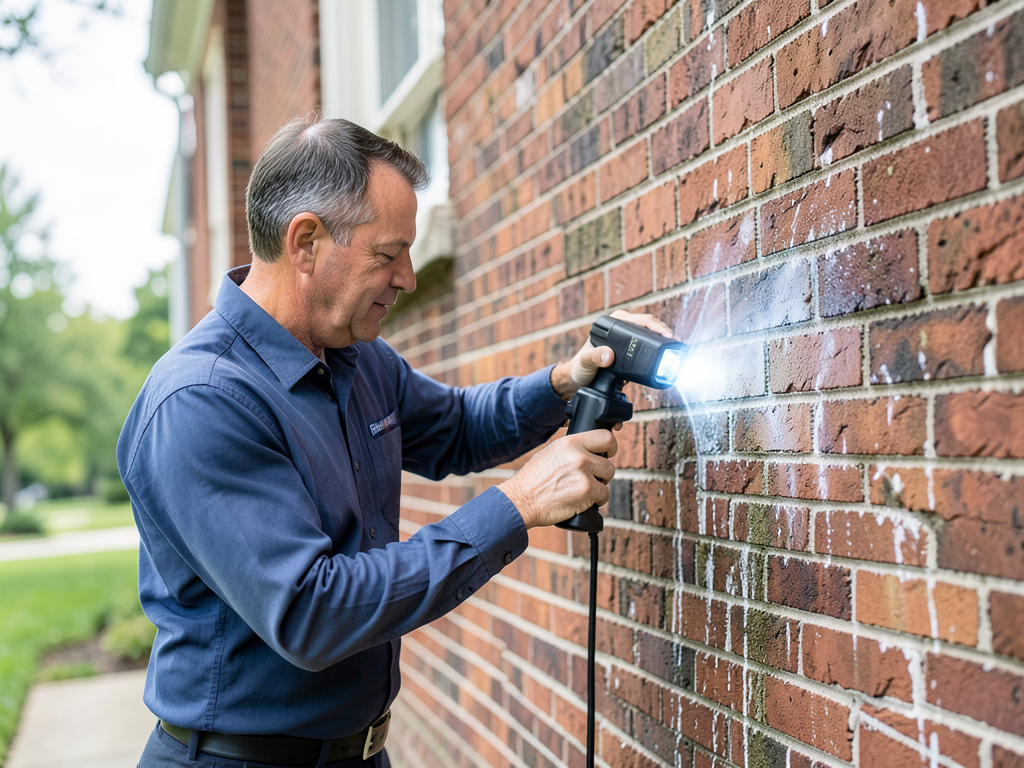
Schedule professional moisture mapping within 48 hours to identify hidden water in wall cavities and subfloors. Thermal imaging reveals moisture invisible to the eye. IICRC-certified technicians use penetrating and non-penetrating meters to create moisture maps. Professional-grade equipment accelerates drying time from weeks to days. Antimicrobial treatments prevent mold on framing that cannot be removed. Air quality testing confirms space is safe before reconstruction begins. Request written moisture logs showing daily progress.

Why Milwaukee Homeowners Choose Liberty Water Damage Restoration Riverside

Milwaukee's unique construction presents restoration challenges that generic franchises miss. We understand the difference between restoring a cream city brick bungalow in Washington Heights and a mid-century ranch in Wauwatosa. Foundation types vary by neighborhood and era. Homes near the lakefront face different moisture dynamics than properties along the Menomonee Valley.

Our technicians train specifically on Milwaukee's building stock. We know that pre-war homes often have horsehair plaster walls that require different drying techniques than modern drywall. We recognize when floor joists are dimensional lumber versus engineered wood, which affects drying protocols and structural assessment.

We navigate local code requirements efficiently. Milwaukee requires permits for electrical and plumbing work during flood restoration. We coordinate inspections and maintain relationships with city inspectors to prevent delays. Our familiarity with Department of Neighborhood Services standards ensures your restoration passes inspection the first time.

Insurance claims move faster when we document properly. We speak the language adjusters understand and provide the moisture readings, equipment logs, and photo documentation that support your claim. We work with all major carriers and understand Wisconsin's insurance statutes that protect homeowners.

Response time matters in water damage. We maintain equipment staging throughout the greater Milwaukee metro, allowing us to arrive with truck-mounted extractors and commercial dehumidifiers within hours of your call. Our 24-hour dispatch means you reach a person, not an answering service, when you call (414) 392-1771 at 2 AM on a Sunday.

You need certainty during chaos. We provide written scopes, clear timelines, and daily communication. You will know what happens next, how long it takes, and what it costs before work begins.

What to Expect During Professional Flood Restoration

Emergency Response Timeline

We arrive within two to four hours of your call for emergency flood situations. Our first visit includes a visual assessment, moisture detection using thermal imaging and penetrating meters, and immediate water extraction if standing water remains. Equipment deployment happens on day one. We stage air movers, dehumidifiers, and air scrubbers to begin the drying process immediately. You receive a written moisture map identifying affected areas and a projected drying timeline based on material types and saturation levels. Most residential floods require three to seven days of active drying before reconstruction can begin.

Comprehensive Damage Assessment

Our initial assessment includes moisture mapping of all affected areas using infrared cameras that detect temperature differentials caused by evaporation. We measure moisture content in wood framing, concrete, and drywall using both pin-type and non-invasive meters. You receive documentation showing moisture levels in each material and specific areas requiring attention. We identify hidden damage in wall cavities and ceiling spaces. Our assessment includes water category classification that determines cleaning protocols. We test humidity levels and calculate vapor pressure to optimize drying conditions. This data creates your restoration roadmap and insurance documentation.

Restoration Outcomes and Quality

Your home returns to pre-loss condition or better. We dry structural materials to industry standard moisture levels verified by calibrated meters. Wood framing reaches equilibrium moisture content for Milwaukee's climate. Antimicrobial treatments on framing prevent future mold growth. We provide written certification that materials are dry and safe for reconstruction. Air quality testing confirms no elevated mold spore counts before closing walls. Reconstruction matches existing finishes and materials. You receive complete documentation including moisture logs, equipment placement diagrams, and before-and-after photos for your records and insurance company.

Post-Restoration Support and Prevention

We provide detailed recommendations to prevent future flood events based on what caused your damage. This includes grading corrections, sump pump upgrades, foundation waterproofing options, and gutter improvements specific to your property. You receive humidity monitoring guidance for Milwaukee's seasonal changes. We explain warning signs that indicate recurring moisture issues. Our team remains available for questions after restoration completes. If you discover additional damage within 30 days related to the original event, we return for reassessment at no charge. We maintain your project file for insurance and warranty purposes.

Frequently Asked Questions

You Have Questions,
We Have Answers

What steps to take after a flood? +

First, ensure everyone is safe and turn off electricity at the main breaker to prevent electrocution. Document all damage with photos and video for insurance claims. Contact your insurance company immediately. Remove standing water as quickly as possible using pumps or wet vacuums. Move undamaged belongings to a dry area. In Milwaukee, basement flooding from heavy rain or snowmelt is common, so act fast. Contact a professional water damage restoration company within 24 hours to prevent mold growth and structural damage. Do not enter deep water or attempt major repairs yourself.

What should be done after the flood? +

After ensuring safety, prioritize water extraction and drying. Remove wet materials like carpeting, drywall, and insulation that cannot be salvaged. Open windows and use fans to increase airflow, but only if outdoor humidity is low. Milwaukee's humid summers can slow drying, so industrial dehumidifiers are often necessary. Disinfect all affected surfaces with antimicrobial solutions to prevent bacteria growth. Sort damaged belongings into salvageable and unsalvageable piles. Keep detailed records of all losses and repairs for insurance documentation. Professional restoration teams use moisture meters to confirm complete drying before rebuilding begins.

What are the 5 steps of disaster recovery? +

Disaster recovery follows five key steps. First, assessment identifies the extent of damage and safety hazards. Second, water extraction removes standing water using pumps and vacuums. Third, drying and dehumidification eliminate moisture from structures and contents using industrial equipment. Fourth, cleaning and sanitizing treat affected surfaces to prevent mold and bacteria. Fifth, restoration rebuilds and repairs damaged areas to pre-loss condition. In Milwaukee, where basement floods and storm damage are frequent, professional teams follow these steps systematically. Each phase must be completed thoroughly before moving to the next to prevent secondary damage.

What precautions should be taken after a flood? +

Never enter floodwater without rubber boots and gloves due to contamination risks from sewage and chemicals. Turn off all utilities before entering the property. Wear an N95 mask when removing wet materials to avoid inhaling mold spores. Discard any food that contacted floodwater. In Milwaukee, watch for foundation cracks and soil shifting after floods, as freeze-thaw cycles weaken structures. Avoid using contaminated water for cleaning. Do not use regular household fans if mold is present, as this spreads spores. Document everything before cleanup begins, and consult professionals for category 2 or 3 water damage.

What to spray on walls after a flood? +

Spray walls with an EPA-registered antimicrobial solution after removing wet drywall and insulation. A bleach solution (one cup per gallon of water) works for non-porous surfaces, but bleach does not penetrate porous materials like drywall. Professional restoration teams use hospital-grade disinfectants that kill bacteria, viruses, and mold spores. In Milwaukee homes with older plaster walls, mold penetrates deep into materials. Apply antimicrobial spray after thorough drying but before reconstruction. Never paint over or seal moisture into walls. If contamination is severe, wall cavities may need complete removal and replacement to prevent health risks.

How quickly does mold grow after a flood? +

Mold begins growing within 24 to 48 hours after water exposure in ideal conditions. Milwaukee's humid climate accelerates this timeline, especially during summer months. Spores exist everywhere and only need moisture, organic material, and temperatures between 40 and 100 degrees to colonize. Basements and crawl spaces are high-risk zones. Visible mold appears within three to five days, but hidden growth behind walls or under flooring starts much sooner. This is why immediate water extraction and drying are critical. Professional restoration teams use moisture meters to detect hidden dampness that promotes mold growth before it becomes visible.

What should you avoid doing after a flood? +

Never delay water removal or drying. Every hour counts when preventing mold and structural damage. Do not use electrical appliances in wet areas until a professional confirms safety. Avoid removing standing water without proper equipment, as this can spread contamination. Do not ignore safety gear like gloves and masks. In Milwaukee, never assume foundation water is clean, as it often mixes with sewage or chemicals. Do not seal wet materials with paint or caulk, trapping moisture inside. Avoid DIY repairs for major flooding. Do not throw away damaged items until documenting them for insurance purposes with detailed photos.

What are the 5 steps of preparedness? +

Preparedness involves five essential steps. First, create an emergency plan identifying evacuation routes and meeting points. Second, assemble disaster supplies including water, food, flashlights, and first aid kits. Third, secure important documents in waterproof containers. Fourth, know how to shut off utilities quickly. Fifth, establish communication methods if cell networks fail. Milwaukee residents should prepare for basement flooding, winter storms, and power outages. Keep sump pumps maintained and install battery backups. Review insurance policies annually to ensure adequate coverage. Practice your emergency plan with family members so everyone knows their role during a crisis.

How long to dry out a house after a flood? +

Complete structural drying takes three to five days with professional equipment, but severe flooding may require seven to ten days. Milwaukee's humid climate extends drying times compared to arid regions. Factors include water category, affected materials, and airflow. Hardwood floors need two to four weeks to stabilize after drying to prevent warping. Concrete foundations may take 30 days to fully dry. Professionals use moisture meters to confirm materials reach acceptable levels before reconstruction. Rushing this process causes hidden mold growth and structural failure. Temperature control and dehumidification are critical. Never begin repairs until readings confirm complete drying.

What are the 4 C's of disaster recovery? +

The four C's are coordination, communication, continuity, and control. Coordination aligns all restoration activities between property owners, insurance adjusters, and contractors. Communication keeps everyone informed about progress, timelines, and changes. Continuity ensures business operations or living arrangements continue during recovery. Control maintains project scope, budget, and quality standards. In Milwaukee, where water damage often impacts both residential basements and commercial properties along the Milwaukee River, these principles prevent chaos during restoration. Professional teams manage the four C's systematically, providing clear timelines and updates while minimizing disruption to your daily life or business operations.

How Milwaukee's Combined Sewer System Affects Flood Recovery Protocols

Milwaukee operates a combined sewer system that handles both stormwater and sanitary sewage in the same pipes across much of the city. During heavy rain events, this system overwhelms and triggers combined sewer overflows that can push contaminated water into basements through floor drains and toilet connections. This means many Milwaukee floods involve category three black water contamination requiring complete removal of porous materials, not just drying. Neighborhoods with older infrastructure including Brewers Hill, Harambee, and the Historic Third Ward face higher contamination risk. Your post-flood recovery checklist must account for potential sewage exposure even if water appears clean.

Liberty Water Damage Restoration Riverside maintains specific protocols for Milwaukee's sewage-related flood events. We understand local Department of Public Works overflow patterns and can identify likely contamination based on your location and storm severity. Our technicians follow Wisconsin Department of Health Services guidelines for category three water cleanup, including proper disposal procedures and disinfection protocols. We work directly with Milwaukee building inspectors who understand local contamination risks and expect proper remediation procedures. Choosing a restoration company familiar with Milwaukee's infrastructure means appropriate safety measures for your specific flood event.
Water Damage Restoration Services in The Milwaukee Area

All Pro Water Damage Restoration Milwaukee is proud to serve the entire Milwaukee metropolitan area and surrounding communities, bringing our fast, professional, and reliable services directly to your residential or commercial location. While we are a mobile, 24/7 rapid-response team, you can use the map below to visualize our service area and confirm our commitment to local expertise. We are always ready to dispatch certified technicians to your exact location to provide immediate, expert water damage help.

Address:
All Pro Water Damage Restoration Milwaukee, 790 N Milwaukee St, Milwaukee, WI, 53202

Additional Services We Offer

Our news updates

Latest Articles & News from The Blogs

Preventing Moisture Buildup in the Historic Mansions of Cold Spring Park Historic mansions in Cold Spring Park face unique moisture…

Preventing Moisture Buildup in the Historic Mansions of Cold Spring Park

Preventing Moisture Buildup in the Historic Mansions of Cold Spring Park Historic mansions in Cold Spring Park face unique moisture…

How to Clean Up After a Commercial Beverage Line Leak in a Milwaukee Bar or Brewery

How to Clean Up After a Commercial Beverage Line Leak in a Milwaukee Bar or Brewery A beverage line leak…

Why Your Cudahy Basement Feels Damp Even When Your Sump Pump Is Working

Your Cudahy Basement Still Feels Damp? Here’s Why If your basement feels damp even though your sump pump runs fine…

Contact Us

Every hour increases damage and restoration costs. Call Liberty Water Damage Restoration Riverside at (414) 392-1771 for immediate response. Our Milwaukee team is ready 24 hours a day with the equipment and expertise to stop the damage and start your recovery.