menu

Commercial Sewage Cleanup in Milwaukee | Minimize Downtime with 24-Hour Industrial-Grade Response

Liberty Water Damage Restoration Riverside delivers rapid commercial sewage remediation designed to restore business operations fast. We handle Category 3 black water extraction, compliance documentation, and full decontamination so you can reopen with minimal revenue loss.

Slider Image 1
Slider Image 2
Slider Image 3
Slider Image 4
Slider Image 5
Slider Image 7
Slider Image 8
Slider Image 9
Slider Image 10
Slider Image 11

Why Milwaukee Commercial Properties Face Elevated Sewage Contamination Risk

Milwaukee's aging sewer infrastructure and intense winter freeze-thaw cycles create recurring commercial sewer backup problems. When frost penetrates the ground and temperatures swing, underground pipes crack and shift. Combined with the city's clay-rich soil that expands and contracts, this creates pressure points that lead to catastrophic backups in commercial basements, parking garages, and ground-level retail spaces.

A single commercial sewage backup can shut down operations for days. Category 3 black water contains human waste, chemicals, and pathogens that pose immediate health risks to employees and customers. Commercial sewage removal must happen fast to prevent liability exposure and avoid violations of Milwaukee Health Department codes.

The Menomonee Valley and Walker's Point neighborhoods face additional risk due to lower elevation and proximity to storm sewer systems that overload during spring melt and summer storms. Industrial facilities near the Inner Harbor often experience combined sewer overflows during heavy rain events.

Commercial black water extraction is not a cleanup you can delegate to a janitorial crew. It requires containment, professional-grade disinfection, and proper disposal of contaminated materials. Delaying commercial sewage remediation allows pathogens to spread through HVAC systems, contaminate inventory, and compromise structural materials. The longer sewage sits, the more expensive the restoration becomes and the longer your doors stay closed.

Why Milwaukee Commercial Properties Face Elevated Sewage Contamination Risk
How Liberty Water Damage Restoration Riverside Executes Industrial Sewage Cleanup

How Liberty Water Damage Restoration Riverside Executes Industrial Sewage Cleanup

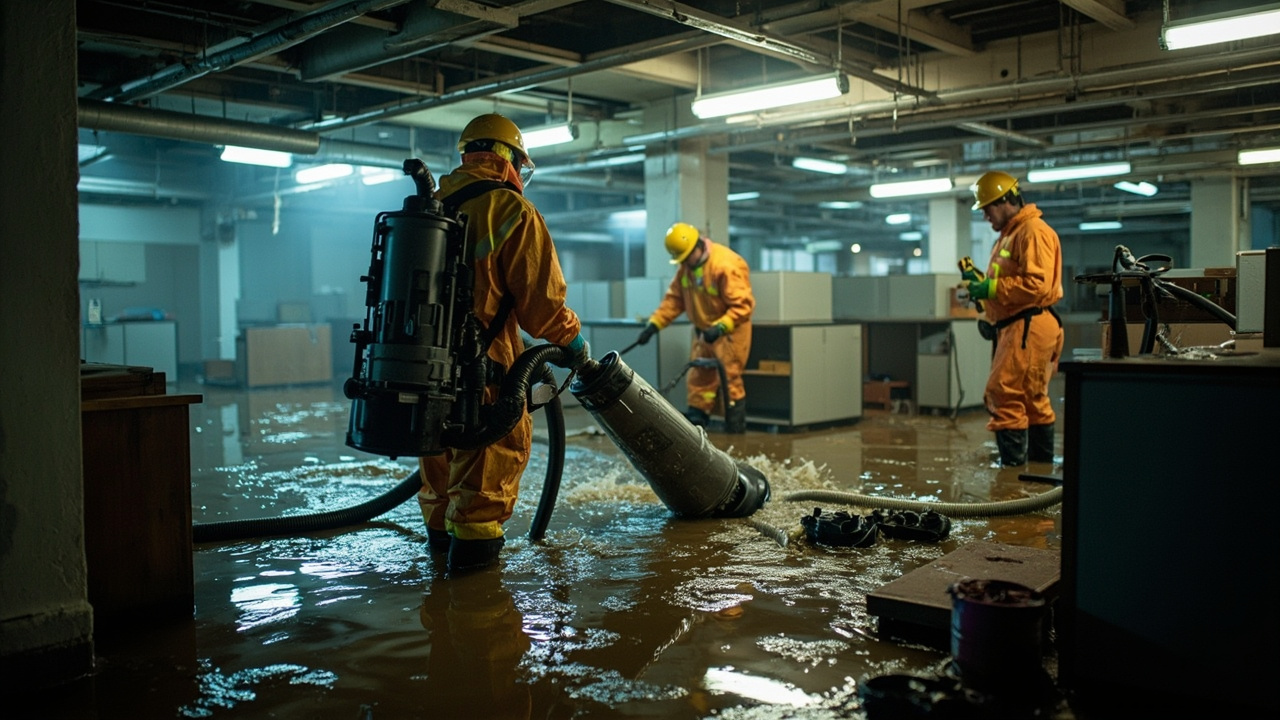
We deploy truck-mounted extraction units capable of removing thousands of gallons per hour. Commercial sewage cleanup requires negative air pressure containment to prevent cross-contamination into unaffected areas. We establish barriers using polyethylene sheeting and create airlock entries to isolate the hot zone.

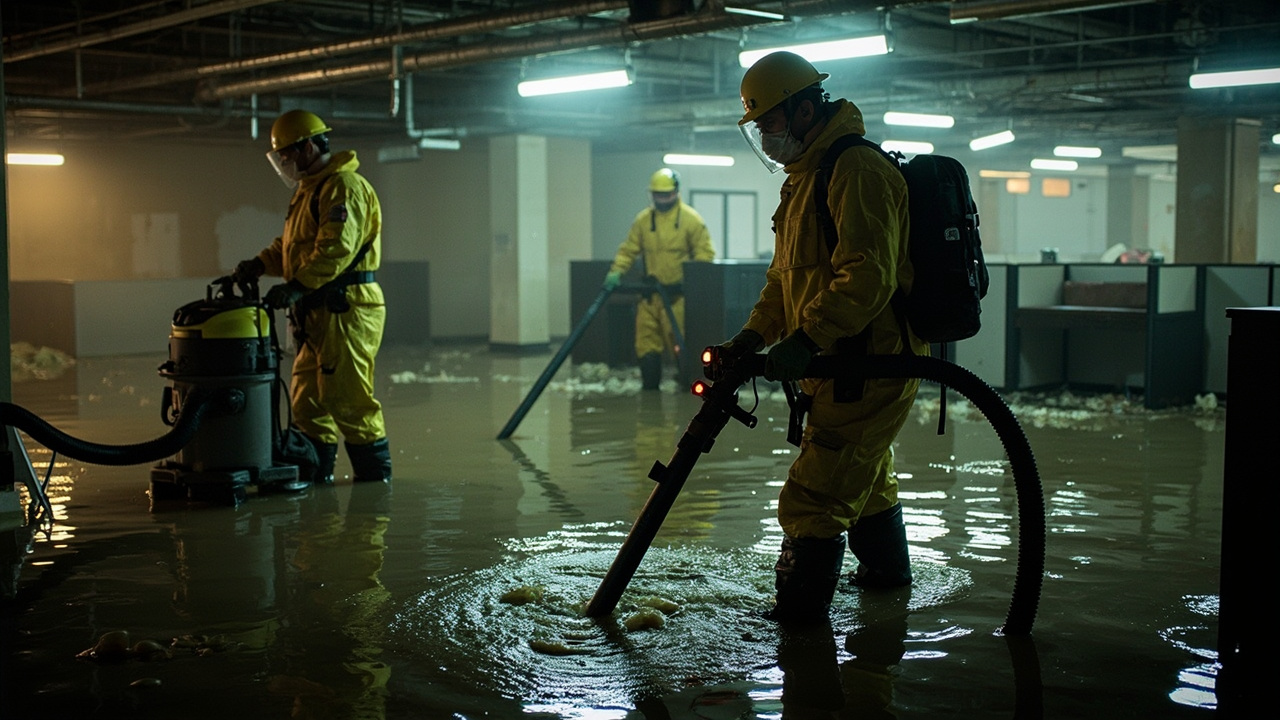
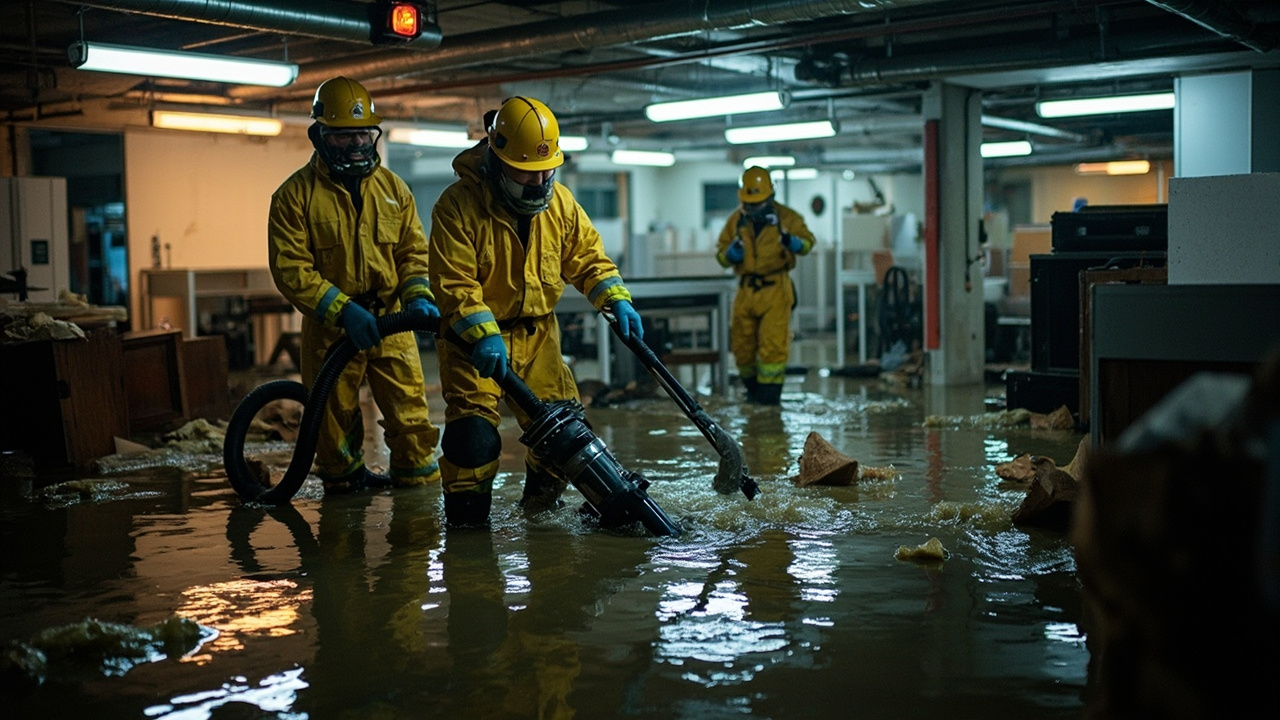
Our technicians wear Level C personal protective equipment during industrial sewage cleanup. We do not use shop vacs or residential equipment. Black water contains bacteria like E. coli, viruses including hepatitis A, and parasites that survive on surfaces for weeks. We apply EPA-registered disinfectants proven effective against these pathogens and follow contact time protocols to ensure complete kill rates.

After commercial sewer backup cleaning, we remove all porous materials that absorbed contamination. Drywall below the flood line, carpet, insulation, and ceiling tiles must be disposed of as biohazard waste. Non-porous surfaces undergo triple-wash decontamination using detergent, disinfectant, and sanitizer.

We document the entire commercial sewage remediation process with time-stamped photos and moisture readings. This creates the paper trail you need for insurance claims and protects you from future liability if an employee claims illness. Our industrial dehumidifiers and air scrubbers run 24/7 until moisture content drops below 15 percent and air quality testing confirms zero mold spore elevation.

We coordinate with the City of Milwaukee Water Works to identify the backup source and confirm municipal repairs before you resume operations.

What Happens During a Commercial Sewage Emergency Response

Commercial Sewage Cleanup in Milwaukee | Minimize Downtime with 24-Hour Industrial-Grade Response
01

Immediate Containment and Extraction

Our crew arrives with truck-mounted pumps and portable extractors to remove standing sewage within the first two hours. We establish containment barriers to prevent sewage migration into clean areas and shut down HVAC systems to stop airborne contamination. All affected zones are photographed and logged before extraction begins to document pre-loss conditions for your insurer and protect your claim.
02

Decontamination and Material Removal

After extraction, we remove contaminated materials including drywall, flooring, and insulation that cannot be salvaged. All non-porous surfaces undergo hospital-grade disinfection using quaternary ammonium compounds and phenolic agents. We apply antimicrobial treatments to framing and subfloors to prevent bacterial growth during drying. Contaminated materials are bagged, labeled, and disposed of according to Wisconsin Department of Natural Resources regulations.
03

Drying and Air Quality Restoration

Industrial dehumidifiers and air scrubbers run continuously until all structural materials reach equilibrium moisture content. We monitor daily with thermal imaging cameras and moisture meters to confirm complete dryness. Air quality testing measures mold spore counts and confirms zero contamination before we sign off. You receive a completion certificate documenting full decontamination, which satisfies Milwaukee Health Department requirements and protects you from liability.

Why Milwaukee Businesses Trust Liberty Water Damage Restoration Riverside for Sewage Emergencies

We understand Milwaukee's commercial building stock. Many properties in the Historic Third Ward and downtown feature basements below the water table, making them vulnerable to sewer backups during storm events. We know which buildings have combined sewer systems versus separated systems, and we understand how the Milwaukee Metropolitan Sewerage District operates during overflow conditions.

Our crews are familiar with the Milwaukee Building Inspection Department's requirements for commercial restoration work. We pull permits when required, coordinate inspections, and provide documentation that satisfies code enforcement. This keeps your project moving and prevents occupancy delays.

We carry commercial general liability coverage sufficient for large-scale projects and maintain Wisconsin Department of Safety and Professional Services compliance. Our response capacity includes multiple extraction trucks, hundreds of dehumidifiers, and the crew depth to handle facilities up to 50,000 square feet simultaneously.

You need a restoration partner who can respond at 2 a.m. on Sunday and have a full crew working by sunrise. We maintain 24-hour dispatch and keep equipment staged for immediate deployment. Commercial sewage removal cannot wait until Monday morning. Every hour of delay increases contamination spread and extends your closure.

We coordinate directly with your insurance adjuster and provide detailed scope documentation that prevents claim disputes. Our estimates follow Xactimate pricing, which insurers recognize and accept. This eliminates the back-and-forth negotiation that delays payment and keeps you waiting for authorization to rebuild.

What to Expect During Commercial Sewage Remediation

Response Time and Deployment

We arrive on-site within 90 minutes of your call, regardless of time or day. Our trucks carry 500 feet of extraction hose, portable generators, and containment supplies to begin work immediately. The first crew establishes containment and starts extraction while a second team mobilizes additional equipment based on the scope. For multi-floor buildings, we deploy stair-climbing pumps and set up staging areas in loading docks or parking areas. You get a project manager assigned within the first hour who becomes your single point of contact throughout the restoration.

Assessment and Scope Documentation

Our initial assessment includes thermal imaging to map moisture migration, moisture meter readings on all structural components, and air quality baseline testing. We identify the contamination category, document all affected materials, and map the extent of damage across your facility. You receive a preliminary scope within four hours that outlines the restoration plan, estimated timeline, and projected costs. This allows you to notify your insurer, communicate with stakeholders, and make informed decisions about temporary relocation or operational adjustments during restoration.

Decontamination Standards and Results

We follow IICRC S500 standards for Category 3 water damage, which mandates specific disinfection protocols and material removal guidelines. All structural components reach less than 15 percent moisture content before we sign off. Air quality testing confirms mold spore counts below 500 spores per cubic meter, which matches outdoor ambient levels. You receive lab reports, moisture logs, and photographic documentation proving complete decontamination. This protects you from future liability claims and satisfies health department requirements for reopening.

Post-Restoration Monitoring and Documentation

We provide a final walkthrough with your facilities manager to confirm all work meets your standards. You receive a comprehensive report including all moisture readings, air quality test results, disposal manifests for contaminated materials, and photographic documentation of completed work. We return for follow-up moisture checks at 72 hours and seven days post-completion to confirm no secondary moisture issues develop. This documentation package gives you the proof you need for insurance closeout and regulatory compliance.

Frequently Asked Questions

You Have Questions,
We Have Answers

How much does it cost to clean up sewage? +

Commercial sewage cleanup costs vary based on contamination extent, affected square footage, and structural damage. Small backups in a single restroom may cost less, while widespread Category 3 water contamination across multiple floors requires extensive extraction, antimicrobial treatment, and material removal. Milwaukee properties with aging infrastructure or basement flooding face higher costs due to additional structural concerns. Factors include water removal volume, disposal fees, air scrubbing duration, and necessary demolition. Request detailed assessments that break down labor, equipment, and disposal costs. Commercial policies often require documented mitigation efforts to minimize claim disputes and business interruption losses.

Does insurance cover sewage cleanup? +

Most commercial property insurance policies cover sewage cleanup if the backup results from sudden, accidental events like burst pipes or equipment failure. However, coverage depends on specific endorsements, particularly water backup riders. Milwaukee buildings should verify policies address older plumbing systems common in downtown structures. Policies typically exclude damage from deferred maintenance or gradual leaks. Document everything immediately. Insurers require rapid mitigation to limit liability, making professional extraction and sanitization mandatory. Review exclusions for sump pump failures or combined sewer overflows. Business interruption coverage may apply if operations halt during cleanup, offsetting revenue loss while restoration proceeds.

How often should sewage be cleaned? +

Commercial sewage systems require inspection and maintenance annually, with high-use facilities needing quarterly assessments. Milwaukee properties connected to combined sewer systems face higher backup risks during heavy rainfall or spring thaw events. Schedule hydro-jetting for main lines every 12 to 18 months to prevent grease buildup and root intrusion. Restaurants, medical facilities, and manufacturing plants need more frequent service due to waste volume. Install backflow preventers and check valves to protect against municipal line surges. Preventive maintenance reduces emergency cleanup costs and minimizes operational downtime. Keep service records for insurance compliance and code inspections.

Are raw sewage fumes harmful? +

Raw sewage releases hydrogen sulfide, ammonia, and methane gases that cause immediate health risks. Exposure leads to respiratory distress, nausea, headaches, and eye irritation. Prolonged contact damages lung tissue and triggers asthma attacks. Sewage fumes contain airborne pathogens including E. coli, hepatitis A, and salmonella. Commercial spaces must evacuate personnel immediately and restrict access until professional air scrubbing completes. Milwaukee buildings with poor ventilation or basement backups concentrate these gases, increasing liability exposure. OSHA requires respiratory protection and hazmat protocols for cleanup crews. Never allow employees to work in contaminated areas without proper PPE and air quality testing.

How Milwaukee's Combined Sewer System Increases Commercial Sewage Backup Frequency

Milwaukee operates a combined sewer system in older neighborhoods where storm runoff and sanitary sewage flow through the same pipes. During heavy rain events, the system reaches capacity and sewage backs up into commercial basements through floor drains and utility connections. The Milwaukee Metropolitan Sewerage District reports dozens of overflow events annually, particularly in spring when snowmelt combines with rain. Commercial properties in lower elevation areas like the Menomonee Valley face the highest risk. Industrial sewage cleanup becomes necessary multiple times per year for some facilities, making prevention systems and rapid response planning critical for business continuity.

Liberty Water Damage Restoration Riverside maintains relationships with commercial property managers throughout Milwaukee's central business district and industrial corridors. We understand local building codes for commercial restoration work and coordinate with the City of Milwaukee Building Inspection Department to ensure permit compliance. Our crews know which properties have backwater valves installed and which remain vulnerable to sewer surges. This local knowledge speeds response time and ensures we bring the right equipment on the first trip. When you need commercial black water extraction in Milwaukee, you need a contractor who understands your building's infrastructure and the municipal systems that affect it.
Water Damage Restoration Services in The Milwaukee Area

All Pro Water Damage Restoration Milwaukee is proud to serve the entire Milwaukee metropolitan area and surrounding communities, bringing our fast, professional, and reliable services directly to your residential or commercial location. While we are a mobile, 24/7 rapid-response team, you can use the map below to visualize our service area and confirm our commitment to local expertise. We are always ready to dispatch certified technicians to your exact location to provide immediate, expert water damage help.

Address:
All Pro Water Damage Restoration Milwaukee, 790 N Milwaukee St, Milwaukee, WI, 53202

Additional Services We Offer

Our news updates

Latest Articles & News from The Blogs

What Every Hartland Homeowner Should Know About Hydrostatic Pressure and Basement Seepage Water seeping through your basement walls or floor…

What Every Hartland Homeowner Should Know About Hydrostatic Pressure and Basement Seepage

What Every Hartland Homeowner Should Know About Hydrostatic Pressure and Basement Seepage Water seeping through your basement walls or floor…

Protecting Your High-End Home Gym Equipment from Basement Moisture in Yankee Hill

Protecting Your High-End Home Gym Equipment from Basement Moisture in Yankee Hill Your basement gym in Yankee Hill houses thousands…

Why Your Roof Vents Might Be Leaking During a Heavy Grafton Rainstorm

Why Your Roof Vents Might Be Leaking During a Heavy Grafton Rainstorm When heavy rain pounds your Grafton home, you…

Contact Us

Every hour of sewage contamination increases your liability exposure and extends closure time. Call Liberty Water Damage Restoration Riverside at (414) 392-1771 for immediate dispatch. Our crews are standing by 24/7 with industrial extraction equipment ready to deploy. We handle insurance coordination and code compliance so you can focus on business continuity.