


Glendale sits in Milwaukee County where clay-heavy soil, aging infrastructure, and Wisconsin freeze-thaw cycles create perfect conditions for water catastrophes. When spring melt hits or summer storms dump inches of rain in hours, that clay soil does not absorb water. It pools, seeps, and floods basements across neighborhoods from Bayshore to Nicolet High School.
The homes near Milwaukee River face flooding risks every spring. Properties in the older sections around Green Bay Avenue deal with cast iron pipes that crack and leak without warning. Winter brings frozen pipes that burst in attics and crawl spaces, releasing hundreds of gallons before homeowners notice.
Glendale's mix of 1950s ranches and newer construction means varied foundation types. Older homes have porous concrete that wicks moisture. Newer builds often have insufficient grading that directs water toward foundations instead of away. Add in Wisconsin's humidity during summer months, and you have conditions where wet drywall and carpeting develop mold colonies within 48 hours.
The Milwaukee River flood plain extends into western Glendale. Heavy rain upstream means water backs up through storm drains and overwhelms sump pumps. Your basement can flood even when it is not raining on your street. Knowing these patterns means faster response and better protection for your property.
We have extracted water from hundreds of Glendale basements, dried out flooded crawl spaces, and rebuilt homes after sewage backups. This is not our first flood in your neighborhood. We know which streets flood first during heavy rain. We know the common pipe failure points in homes built in the 1960s. We know how Milwaukee County building codes affect your restoration and what documentation your insurance company requires.
Our technicians carry IICRC certifications in water damage remediation and applied structural drying. That means we follow protocols proven to prevent mold growth and structural damage. We use moisture meters to map exactly where water traveled through your walls and floors. We place air movers and dehumidifiers based on psychrometric calculations, not guesswork. We document everything with photos, thermal images, and daily moisture readings so your insurance claim has the proof it needs.
Speed determines whether you face a cleanup or a complete rebuild. We answer calls 24/7 because water emergencies happen at 2 AM on Sunday. Our trucks carry truck-mounted extractors that pull thousands of gallons per hour. We bring enough equipment on the first trip to handle entire flooded basements. No waiting days for gear to arrive while mold starts growing.
We coordinate directly with your insurance adjuster from day one. We know what Allstate, State Farm, and American Family require for documentation. We handle the paperwork so you can focus on your family. We work with your claim, not against it. You get your home back faster when the restoration company and insurance company speak the same language.


Water destruction takes many forms in Glendale homes. A burst pipe in your attic destroys ceilings and insulation. A flooded basement ruins furnaces and water heaters. Sewage backups contaminate everything they touch. Each scenario requires different equipment, safety protocols, and drying strategies.
All Pro Water Damage Restoration Milwaukee handles the full spectrum of water emergencies. We extract standing water, remove damaged materials, dry structural components, sanitize contaminated areas, and coordinate reconstruction. You get one company managing your entire restoration from emergency call to final walkthrough.
Our services address three distinct categories based on water contamination level and damage severity. Clean water from supply lines requires different treatment than sewage contamination. A small leak caught early needs less intervention than a basement flooded with three feet of water. We match our response to your specific emergency, bringing appropriate equipment and following protocols that protect your health and property value.
Whether you face a burst pipe, foundation seepage, storm flooding, or sewage backup, we have handled it before in Glendale properties. Our technicians assess your specific situation, explain what needs to happen, and execute the restoration with equipment designed for water damage remediation. You get expert service calibrated to your exact emergency.
Glendale's housing stock and geography create predictable water damage patterns. Homes built in the 1950s and 1960s near Green Bay Avenue face cast iron pipe failures that leak for weeks before homeowners notice staining or odors. Properties near Milwaukee River deal with spring flooding and storm drain backups when heavy rain overwhelms the system. Newer construction around Bayshore can have grading issues that direct water toward foundations instead of away.
Wisconsin winters bring frozen pipes that burst in attics, crawl spaces, and exterior walls. One crack releases hundreds of gallons before you discover the flood. Summer humidity combines with air conditioning condensation to create moisture problems in basements and crawl spaces. Sump pump failures during storms leave basements underwater within hours.
Understanding these patterns helps you recognize warning signs before small problems become catastrophes. Water stains on ceilings mean active leaks above. Musty odors in basements indicate moisture problems even without visible water. Higher water bills suggest hidden leaks behind walls. Addressing these issues early saves thousands compared to waiting until you have a flooded basement or collapsed ceiling.
Every water emergency follows the same basic sequence. We extract standing water, dry structural components, and restore damaged areas. The timeline varies based on how much water you have and what got wet, but the process stays consistent and predictable.
Professional water damage restoration follows scientific protocols established by the Institute of Inspection Cleaning and Restoration Certification. These standards exist because water behaves predictably in building materials and the restoration process must follow proven methods to prevent secondary damage like mold growth and structural failure.
Water classification determines proper handling procedures. Category 1 water from supply lines is clean but can degrade to Category 2 within 48 hours as it absorbs contaminants from building materials. Category 2 gray water from washing machines or dishwashers contains biological contamination requiring sanitization. Category 3 black water from sewage backups demands complete removal of contaminated materials and EPA-registered antimicrobial treatment. Mishandling contamination categories creates health hazards.
Drying follows psychrometric principles based on temperature, humidity, and airflow. We calculate grain depression and vapor pressure to determine equipment needs. Moisture meters measure water content in materials. Thermal imaging cameras reveal hidden moisture in wall cavities and ceiling spaces. We place air movers to create airflow across wet surfaces and dehumidifiers to remove moisture from the air. Equipment placement follows the IICRC S500 Standard for Water Damage Restoration.
Wisconsin building codes require proper permits for reconstruction after water damage. Electrical systems that contacted water need inspection before restoration. Structural members weakened by prolonged moisture exposure may need reinforcement or replacement. Mold remediation follows Wisconsin Department of Health Services guidelines when growth exceeds 10 square feet. Insurance companies expect restoration contractors to follow these standards and provide documentation proving compliance.
Proper restoration protects your property value and prevents future problems. Shortcuts cause mold outbreaks, structural failures, and insurance claim denials. You cannot see moisture trapped in wall cavities or know when materials reach safe levels without proper equipment and training. Professional restoration costs less than fixing problems caused by incomplete drying or contaminated materials left in place.
All Pro Water Damage Restoration Milwaukee serves every Glendale neighborhood from the Bayshore commercial district east to the River Hills border and from the North Shore communities south to Capitol Drive. We know the older residential areas near Green Bay Avenue where homes built in the 1950s face cast iron pipe failures and basement seepage through porous concrete foundations. We respond to the mid-century ranches around Nicolet High School where frozen pipes burst in exterior walls during Wisconsin cold snaps.
The properties near Milwaukee River face unique flooding challenges during spring runoff and summer storms. When heavy rain falls upstream in Ozaukee County, water backs up through storm drains across western Glendale even when rain is not falling directly on your property. Homes in this flood plain need rapid response when basements fill with water faster than sump pumps can handle the volume. We have extracted thousands of gallons from properties along River Lane and the streets near Lincoln Park where Milwaukee River proximity creates predictable flooding patterns.
The Bayshore area brings different challenges with newer construction, commercial properties, and mixed-use developments. These buildings have modern drainage systems but can face water damage from roof leaks, HVAC condensation issues, and supply line failures in multi-story structures. Water migrates downward through floors, creating damage on multiple levels from a single source. Our crews understand how water behaves in newer construction and bring equipment sized for commercial spaces and multi-unit buildings.
Eastern Glendale near Fairy Chasm and spreading toward Whitefish Bay includes post-war construction on lots with clay-heavy soil that does not drain naturally. Water pools against foundations after storms, seeping through cracks and overwhelming drainage systems. These neighborhoods see basement flooding during heavy rain events when the clay soil stays saturated for days. We respond throughout this area, bringing equipment that handles both active flooding and the slow seepage that happens when ground stays waterlogged.
We also serve Glendale's borders with Fox Point to the east, Whitefish Bay to the southeast, and Shorewood to the south. Water damage does not respect municipal boundaries. A burst pipe needs the same rapid response whether your property sits on Port Washington Road or Hampton Avenue. Our coverage extends throughout the North Shore communities because we understand the shared geography, similar housing stock, and common water damage patterns across this section of Milwaukee County.
All Pro Water Damage Restoration Milwaukee is proud to serve the entire Milwaukee metropolitan area and surrounding communities, bringing our fast, professional, and reliable services directly to your residential or commercial location. While we are a mobile, 24/7 rapid-response team, you can use the map below to visualize our service area and confirm our commitment to local expertise. We are always ready to dispatch certified technicians to your exact location to provide immediate, expert water damage help.
Address:
Glendale, WI, 53209
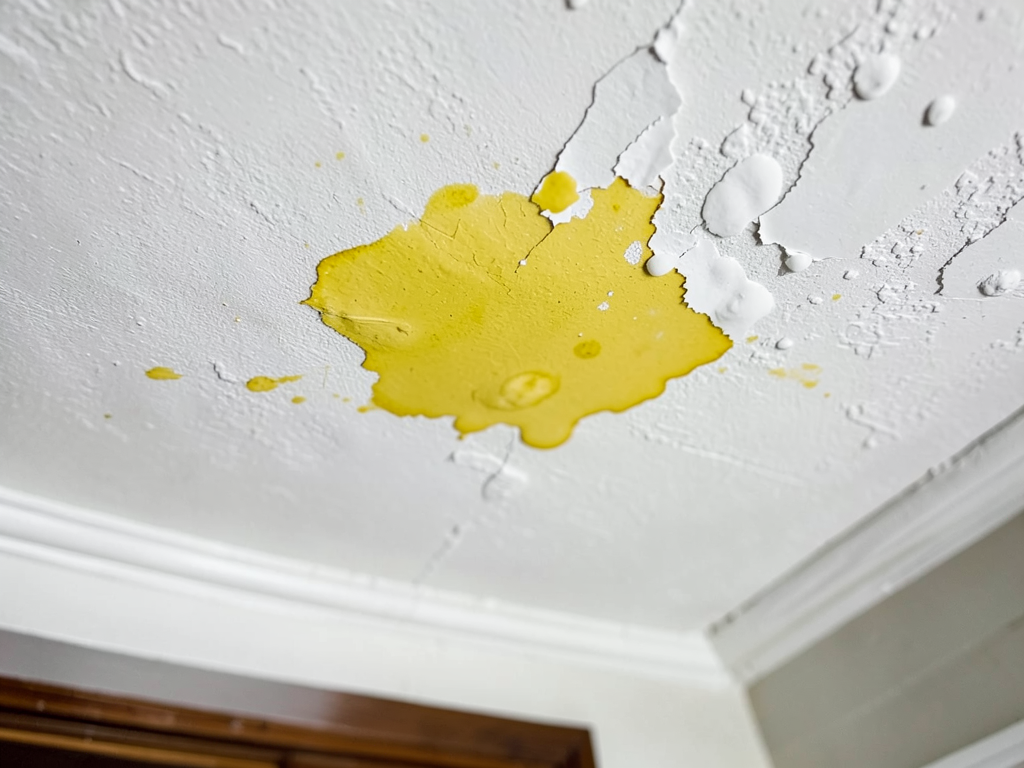
When to Call a Pro for That Small Water Stain on Your Sherman Park Plaster Ceiling That small yellowish-brown spot on your Sherman Park plaster ceiling is more than just an eyesore. It is a…
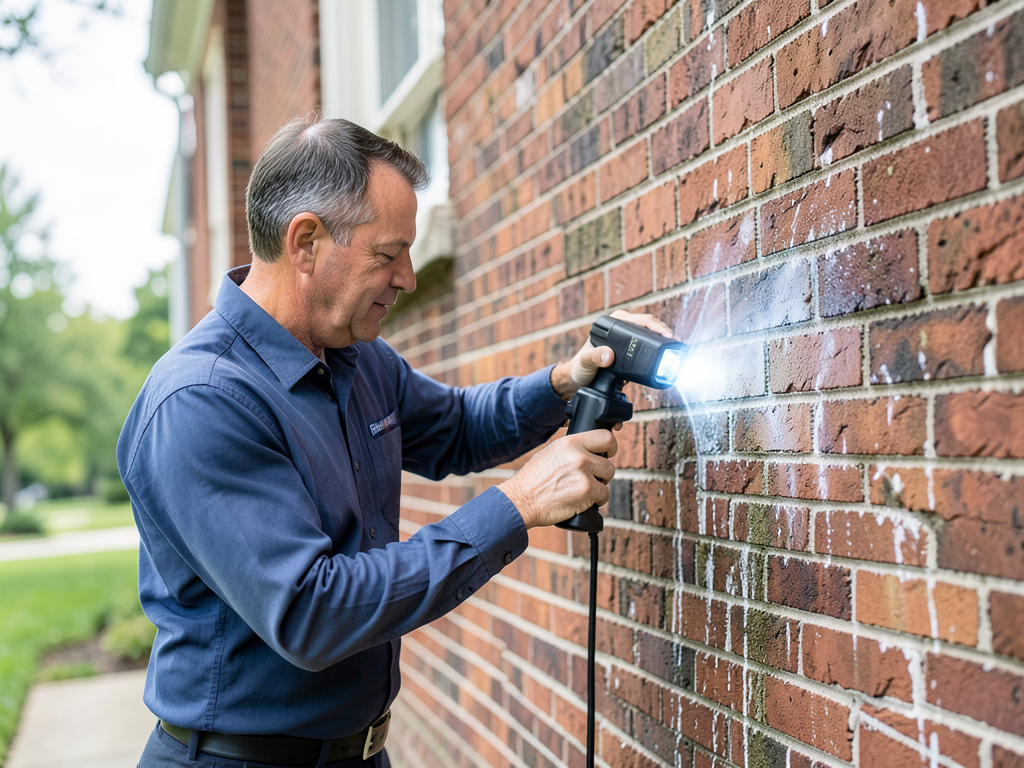
Preventing Moisture Buildup in the Historic Mansions of Cold Spring Park Historic mansions in Cold…

How to Clean Up After a Commercial Beverage Line Leak in a Milwaukee Bar or…
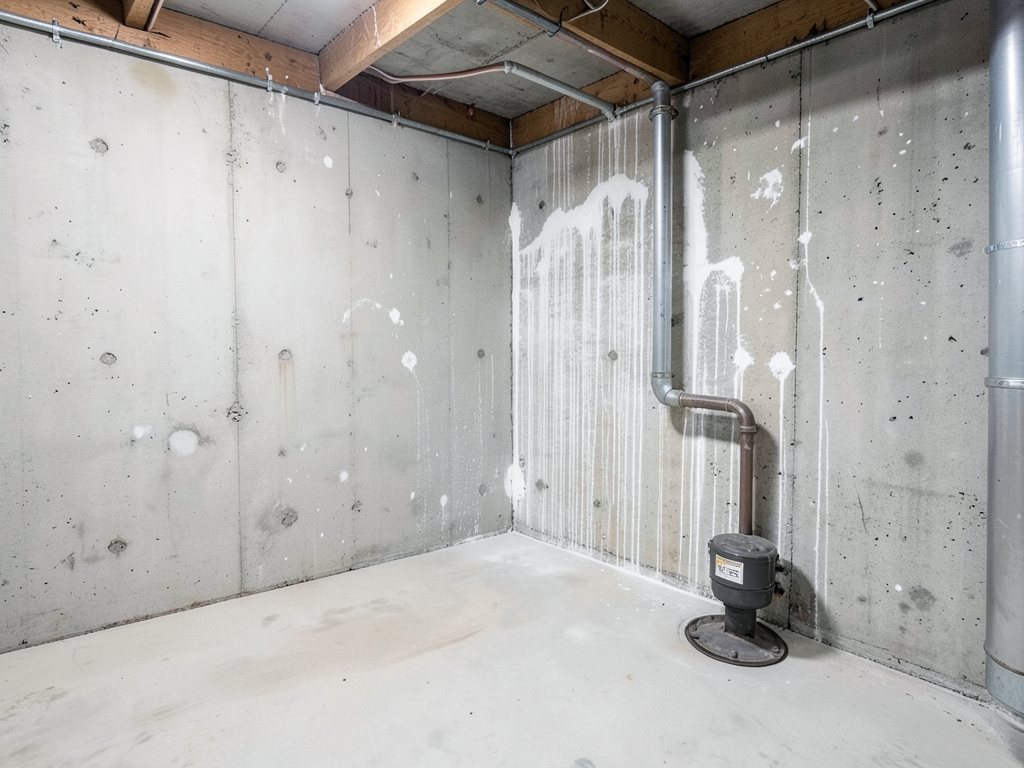
Your Cudahy Basement Still Feels Damp? Here’s Why If your basement feels damp even though…