
Preventing Moisture Buildup in the Historic Mansions of Cold Spring Park
Historic mansions in Cold Spring Park face unique moisture challenges due to their age, construction materials, and Milwaukee’s climate. These grand estates built between 1880 and 1930 feature Cream City brick foundations, ornate plaster ceilings, and original hardwood floors that require specialized care to prevent slow water damage. The combination of Lake Michigan humidity, freeze-thaw cycles, and aging infrastructure creates a perfect storm for moisture intrusion that can devastate these architectural treasures. Emergency Water Removal Services for Bay View Homeowners and Business Owners.
Why Milwaukee’s Historic Architecture Requires Specialized Water Mitigation
Cold Spring Park mansions were built during Milwaukee’s industrial boom when craftsmanship meant using old-growth timber, lime-based mortar, and porous masonry. These materials breathe differently than modern construction. Cream City brick, named for Milwaukee’s distinctive cream-colored clay, absorbs moisture like a sponge and releases it slowly. When modern sealants trap this moisture, they cause spalling and structural damage. The freeze-thaw cycle common to Milwaukee winters forces water trapped in brick to expand and contract, creating microscopic fractures that widen each year. Restoring Water Damaged Offices and Lofts in the Historic Third Ward.
Many Cold Spring Park homes sit on clay-rich soil that retains water near foundations. During spring thaws, hydrostatic pressure pushes water through basement walls. The original drainage systems in these mansions often fail because they were designed for a different era of rainfall patterns and water usage. Without proper maintenance, these systems become overwhelmed during heavy storms, leading to basement flooding and foundation damage. Water Damage Restoration South Milwaukee.
Common Vulnerabilities in Local Victorian and Tudor Revival Homes
The Porosity of Cream City Brick and Foundation Maintenance
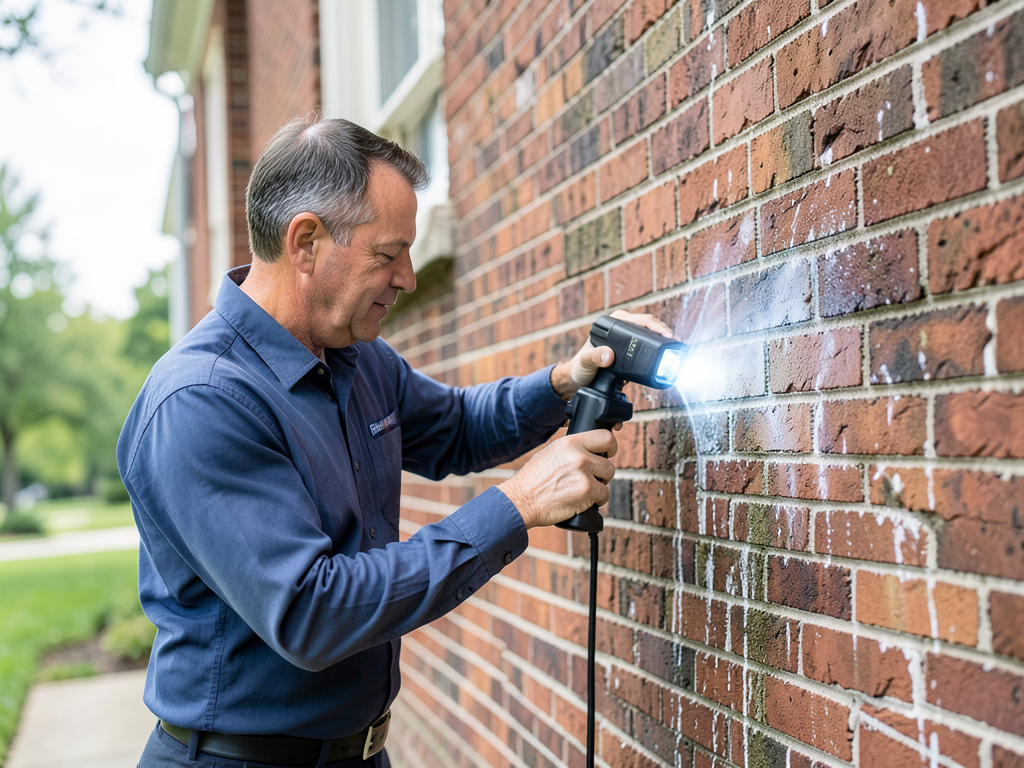
Cream City brick requires a different approach than modern masonry. The brick’s high porosity means it needs to breathe. When homeowners apply modern waterproofing without understanding this, they trap moisture inside walls. This creates efflorescence – white mineral deposits that signal trapped water. Over time, this trapped moisture causes brick faces to flake off, mortar joints to deteriorate, and interior walls to develop mold.
Foundation maintenance for these homes involves more than just sealing cracks. The original fieldstone foundations in many Cold Spring Park mansions settle differently than poured concrete. Settlement creates gaps where water enters during heavy rains. These gaps often appear near window wells, where original drainage has failed, or where tree roots have displaced foundation stones.. Read more about Why Lannon Stone Foundations in Whitefish Bay Are Prone to Seepage.
Protecting Ornate Plaster Ceilings and Original Hardwoods
Water damage to plaster ceilings often starts invisibly. Small roof leaks or condensation in attic spaces allow moisture to seep into lath and plaster. Unlike drywall, plaster ceilings crack and bulge when water-damaged. The horsehair reinforcement in historic plaster becomes brittle and loses adhesion. By the time visible damage appears, the structural integrity is already compromised.
Original hardwood floors in these mansions were installed over crawl spaces or basements with minimal insulation. During humid summers, moisture rises through the subfloor. Without proper vapor barriers, this moisture causes hardwood to cup, creating an uneven surface that traps more water. Winter heating then dries these cupped boards, causing permanent warping.
Proactive Prevention Checklist for Milwaukee Homeowners
Preventing moisture damage in Cold Spring Park mansions requires seasonal attention. Spring maintenance should focus on drainage systems. Clear gutters and downspouts of winter debris. Test sump pumps by pouring water into the pit – they should activate automatically. Check that downspouts extend at least six feet from foundations.
Summer preparation involves inspecting roof flashing around chimneys and dormers. These areas often use original lead or copper flashing that deteriorates over decades. Replace damaged flashing before summer storms hit. Check attic ventilation – poor ventilation causes condensation that drips onto insulation and ceiling joists. EPA Mold Guidelines.
Fall maintenance should address ice dam prevention. Clean gutters thoroughly to prevent ice buildup. Consider installing heat cables in problem areas. Inspect exterior paint – peeling paint allows water to penetrate wood siding. Fall is also the time to test basement humidity levels with a hygrometer. Levels above 60% indicate ventilation problems.
Winter preparation focuses on freeze protection. Insulate exposed pipes in unheated areas like crawl spaces and attics. Know where your main water shutoff valve is located. Keep cabinet doors under sinks open during extreme cold to allow warm air circulation.
Modern Tech vs. Historic Integrity: Smart Leak Detection and Non-Invasive Drying
Today’s smart home technology offers mansion owners unprecedented protection without compromising historic character. Wireless moisture sensors placed near water heaters, washing machines, and in basements can alert homeowners to leaks within minutes. These systems integrate with smartphone apps, allowing remote monitoring of vacation properties.
Non-invasive drying techniques preserve original materials while addressing water damage. Low-grain refrigerant dehumidifiers remove moisture without creating temperature differentials that stress historic plaster. Directed airflow systems can dry wall cavities through existing access points without removing plaster walls.
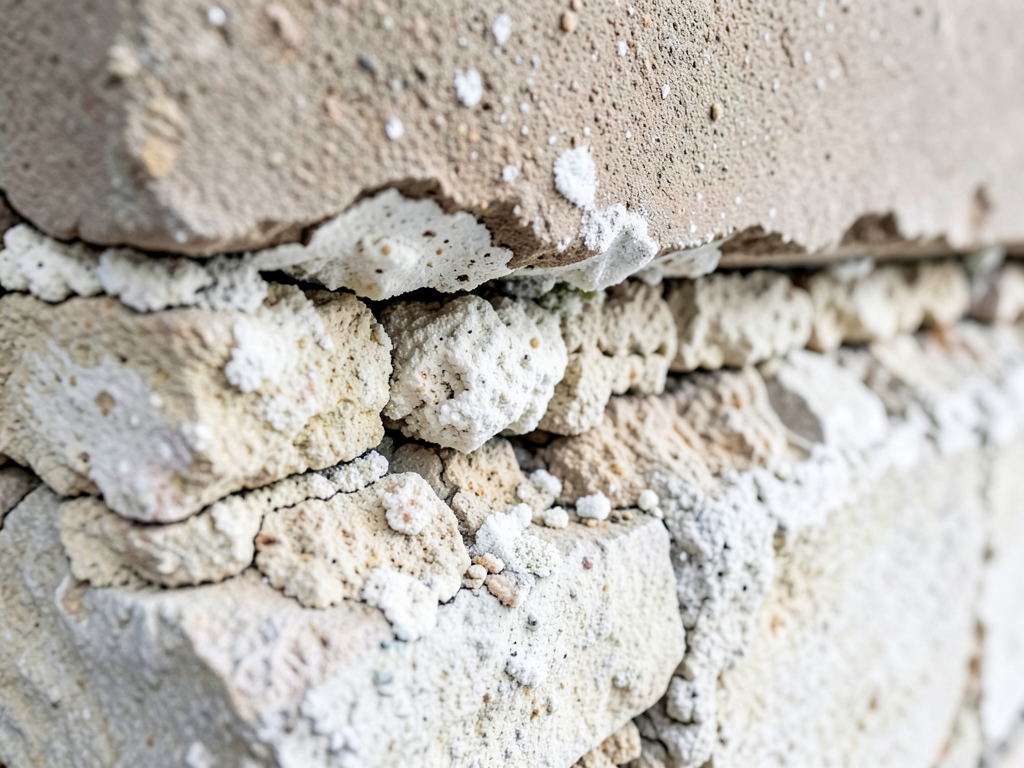
Thermal imaging cameras help identify hidden moisture without destructive testing. These cameras detect temperature differences caused by wet materials, allowing technicians to pinpoint problem areas behind walls or under floors. This technology is particularly valuable in mansions where original materials cannot be easily replaced. Signs of Hidden Mold.
Navigating Milwaukee Building Codes for Historic Restoration
Milwaukee’s Historic Preservation Code requires special permits for exterior modifications to properties in historic districts. The Milwaukee Historic Preservation Commission reviews plans to ensure changes maintain architectural integrity. For moisture prevention projects, this means traditional materials and methods often take precedence over modern alternatives.
The Wisconsin Uniform Dwelling Code allows exceptions for historic buildings when modern code requirements would damage historic fabric. For example, required vapor barriers might be omitted if they would trap moisture in old-growth wood framing. Understanding these exceptions requires working with contractors familiar with both historic preservation and modern building science.
Foundation waterproofing in historic homes must balance code compliance with material preservation. The International Residential Code requires specific waterproofing methods, but these can damage historic masonry. Experienced contractors know when to use traditional lime-based mortars versus modern hydraulic cements.
Seasonal Maintenance Calendar for Cold Spring Park Mansions
- Early Spring (March-April)
Inspect roof for winter damage, clean gutters, test sump pumps, check basement for spring flooding signs.
- Late Spring (May-June)
Examine exterior for peeling paint, check foundation grading, test humidity levels, inspect attic ventilation.
- Summer (July-August)
Monitor indoor humidity, check for condensation on windows, inspect crawl space vents, test dehumidifier function.
- Early Fall (September-October)
Clean gutters again, inspect roof flashing, check weatherstripping, prepare heating system for winter.
- Late Fall (November-December)
Insulate exposed pipes, check attic insulation, inspect exterior for gaps, test emergency shutoff valves.
- Winter (January-February)
Monitor for ice dams, check for frozen pipes, maintain consistent indoor temperature, inspect basement for condensation.
Case Study: Successful Prevention in a North Shore Victorian
A 1904 Tudor Revival in the North Shore area experienced recurring basement flooding during spring thaws. The original clay tile drainage system had collapsed in several areas. Rather than excavating the entire foundation, technicians used ground-penetrating radar to map the drainage system. They then installed a modern interior drainage system connected to a redundant sump pump setup.
The project preserved the historic fieldstone foundation while providing modern moisture protection. The redundant sump pumps include a battery backup system that activates during power outages. Since installation, the basement has remained dry even during record rainfall events.
This approach demonstrates how modern technology can protect historic structures without compromising their character. The key is understanding both the building’s original construction methods and current moisture science.
Frequently Asked Questions
How can I tell if my historic mansion has hidden moisture problems?
Look for musty odors, peeling wallpaper, bubbling paint, or white mineral deposits on basement walls. Use a moisture meter on suspicious areas. Professional thermal imaging can reveal hidden moisture behind walls. Professional Mold Remediation for Families in Mequon and Thiensville.
Will waterproofing my basement damage historic materials?
Traditional waterproofing methods can damage historic masonry. Modern interior drainage systems and exterior excavation with proper material matching preserve historic character while solving moisture problems.
How often should I inspect my historic home’s moisture barriers?
Conduct thorough inspections twice yearly – spring and fall. Check gutters quarterly. Monitor basement humidity monthly. Address any issues immediately to prevent escalation.
Can smart home technology help protect my historic mansion?
Yes. Wireless moisture sensors, smart thermostats, and remote monitoring systems can alert you to problems before they cause major damage. These systems integrate seamlessly with historic architecture.
What should I do if I discover water damage in my historic home?
Contact a restoration company experienced with historic properties immediately. Quick response prevents further damage. Document everything for insurance purposes. Avoid DIY repairs that might worsen the problem.
Protecting your Cold Spring Park mansion from moisture damage requires understanding its unique construction, Milwaukee’s climate challenges, and modern prevention technology. The investment in proper maintenance preserves not just your property value but also a piece of Milwaukee’s architectural heritage.
Don’t wait for water damage to become visible. Call (414) 392-1771 today to schedule your comprehensive moisture inspection. Our team specializes in preserving historic Milwaukee mansions while implementing modern protection systems that respect your home’s character.
Pick up the phone and call (414) 392-1771 before the next storm hits. Your mansion deserves expert care from professionals who understand both historic preservation and modern moisture science. For more information, visit IICRC Standards.
{
“@context”: “https://schema.org”,
“@type”: “BlogPosting”,
“headline”: “Preventing Moisture Buildup in the Historic Mansions of Cold Spring Park”,
“description”: “Protect your Cold Spring Park mansion from hidden water damage. Learn expert prevention strategies for Cream City brick, lath and plaster, and historic foundations.”,
“wordCount”: 1550,
“datePublished”: “2026-06-12T15:23:00.000Z”,
“dateModified”: “2026-06-12T15:23:00.000Z”,
“inLanguage”: “en-US”,
“mainEntityOfPage”: {
“@type”: “WebPage”,
“@id”: “https://allprowaterdamagerestorationmilwaukee.com”
},
“publisher”: {
“@type”: “LocalBusiness”,
“name”: “All Pro Water Damage Restoration Milwaukee”,
“url”: “https://allprowaterdamagerestorationmilwaukee.com”
},
“author”: {
“@type”: “Organization”,
“name”: “All Pro Water Damage Restoration Milwaukee”,
“url”: “https://allprowaterdamagerestorationmilwaukee.com”
},
“image”: {
“@type”: “ImageObject”,
“url”: “https://allprowaterdamagerestorationmilwaukee.com/wp-content/uploads/2026/03/preventing-moisture-buildup-in-the-historic-mansio-1.png”
}
}
{
“@context”: “https://schema.org”,
“@type”: “LocalBusiness”,
“name”: “All Pro Water Damage Restoration Milwaukee”,
“url”: “https://allprowaterdamagerestorationmilwaukee.com”,
“address”: {
“@type”: “PostalAddress”,
“addressLocality”: “Milwaukee”
},
“areaServed”: {
“@type”: “City”,
“name”: “Milwaukee”
}
}
{
“@context”: “https://schema.org”,
“@type”: “FAQPage”,
“mainEntity”: [
{
“@type”: “Question”,
“name”: “How can I tell if my historic mansion has hidden moisture problems?”,
“acceptedAnswer”: {
“@type”: “Answer”,
“text”: “Look for musty odors, peeling wallpaper, bubbling paint, or white mineral deposits on basement walls. Use a moisture meter on suspicious areas. Professional thermal imaging can reveal hidden moisture behind walls. Professional Mold Remediation for Families in Mequon and Thiensville.”
}
},
{
“@type”: “Question”,
“name”: “Will waterproofing my basement damage historic materials?”,
“acceptedAnswer”: {
“@type”: “Answer”,
“text”: “Traditional waterproofing methods can damage historic masonry. Modern interior drainage systems and exterior excavation with proper material matching preserve historic character while solving moisture problems.”
}
},
{
“@type”: “Question”,
“name”: “How often should I inspect my historic home’s moisture barriers?”,
“acceptedAnswer”: {
“@type”: “Answer”,
“text”: “Conduct thorough inspections twice yearly – spring and fall. Check gutters quarterly. Monitor basement humidity monthly. Address any issues immediately to prevent escalation.”
}
},
{
“@type”: “Question”,
“name”: “Can smart home technology help protect my historic mansion?”,
“acceptedAnswer”: {
“@type”: “Answer”,
“text”: “Yes. Wireless moisture sensors, smart thermostats, and remote monitoring systems can alert you to problems before they cause major damage. These systems integrate seamlessly with historic architecture.”
}
},
{
“@type”: “Question”,
“name”: “What should I do if I discover water damage in my historic home?”,
“acceptedAnswer”: {
“@type”: “Answer”,
“text”: “Contact a restoration company experienced with historic properties immediately. Quick response prevents further damage. Document everything for insurance purposes. Avoid DIY repairs that might worsen the problem.”
}
}
]
}
{
“@context”: “https://schema.org”,
“@type”: “HowTo”,
“name”: “Seasonal Maintenance Calendar”,
“step”: [
{
“@type”: “HowToStep”,
“position”: 1,
“name”: “Early Spring (March-April)”,
“text”: “Inspect roof for winter damage, clean gutters, test sump pumps, check basement for spring flooding signs.”
},
{
“@type”: “HowToStep”,
“position”: 2,
“name”: “Late Spring (May-June)”,
“text”: “Examine exterior for peeling paint, check foundation grading, test humidity levels, inspect attic ventilation.”
},
{
“@type”: “HowToStep”,
“position”: 3,
“name”: “Summer (July-August)”,
“text”: “Monitor indoor humidity, check for condensation on windows, inspect crawl space vents, test dehumidifier function.”
},
{
“@type”: “HowToStep”,
“position”: 4,
“name”: “Early Fall (September-October)”,
“text”: “Clean gutters again, inspect roof flashing, check weatherstripping, prepare heating system for winter.”
},
{
“@type”: “HowToStep”,
“position”: 5,
“name”: “Late Fall (November-December)”,
“text”: “Insulate exposed pipes, check attic insulation, inspect exterior for gaps, test emergency shutoff valves.”
},
{
“@type”: “HowToStep”,
“position”: 6,
“name”: “Winter (January-February)”,
“text”: “Monitor for ice dams, check for frozen pipes, maintain consistent indoor temperature, inspect basement for condensation.”
}
],
“image”: “https://allprowaterdamagerestorationmilwaukee.com/wp-content/uploads/2026/03/preventing-moisture-buildup-in-the-historic-mansio-1.png”
}
{
“@context”: “https://schema.org”,
“@type”: “BreadcrumbList”,
“itemListElement”: [
{
“@type”: “ListItem”,
“position”: 1,
“name”: “Home”,
“item”: “https://allprowaterdamagerestorationmilwaukee.com”
},
{
“@type”: “ListItem”,
“position”: 2,
“name”: “Blog”,
“item”: “https://allprowaterdamagerestorationmilwaukee.com/blog”
},
{
“@type”: “ListItem”,
“position”: 3,
“name”: “Preventing Moisture Buildup in the Historic Mansions of Cold Spring Park”
}
]
}
{
“@context”: “https://schema.org”,
“@type”: “Service”,
“serviceType”: “Water Damage Restoration”,
“provider”: {
“@type”: “LocalBusiness”,
“name”: “All Pro Water Damage Restoration Milwaukee”,
“url”: “https://allprowaterdamagerestorationmilwaukee.com”
},
“areaServed”: {
“@type”: “City”,
“name”: “Milwaukee”
},
“description”: “Protect your Cold Spring Park mansion from hidden water damage. Learn expert prevention strategies for Cream City brick, lath and plaster, and historic foundations.”
}