


Shorewood's location along Lake Michigan creates constant moisture pressure that few inland communities face. Homes east of Oakland Avenue deal with lake-effect humidity that never fully dissipates, keeping basements damp year-round. The village's aging housing stock includes hundreds of homes built between 1920 and 1950 with stone foundations that absorb groundwater like sponges. When spring thaw hits, the clay-heavy soil common throughout Milwaukee County expands and contracts, cracking foundation walls and creating entry points for water intrusion.
Winter freezing compounds these issues. Shorewood sees temperatures drop below 20 degrees for weeks at a time, freezing pipes in exterior walls and unheated crawl spaces. Homes near the river valleys running through the village face additional flood risk during heavy rain events. The village's combined sewer system can overwhelm during storms, backing sewage into lower-level drains. These factors mean Shorewood homeowners face water damage from multiple vectors, requiring restoration teams familiar with lakefront moisture dynamics, historical construction methods, and Wisconsin's aggressive freeze-thaw cycles.
We built our reputation in Shorewood by arriving fast and staying until the job is done right. Most restoration companies dispatch from distant suburbs, adding 30 to 60 minutes to response time while water spreads through your floors and walls. Our staging locations throughout Milwaukee County mean we reach Shorewood addresses in under 90 minutes, often faster. Speed matters because water damage doubles in severity for every hour of delay.
Our crews train specifically on the challenges Shorewood homes present. We understand how to dry stone foundations without trapping moisture, how to work around knob-and-tube wiring common in older homes, and how to navigate the village's permit requirements for structural repairs. Every technician holds IICRC Water Damage Restoration certification and completes annual training on thermal imaging, moisture mapping, and antimicrobial application.
We handle insurance coordination from first call to final payment. Our estimators photograph and document damage using Xactimate software that adjusters trust, eliminating the back-and-forth disputes that delay repairs. We bill directly to your carrier after you pay only your deductible. For properties requiring temporary housing during drying, we manage the claim paperwork and arrange accommodations.
Shorewood families choose us because we answer the phone at 2 AM, arrive with the right equipment, and complete drying within industry timelines. We do not subcontract work or disappear after extraction. One team handles your entire restoration from water removal through final reconstruction.


Water intrusion takes many forms and each requires specific equipment and protocols. A burst pipe floods differently than a sewage backup. Storm water contains different contaminants than supply line leaks. All Pro Water Damage Restoration Milwaukee deploys the right response for every water emergency affecting Shorewood homes and businesses.
Our service range covers the complete spectrum from initial emergency response through final reconstruction. We extract standing water with truck-mounted pumps capable of removing thousands of gallons per hour. Industrial dehumidifiers and air movers create airflow patterns that dry structural materials within three to five days. Antimicrobial treatments prevent mold growth in affected areas. Once drying completes, our reconstruction crews rebuild damaged spaces to pre-loss condition or better.
Every water damage scenario falls into three broad categories based on contamination level and structural impact. Understanding these categories helps property owners know what to expect during restoration. Emergency extraction focuses on stopping active water intrusion and removing standing water before it spreads. Structural drying addresses hidden moisture in walls, floors, and ceilings using specialized detection and drying equipment. Full restoration rebuilds spaces damaged beyond surface cleaning, replacing materials that cannot be salvaged.
Shorewood's housing characteristics create predictable water damage patterns. The village's proximity to Lake Michigan means basements rarely stay completely dry. Homes built before 1960 often lack adequate drainage systems, and many still have original cast iron drain pipes that corrode from the inside out. Winter temperatures that drop below zero for weeks freeze pipes in exterior walls and unheated spaces. Spring thaw brings rapid snowmelt that overwhelms aging sump pumps and foundation drainage systems.
Understanding these common scenarios helps homeowners recognize problems early and respond before minor leaks become major restoration projects. Water damage that gets addressed within the first 24 hours typically limits itself to surface materials. Delays beyond 48 hours allow moisture to penetrate deep into structural materials where mold growth begins and wood deterioration accelerates. These are the water damage situations we respond to most frequently in Shorewood properties.
Water damage restoration follows a systematic approach developed by the IICRC and proven effective across thousands of projects. This process ensures thorough drying, prevents secondary damage like mold growth, and restores properties to pre-loss condition.
Professional water damage restoration in Wisconsin follows specific technical standards that govern drying timelines, moisture measurement, and antimicrobial application. The Institute of Inspection Cleaning and Restoration Certification publishes the S500 Standard for Professional Water Damage Restoration, which serves as the industry benchmark for proper methodology. Insurance adjusters, building inspectors, and restoration professionals reference this standard when evaluating water damage projects.
The S500 standard classifies water damage by contamination level and evaporation load. Category 1 water originates from sanitary sources like supply lines and poses no substantial health risk. Category 2 water contains contamination that could cause discomfort or illness if contacted, such as washing machine discharge. Category 3 water is grossly contaminated and contains pathogenic agents, including sewage and flooding from rivers or lakes. Each category requires specific handling protocols and personal protective equipment.
Class of loss determines drying difficulty based on how much water was released and what materials absorbed it. Class 1 affects only part of a room with minimal absorption into materials. Class 4 involves specialty drying situations like hardwood floors, plaster, or stone that require extended drying times and low-grain refrigerant dehumidification. Shorewood's older homes often fall into Class 3 or 4 due to plaster walls and hardwood floors that absorb significant moisture.
Wisconsin building codes require permits for reconstruction work exceeding $5,000 in value. Our teams pull necessary permits and coordinate inspections with the Village of Shorewood building department. Electrical and plumbing work requires licensed tradespeople. We employ Wisconsin-licensed electricians and plumbers who understand state code requirements for materials and methods. Structural modifications require engineered plans and approval before construction begins.
Mold prevention depends on rapid response and thorough drying. The EPA and IICRC recommend beginning water extraction within 24 hours and completing structural drying within three to five days to prevent mold growth. Once mold establishes, remediation requires containment, HEPA filtration, and antimicrobial treatment following the IICRC S520 Standard for Professional Mold Remediation. Prevention through proper drying remains far more effective and less expensive than remediation after growth occurs.
All Pro Water Damage Restoration Milwaukee serves every neighborhood throughout Shorewood with the same rapid response and expert service. Our staging locations throughout Milwaukee County ensure we reach addresses from the lakefront east of Lake Drive to the western residential areas near Oakland Avenue in under 90 minutes, often faster for emergency situations.
The historic neighborhoods east of Oakland Avenue contain Shorewood's oldest housing stock, with homes built in the 1920s and 1930s featuring stone foundations and original plumbing systems. These homes face unique restoration challenges when water damage occurs, requiring technicians familiar with plaster walls, hardwood floors, and knob-and-tube electrical systems. We have extensive experience working in Capitol Drive area homes where basements carved from clay soil experience chronic moisture pressure from Lake Michigan's proximity. Our crews understand how to dry these spaces without trapping moisture in porous stone foundations.
Properties along the lake bluff east of Lake Drive face different challenges. Lake-effect weather patterns create humidity levels that rarely drop below 60 percent, even in winter. Basements in this area require aggressive dehumidification to reach dry standard after water events. Storm damage from lake-driven weather represents a frequent restoration need here, with wind-driven rain penetrating through older windows and roof systems. We respond to flooding from overwhelmed drainage systems when severe weather dumps inches of rain in short periods.
The neighborhoods near Capitol Drive and Oakland Avenue include a mix of single-family homes and multi-unit properties. Apartment buildings and duplexes require careful coordination during restoration to minimize disruption to tenants while ensuring thorough drying of shared walls and common spaces. We work with property managers and landlords throughout this area to address water damage quickly and restore units to habitable condition within days, not weeks.
Shorewood's commercial corridor along Oakland Avenue requires specialized response for retail spaces, restaurants, and office buildings where water damage threatens inventory and business operations. We provide emergency services that prioritize business continuity, extracting water and beginning drying within hours to minimize downtime. Commercial properties often need work performed outside business hours to avoid disrupting operations. Our crews accommodate these schedules and complete restoration with minimal impact to daily business.
The residential areas near Hubbard Park and Atwater Beach include many homes with finished basements vulnerable to flooding during heavy rain events. Spring thaw brings rapid snowmelt that overwhelms sump pumps and foundation drainage systems throughout this area. We respond to dozens of flooded basements each spring, extracting water and drying finished spaces before mold growth begins in carpeting, drywall, and stored belongings.
All Pro Water Damage Restoration Milwaukee is proud to serve the entire Milwaukee metropolitan area and surrounding communities, bringing our fast, professional, and reliable services directly to your residential or commercial location. While we are a mobile, 24/7 rapid-response team, you can use the map below to visualize our service area and confirm our commitment to local expertise. We are always ready to dispatch certified technicians to your exact location to provide immediate, expert water damage help.
Address:
Shorewood, WI, 53211

Warning Signs Your Hartford Windows Are Leaking Inside the Walls Water creeping behind your window frames isn’t just an aesthetic problem—it’s a structural threat that can silently destroy your Hartford home’s integrity. The first warning…
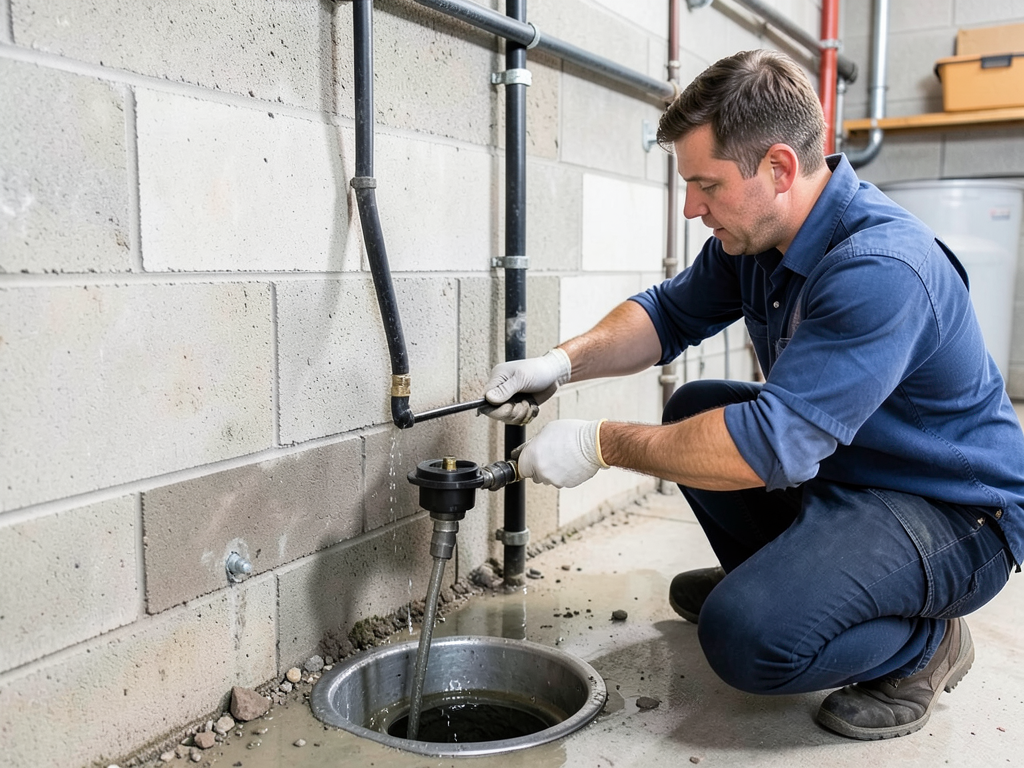
What Every Hartland Homeowner Should Know About Hydrostatic Pressure and Basement Seepage Water seeping through…
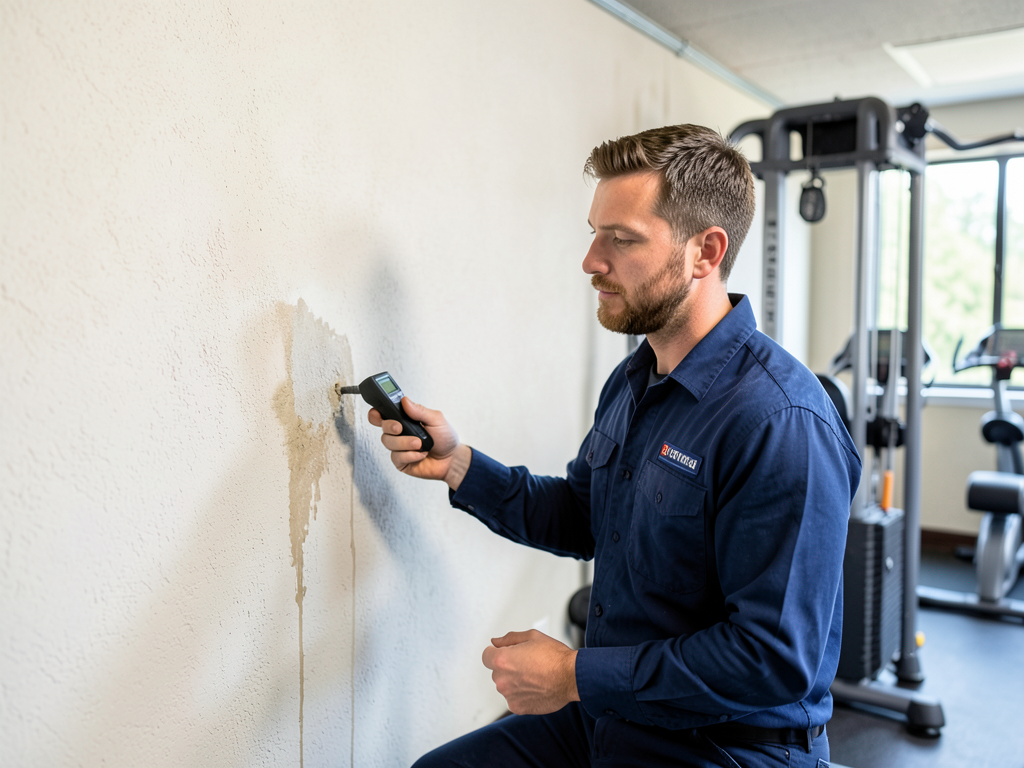
Protecting Your High-End Home Gym Equipment from Basement Moisture in Yankee Hill Your basement gym…
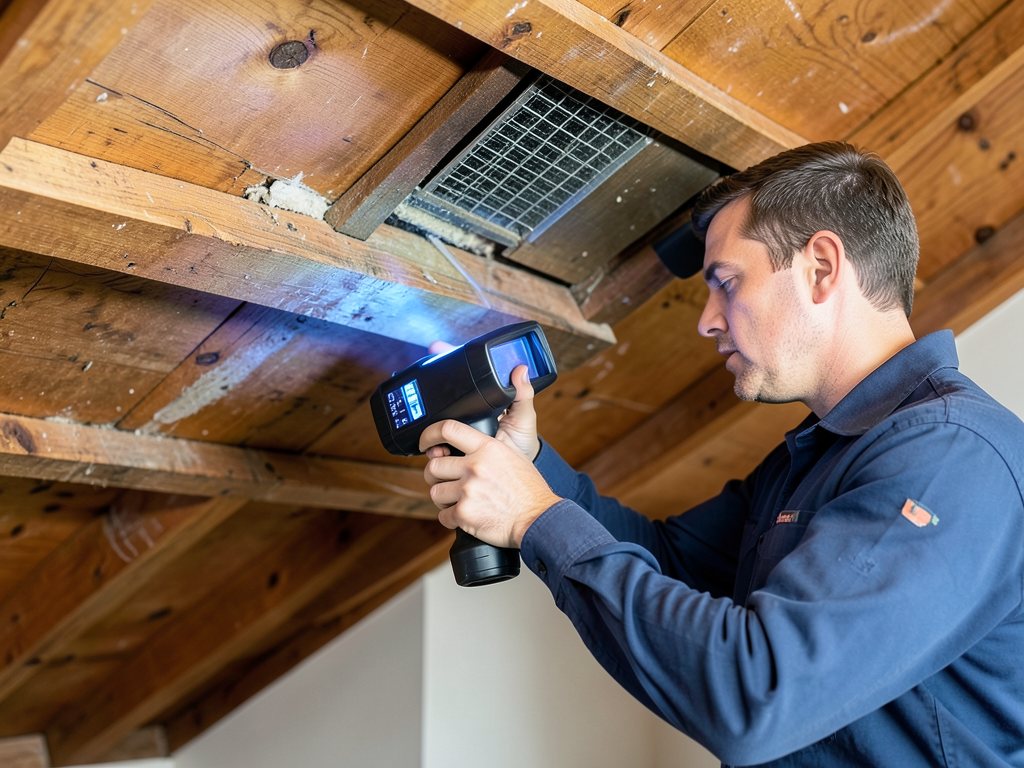
Why Your Roof Vents Might Be Leaking During a Heavy Grafton Rainstorm When heavy rain…