menu
Slider Image 1
Slider Image 2
Slider Image 3
Slider Image 4
Slider Image 5
Slider Image 7
Slider Image 8
Slider Image 9
Slider Image 10
Slider Image 11

Why Brown Deer Homes Face Unique Water Damage Risks

Brown Deer sits in Milwaukee County where clay soil composition creates drainage challenges that homeowners battle year-round. The village's proximity to the Milwaukee River and Brown Deer Creek means many properties sit in zones where groundwater tables rise during spring thaw and heavy rain events. Older neighborhoods near Deerwood and Westbury feature homes built in the 1950s and 1960s with aging cast iron plumbing that corrodes from the inside, causing sudden pipe failures without warning.

Wisconsin's brutal freeze-thaw cycles put extreme stress on foundations and plumbing systems. When temperatures drop below zero in January and February, then spike back to 40 degrees, ice dams form on roofs and pipes burst in crawl spaces. The village's mature tree canopy, while beautiful, contributes to basement flooding when root systems compromise sewer laterals and storm drains. Brown Deer's municipal separate storm sewer system means basement backups during heavy rainfall can overwhelm older homes not equipped with backwater valves. These geographic and infrastructure factors make rapid water damage response not just important, but essential to preventing permanent structural damage and toxic mold growth in your home.

About Us

Why Brown Deer Trusts All Pro Water Damage Restoration Milwaukee

We've served Brown Deer and the greater Milwaukee area since our founding, responding to thousands of water emergencies across every neighborhood from Bradley Estates to the homes near Brown Deer Park. Our technicians know the difference between a sump pump failure in a Deerwood basement and storm surge flooding near the Milwaukee River because we've handled both scenarios dozens of times. That local knowledge means we arrive with the right equipment the first time, not after multiple trips.

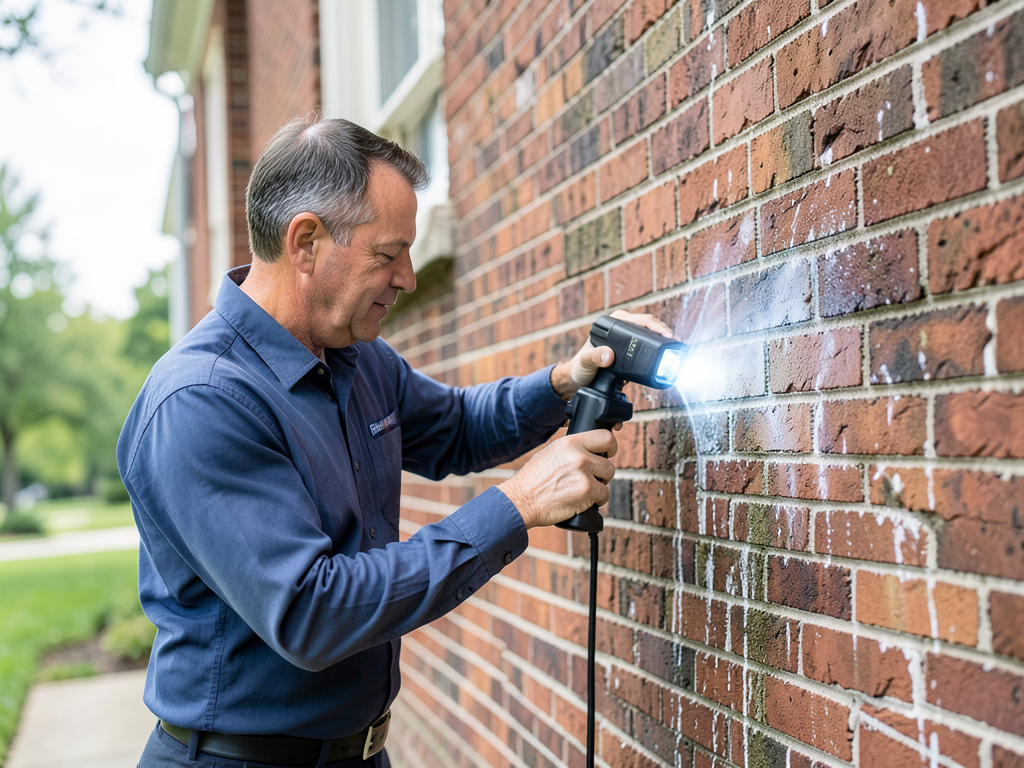
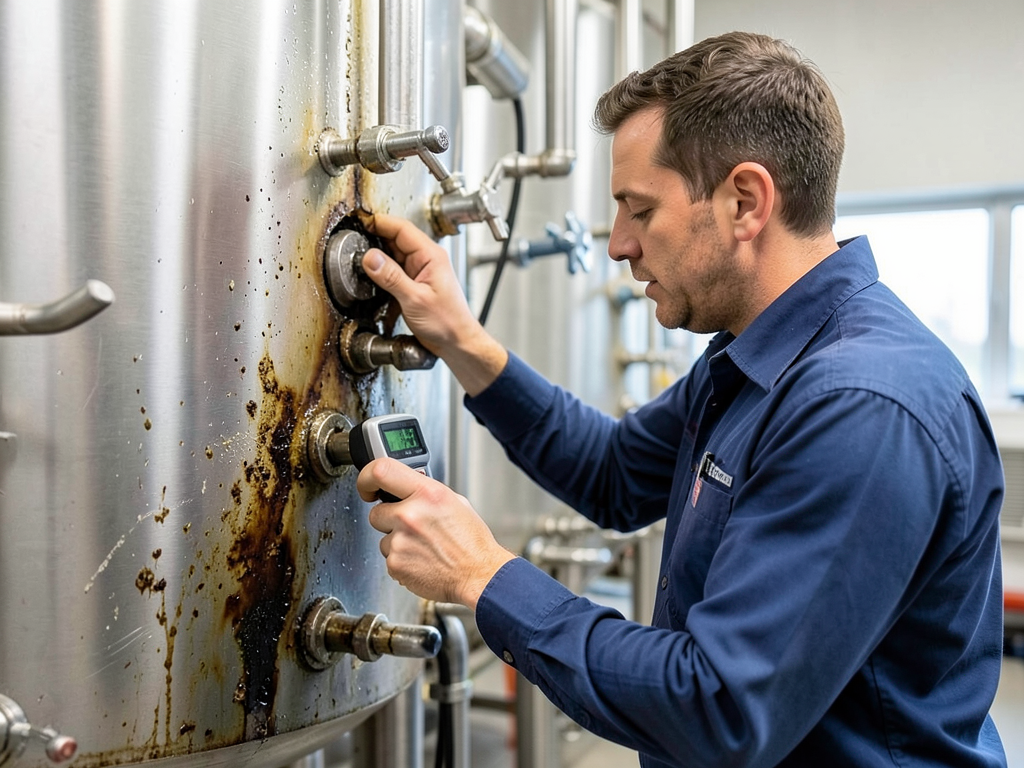
Our IICRC certified crews use truck-mounted extraction units that remove standing water three times faster than portable equipment, which matters when you're racing against mold growth timelines. We deploy thermal imaging cameras to detect hidden moisture in wall cavities and subfloors that homeowners can't see but that causes hidden damage for months. Every project gets monitored with digital moisture meters until readings confirm your property has returned to dry standard, not just when it looks dry to the eye.

We maintain direct billing relationships with every major insurance carrier serving Brown Deer. That means we handle the entire claims process, document everything with photo evidence, and fight for the full scope of work your policy covers. You won't spend hours on hold with adjusters or wonder if you're getting what you paid premiums for. Our estimators know exactly what Wisconsin insurance policies cover for water damage remediation, and we make sure you receive it. When your home floods at 2 AM, you need a company that answers the phone, arrives fast, and handles the disaster professionally from start to finish.


60-Minute Emergency Response

Our Brown Deer dispatch team mobilizes crews within 60 minutes of your call, 24 hours a day, 365 days a year. We stage equipment across Milwaukee County so technicians arrive prepared for immediate water extraction, not just assessment. Every hour of delay increases damage exponentially, which is why we treat every call as the emergency it is.

IICRC Certified Technicians

Every technician on our crews holds current IICRC Water Damage Restoration certification and completes ongoing training in structural drying science, microbial remediation, and moisture detection technology. We follow Institute of Inspection Cleaning and Restoration Certification standards for every project, which means your restoration is performed to national industry benchmarks, not guesswork.

Direct Insurance Billing

We work directly with your insurance company from first contact through final payment. Our estimators document every aspect of damage with digital photos, moisture readings, and detailed scope reports that adjusters accept without dispute. You won't pay out of pocket and wait for reimbursement. We handle the paperwork so you can focus on getting your home back.

Brown Deer Focused

We know Brown Deer's neighborhoods, understand the village's drainage issues, and have relationships with local plumbers and contractors for comprehensive repairs. Our crews have worked in hundreds of Brown Deer homes and know the construction patterns, basement configurations, and infrastructure challenges specific to this community. That local expertise translates to faster, more effective restoration.

Our Services

Complete Water Damage Services Across Brown Deer

All Pro Water Damage Restoration Milwaukee provides comprehensive water damage remediation from initial emergency response through final reconstruction. We don't just extract standing water and leave you with wet drywall and soaked insulation. Our teams handle the entire restoration process including structural drying, mold prevention, content pack-out and storage, and complete rebuild services to return your home to pre-loss condition.

Every water damage project follows a systematic approach based on the source of water, extent of saturation, and materials affected. A clean water supply line break requires different protocols than a sewage backup or river flooding. We categorize water damage correctly, apply appropriate antimicrobial treatments, and follow proven drying procedures that prevent secondary damage. Our service range covers everything from small bathroom floods to whole-house disasters requiring months of reconstruction. Whether you're dealing with a burst washing machine hose or catastrophic storm flooding, we have the equipment, training, and experience to restore your property correctly the first time.

Rapid Water Extraction and Damage Mitigation

When water invades your Brown Deer home, every minute increases damage to flooring, drywall, and structural materials. Our emergency water removal service deploys truck-mounted extractors and high-capacity pumps to remove standing water immediately, followed by industrial air movers and commercial dehumidifiers to begin the drying process. We respond 24/7 to burst pipes, appliance failures, sump pump floods, and storm damage with crews that arrive within 60 minutes ready to stop water migration and prevent permanent damage to your property.

Complete Building Material Dehumidification

Water absorbed into drywall, insulation, subfloors, and framing lumber requires professional drying equipment and monitoring to prevent mold growth and structural failure. Our structural drying service uses thermal imaging to locate hidden moisture, then strategically places commercial dehumidifiers and air movers to create optimal drying conditions. We monitor moisture levels daily with pin and pinless meters, adjusting equipment placement until all materials return to dry standard. This prevents warped floors, buckled drywall, and toxic mold that develops when moisture remains trapped in building cavities.

Antimicrobial Treatment and Contamination Control

Mold spores begin colonizing within 24 to 48 hours after water damage, creating health hazards and destroying building materials. Our mold prevention protocols include EPA-registered antimicrobial treatments applied to all affected surfaces, HEPA air filtration during drying, and removal of porous materials too saturated for salvage. We follow IICRC S520 mold remediation standards even during initial water cleanup to prevent microbial growth before it starts. This proactive approach eliminates future mold problems and protects indoor air quality for your family.

Common Issues

Common Water Damage Problems in Brown Deer Homes

Brown Deer's housing stock, climate conditions, and soil characteristics create specific water damage patterns that homeowners face repeatedly. Understanding these common problems helps you recognize warning signs before minor issues become major disasters. The village's older neighborhoods contain homes built before modern waterproofing standards existed, while even newer construction faces challenges from Wisconsin's extreme temperature swings and heavy precipitation.

Clay soil throughout Milwaukee County drains poorly, creating hydrostatic pressure against basement walls during spring thaw and summer storms. Many Brown Deer homes lack proper exterior drainage systems, allowing water to pool against foundations. The freeze-thaw cycle damages concrete foundations and creates cracks that leak during heavy rain. These environmental factors, combined with aging plumbing infrastructure, mean Brown Deer residents deal with water intrusion issues at higher rates than communities with sandy, well-draining soil and moderate climates.

Basement Sump Pump Failures

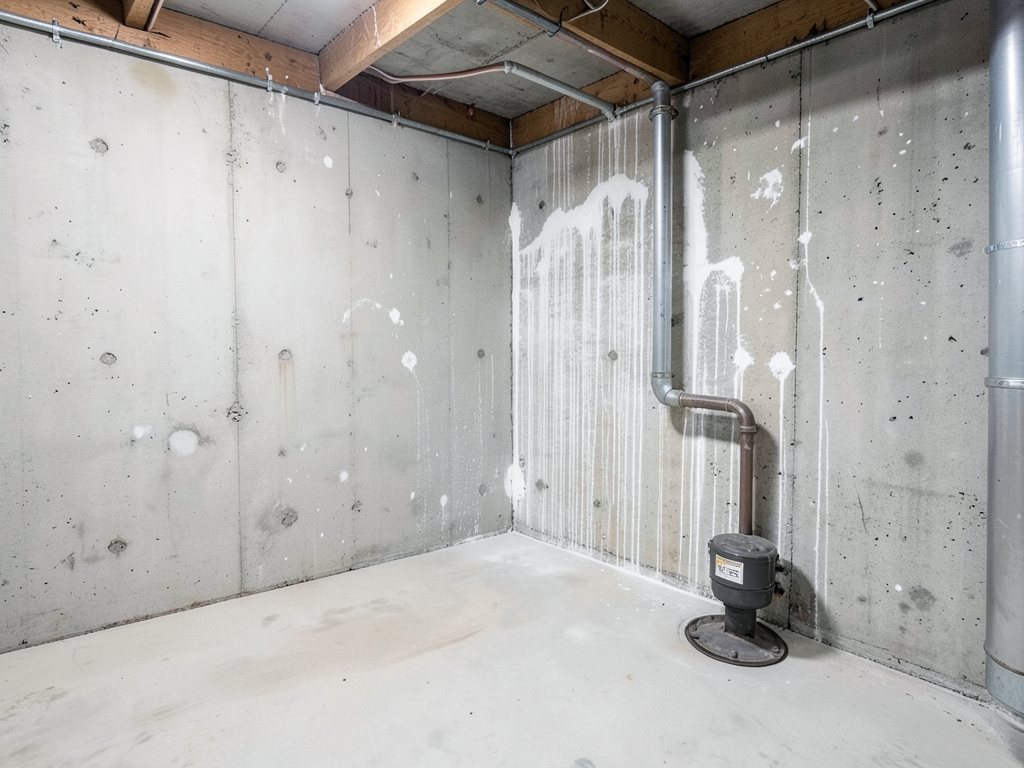
Brown Deer's high water table means most homes rely on sump pumps to keep basements dry. When pumps fail during power outages, mechanical breakdown, or discharge line freezing, basements flood with groundwater in minutes. Finished basements suffer tens of thousands in damage from a single pump failure. Regular testing and battery backup systems prevent most failures, but when disaster strikes, immediate extraction prevents permanent structural damage.

Burst Pipes From Freeze Events

Wisconsin's subzero winter temperatures cause pipes in exterior walls, crawl spaces, and unheated garages to freeze and rupture. When ice blockages thaw, water floods through ceilings, walls, and floors at high pressure. Older Brown Deer homes with inadequate insulation face higher risk. Supply line breaks discharge gallons per minute until someone shuts off the main valve, saturating multiple rooms before discovery. These failures require immediate response to prevent collapsed ceilings and mold contamination.

Storm and Surface Water Intrusion

Heavy rainfall overwhelms Brown Deer's storm sewer system, causing basement backups through floor drains and creating surface flooding around homes with poor grading. Properties near Brown Deer Creek and the Milwaukee River face flood risk during spring snowmelt. Water enters through foundation cracks, window wells, and basement egress windows. Storm water contains soil, debris, and contaminants requiring specialized cleanup protocols beyond clean water extraction and drying procedures.

Appliance and Plumbing Failures

Water heaters, washing machines, dishwashers, and refrigerator ice makers fail without warning, discharging water across floors for hours before discovery. Supply line connections corrode and burst. Water heater tanks rust through and drain 40 to 50 gallons into finished living spaces. Toilet wax rings fail and leak sewage into subfloors. These common household failures cause extensive damage when homeowners are at work or asleep, requiring professional water extraction and antimicrobial treatment.

What To Expect

What to Expect When You Call All Pro Water Damage Restoration Milwaukee

Water emergencies create panic, but our systematic response process eliminates confusion from the moment you call. You'll speak with an experienced dispatcher who asks specific questions about water source, extent of flooding, and any immediate safety concerns like electrical hazards. They'll provide instructions to stop additional damage, like shutting off water supply or turning off power to affected areas, then immediately dispatch the closest crew. Our technicians call when they're en route and arrive with equipment ready to begin work immediately, not just look and schedule a future appointment. You'll receive clear communication about what's happening, how long each phase takes, and what to expect next. We treat your home with respect, use floor protection and containment barriers to isolate work areas, and clean up completely at the end of each day. Most homeowners worry about cost, timing, and how insurance handles claims. We address these concerns upfront with transparent pricing, realistic timelines, and direct insurance coordination that removes uncertainty during an already stressful situation.

Immediate Emergency Response and Assessment

Our crews arrive at your Brown Deer home within 60 minutes, assess damage extent using moisture meters and thermal imaging, then immediately begin water extraction with truck-mounted equipment. You'll receive a verbal overview of required work, expected timeline, and we'll photograph everything for insurance documentation. We stop additional damage first, then create a detailed restoration plan. You won't wait days for assessment while water continues destroying your home. We start working immediately because we know every hour matters.

Transparent Communication Throughout the Project

You'll receive daily updates on drying progress with actual moisture readings, not vague estimates. Our project managers explain each phase before it happens and answer questions in plain language, not technical jargon. We provide written documentation of all work performed, materials used, and readings recorded. When insurance adjusters visit, we walk them through damage and required repairs to ensure full claim approval. You'll always know what's happening, why it's necessary, and when your home will return to normal.

Complete Restoration to Pre-Loss Condition

We don't abandon you after water extraction. Our reconstruction division handles all repairs from drywall replacement to flooring installation, paint, and trim work. You'll work with one company from emergency through final walkthrough, eliminating coordination headaches with multiple contractors. We match existing materials and finishes so repairs blend seamlessly. Before we consider a project complete, we verify all moisture readings meet dry standards and you're satisfied with the finished result. Your home returns to pre-loss condition, not just dried out.

How It Works

Our Proven Water Damage Restoration Process

Every water damage project follows Institute of Inspection Cleaning and Restoration Certification standards with systematic procedures that ensure complete drying and prevent future problems. This three-phase approach addresses immediate damage, hidden moisture, and final restoration efficiently.

Emergency Water Extraction

We arrive at your Brown Deer home within 60 minutes and immediately begin removing standing water with truck-mounted extractors that pull thousands of gallons per hour. Technicians move furniture to dry areas, remove soaked contents, and extract water from carpets, padding, and hard surfaces. We document pre-existing damage with photos, measure moisture levels in all affected materials, and identify the water source to prevent continued intrusion. This initial extraction stops additional absorption into walls and subfloors, limiting damage scope.

Structural Drying and Monitoring

After extraction, we deploy commercial dehumidifiers and air movers strategically placed based on thermal imaging that reveals hidden moisture in wall cavities and under flooring. Technicians monitor drying progress daily with moisture meters, recording readings and adjusting equipment placement to optimize airflow and dehumidification. We apply antimicrobial treatments to prevent mold growth and remove materials too saturated for salvage. This phase continues until all building materials return to dry standard verified by moisture readings, typically three to seven days depending on saturation extent.

Restoration and Reconstruction

Once drying completes, our reconstruction crews rebuild damaged areas with new drywall, insulation, flooring, baseboards, and paint matched to existing finishes. We coordinate with plumbers or electricians if repairs required their expertise. You'll review all work at a final walkthrough where we verify you're satisfied before considering the project complete. Insurance receives final documentation with photos showing completed restoration. Your home returns to pre-loss condition with no evidence water damage occurred.

Our Expertise

Understanding Water Damage Restoration Science and Standards

Professional water damage restoration follows specific scientific principles and industry standards that separate effective remediation from inadequate drying that leads to mold growth and structural failure. The Institute of Inspection Cleaning and Restoration Certification publishes the IICRC S500 Water Damage Standard, which establishes procedures for categorizing water based on contamination level, determining appropriate restoration methods, and verifying complete drying using objective measurements.

Water damage falls into three categories based on contamination. Category 1 involves clean water from supply lines or rain that poses no immediate health risk. Category 2 gray water contains contaminants like washing machine discharge or toilet overflow without feces. Category 3 black water includes sewage, river flooding, or any water containing dangerous pathogens requiring specialized antimicrobial treatment and disposal of porous materials. Each category requires different safety protocols and restoration approaches.

Drying science depends on understanding psychrometrics, the relationship between temperature, humidity, and moisture content in materials. Professional restoration creates optimal drying conditions by raising air temperature, lowering relative humidity through dehumidification, and maximizing airflow across wet surfaces. We measure specific humidity, temperature, and material moisture content multiple times daily, adjusting equipment until readings confirm materials have returned to dry standard. A room that looks and feels dry to occupants often contains 30 to 40 percent moisture content in framing lumber and subfloors, which will cause mold growth within weeks if not properly dried to below 15 percent moisture content.

Brown Deer properties must meet Wisconsin building codes during reconstruction, including proper vapor barriers in below-grade spaces, adequate insulation R-values for climate zone 6, and current electrical and plumbing codes. Our crews maintain required licensing and permits for all reconstruction work, ensuring your restored home meets legal standards for safety and insurability. We document all work with photos and written reports that satisfy insurance requirements and provide permanent records of professional restoration.

IICRC Certified Restoration Standards

The IICRC S500 Water Damage Standard establishes science-based protocols for categorizing water contamination, selecting appropriate drying equipment, and verifying complete moisture removal through objective measurement. All Pro Water Damage Restoration Milwaukee technicians maintain current IICRC Water Damage Restoration certification and follow these standards on every project. This ensures your restoration meets national industry benchmarks recognized by insurance companies and building officials, not guesswork or outdated methods that leave hidden moisture.

Factors Affecting Restoration Investment

Water damage restoration costs depend on water category and contamination level, saturation extent and affected square footage, materials requiring removal versus drying in place, and reconstruction complexity. A clean water supply line break affecting 200 square feet costs significantly less than sewage backup requiring demolition and antimicrobial treatment across multiple rooms. Insurance typically covers sudden and accidental water damage minus your deductible. We provide detailed estimates that break down extraction, drying, and reconstruction costs so you understand exactly what insurance should cover.

Professional Standards Ensure Complete Restoration

Realistic Drying and Restoration Timelines

Emergency water extraction happens day one, usually within 60 to 90 minutes of your call. Structural drying requires three to seven days of continuous dehumidification and air movement with daily monitoring to verify progress. Reconstruction timelines depend on scope but typically range from three days for basic drywall and paint to several weeks for extensive repairs involving flooring, cabinets, and multiple rooms. We provide realistic schedules based on actual project requirements, not optimistic guesses that create false expectations.

Insurance Claims and Documentation Requirements

Wisconsin homeowner policies cover sudden and accidental water damage but exclude flooding from external sources like rivers or surface water, which requires separate flood insurance. We document all damage with detailed photos, moisture readings, and written descriptions that adjusters need for claim approval. Our estimates follow Xactimate pricing that insurance companies accept without dispute. We communicate directly with adjusters to ensure you receive full coverage your policy provides for water damage remediation and reconstruction services performed.

Serving Every Brown Deer Neighborhood With Local Expertise

All Pro Water Damage Restoration Milwaukee maintains rapid response capabilities across every Brown Deer neighborhood from the established homes near Bradley Estates to the properties along Brown Deer Road and the residential areas surrounding Brown Deer Park. We've responded to water emergencies throughout the Deerwood subdivision where many homes feature finished basements that flood during sump pump failures, and we know the unique challenges faced by homeowners in the Westbury area where older plumbing systems create higher burst pipe risk during winter freeze events.

Properties near the Milwaukee River corridor and Brown Deer Creek require specialized expertise during spring flooding and heavy rain events when surface water overwhelms storm sewers and creates basement backups. We've worked extensively in these flood-prone areas, installing backwater valves and implementing drainage solutions that prevent repeat flooding. The neighborhoods surrounding Brown Deer Middle School and the municipal complex contain a mix of construction ages, from 1950s ranches with cast iron plumbing to newer builds with PEX systems, and our crews understand the different failure patterns and restoration requirements each era demands.

Brown Deer's proximity to Glendale, Mequon, and River Hills means we serve the entire northern Milwaukee County region with consistent response times under 60 minutes. Whether you're in the residential streets near Fairy Chasm Road, the homes along Dean Road, or properties close to Parkway Plaza Shopping Center, our dispatch system ensures the closest crew responds immediately with appropriate equipment for your specific emergency. We maintain staging locations across Milwaukee County to eliminate long response times that allow water damage to worsen while you wait for help.

The village's mature tree canopy creates beautiful neighborhoods but also contributes to sewer lateral damage when roots infiltrate clay pipes, causing backups during heavy rain. We've handled numerous sewage remediation projects in Brown Deer's older neighborhoods and understand both the technical requirements for Category 3 water cleanup and the emotional stress these disasters create. Our crews treat every home with respect and professionalism, recognizing that water damage emergencies rank among the most stressful experiences homeowners face. Brown Deer residents trust us because we live and work in this community, respond faster than national franchises dispatching from distant locations, and maintain relationships with local insurance agents, plumbers, and contractors that streamline the entire restoration process from emergency through final reconstruction.

Frequently Asked Questions

Water damage restoration in Brown Deer addresses flooding, leaks, and moisture problems in homes and businesses. The process includes water extraction, drying, dehumidification, and repairs to affected areas. Professional teams respond quickly to prevent mold growth and structural damage. Services cover basement floods, burst pipes, appliance leaks, and storm damage. Brown Deer's climate brings seasonal challenges like frozen pipes in winter and heavy rainfall in spring. Fast response matters because water spreads quickly through flooring, walls, and foundations. Most restoration projects take three to seven days depending on damage severity and affected square footage.
Brown Deer water damage restoration starts with assessment and water removal. Technicians inspect your property to identify the water source and damage extent. Industrial pumps and vacuums extract standing water from floors and carpets. Air movers and dehumidifiers dry remaining moisture from walls, subfloors, and furniture. Teams monitor humidity levels daily until everything reaches normal moisture content. Antimicrobial treatments prevent mold and bacteria growth. Damaged materials like drywall, insulation, or flooring get removed and replaced. The final step includes cleaning, sanitizing, and restoring your space to pre-damage condition.
Call a water damage restoration company immediately after discovering water intrusion. Quick action within 24-48 hours prevents mold growth and reduces structural damage. Contact your restoration team before your insurance company so professionals document everything properly. Shut off your water main if a pipe burst causes the problem. Turn off electricity in affected areas to prevent shock hazards. Remove valuable items from wet areas if safe to do so. Avoid using household vacuums on standing water. Professional equipment removes water faster and more thoroughly than consumer-grade tools.
Water damage restoration in Brown Deer addresses flooding, leaks, and moisture problems in homes and businesses. The process includes water extraction, drying, dehumidification, and repairs to affected areas. Professional teams respond quickly to prevent mold growth and structural damage. Services cover basement floods, burst pipes, appliance leaks, and storm damage. Brown Deer's climate brings seasonal challenges like frozen pipes in winter and heavy rainfall in spring. Fast response matters because water spreads quickly through flooring, walls, and foundations. Most restoration projects take three to seven days depending on damage severity and affected square footage.
Brown Deer water damage restoration starts with assessment and water removal. Technicians inspect your property to identify the water source and damage extent. Industrial pumps and vacuums extract standing water from floors and carpets. Air movers and dehumidifiers dry remaining moisture from walls, subfloors, and furniture. Teams monitor humidity levels daily until everything reaches normal moisture content. Antimicrobial treatments prevent mold and bacteria growth. Damaged materials like drywall, insulation, or flooring get removed and replaced. The final step includes cleaning, sanitizing, and restoring your space to pre-damage condition.
Call a water damage restoration company immediately after discovering water intrusion. Quick action within 24-48 hours prevents mold growth and reduces structural damage. Contact your restoration team before your insurance company so professionals document everything properly. Shut off your water main if a pipe burst causes the problem. Turn off electricity in affected areas to prevent shock hazards. Remove valuable items from wet areas if safe to do so. Avoid using household vacuums on standing water. Professional equipment removes water faster and more thoroughly than consumer-grade tools.
Brown Deer restoration teams handle all water damage categories. Clean water from supply lines and rainwater requires basic extraction and drying. Gray water from washing machines, dishwashers, or sump pumps needs sanitization because it contains contaminants. Black water from sewage backups or flooding demands specialized cleaning with protective equipment and antimicrobial treatments. Each category requires different safety protocols and equipment. Teams assess which category affects your property and apply appropriate restoration methods. Black water situations require more extensive cleaning, material removal, and longer drying times than clean water incidents.
Equipment used includes truck-mounted extractors for removing standing water, industrial air movers to circulate air and speed drying, and commercial dehumidifiers to pull moisture from air and materials. Moisture meters detect hidden water in walls and floors. Infrared cameras identify wet areas behind surfaces. Air scrubbers filter airborne contaminants and mold spores. Technicians use specialized drying mats for hardwood floors and injection systems for wall cavities. Heavy-duty fans create airflow throughout affected spaces. This professional equipment works faster and more effectively than standard household fans or dehumidifiers.
Most homeowner insurance policies cover sudden and accidental water damage like burst pipes, appliance malfunctions, and storm-related flooding through your roof. Policies typically exclude gradual damage from long-term leaks or maintenance issues. Sewer backup coverage requires a separate endorsement in most policies. Groundwater flooding needs separate flood insurance through the National Flood Insurance Program. Document everything with photos and videos before cleanup begins. Keep receipts for emergency repairs and temporary housing. Your restoration company often works directly with insurance adjusters to streamline claims and ensure proper documentation.
Mold starts growing within 24-72 hours after water exposure in warm, humid conditions. Brown Deer's humid summers create ideal mold conditions if moisture lingers. Restoration teams prevent mold by removing water quickly and reducing humidity below 60 percent. Dehumidifiers run continuously until moisture levels normalize. Antimicrobial treatments inhibit mold and bacteria on affected surfaces. Porous materials like drywall, insulation, and carpet padding often need replacement if soaked for extended periods. Air scrubbers capture mold spores during cleanup. Professional teams monitor moisture daily to confirm complete drying before reconstruction begins.
Hardwood floors need immediate attention to prevent warping, cupping, and permanent damage. Technicians extract surface water first, then place specialized drying mats over affected areas. These mats create suction and circulate warm air underneath flooring to draw out moisture. Moisture meters track progress daily. Some floors recover completely with proper drying. Severe cases require sanding and refinishing after drying. Floors cupped from moisture sometimes flatten as they dry. Laminate flooring rarely survives water exposure and needs replacement. The key is starting the drying process immediately before wood swells and separates.
Restoration timelines depend on damage extent and affected materials. Small leaks affecting one room take two to four days for complete drying. Basement floods need four to seven days depending on water depth and basement size. Whole-house flooding from storms requires one to two weeks. Reconstruction adds time after drying completes. Teams monitor moisture levels daily and adjust equipment as needed. Humidity, temperature, and air circulation affect drying speed. Winter projects sometimes take longer due to lower temperatures. Your restoration team provides timeline estimates after initial assessment and adjusts based on drying progress.
Prevention includes regular maintenance and monitoring. Inspect your roof annually for missing shingles or damaged flashing. Clean gutters twice yearly to prevent overflow and foundation problems. Check washing machine hoses every three years and replace if cracked. Install water sensors near water heaters, sump pumps, and under sinks. Know your main water shutoff location. Insulate pipes in unheated areas to prevent winter freezing. Service your sump pump before spring rains. Grade soil away from your foundation. Address small leaks immediately before they become major problems. Regular inspections catch issues before they cause significant damage.
Brown Deer restoration teams handle all water damage categories. Clean water from supply lines and rainwater requires basic extraction and drying. Gray water from washing machines, dishwashers, or sump pumps needs sanitization because it contains contaminants. Black water from sewage backups or flooding demands specialized cleaning with protective equipment and antimicrobial treatments. Each category requires different safety protocols and equipment. Teams assess which category affects your property and apply appropriate restoration methods. Black water situations require more extensive cleaning, material removal, and longer drying times than clean water incidents.
Equipment used includes truck-mounted extractors for removing standing water, industrial air movers to circulate air and speed drying, and commercial dehumidifiers to pull moisture from air and materials. Moisture meters detect hidden water in walls and floors. Infrared cameras identify wet areas behind surfaces. Air scrubbers filter airborne contaminants and mold spores. Technicians use specialized drying mats for hardwood floors and injection systems for wall cavities. Heavy-duty fans create airflow throughout affected spaces. This professional equipment works faster and more effectively than standard household fans or dehumidifiers.
Most homeowner insurance policies cover sudden and accidental water damage like burst pipes, appliance malfunctions, and storm-related flooding through your roof. Policies typically exclude gradual damage from long-term leaks or maintenance issues. Sewer backup coverage requires a separate endorsement in most policies. Groundwater flooding needs separate flood insurance through the National Flood Insurance Program. Document everything with photos and videos before cleanup begins. Keep receipts for emergency repairs and temporary housing. Your restoration company often works directly with insurance adjusters to streamline claims and ensure proper documentation.
Mold starts growing within 24-72 hours after water exposure in warm, humid conditions. Brown Deer's humid summers create ideal mold conditions if moisture lingers. Restoration teams prevent mold by removing water quickly and reducing humidity below 60 percent. Dehumidifiers run continuously until moisture levels normalize. Antimicrobial treatments inhibit mold and bacteria on affected surfaces. Porous materials like drywall, insulation, and carpet padding often need replacement if soaked for extended periods. Air scrubbers capture mold spores during cleanup. Professional teams monitor moisture daily to confirm complete drying before reconstruction begins.
Hardwood floors need immediate attention to prevent warping, cupping, and permanent damage. Technicians extract surface water first, then place specialized drying mats over affected areas. These mats create suction and circulate warm air underneath flooring to draw out moisture. Moisture meters track progress daily. Some floors recover completely with proper drying. Severe cases require sanding and refinishing after drying. Floors cupped from moisture sometimes flatten as they dry. Laminate flooring rarely survives water exposure and needs replacement. The key is starting the drying process immediately before wood swells and separates.
Restoration timelines depend on damage extent and affected materials. Small leaks affecting one room take two to four days for complete drying. Basement floods need four to seven days depending on water depth and basement size. Whole-house flooding from storms requires one to two weeks. Reconstruction adds time after drying completes. Teams monitor moisture levels daily and adjust equipment as needed. Humidity, temperature, and air circulation affect drying speed. Winter projects sometimes take longer due to lower temperatures. Your restoration team provides timeline estimates after initial assessment and adjusts based on drying progress.
Prevention includes regular maintenance and monitoring. Inspect your roof annually for missing shingles or damaged flashing. Clean gutters twice yearly to prevent overflow and foundation problems. Check washing machine hoses every three years and replace if cracked. Install water sensors near water heaters, sump pumps, and under sinks. Know your main water shutoff location. Insulate pipes in unheated areas to prevent winter freezing. Service your sump pump before spring rains. Grade soil away from your foundation. Address small leaks immediately before they become major problems. Regular inspections catch issues before they cause significant damage.

Water Damage Restoration Services in The Milwaukee Area

All Pro Water Damage Restoration Milwaukee is proud to serve the entire Milwaukee metropolitan area and surrounding communities, bringing our fast, professional, and reliable services directly to your residential or commercial location. While we are a mobile, 24/7 rapid-response team, you can use the map below to visualize our service area and confirm our commitment to local expertise. We are always ready to dispatch certified technicians to your exact location to provide immediate, expert water damage help.

Address:
Brown Deer, WI, 53209
Resources & Insights

Read Our Newest Posts

Warning Signs Your Hartford Windows Are Leaking Inside the Walls

Warning Signs Your Hartford Windows Are Leaking Inside the Walls Water creeping behind your window frames isn’t just an aesthetic problem—it’s a structural threat that can silently destroy your Hartford home’s integrity. The first warning…

What Every Hartland Homeowner Should Know About Hydrostatic Pressure and Basement Seepage

What Every Hartland Homeowner Should Know About Hydrostatic Pressure and Basement Seepage Water seeping through…

Protecting Your High-End Home Gym Equipment from Basement Moisture in Yankee Hill

Protecting Your High-End Home Gym Equipment from Basement Moisture in Yankee Hill Your basement gym…

Why Your Roof Vents Might Be Leaking During a Heavy Grafton Rainstorm

Why Your Roof Vents Might Be Leaking During a Heavy Grafton Rainstorm When heavy rain…

Don't Let Water Damage Get Worse - Call Now for Immediate Help

Water damage spreads every minute you wait. All Pro Water Damage Restoration Milwaukee answers 24/7 and dispatches Brown Deer crews within 60 minutes. Stop additional damage now. Call (414) 392-1771 for immediate emergency response and professional restoration that returns your home to pre-loss condition.