menu

Peeling Paint & Wallpaper in Milwaukee | Hidden Water Damage Exposed Before Structural Failure

We identify the hidden moisture intrusion causing your peeling paint and wallpaper, then solve the water damage at its source before mold spreads or walls deteriorate further.

Slider Image 1
Slider Image 2
Slider Image 3
Slider Image 4
Slider Image 5
Slider Image 7
Slider Image 8
Slider Image 9
Slider Image 10
Slider Image 11

What Your Bubbling Paint and Lifting Wallpaper Are Really Telling You

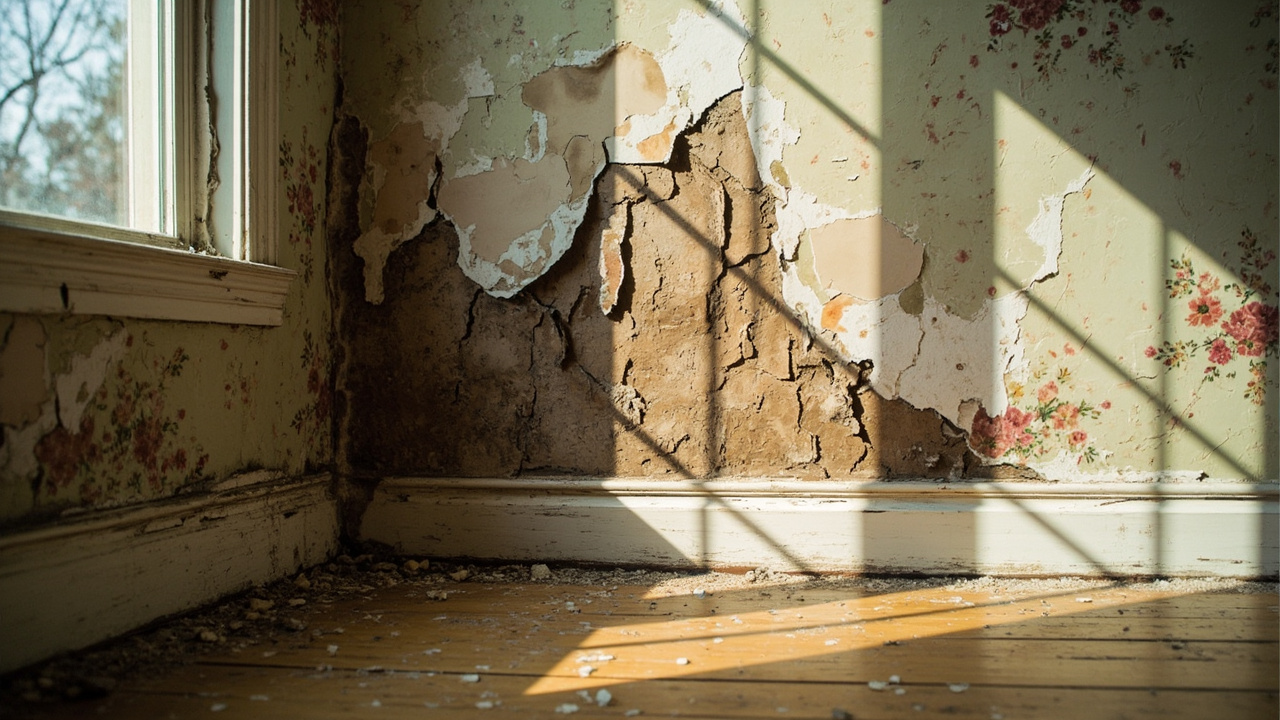
You walked past that same wall for weeks. Maybe you thought the blistering wall paint was just old age or poor craftsmanship. Then you touched it. The paint flaked off in your hand, and the wallpaper behind it felt damp. That moment is when most Milwaukee homeowners realize something worse is happening behind the surface.

Milwaukee's freeze-thaw cycles are brutal. When winter temperatures drop below zero and then swing back up, any moisture trapped in your walls expands and contracts. That movement breaks the bond between paint and substrate. Add in the high humidity we get during summer months along the lakefront, and you have the perfect recipe for bubbling paint and loose wallpaper. The moisture does not just sit there. It migrates through drywall, plaster, and even brick. As it moves, it destroys adhesion, encourages mold growth, and weakens structural framing.

Flaking paint is not a cosmetic issue. It is a symptom. The paint lifts because water vapor is pushing it away from the wall. The wallpaper peels because moisture has saturated the adhesive layer. What you see on the surface is the warning. What you do not see is the water intrusion behind it, the rotting studs, the black mold colonies spreading in the cavity, and the slow erosion of your home's integrity. Ignoring lifting wallpaper means ignoring the leak, the condensation issue, or the failed vapor barrier that caused it. Milwaukee's older housing stock, with its original plaster walls and balloon framing, makes this even more dangerous because water can travel vertically through entire floors before you notice it.

What Your Bubbling Paint and Lifting Wallpaper Are Really Telling You
How We Diagnose and Eliminate the Water Source Behind Your Wall Damage

How We Diagnose and Eliminate the Water Source Behind Your Wall Damage

Most painters will scrape off the bubbling paint, slap on primer, and call it fixed. Three months later, the blistering wall paint is back. That approach ignores the root cause. We are water damage restoration specialists, not decorators. Our job is to find the moisture source, eliminate it, and then restore the wall system so the problem does not return.

We start with moisture mapping using infrared thermal imaging and non-invasive moisture meters. These tools let us see where water is hiding inside your walls without cutting them open prematurely. We trace the moisture back to its origin. Is it a leaking supply line behind the drywall? A failed window flashing letting rain seep in during Milwaukee's heavy spring storms? A roof leak dripping into the wall cavity? Condensation from an improperly vented bathroom? Each source requires a different fix, and we identify it before we touch a paintbrush.

Once we locate the intrusion point, we stop it. We repair the plumbing, reseal the window envelope, fix the roof penetration, or correct the ventilation issue. Then we address the damage. We remove wet insulation, treat framing lumber for mold, and dry the cavity using commercial dehumidifiers and air movers. If the drywall or plaster is compromised, we remove and replace it. If it is salvageable, we dry it to below 15 percent moisture content, the threshold where mold cannot grow. Only after the wall assembly is dry and the source is fixed do we prep and repaint. This is why our repairs last, and why flaking paint does not come back six months later when the next rainstorm hits.

What Happens When You Call Us About Peeling Wall Finishes

Peeling Paint & Wallpaper in Milwaukee | Hidden Water Damage Exposed Before Structural Failure
01

Moisture Detection and Source Tracing

We arrive with thermal cameras and moisture meters to map where water is accumulating inside your walls. You see the loose wallpaper on the surface. We see the saturated drywall, the wet insulation, and the path the water took to get there. This diagnostic phase is critical because it tells us whether you have an active leak, a condensation problem, or residual moisture from a past event. We document moisture levels in multiple locations to understand the full scope of intrusion.
02

Water Intrusion Repair

Once we identify the source, we fix it. If a supply line is leaking, we repair or replace it. If exterior water is entering through failed flashing or caulking, we reseal those penetrations. If condensation is the culprit, we address the ventilation or insulation deficiency causing it. This step stops new water from entering the wall system. Without this repair, any cosmetic fix is temporary. We coordinate with plumbers or roofers if specialized trades are needed, but we manage the entire process so you are not juggling multiple contractors.
03

Drying, Remediation, and Restoration

After stopping the water, we dry the affected area using industrial equipment. We pull moisture out of framing, insulation, and substrates until readings confirm the area is bone dry. If mold is present, we treat or remove contaminated materials following IICRC S520 standards. Then we rebuild. We replace drywall, re-tape seams, prime with stain-blocking primer, and repaint or re-wallpaper to match your existing finishes. The result is a wall that looks new and stays dry because the underlying problem is gone.

Why Milwaukee Homeowners Choose Liberty Water Damage Restoration Riverside for Wall Moisture Issues

Milwaukee's housing is old. Beautiful, solid, and built to last, but old. Homes in Riverwest, Bay View, and the Historic Third Ward were constructed before modern building codes required vapor barriers or proper flashing details. That means water intrusion is common, and fixing it requires someone who understands how these structures were built and how they fail.

We work in Milwaukee's older homes every week. We know how balloon framing allows water to travel vertically from the basement to the second floor. We know that horsehair plaster holds moisture differently than modern drywall. We know that Milwaukee's clay soil causes foundation settlement, which cracks exterior walls and lets water in. This local knowledge matters because the fix for a 1920s bungalow is not the same as the fix for a 1990s ranch. We adapt our approach based on your home's construction type, age, and specific failure mode.

When you call Liberty Water Damage Restoration Riverside, you get a team that treats bubbling paint as a diagnostic clue, not a cosmetic inconvenience. We are IICRC-certified in water damage restoration, which means we follow national standards for moisture removal, drying, and mold remediation. We carry the equipment to do this right: truck-mounted extractors, low-grain refrigerant dehumidifiers, HEPA air scrubbers, and infrared cameras. We do not patch and paint. We investigate, repair, and restore. That approach costs slightly more upfront, but it saves you money because you do not have to call us back next year when the blistering wall paint returns.

You also get responsive service. When you find loose wallpaper in your bathroom and suspect a leak, you do not want to wait a week for an estimate. We answer our phones, schedule quickly, and show up on time. Milwaukee winters do not wait, and neither should your water damage repair.

What You Can Expect When We Restore Your Damaged Walls

Fast Response and Flexible Scheduling

We know that peeling paint is frustrating, but the water damage behind it can escalate fast. We prioritize quick response times. Most inquiries get a callback within two hours, and we schedule inspections within 24 to 48 hours depending on demand. If you have an active leak causing the bubbling paint, we can mobilize faster. Our team works around your schedule, including evenings and weekends, so you do not have to take time off work. Once we start the job, drying and repairs typically take three to seven days depending on the extent of moisture intrusion and the materials involved. We keep you updated at each phase so you know what to expect.

Thorough Inspection and Transparent Assessment

Your initial consultation involves a detailed moisture assessment. We use thermal imaging to map temperature differentials that indicate wet areas, and we take moisture readings at multiple points to establish the boundaries of water intrusion. You get a written report that explains what we found, where the water is coming from, and what needs to happen to fix it. We walk you through the findings in plain language. No jargon, no upselling. If your flaking paint is caused by a simple ventilation issue, we tell you. If it is a failed roof flashing that requires coordination with a roofer, we tell you that too. Transparency builds trust, and trust is how we retain clients.

Complete Restoration to Pre-Loss Condition

We do not stop at drying your walls. We restore them. That means replacing damaged drywall, re-taping and mudding seams, sanding smooth, priming with stain-blocking primer, and repainting to match your existing color. If you had wallpaper, we can reinstall matching material or help you source a replacement if the original pattern is discontinued. Our finish work is clean and precise. You should not be able to tell where the repair happened unless you know where to look. We also clean up our work area daily and remove all debris when the job is complete. Your home should look better than it did before the water damage, not worse.

Post-Repair Monitoring and Moisture Guarantee

After we finish, we offer a follow-up moisture check at no additional charge. We return 30 days after completion to re-scan the repaired area and confirm moisture levels remain stable. This step catches any issues early, before they cause new bubbling paint or lifting wallpaper. If we find elevated moisture, we investigate and address it immediately. Our goal is to solve the problem once, completely, so you do not live with the anxiety of wondering if the blistering wall paint will return. We also provide maintenance recommendations, like improving bathroom ventilation or sealing exterior cracks, to prevent future moisture intrusion. You get a partner, not just a contractor.

Frequently Asked Questions

You Have Questions,
We Have Answers

Why is my paint peeling off the wall like wallpaper? +

Your paint is peeling like wallpaper because moisture is trapped between the paint and the wall surface. This happens when water infiltrates from behind the wall, often from leaks, plumbing issues, or condensation. Milwaukee homes face this due to freeze-thaw cycles that push moisture through exterior walls and basement foundation cracks. The paint loses adhesion as water breaks the bond between layers. You may also see this if the wall was not properly primed or if latex paint was applied over oil-based paint without proper prep. Address the moisture source first or the peeling will return.

What to do if paint is peeling off the wall? +

First, identify and fix the moisture source causing the peeling. Check for roof leaks, plumbing issues, or poor ventilation. Once dry, scrape away all loose and peeling paint with a putty knife. Sand the edges smooth so they blend with the intact paint. Clean the wall with a damp cloth and let it dry completely. Apply a stain-blocking primer to seal the surface and prevent future peeling. Then repaint with quality paint. Milwaukee homes often need mold-resistant primers in basements and bathrooms due to high humidity. Skipping the moisture repair wastes your time and money.

Is it cheaper to paint or peel and stick wallpaper? +

Painting is cheaper upfront than peel and stick wallpaper. Quality paint costs less per square foot and lasts longer when applied correctly. Peel and stick wallpaper runs higher per roll and may not adhere well to textured or damaged walls. However, if your walls are severely damaged, neither option works until you repair the surface. Milwaukee humidity can cause peel and stick products to lift at seams or corners. For budget and durability, paint wins. If you want a temporary design change in a rental, peel and stick offers flexibility. Evaluate your wall condition and timeline before deciding.

Can I just paint over peeling paint? +

No. Painting over peeling paint traps the problem and makes it worse. The new paint will not bond to loose material and will peel again, often pulling away even more surface area. You must scrape away all loose paint, sand the edges, and prime the bare spots before repainting. Milwaukee homes with moisture issues will see accelerated failure if you skip this step. Peeling signals an underlying issue like water infiltration or poor surface prep. Address the root cause or you will repeat this cycle. Proper prep takes time but saves money in the long run.

Will Kilz stop peeling paint? +

Kilz primer will not stop paint that is currently peeling. It seals stains and provides a bonding surface, but only after you remove all loose paint. If you apply Kilz over peeling paint, it will peel right along with the old layers. First, scrape and sand the wall completely. Then apply Kilz to bare spots and previously painted areas for uniform adhesion. Kilz works well in Milwaukee basements and bathrooms where moisture and mildew cause staining. Use the mold-resistant formula in high-humidity areas. Think of Kilz as a foundation, not a Band-Aid. Proper prep is required.

Should I scrape off all the peeling paint? +

Yes. Scrape off all peeling paint before repainting. Loose paint will not hold new coats and will continue lifting. Use a stiff putty knife or scraper to remove anything that flakes or bubbles. Sand the edges where old paint meets the wall to create a smooth transition. This prevents visible ridges after repainting. Milwaukee homes with exterior peeling need this step before winter to prevent moisture infiltration under the new paint. If large sections peel, you may need to strip the wall entirely and start fresh. Skipping this step guarantees paint failure within months.

What is the difference between flaking and peeling paint? +

Flaking paint comes off in small, thin pieces and often signals surface damage or age. Peeling paint lifts in larger sheets or strips and points to moisture issues or poor adhesion between layers. Flaking happens when paint deteriorates from UV exposure, temperature swings, or low-quality product. Peeling happens when water infiltrates from behind the wall or when incompatible paints are layered. Milwaukee homes see both due to harsh winters and humid summers. Flaking is cosmetic and easier to fix. Peeling requires you to find and repair the moisture source before repainting or it will return.

Can you put primer over peeling paint? +

No. Do not put primer over peeling paint. The primer will not bond to loose material and will peel right along with the old paint. You must scrape away all peeling sections first, then sand the edges smooth. Apply primer only to clean, stable surfaces. Primer works by creating a bonding layer between the wall and topcoat, but it cannot fix structural failure. Milwaukee homeowners often see peeling in basements and bathrooms where moisture weakens paint adhesion. Use a stain-blocking or mold-resistant primer after removing all loose paint. Proper surface prep is non-negotiable for lasting results.

How to fix flaking peeling paint? +

Scrape away all loose and flaking paint with a putty knife. Sand the edges to blend them with intact paint. Clean the wall with a damp cloth and let it dry completely. Identify and fix any moisture source causing the damage. Apply a quality stain-blocking primer to bare spots and previously painted areas. Let the primer dry fully, then repaint with a durable topcoat. Milwaukee homes often need mold-resistant products in humid areas like basements and bathrooms. If large sections flake, you may need to strip the wall entirely. Fixing the root cause prevents repeat failures.

What is the cost of painting a 1000 sq ft house? +

Painting a 1000 square foot house costs vary based on prep work, paint quality, and whether you hire a professional or do it yourself. DIY materials may run a few hundred dollars, while professional work costs more due to labor, surface prep, and materials. Homes in Milwaukee with peeling paint, water damage, or mold require extra prep and primer, which increases the price. Exterior painting costs more than interior due to weather exposure and surface condition. Focus on fixing underlying moisture issues first. Repainting without addressing the root cause wastes money and time when the problem returns.

Why Milwaukee's Lakefront Humidity and Freeze-Thaw Cycles Cause Chronic Peeling Paint

Milwaukee sits less than a mile from Lake Michigan in many neighborhoods. That proximity brings cooler summer air and higher relative humidity, especially in areas like the East Side and Bay View. When warm, moist air contacts cold interior wall surfaces during spring and fall, condensation forms inside wall cavities. This condensation saturates drywall and plaster, breaking down the bond between paint and substrate. Add in winter freeze-thaw cycles, where daytime melting sends water into exterior cracks and nighttime freezing expands that water, and you get mechanical stress that pops paint off walls and loosens wallpaper. Milwaukee's older housing stock, with single-pane windows and minimal insulation, makes this worse because thermal bridging creates cold spots where condensation concentrates.

Fixing peeling wall finishes in Milwaukee requires understanding these local conditions. Liberty Water Damage Restoration Riverside works exclusively in the greater Milwaukee metro. We know which neighborhoods have chronic condensation issues due to lakefront exposure. We know which home styles, like Milwaukee bungalows and two-flats, are prone to second-floor moisture problems because of poor attic ventilation. We know local building inspectors and code requirements for vapor barriers and flashing details. That local expertise means we diagnose problems faster and fix them correctly the first time. When you hire a local company, you get someone who has seen your exact issue in your exact neighborhood a dozen times before. That experience is the difference between a repair that lasts and one that fails.
Water Damage Restoration Services in The Milwaukee Area

All Pro Water Damage Restoration Milwaukee is proud to serve the entire Milwaukee metropolitan area and surrounding communities, bringing our fast, professional, and reliable services directly to your residential or commercial location. While we are a mobile, 24/7 rapid-response team, you can use the map below to visualize our service area and confirm our commitment to local expertise. We are always ready to dispatch certified technicians to your exact location to provide immediate, expert water damage help.

Address:
All Pro Water Damage Restoration Milwaukee, 790 N Milwaukee St, Milwaukee, WI, 53202

Additional Services We Offer

Our news updates

Latest Articles & News from The Blogs

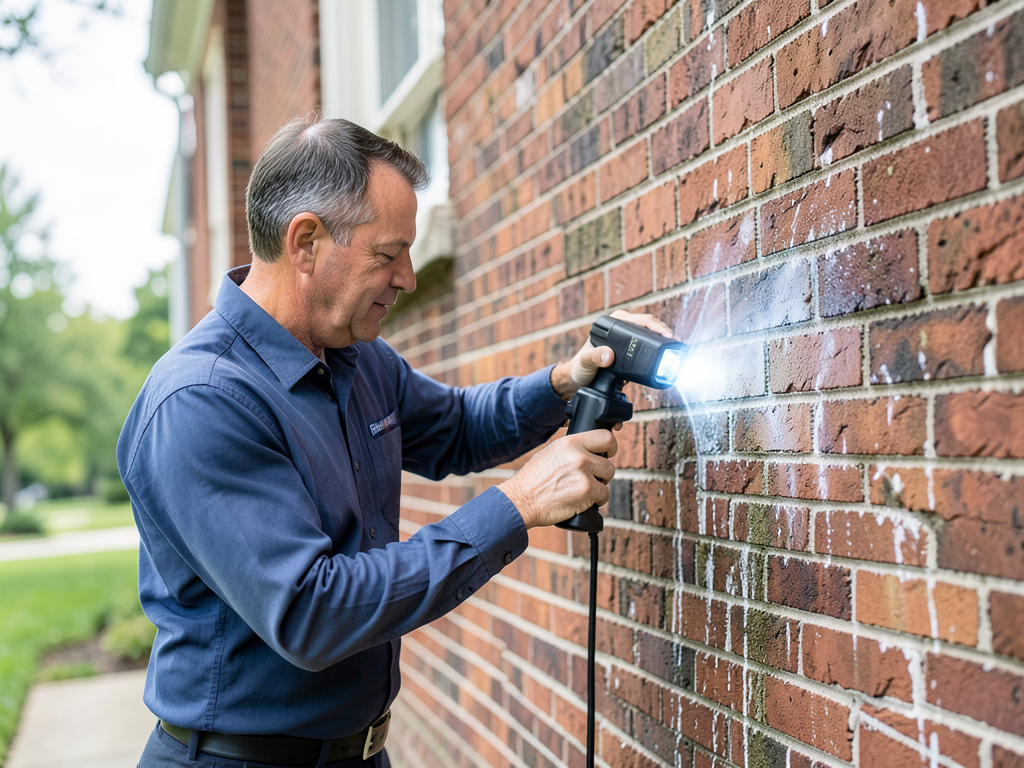
Preventing Moisture Buildup in the Historic Mansions of Cold Spring Park Historic mansions in Cold Spring Park face unique moisture…

Preventing Moisture Buildup in the Historic Mansions of Cold Spring Park

Preventing Moisture Buildup in the Historic Mansions of Cold Spring Park Historic mansions in Cold Spring Park face unique moisture…

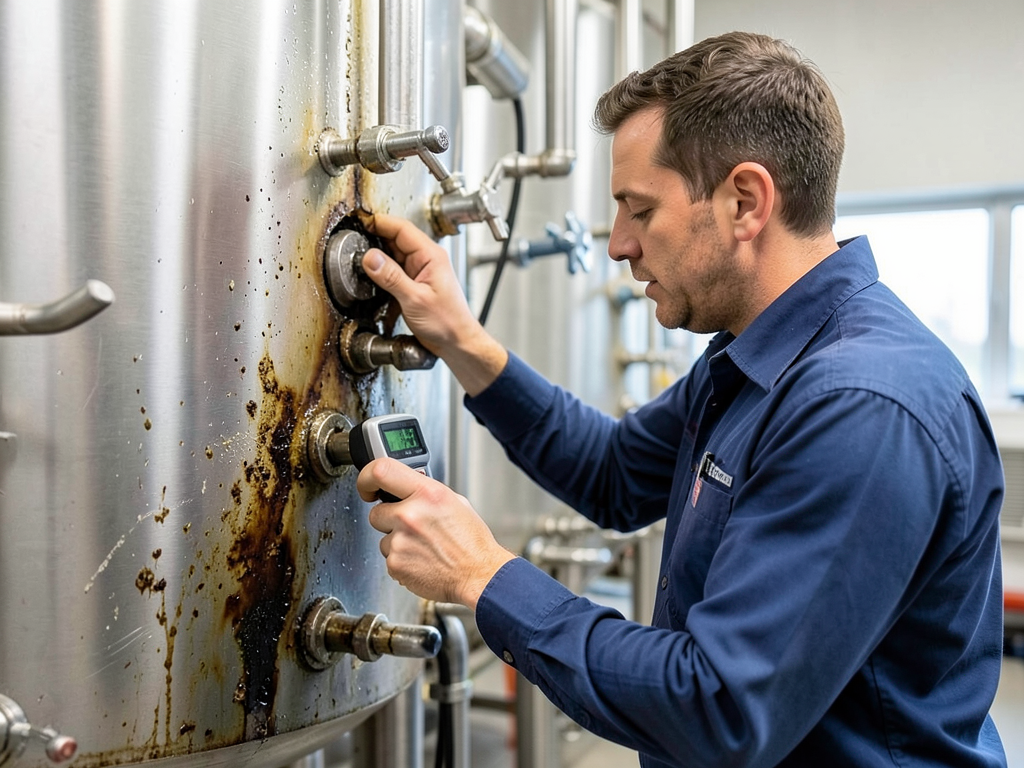
How to Clean Up After a Commercial Beverage Line Leak in a Milwaukee Bar or Brewery

How to Clean Up After a Commercial Beverage Line Leak in a Milwaukee Bar or Brewery A beverage line leak…

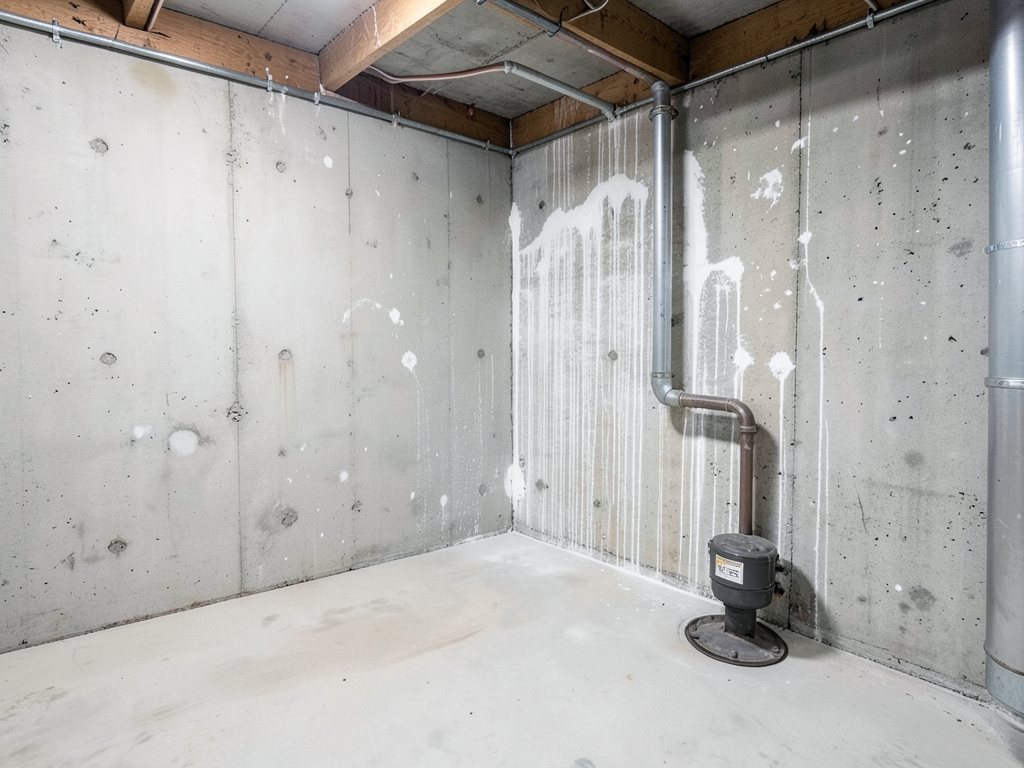
Why Your Cudahy Basement Feels Damp Even When Your Sump Pump Is Working

Your Cudahy Basement Still Feels Damp? Here’s Why If your basement feels damp even though your sump pump runs fine…

Contact Us

Peeling paint and loose wallpaper are symptoms of water damage that will only get worse. Call Liberty Water Damage Restoration Riverside at (414) 392-1771 today. We will find the source, fix it, and restore your walls before structural damage or mold growth forces a much larger repair.