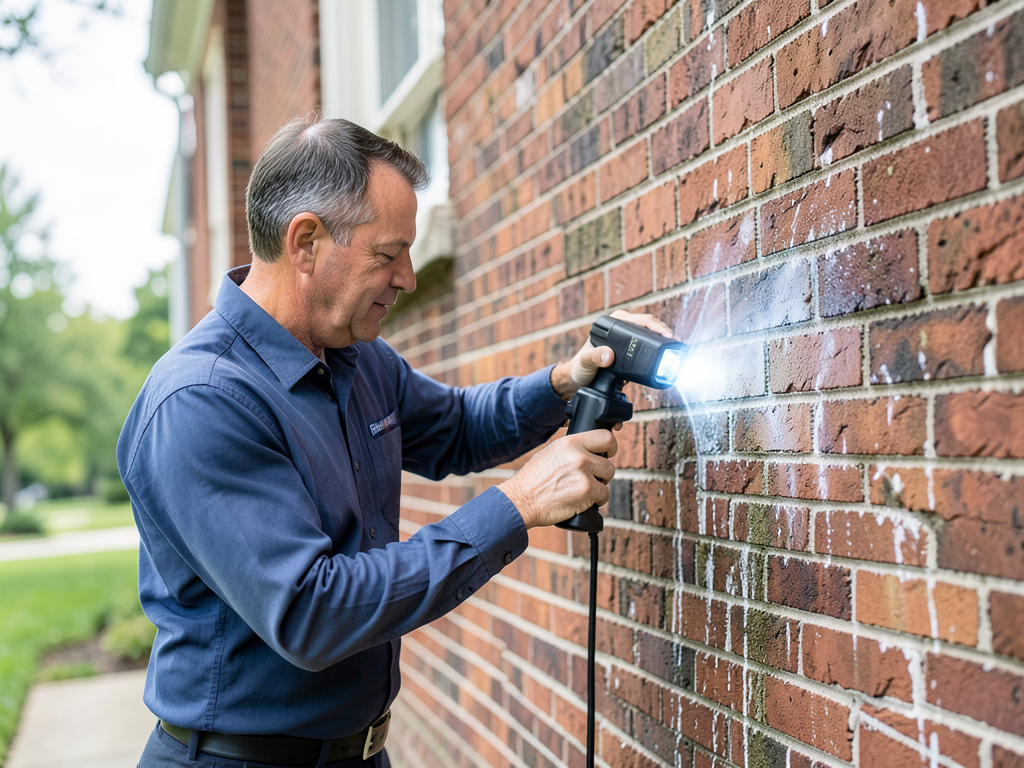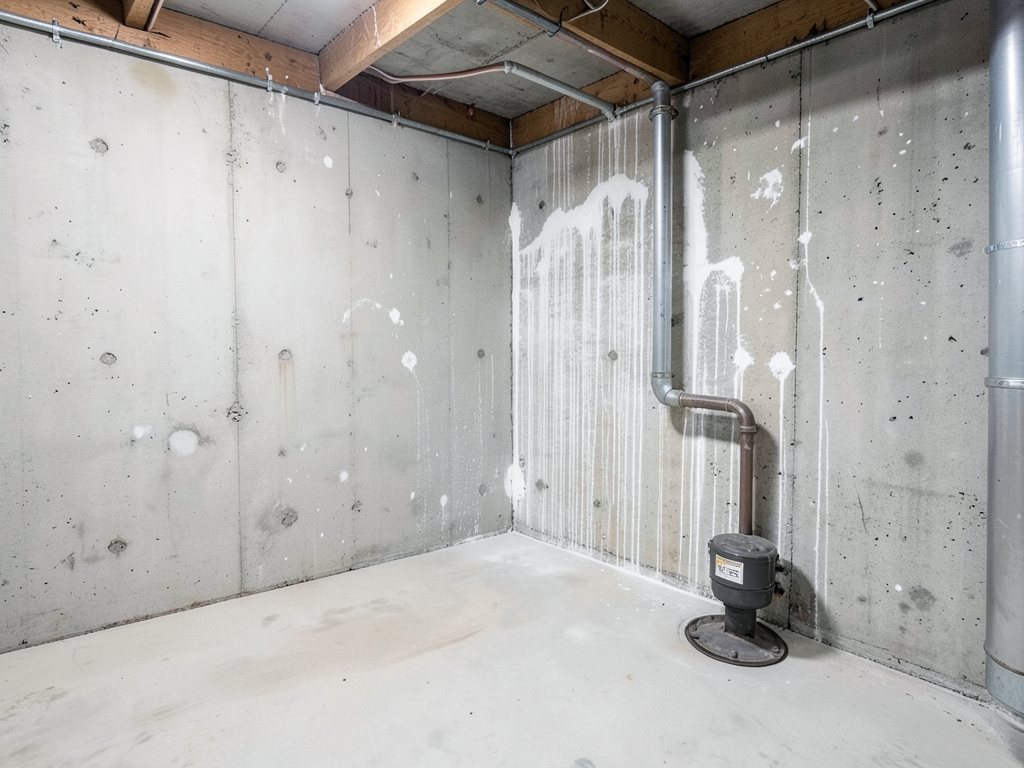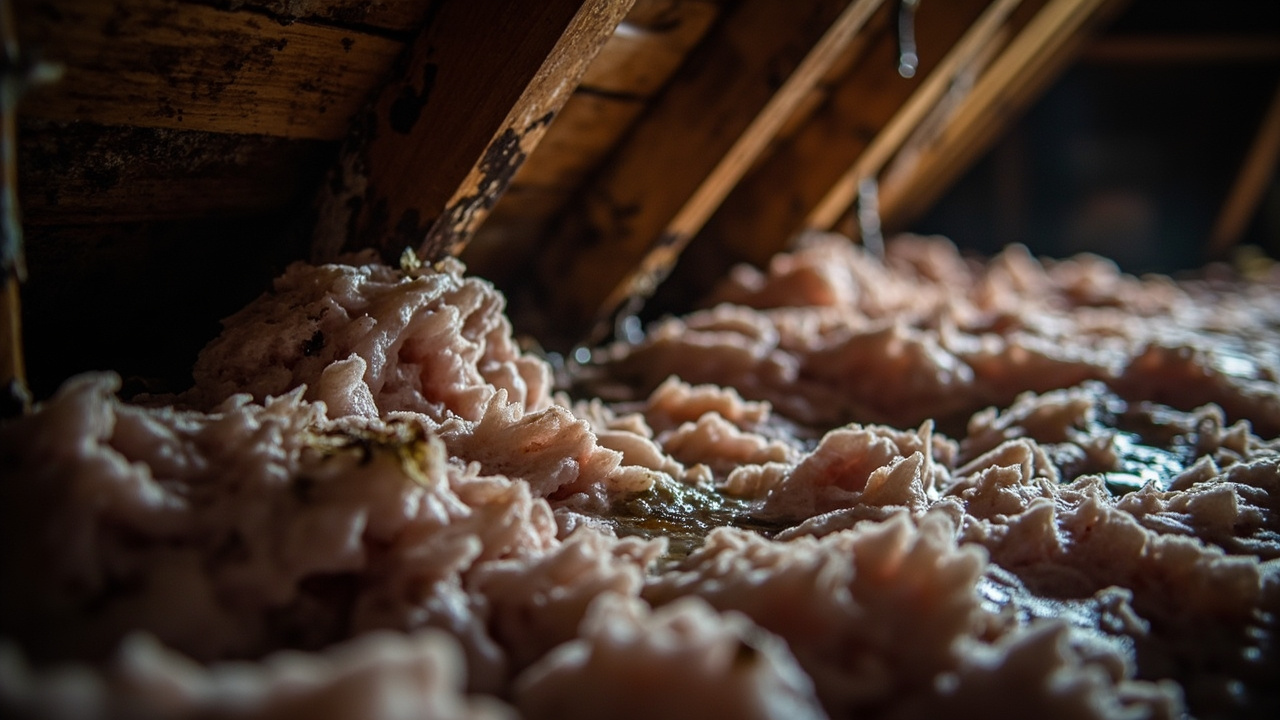
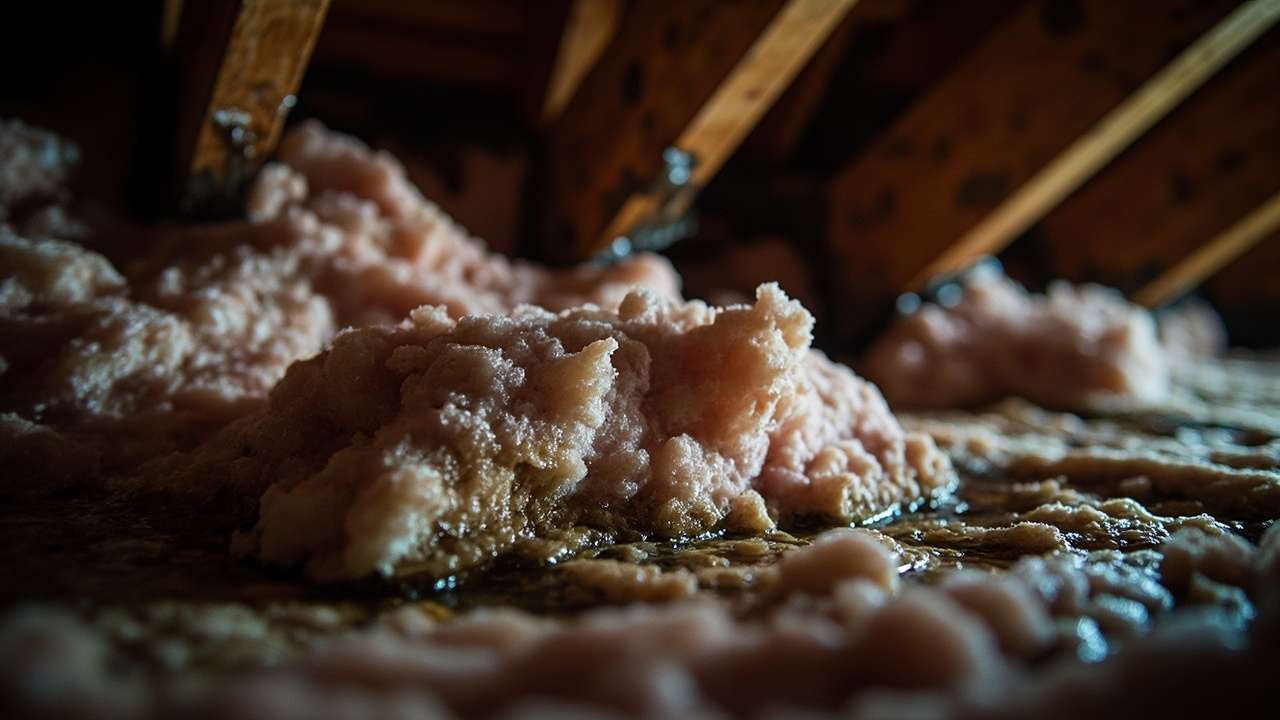
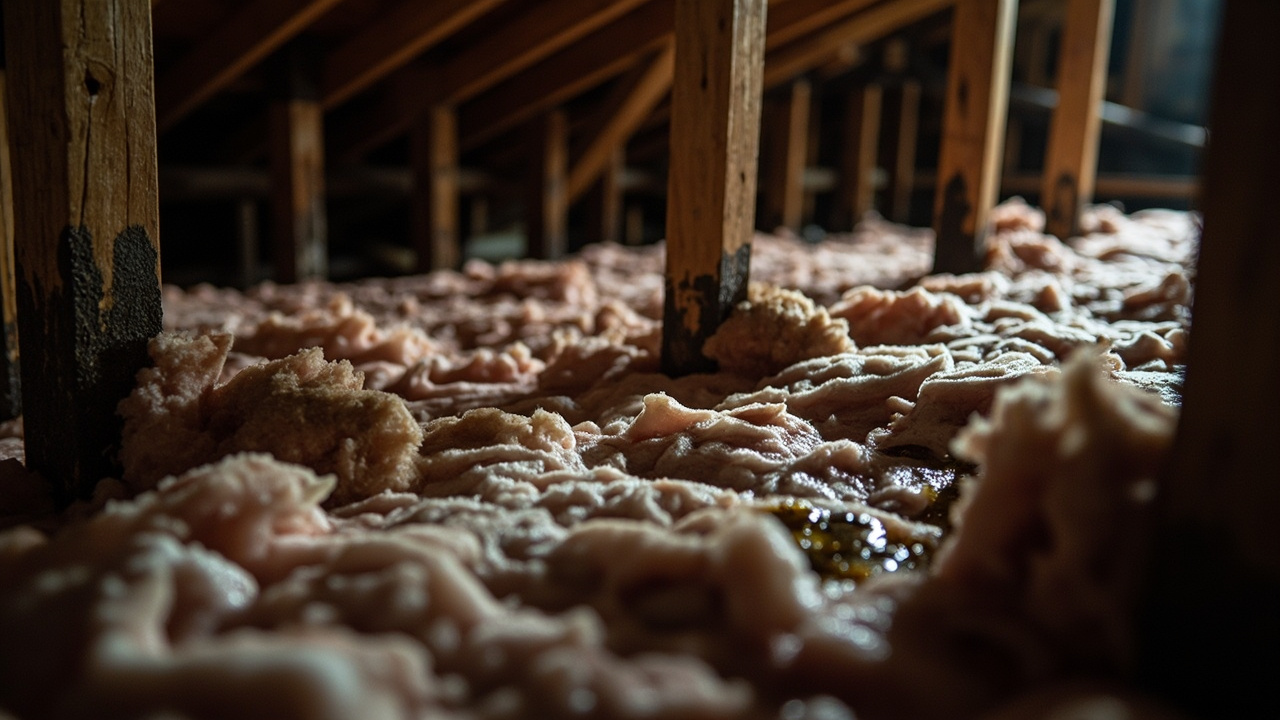
Milwaukee sits less than a mile from Lake Michigan in many neighborhoods, and that proximity creates year-round humidity challenges. Summer dew points regularly exceed 65 degrees, which means attics and crawlspaces become condensation zones when cooled by air conditioning. The city's older housing stock, much of it built between 1890 and 1950, was constructed before modern vapor barriers and continuous soffit-to-ridge ventilation became standard. Balloon framing in Victorian homes and platform framing in bungalows create pathways for humid air to migrate into wall cavities and attic spaces. When that humid air contacts cooler surfaces, it condenses and saturates insulation. Ice dams form on Milwaukee rooflines every winter when heat escapes through damp insulation and melts snow, causing meltwater to refreeze at eaves and back up under shingles.
Liberty Water Damage Restoration Riverside has worked in Milwaukee's residential and commercial buildings for years. We understand how the city's lakefront properties differ from homes in western suburbs like Brookfield or Menomonee Falls. We know which neighborhoods have high water tables that contribute to basement moisture and crawlspace flooding. We coordinate with Milwaukee's building inspection department when permits are required for ventilation upgrades or structural repairs. Our familiarity with local architecture means we recognize potential problems before they become expensive failures. When you choose a local team, you get technicians who have seen how Milwaukee's climate impacts insulation performance across every season.