menu

Cupping or Buckling Wood Floors in Milwaukee | Expert Diagnosis and Permanent Repair

When your hardwood warps, swells, or lifts, we pinpoint the moisture source, stabilize the subfloor, and restore structural integrity to prevent recurring damage across Milwaukee homes.

Slider Image 1
Slider Image 2
Slider Image 3
Slider Image 4
Slider Image 5
Slider Image 7
Slider Image 8
Slider Image 9
Slider Image 10
Slider Image 11

Why Milwaukee Hardwood Floors Warp, Cup, and Buckle

You walk across your living room and feel it. The floorboards spring underfoot. Edges lift where they used to lie flat. Seams peak like miniature mountain ridges. Swollen wood planks create tripping hazards, and your once-smooth hardwood now looks wavy and distorted.

Milwaukee's climate creates perfect conditions for warped hardwood flooring. Our humid summers drive moisture deep into subflooring. Basements in older homes near the Milwaukee River and Menomonee River Valley trap condensation year-round. When winter heating systems dry the air too fast, wood contracts violently. This freeze-thaw humidity swing causes lifting floorboards and peaking hardwood joints in thousands of Milwaukee properties each year.

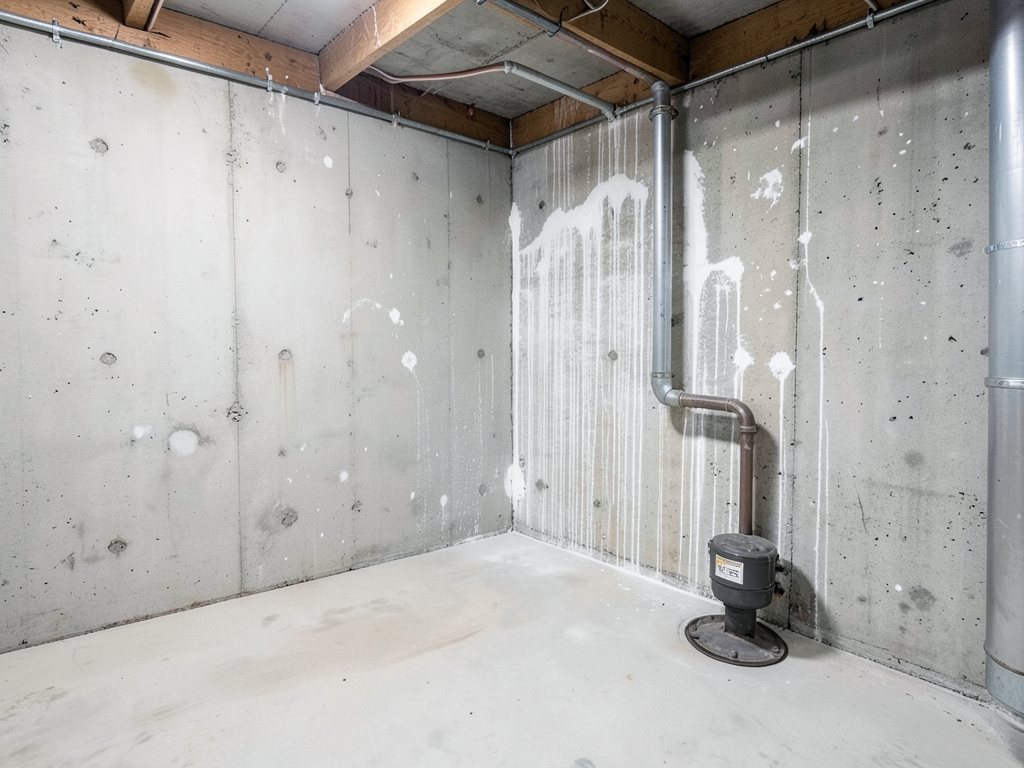
The problem is not your floor. The problem is hidden water. A slow leak under your kitchen sink. Groundwater seeping through foundation cracks common in Bay View and Riverwest homes built on clay soil. High humidity in crawl spaces. Even ice dams on North Shore Tudor-style homes can drip into wall cavities and migrate to flooring.

Raised wood floor edges signal active moisture intrusion. When wood absorbs water, it expands. When planks have nowhere to go, they cup upward at the edges or buckle in the center. You cannot sand this away. You cannot nail it down. If you ignore the water source, the damage spreads. Subfloor rot follows. Mold grows in the cavities. The structural deck weakens.

You need someone who understands moisture dynamics, not just flooring.

Why Milwaukee Hardwood Floors Warp, Cup, and Buckle
How We Stop Cupping and Restore Flat, Stable Floors

How We Stop Cupping and Restore Flat, Stable Floors

We do not patch symptoms. We eliminate the moisture source, dry the structure to equilibrium, and assess whether your hardwood can be saved or requires replacement.

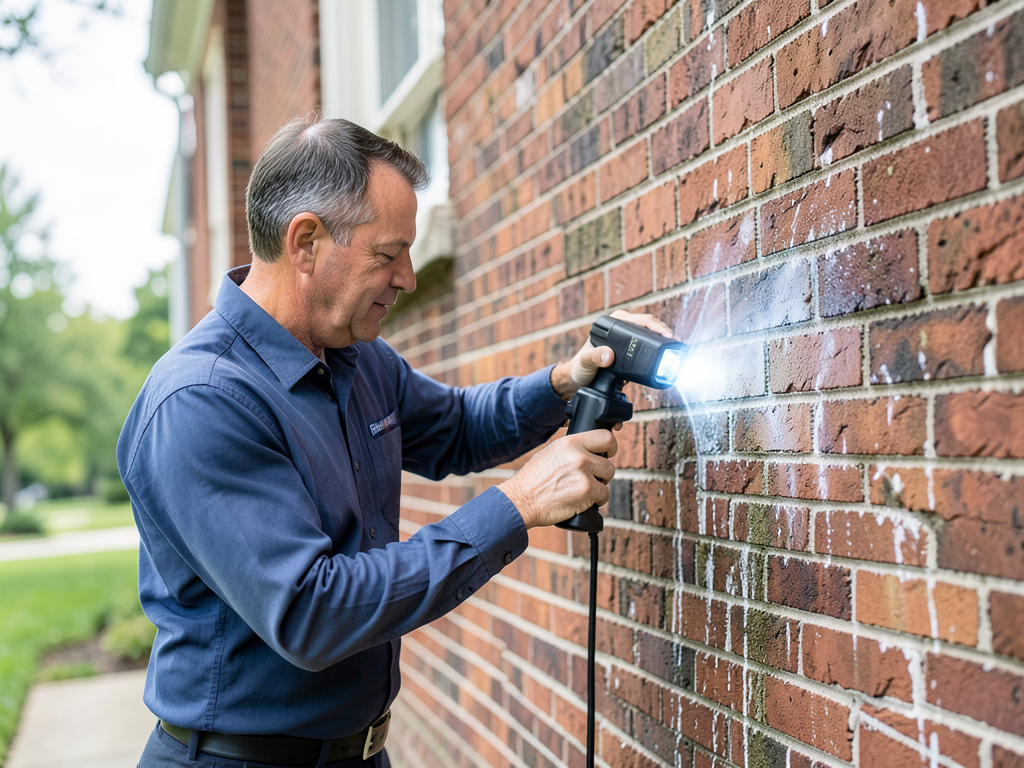
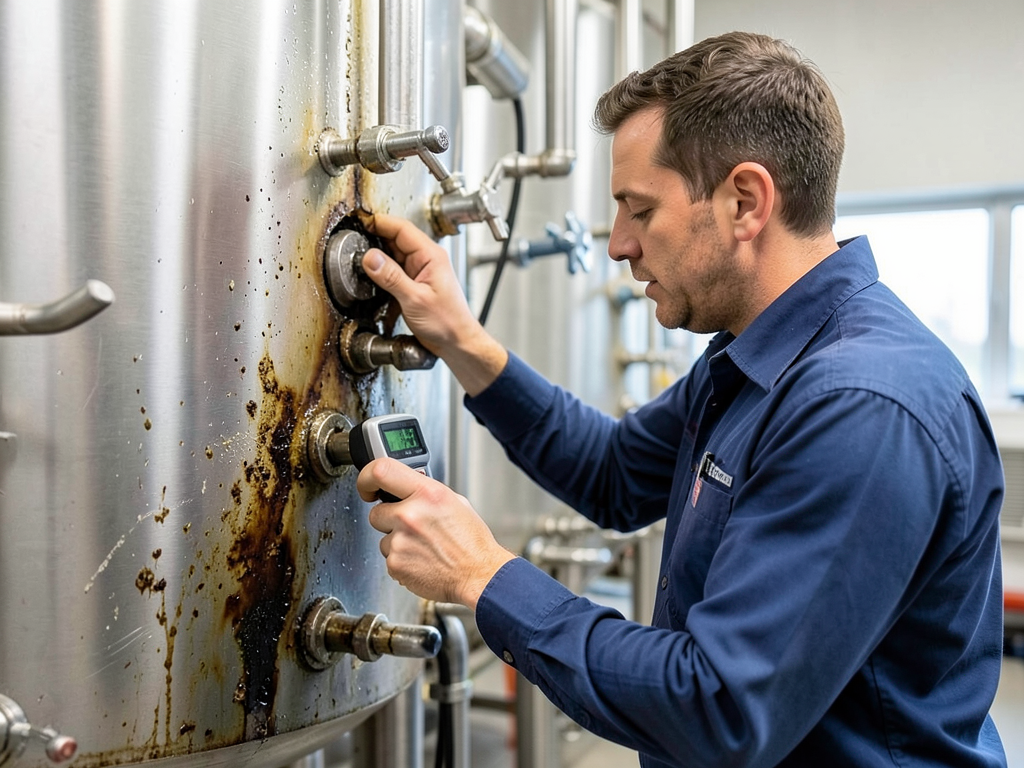
First, we deploy thermal imaging cameras and moisture meters calibrated for wood species. We map moisture gradients across your floor and into the subfloor. We check joist pockets, crawl spaces, and wall cavities. We measure relative humidity in the room and compare it to moisture content in the wood. This tells us if the problem is localized (a plumbing leak) or systemic (foundation seepage, poor ventilation).

Once we identify the source, we stop it. We repair leaks, seal foundation cracks, install vapor barriers, or correct drainage grading outside. Then we set up commercial dehumidifiers and air movers to pull moisture from the wood and subfloor. We monitor daily with pin-type and pinless moisture meters. Drying hardwood takes time. Rushing it causes cracking and splitting. We dry incrementally to match the wood's equilibrium moisture content for Milwaukee's climate, typically 6 to 9 percent.

After drying, we assess the floor. Minor cupping often self-corrects as wood contracts. Moderate warping may require sanding and refinishing once moisture stabilizes. Severe buckling or subfloor damage requires plank replacement and structural reinforcement. We also check for mold growth on subflooring and joists, particularly in homes with older plank subfloors common in Milwaukee's Historic Third Ward and Washington Heights.

Liberty Water Damage Restoration Riverside uses IICRC-certified water damage protocols and calibrated tools to ensure your floor dries correctly, not just quickly.

What Happens When We Repair Your Warped Floors

Cupping or Buckling Wood Floors in Milwaukee | Expert Diagnosis and Permanent Repair
01

Moisture Mapping

We use thermal imaging and multi-depth moisture meters to scan your floor, subfloor, and surrounding walls. We document moisture levels in each affected plank and identify the entry point. This diagnostic phase prevents guesswork and ensures we address the root cause, not just visible cupping or buckling.
02

Controlled Structural Drying

We place commercial dehumidifiers and air movers to create controlled airflow across the surface and edges of your flooring. We monitor moisture content daily, adjusting equipment to prevent over-drying. This gradual process allows wood fibers to contract uniformly, minimizing cracking and preserving as much of your original hardwood as possible.
03

Stability Verification

Once moisture levels stabilize at equilibrium, we re-measure all planks and assess flatness. We check for residual cupping, subfloor integrity, and mold. If the wood has returned to normal tolerance, we recommend refinishing. If structural damage persists, we provide a replacement plan and work directly with your insurance adjuster.

Why Milwaukee Homeowners Trust Liberty Water Damage Restoration Riverside

Hardwood floor damage is expensive. Replacing 500 square feet of oak flooring can exceed five figures. Refinishing costs less, but only if the wood is salvageable. We save you money by drying floors correctly the first time.

Most restoration companies dry too fast. They set up fans, leave for three days, and call it done. The surface feels dry. The subfloor is still wet. Three weeks later, cupping returns. You pay twice.

We follow IICRC S500 drying standards and verify results with calibrated tools. We measure moisture content in the top surface, the tongue-and-groove joint, and the subfloor beneath. All three must reach equilibrium before we remove equipment. This prevents secondary damage and callbacks.

Milwaukee's housing stock requires local knowledge. Homes in Wauwatosa and Whitefish Bay often have original 1920s hardwood over plank subflooring with no vapor barrier. Condensation from basements migrates upward through these older assemblies. We install vapor barriers and improve crawl space ventilation to prevent recurrence.

Newer subdivisions in Franklin and Oak Creek use engineered hardwood over OSB subfloors. These materials react differently to moisture. Engineered veneer delaminates if dried too aggressively. OSB swells permanently if moisture sits too long. We adjust our drying protocols based on your floor assembly.

Liberty Water Damage Restoration Riverside also coordinates directly with insurance carriers. We document findings with photos, moisture logs, and detailed estimates. We know what Milwaukee adjusters expect. This speeds approval and gets your home restored faster.

What to Expect When You Call Us

Same-Day Assessment

We respond within two hours for emergency water damage. For non-emergency cupping or buckling, we schedule assessments within 24 hours. Early intervention prevents subfloor rot and saves your hardwood. We bring diagnostic tools to the first visit and provide a written moisture map and action plan before we leave. You will know the scope, timeline, and whether your floor is salvageable.

Transparent Moisture Monitoring

We place numbered moisture probes in your floor and subfloor, then log readings daily. You receive a copy of the moisture log so you can track progress. We explain target moisture levels for your wood species and show you the data. This transparency builds trust and ensures you understand why drying takes as long as it does. We do not remove equipment until the science says it is safe.

Restored, Flat Floors

If your hardwood recovers, we coordinate refinishing with local Milwaukee contractors who specialize in water-damaged wood. If replacement is necessary, we handle demolition, subfloor repair, and new installation. We match wood species, plank width, and finish to blend seamlessly with undamaged areas. You get a floor that looks original and performs for decades.

Prevention Recommendations

After restoration, we provide a written report detailing what caused the damage and how to prevent it. This may include installing a sump pump, improving gutter drainage, sealing foundation cracks, or adding crawl space dehumidifiers. We also recommend annual moisture inspections for high-risk homes near floodplains or with poor ventilation. Prevention is cheaper than replacement.

Frequently Asked Questions

You Have Questions,
We Have Answers

What is the difference between cupping and buckling floors? +

Cupping happens when the edges of wood planks rise higher than the center, creating a concave shape. This occurs when moisture absorbs into the bottom of the boards faster than the top. Buckling is more severe. The planks lift entirely from the subfloor, creating visible peaks and gaps. Milwaukee's humid summers and wet basements often trigger cupping first. If moisture remains unchecked, cupping escalates to buckling. Cupping is reversible with proper drying. Buckling usually requires board replacement because the wood has separated from its fasteners and warped beyond repair.

Will cupped hardwood floors flatten out? +

Sometimes. If you catch cupping early and remove the moisture source, boards can flatten as they dry. Milwaukee homes with chronic basement moisture or slab leaks may see repeat cupping if the source remains. Proper drying takes weeks, not days. You need controlled conditions with dehumidifiers and airflow. If boards flatten but were sanded too early, you create crowned floors when moisture equalizes. Wait for moisture readings to stabilize before refinishing. Severe cupping that sat for months may leave permanent deformation. Professional moisture mapping determines if your floors will recover.

What does cupping look like on a wood floor? +

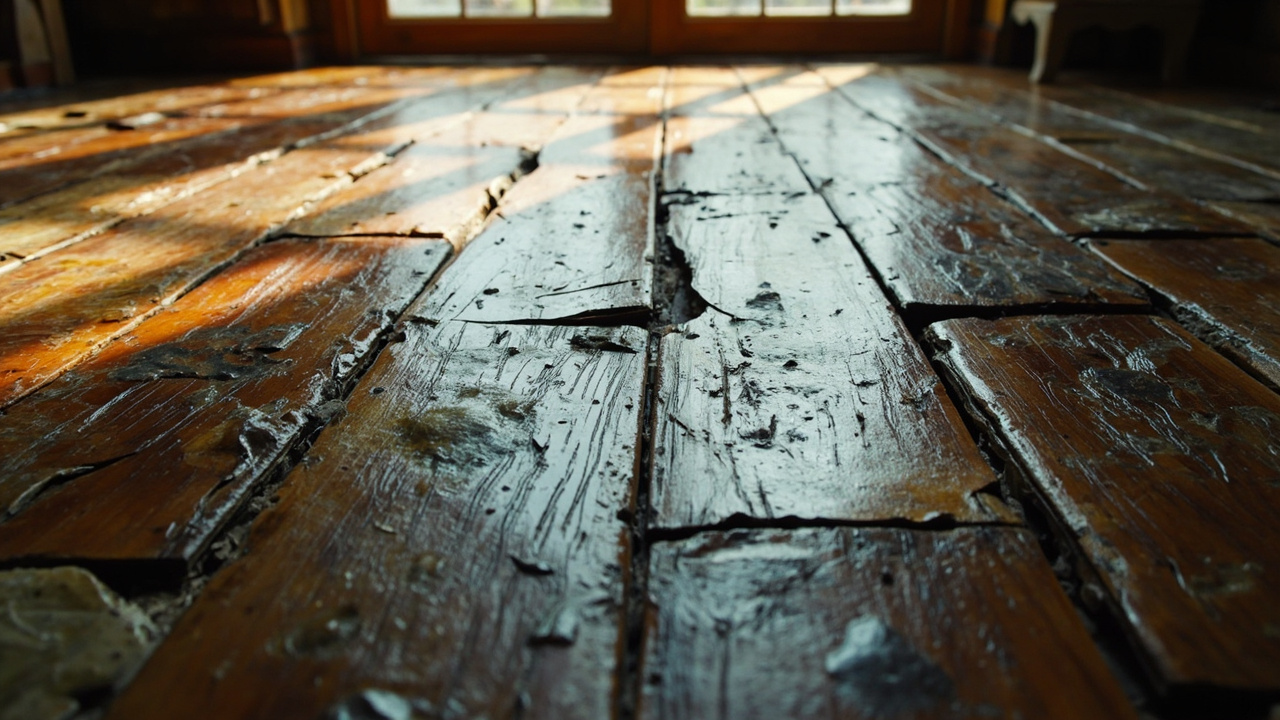
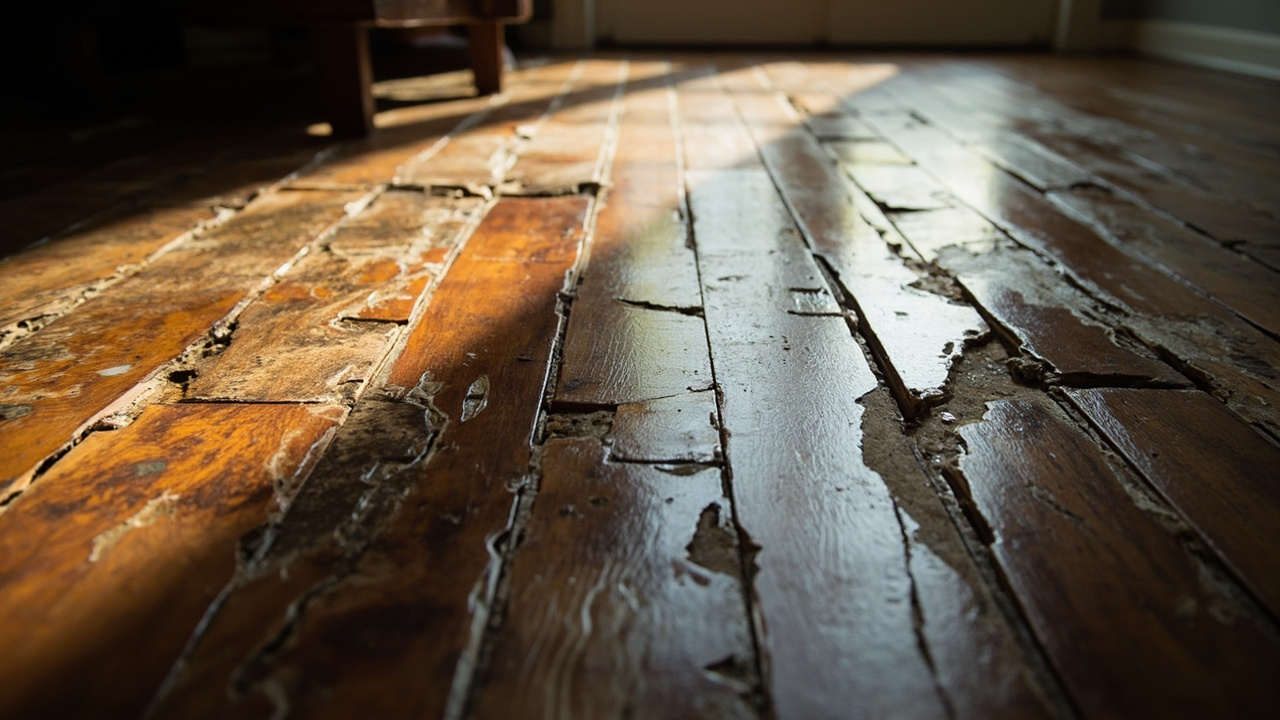
Run your hand across the planks. Cupped floors feel like shallow waves with raised edges and sunken centers. Visually, you see gaps between boards or planks that look dished out. Light hits the surface unevenly, creating shadows along the seams. In Milwaukee homes with foundation seepage or plumbing leaks, cupping often starts near exterior walls or bathrooms. The wood grain may look darker along edges where moisture concentrated. Severe cupping creates trip hazards and makes furniture wobble. You can sometimes see daylight through gaps between boards when looking at an angle.

What does a buckled hardwood floor look like? +

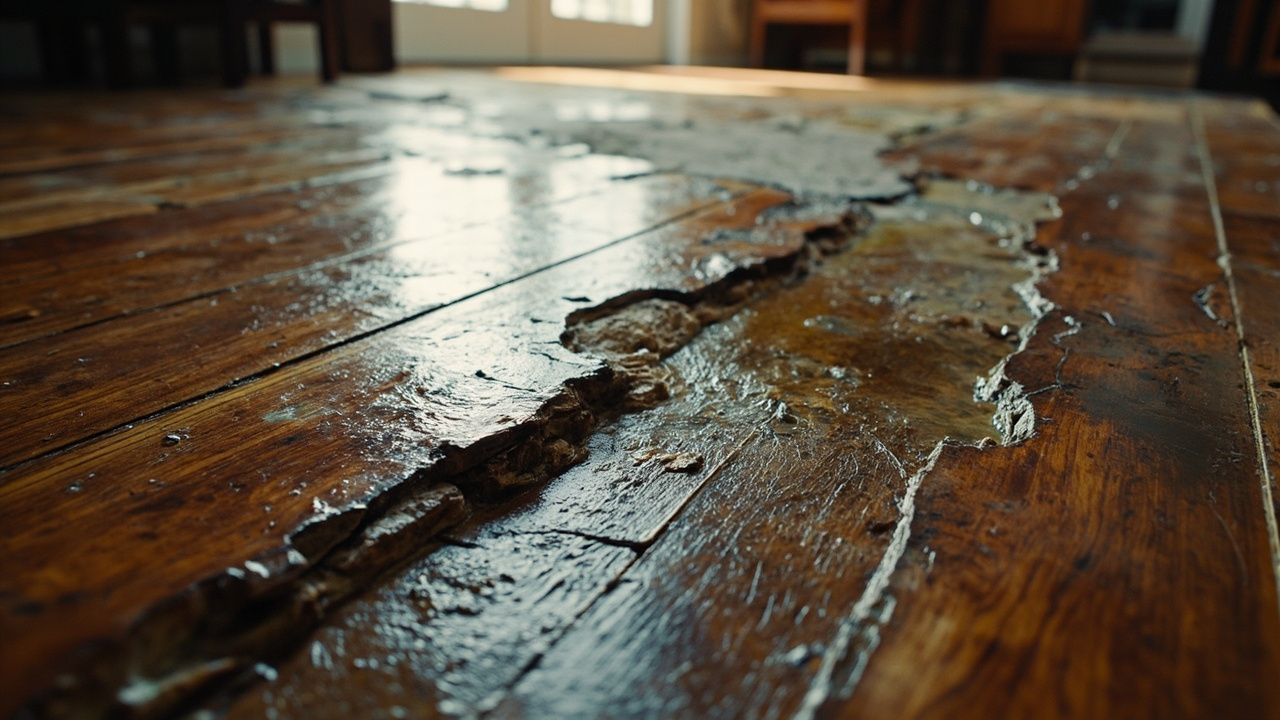
Buckled floors create visible humps or peaks where planks lifted from the subfloor. You see gaps underneath boards when you press down. The surface feels spongy or bounces underfoot. Entire sections may tent upward, pulling nails or breaking glue bonds. Milwaukee homes hit by water heater failures or storm flooding often show buckling within 24 hours. The damage looks dramatic compared to cupping. You might hear cracking sounds when walking across buckled areas. Baseboards may separate from walls as expanding wood pushes outward. Buckled floors rarely return to normal without professional intervention and board replacement.

Will buckled hardwood floors go back to normal? +

Rarely. Buckling means the wood expanded so aggressively it broke free from the subfloor. Even after drying, those planks stay warped and detached. Milwaukee's freeze-thaw cycles worsen buckling because temperature swings stress already damaged wood. You might see minor buckling flatten slightly, but fastening points remain compromised. The subfloor underneath often sustained water damage too, requiring repair before new flooring installs. Attempting to force buckled boards back down risks cracking them further. Most buckled floors need partial or full replacement. Quick water extraction within the first 48 hours prevents buckling from developing.

Can cupped hardwood floors be repaired? +

Yes, if you address the moisture source first. Repair involves drying the affected area with commercial dehumidifiers and air movers for two to four weeks. Milwaukee's high groundwater levels mean you must fix foundation issues or crawlspace moisture before repairs hold. Once moisture content drops to normal levels, lightly cupped floors may flatten enough to sand and refinish. Heavily cupped boards need replacement. A moisture meter confirms when wood reaches equilibrium with your home's environment. Skipping this step leads to repeat cupping. Professional restoration ensures proper drying protocols and identifies hidden moisture pockets in subfloors.

How much does it cost to repair cupping wood floors? +

Repair costs depend on severity and square footage. Minor cupping requiring drying and refinishing runs less than replacement. Severe cupping with subfloor damage costs more because contractors remove planks, treat the subfloor, and install new boards. Milwaukee homes with basement moisture often need foundation waterproofing or sump pump repairs as part of the fix, adding to total costs. Insurance may cover water damage repairs depending on your policy and the loss cause. Get multiple quotes from contractors experienced with hardwood restoration. Emergency water extraction within 24 hours significantly reduces repair expenses by preventing buckling.

What would cause hardwood floors to cup? +

Moisture imbalance causes cupping. Water reaches the bottom of boards faster than the top, making edges swell upward. Common culprits in Milwaukee include basement humidity, foundation cracks leaking groundwater, plumbing leaks under floors, or improper vapor barriers during installation. Seasonal humidity swings affect older homes without climate control. Flooding from storms or appliance failures saturates subfloors quickly. Poor ventilation in crawlspaces traps moisture against wood. Installing hardwood before concrete slabs fully cure introduces trapped moisture. Even high indoor humidity during summer months causes gradual cupping if wood was installed too dry.

Will a dehumidifier pull water from under the floor? +

A dehumidifier removes airborne moisture but does not pull standing water from subfloors. It helps dry surface moisture and prevents additional humidity from reaching floors. For water trapped under flooring, you need professional extraction equipment. Milwaukee contractors use specialty drying mats that create suction between the floor and subfloor, pulling moisture upward while dehumidifiers handle airborne humidity. This process takes days to weeks depending on saturation levels. Running a household dehumidifier helps maintain proper humidity after professional drying finishes. It prevents future cupping but cannot fix existing water damage alone. Address the leak source first.

Is wood floor cupping permanent? +

Not always. Early-stage cupping from minor moisture exposure reverses with proper drying. Milwaukee homeowners who catch cupping within weeks often see boards flatten completely. Cupping that sat for months or years can leave permanent deformation because wood cells compressed and memory-set in the warped position. Repeated cupping cycles from chronic moisture problems cause cumulative damage that becomes permanent. The finish may also crack during cupping, requiring refinishing even if boards flatten. Professional moisture assessment determines if your floors will recover or need replacement. Acting fast when you first notice cupping gives you the best chance at full recovery.

How Milwaukee's Clay Soil and Humid Summers Cause Chronic Floor Warping

Milwaukee sits on expansive clay soil that shifts with moisture changes. During spring thaw and summer storms, groundwater rises and pushes against basement walls. Older homes in Shorewood, Greenfield, and West Allis often lack exterior waterproofing or interior drainage systems. Water seeps through foundation cracks and saturates subflooring. Combined with Milwaukee's 75 to 80 percent summer humidity, this creates perfect conditions for swollen wood planks and lifting floorboards. Homes near Lake Michigan face additional moisture from lake effect humidity, which keeps basements damp even without active leaks.

Liberty Water Damage Restoration Riverside understands how Milwaukee's building codes and climate impact wood flooring. We know which neighborhoods have high water tables, which streets flood during heavy rain, and which home styles are most vulnerable to moisture intrusion. Our technicians are trained in Wisconsin-specific moisture management and work with local building inspectors to ensure all repairs meet city standards. This local expertise means faster approvals, better outcomes, and floors that stay flat year after year.
Water Damage Restoration Services in The Milwaukee Area

All Pro Water Damage Restoration Milwaukee is proud to serve the entire Milwaukee metropolitan area and surrounding communities, bringing our fast, professional, and reliable services directly to your residential or commercial location. While we are a mobile, 24/7 rapid-response team, you can use the map below to visualize our service area and confirm our commitment to local expertise. We are always ready to dispatch certified technicians to your exact location to provide immediate, expert water damage help.

Address:
All Pro Water Damage Restoration Milwaukee, 790 N Milwaukee St, Milwaukee, WI, 53202

Additional Services We Offer

Our news updates

Latest Articles & News from The Blogs

Preventing Moisture Buildup in the Historic Mansions of Cold Spring Park Historic mansions in Cold Spring Park face unique moisture…

Preventing Moisture Buildup in the Historic Mansions of Cold Spring Park

Preventing Moisture Buildup in the Historic Mansions of Cold Spring Park Historic mansions in Cold Spring Park face unique moisture…

How to Clean Up After a Commercial Beverage Line Leak in a Milwaukee Bar or Brewery

How to Clean Up After a Commercial Beverage Line Leak in a Milwaukee Bar or Brewery A beverage line leak…

Why Your Cudahy Basement Feels Damp Even When Your Sump Pump Is Working

Your Cudahy Basement Still Feels Damp? Here’s Why If your basement feels damp even though your sump pump runs fine…

Contact Us

Warped hardwood gets worse, not better. Call Liberty Water Damage Restoration Riverside at (414) 392-1771 for same-day moisture assessment and a clear repair plan. We dry floors right the first time.