
What Every Hartland Homeowner Should Know About Hydrostatic Pressure and Basement Seepage
Water seeping through your basement walls or floor isn’t just a nuisance. It’s a sign that hydrostatic pressure is building up against your foundation. In Hartland, Wisconsin, where heavy clay soil and seasonal moisture create the perfect conditions for water pressure to rise, understanding this problem could save you thousands in structural repairs and prevent dangerous mold growth. Wisconsin Department of Health Services mold cleanup guidelines.
Hydrostatic pressure occurs when water accumulates in the soil around your foundation and pushes against basement walls and floors. This pressure can force water through even the smallest cracks, leading to persistent leaks that worsen over time. For Hartland homeowners, this is especially concerning because our local soil conditions and weather patterns create a perfect storm for basement water issues. Emergency Water Removal Services for Bay View Homeowners and Business Owners.
How Hydrostatic Pressure Affects Hartland Homes
The soil in Hartland and much of Waukesha County contains high levels of clay. Clay soil is notorious for holding water like a sponge. When heavy rains fall or snow melts in spring, water collects in the soil and creates pressure against your foundation walls. This pressure can reach hundreds of pounds per square foot. Restoring Water Damaged Offices and Lofts in the Historic Third Ward.
Wisconsin’s freeze-thaw cycles make the problem worse. When water in the soil freezes, it expands and creates additional pressure. When it thaws, more water can seep in, creating a repeating cycle that gradually weakens your foundation. The Wisconsin Department of Safety and Professional Services building codes recognize these regional challenges and require specific drainage solutions for homes in areas with expansive soils. Professional Mold Remediation for Families in Mequon and Thiensville.
According to the IICRC S500 Standard for Professional Water Damage Restoration, basement water intrusion requires immediate attention because it creates conditions for mold growth within 24 to 48 hours. The standard classifies this type of water damage as Category 3 when it involves contaminated groundwater, requiring specialized cleanup procedures. IICRC S500 Standard for Professional Water Damage Restoration.
Signs Your Basement Has Hydrostatic Pressure Problems
Water doesn’t always appear as a visible puddle. Sometimes it seeps slowly through concrete, leaving subtle signs that homeowners miss until major damage occurs. Here are the warning signs specific to Hartland’s conditions: Signs of Hidden Mold.
Efflorescence on walls: That white, chalky powder on your basement walls isn’t just dirt. It’s mineral deposits left behind when water evaporates through concrete. This indicates water is already moving through your foundation walls.
Cove joint seepage: The cove joint is where your basement floor meets the walls. Water often enters here first because it’s the path of least resistance. During heavy rains, you might see water bubbling up along this seam.
Floor cracks that widen: Small hairline cracks in your basement floor can grow larger when hydrostatic pressure pushes up from below. These cracks often appear in a spiderweb pattern.
Musty odors: Even if you don’t see water, a persistent musty smell indicates moisture is present. In Hartland’s humid summers, this moisture can lead to mold growth behind walls.
Paint peeling or bubbling: Water pushing through walls can cause paint to lose adhesion. If you notice bubbling or peeling paint in your basement, water is likely present behind the surface.
Why Hartland’s Location Makes You Vulnerable
Hartland sits in a region where several factors combine to increase hydrostatic pressure risks. The area’s clay-rich soil, known as Waukesha clay, has a high shrink-swell potential. This means it expands when wet and contracts when dry, creating movement that can crack foundations.
The Village of Hartland’s proximity to the Bark River and Nagawicka Lake means the water table can be higher than in surrounding areas. During spring thaws or heavy rains, this elevated water table increases the pressure against basement walls and floors. Water Damage Restoration South Milwaukee.
Many homes in Hartland were built in the 1970s through 1990s when building practices were different. Older homes often lack modern drainage systems like interior drain tiles or properly functioning sump pumps. The Village of Hartland’s building inspections department has documented that many pre-2000 homes need drainage upgrades to meet current standards.. Read more about The truth about drain tile systems in Wauwatosa clay soils.
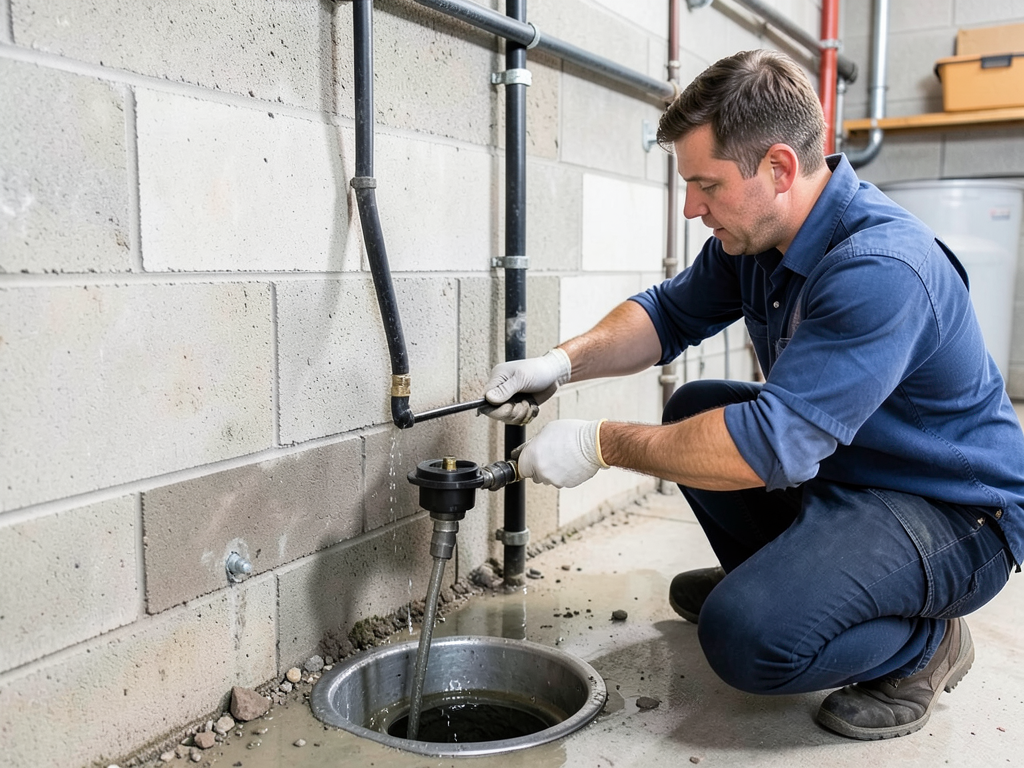
Diagram showing how hydrostatic pressure builds against foundation walls when clay soil becomes saturated with water.
The Hidden Dangers of Ignoring Basement Seepage
Many Hartland homeowners think a little water in the basement is normal, especially during heavy rains. This misconception can lead to serious problems that affect your home’s value and your family’s health.. Read more about Restoring Your Finished Basement After a Window Well Failure in Delafield.
Structural damage: When hydrostatic pressure continues unchecked, it can cause foundation walls to bow inward or crack. These structural issues are expensive to repair and can compromise your home’s safety.
Mold growth: The Wisconsin Department of Health Services warns that mold exposure can cause respiratory problems, allergic reactions, and other health issues. Basements with water problems create ideal conditions for toxic mold species like Stachybotrys chartarum to grow.
Electrical hazards: Water and electricity don’t mix. Basement water can reach electrical panels, outlets, or wiring, creating shock hazards and fire risks.
Decreased property value: Water damage history can reduce your home’s market value by 10% to 25%. Prospective buyers often walk away from homes with known basement water issues.
Insurance complications: Many insurance policies don’t cover gradual water damage. If you’ve ignored the problem, you might be responsible for all repair costs when major damage occurs.
Proven Solutions for Hartland Basement Water Problems
Addressing hydrostatic pressure requires a systematic approach. Here’s what works for Hartland homes based on local conditions:
Interior drainage systems: Installing interior drain tiles along basement walls collects water before it enters your living space. These systems channel water to a sump pump for removal. For homes on clay soil, this is often the most effective first step.
Sump pump installation and maintenance: A properly sized sump pump is your first line of defense. In Hartland, where heavy rains are common, a battery backup system ensures your pump works during power outages. The National Association of Home Builders recommends testing your sump pump every three months.
Exterior waterproofing: This involves excavating around your foundation and applying waterproof membranes. While expensive, it’s sometimes necessary for severe cases. The Wisconsin Uniform Dwelling Code requires exterior waterproofing for new construction in areas with high water tables.
Grading and downspout extensions: Simple fixes like ensuring your yard slopes away from your foundation and extending downspouts at least 6 feet from your house can significantly reduce water accumulation near your basement.
Window well drainage: Basement windows can be entry points for water. Installing proper drainage in window wells prevents water from pooling against window frames and seeping inside.
When to Call a Professional Restoration Expert
Not every water spot requires professional help, but certain situations demand immediate expert attention. Here’s how to know when it’s time to call All Pro Water Damage Restoration Milwaukee at (414) 392-1771:. Read more about What to do if your Milwaukee rental property floods while you are out of town.
Active flooding: If water is actively entering your basement, don’t wait. Standing water can cause electrical hazards and structural damage within hours.
Recurring problems: If you’ve cleaned up water multiple times but the problem keeps returning, you need professional diagnosis to address the root cause.
Visible foundation damage: Cracks wider than 1/8 inch, bowing walls, or horizontal cracks indicate serious structural issues requiring immediate attention.
Health concerns: If family members experience increased allergy symptoms, respiratory issues, or unexplained illnesses that improve when away from home, mold might be present.
Insurance claims: Professional documentation of water damage is often required for insurance claims. Our team provides detailed reports that satisfy insurance company requirements.
Time-sensitive situations: Water damage worsens by the hour. Our 24/7 emergency response team can arrive within 60 minutes to begin mitigation and prevent further damage.
Emergency Steps for Active Basement Flooding
If you discover water actively entering your basement, take these steps immediately while waiting for professional help:
- Ensure safety first
Turn off electricity to affected areas if water is near outlets or appliances. Never enter standing water if you’re unsure about electrical safety.
- Stop the water source
If the flooding is from a burst pipe, shut off your main water valve. If it’s groundwater, you’ll need professional help to stop it.
- Document the damage
Take photos and videos of all affected areas before moving anything. This documentation is crucial for insurance claims.
- Remove valuables
Move furniture, electronics, and important documents to dry areas. Elevate items on blocks if you can’t move them completely.
- Begin water removal
Use a wet vacuum, mops, or towels to remove standing water if it’s safe to do so. Every hour counts in preventing further damage.

Technician using moisture meters to detect hidden water in basement walls during a professional inspection.
Preventing Future Basement Water Problems
Once you’ve addressed immediate water issues, prevention becomes your best strategy. Here are maintenance steps that work in Hartland’s climate:
Annual sump pump testing: Pour water into your sump pit to ensure your pump activates properly. Replace pumps every 7 to 10 years, as they wear out over time.
Clean gutters and downspouts: Clogged gutters cause water to overflow and pool near your foundation. Clean them at least twice yearly, more often if you have trees nearby.
Check grading annually: Soil settles over time, potentially creating negative slopes toward your foundation. Add soil as needed to maintain positive drainage away from your home.
Inspect foundation regularly: Walk around your home’s exterior monthly, looking for new cracks, deteriorating mortar, or signs of water damage. Early detection prevents expensive repairs.
Install water sensors: Place water alarms near potential problem areas like sump pits, water heaters, and washing machines. These provide early warning of leaks.
Maintain proper humidity: Use dehumidifiers in summer to keep basement humidity below 60%. This prevents condensation and reduces mold growth risk.
Understanding the Cost of Professional Water Damage Restoration
Many Hartland homeowners worry about restoration costs, but delaying repairs almost always costs more. Professional water damage restoration follows industry standards that ensure thorough, safe cleanup.
The IICRC S500 standard requires different approaches based on water contamination levels. Clean water from a broken supply line requires less extensive cleanup than contaminated groundwater that may contain bacteria or chemicals.
Professional restoration includes water extraction, structural drying, antimicrobial treatment, and monitoring until your home returns to normal moisture levels. This process typically takes 3 to 5 days for moderate damage, though severe cases may require longer.
Insurance often covers sudden water damage, but not gradual problems from poor maintenance. That’s why prevention and early intervention are so important for Hartland homeowners.
Before and after comparison showing basement restoration with new drainage system and repaired walls.
Why Choose Local Milwaukee Experts
Water damage restoration isn’t just about removing water. It’s about understanding local conditions and providing solutions that work in your specific environment. All Pro Water Damage Restoration Milwaukee has served the greater Milwaukee area for over 15 years, including countless Hartland homes.
Our team understands the unique challenges of Wisconsin’s climate, from spring thaws to summer thunderstorms. We know how Hartland’s clay soil behaves and which solutions provide lasting results in our region.
We’re not a national chain applying one-size-fits-all solutions. We’re your neighbors who understand local building codes, soil conditions, and weather patterns. Our 24/7 emergency response means we’re always ready when water problems strike.
Don’t wait until a small problem becomes a major disaster. If you’re seeing signs of basement water issues, call (414) 392-1771 today to schedule your inspection. Early intervention can save you thousands in repairs and protect your family’s health.
Pick up the phone and call (414) 392-1771 before the next storm hits. Your home’s foundation and your family’s health are too important to risk.
Frequently Asked Questions
How much does basement waterproofing cost in Hartland?
Costs vary widely based on your home’s size, the extent of water problems, and the solutions needed. Interior drainage systems typically range from $3,000 to $8,000, while exterior waterproofing can cost $10,000 to $25,000. We provide free inspections and detailed quotes specific to your situation.
Can I fix basement water problems myself?
Minor issues like extending downspouts or improving grading can be DIY projects. However, hydrostatic pressure problems usually require professional diagnosis and solutions. Improper fixes can make problems worse or mask serious structural issues that need immediate attention.
How long does professional water damage restoration take?
Most residential water damage restoration projects take 3 to 5 days for complete drying and cleanup. Severe cases or those involving mold remediation may take longer. We provide daily progress updates and work efficiently to minimize disruption to your life.
Will my insurance cover basement water damage?
Insurance coverage depends on the water source. Sudden, accidental damage from burst pipes is usually covered. However, gradual damage from poor maintenance or groundwater seepage is often excluded. We can help you understand your coverage and provide documentation for claims.
What’s the difference between waterproofing and water damage restoration?
Waterproofing prevents water from entering your basement through proactive measures like drainage systems and sealants. Water damage restoration addresses existing water problems by removing water, drying structures, and repairing damage. Both are important, but they serve different purposes in protecting your home.
{
“@context”: “https://schema.org”,
“@type”: “BlogPosting”,
“headline”: “What Every Hartland Homeowner Should Know About Hydrostatic Pressure and Basement Seepage”,
“description”: “Learn how hydrostatic pressure causes basement leaks in Hartland homes. Discover local soil conditions, warning signs, and when to call Milwaukee’s water damage experts.”,
“wordCount”: 2195,
“datePublished”: “2026-04-14T06:44:00.000Z”,
“dateModified”: “2026-04-14T06:44:00.000Z”,
“inLanguage”: “en-US”,
“mainEntityOfPage”: {
“@type”: “WebPage”,
“@id”: “https://allprowaterdamagerestorationmilwaukee.com”
},
“publisher”: {
“@type”: “LocalBusiness”,
“name”: “All Pro Water Damage Restoration Milwaukee”,
“url”: “https://allprowaterdamagerestorationmilwaukee.com”
},
“author”: {
“@type”: “Organization”,
“name”: “All Pro Water Damage Restoration Milwaukee”,
“url”: “https://allprowaterdamagerestorationmilwaukee.com”
},
“image”: {
“@type”: “ImageObject”,
“url”: “https://allprowaterdamagerestorationmilwaukee.com/wp-content/uploads/2026/03/what-every-hartland-homeowner-should-know-about-hy-1.png”
}
}
{
“@context”: “https://schema.org”,
“@type”: “LocalBusiness”,
“name”: “All Pro Water Damage Restoration Milwaukee”,
“url”: “https://allprowaterdamagerestorationmilwaukee.com”,
“address”: {
“@type”: “PostalAddress”,
“addressLocality”: “Milwaukee”
},
“areaServed”: {
“@type”: “City”,
“name”: “Milwaukee”
}
}
{
“@context”: “https://schema.org”,
“@type”: “FAQPage”,
“mainEntity”: [
{
“@type”: “Question”,
“name”: “How much does basement waterproofing cost in Hartland?”,
“acceptedAnswer”: {
“@type”: “Answer”,
“text”: “Costs vary widely based on your home’s size, the extent of water problems, and the solutions needed. Interior drainage systems typically range from $3,000 to $8,000, while exterior waterproofing can cost $10,000 to $25,000. We provide free inspections and detailed quotes specific to your situation.”
}
},
{
“@type”: “Question”,
“name”: “Can I fix basement water problems myself?”,
“acceptedAnswer”: {
“@type”: “Answer”,
“text”: “Minor issues like extending downspouts or improving grading can be DIY projects. However, hydrostatic pressure problems usually require professional diagnosis and solutions. Improper fixes can make problems worse or mask serious structural issues that need immediate attention.”
}
},
{
“@type”: “Question”,
“name”: “How long does professional water damage restoration take?”,
“acceptedAnswer”: {
“@type”: “Answer”,
“text”: “Most residential water damage restoration projects take 3 to 5 days for complete drying and cleanup. Severe cases or those involving mold remediation may take longer. We provide daily progress updates and work efficiently to minimize disruption to your life.”
}
},
{
“@type”: “Question”,
“name”: “Will my insurance cover basement water damage?”,
“acceptedAnswer”: {
“@type”: “Answer”,
“text”: “Insurance coverage depends on the water source. Sudden, accidental damage from burst pipes is usually covered. However, gradual damage from poor maintenance or groundwater seepage is often excluded. We can help you understand your coverage and provide documentation for claims.”
}
},
{
“@type”: “Question”,
“name”: “What’s the difference between waterproofing and water damage restoration?”,
“acceptedAnswer”: {
“@type”: “Answer”,
“text”: “Waterproofing prevents water from entering your basement through proactive measures like drainage systems and sealants. Water damage restoration addresses existing water problems by removing water, drying structures, and repairing damage. Both are important, but they serve different purposes in protecting your home.”
}
}
]
}
{
“@context”: “https://schema.org”,
“@type”: “HowTo”,
“name”: “Emergency Basement Flooding Response”,
“step”: [
{
“@type”: “HowToStep”,
“position”: 1,
“name”: “Ensure safety first”,
“text”: “Turn off electricity to affected areas if water is near outlets or appliances. Never enter standing water if you’re unsure about electrical safety.”
},
{
“@type”: “HowToStep”,
“position”: 2,
“name”: “Stop the water source”,
“text”: “If the flooding is from a burst pipe, shut off your main water valve. If it’s groundwater, you’ll need professional help to stop it.”
},
{
“@type”: “HowToStep”,
“position”: 3,
“name”: “Document the damage”,
“text”: “Take photos and videos of all affected areas before moving anything. This documentation is crucial for insurance claims.”
},
{
“@type”: “HowToStep”,
“position”: 4,
“name”: “Remove valuables”,
“text”: “Move furniture, electronics, and important documents to dry areas. Elevate items on blocks if you can’t move them completely.”
},
{
“@type”: “HowToStep”,
“position”: 5,
“name”: “Begin water removal”,
“text”: “Use a wet vacuum, mops, or towels to remove standing water if it’s safe to do so. Every hour counts in preventing further damage.”
}
],
“image”: “https://allprowaterdamagerestorationmilwaukee.com/wp-content/uploads/2026/03/what-every-hartland-homeowner-should-know-about-hy-1.png”
}
{
“@context”: “https://schema.org”,
“@type”: “BreadcrumbList”,
“itemListElement”: [
{
“@type”: “ListItem”,
“position”: 1,
“name”: “Home”,
“item”: “https://allprowaterdamagerestorationmilwaukee.com”
},
{
“@type”: “ListItem”,
“position”: 2,
“name”: “Blog”,
“item”: “https://allprowaterdamagerestorationmilwaukee.com/blog”
},
{
“@type”: “ListItem”,
“position”: 3,
“name”: “What Every Hartland Homeowner Should Know About Hydrostatic Pressure and Basement Seepage”
}
]
}
{
“@context”: “https://schema.org”,
“@type”: “Service”,
“serviceType”: “Water Damage Restoration”,
“provider”: {
“@type”: “LocalBusiness”,
“name”: “All Pro Water Damage Restoration Milwaukee”,
“url”: “https://allprowaterdamagerestorationmilwaukee.com”
},
“areaServed”: {
“@type”: “City”,
“name”: “Milwaukee”
},
“description”: “Learn how hydrostatic pressure causes basement leaks in Hartland homes. Discover local soil conditions, warning signs, and when to call Milwaukee’s water damage experts.”
}