
Why Your Chimney Flashing Is Likely the Cause of That Weird Ceiling Stain in East Tosa
Got a mysterious brown stain on your ceiling near the chimney? You’re not alone. In East Tosa’s historic bungalow neighborhoods, chimney flashing failures are the number one hidden cause of ceiling water damage. Those charming brick chimneys built in the 1920s and 1930s often have aging flashing that can’t handle today’s freeze-thaw cycles and heavy Lake Michigan storms. Emergency Water Removal Services for Bay View Homeowners and Business Owners.
Before you repaint or patch that stain, you need to know what’s really happening above your ceiling. A small flashing leak today becomes a major structural problem tomorrow. The good news? Professional flashing inspection and repair can stop the damage before it spreads through your plaster walls and hardwood floors. EPA mold guidelines.
Understanding Chimney Flashing in East Tosa Homes
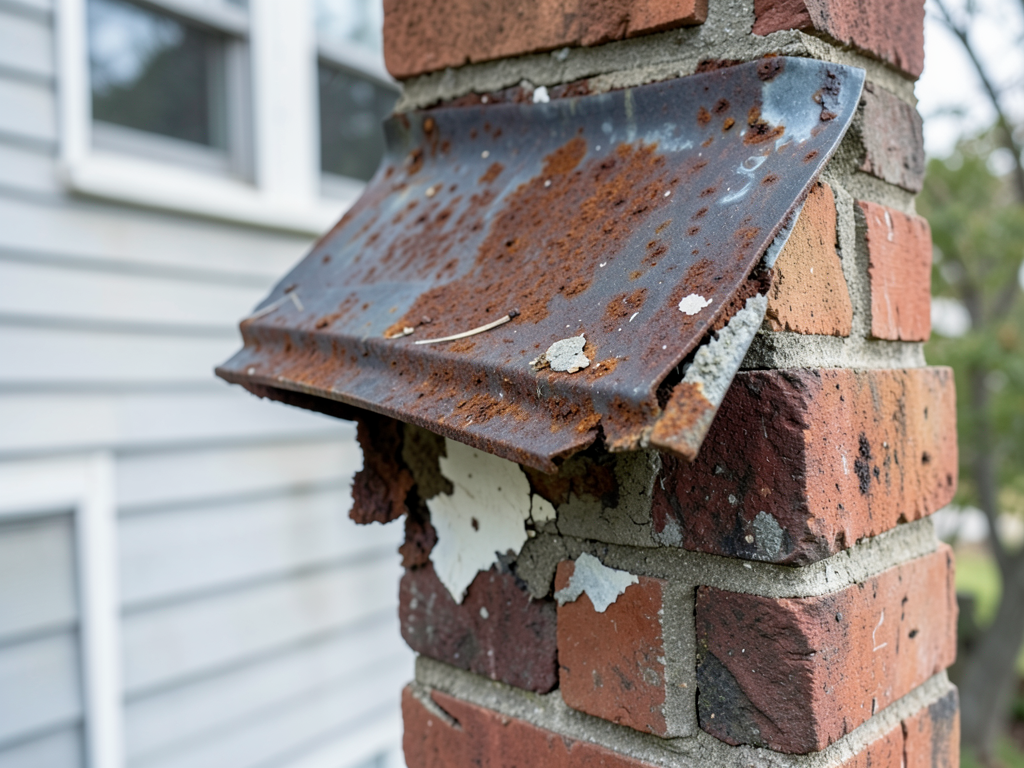
Chimney flashing is the metal barrier that seals the gap between your chimney and roof. In East Tosa’s older homes, this flashing is often made from galvanized steel or copper that’s been exposed to Wisconsin weather for 80+ years. When flashing fails, water seeps down the chimney structure and into your ceiling. Restoring Water Damaged Offices and Lofts in the Historic Third Ward.
East Tosa’s specific climate creates perfect conditions for flashing failure. The area’s heavy clay soil and freeze-thaw cycles cause roof movement that stresses metal joints. Plus, many East Tosa homes sit on lots with poor drainage, directing water toward foundation and roof intersections. Water Damage Restoration South Milwaukee.
The diagnostic process starts with a moisture meter reading. Our technicians use thermal imaging to detect cold spots behind your ceiling where water has collected. We then trace the moisture path back to the chimney base, often finding deteriorated sealant or rusted flashing corners.
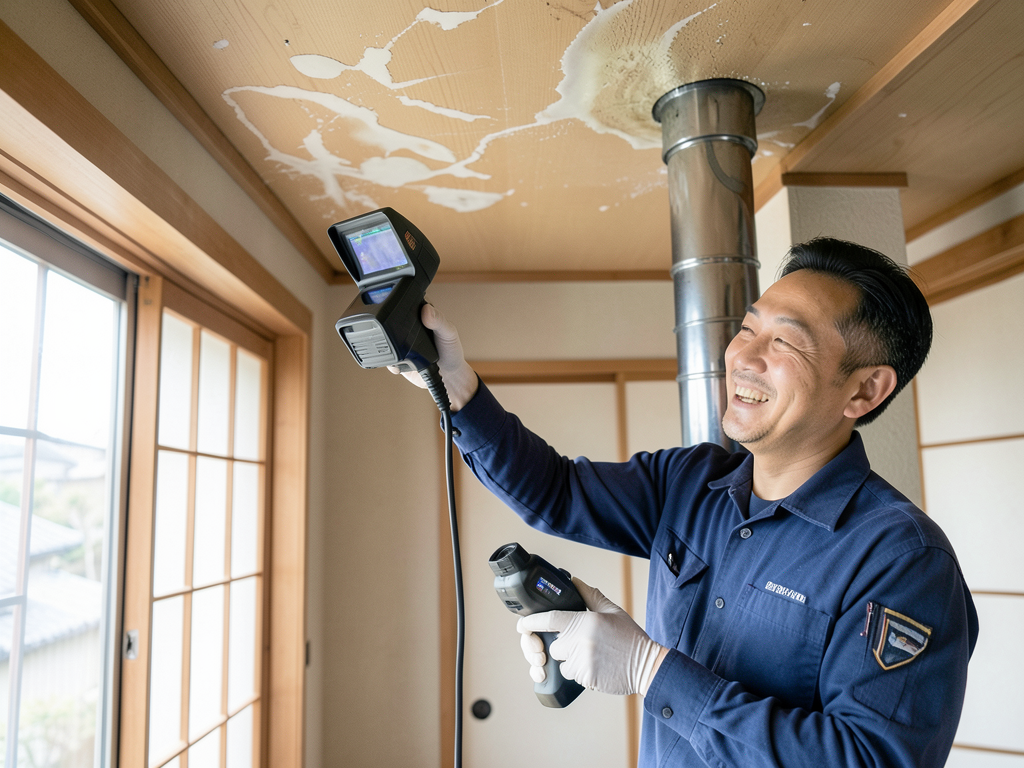
Diagram showing how chimney flashing connects to roof structure and common failure points in older Milwaukee homes
Common Signs Your Chimney Flashing Needs Attention
Water stains aren’t the only indicator of flashing problems. East Tosa homeowners should watch for these warning signs that appear during our chimney inspections: Signs of Hidden Mold.
- Brown or yellow ceiling discoloration near the chimney
- Peeling paint or bubbling plaster on adjacent walls
- Musty odors that worsen during rain
- Visible rust streaks running down the chimney
- Loose or missing mortar between bricks
Many East Tosa residents notice these issues after heavy spring rains or winter thaws. The Milwaukee area receives an average of 34 inches of precipitation annually, with concentrated bursts during lake-effect storms that test aging flashing systems.
During a recent inspection on North Avenue, we found a homeowner had repainted their ceiling three times over two years, never realizing the flashing beneath was completely deteriorated. The flashing had separated from the chimney base, creating a direct path for water infiltration.
The East Tosa Architectural Factor
East Tosa’s distinctive bungalow architecture creates unique flashing challenges. These homes typically feature:
| Feature | Challenge | Solution |
|---|---|---|
| Low-pitched roofs | Water pools near chimney base | Cricket installation to divert water |
| Decorative chimneys | Complex flashing angles | Custom-formed step flashing |
| Plaster walls | Water damage spreads quickly | Rapid moisture extraction |
The area’s clay-rich soil also contributes to foundation movement. As foundations shift slightly over decades, chimneys can tilt, putting stress on flashing joints. This is especially common in the 53213 and 53226 zip codes where many East Tosa homes were built on former marshland.
Wisconsin Uniform Dwelling Code Section Comm 20 requires proper flashing installation with specific overlap requirements. Many East Tosa homes predate these codes, making professional assessment critical for modern weather resistance. Professional Mold Remediation for Families in Mequon and Thiensville.
Technician using moisture meter on ceiling near chimney to detect water infiltration patterns
Professional Inspection Process for Chimney-Related Ceiling Damage
Our inspection follows a systematic approach that identifies both obvious and hidden damage. Here’s what happens when you call (414) 392-1771 for a chimney flashing assessment:
- Visual Exterior Assessment
We examine chimney condition, flashing type, and roof pitch. East Tosa’s older homes often have multiple roof levels that complicate flashing repair.
- Interior Moisture Mapping
Using thermal imaging cameras, we create a moisture map showing water spread through ceiling and wall cavities.
- Material Testing
We test plaster integrity and check for mold growth in affected areas. East Tosa’s humid summers can accelerate mold development in water-damaged spaces.. Read more about When to replace water-damaged fiberglass insulation in your Brown Deer attic.
- Structural Assessment
We evaluate whether water has compromised ceiling joists or roof decking. Many East Tosa homes have original wood that’s vulnerable to rot.
- Repair Recommendation
We provide a detailed plan including flashing repair, water damage restoration, and preventive measures.
The entire process typically takes 60-90 minutes for a standard East Tosa bungalow. We document everything with photos and moisture readings that help with insurance claims if needed.
Why Quick Action Matters in East Tosa
East Tosa’s humid continental climate means water damage escalates quickly. Here’s what happens if you delay repairs:
| Timeframe | Damage Progression | Restoration Cost Impact |
|---|---|---|
| 0-48 hours | Initial staining, surface moisture | Minimal – basic drying |
| 2-7 days | Plaster softening, paint bubbling | Moderate – material replacement |
| 1-4 weeks | Mold growth begins, structural weakening | High – remediation required |
| 1+ months | Extensive rot, potential ceiling collapse | Very high – major reconstruction |
Milwaukee County’s average humidity levels (65-70% in summer) create ideal conditions for mold growth within 24-48 hours of water exposure. The area’s clay soil also means poor drainage around many East Tosa homes, directing more water toward roof-wall intersections.. Read more about The truth about drain tile systems in Wauwatosa clay soils.
Recent MMSD Deep Tunnel Project upgrades have actually increased localized flooding in some East Tosa areas during extreme storms. The system’s capacity improvements mean water is directed more efficiently, but older homes with compromised flashing can’t handle the sudden volume increases.
Our Restoration Process for Chimney-Related Water Damage
When flashing failure has already caused ceiling damage, we follow a comprehensive restoration protocol. Our process addresses both the immediate damage and prevents future occurrences:
- Emergency Water Extraction
We remove standing water and set up industrial dehumidifiers. East Tosa’s humid air makes rapid drying essential to prevent mold growth.
- Containment Setup
We establish containment barriers to prevent dust and debris from spreading through your home during repairs.
- Material Removal
Damaged plaster, insulation, and ceiling materials are safely removed and disposed of according to EPA guidelines for water-damaged materials.
- Structural Drying
We use commercial-grade air movers and dehumidifiers to achieve specific moisture content levels in wood framing.
- Antimicrobial Treatment
All affected areas receive treatment to prevent mold growth. This is especially important in East Tosa’s older homes where hidden moisture pockets often exist.
- Reconstruction
We rebuild using materials that match your home’s original character while incorporating modern moisture barriers.
- Flashing Repair
We coordinate with roofing specialists to repair or replace chimney flashing, ensuring the problem doesn’t recur.
The entire process typically takes 3-7 days depending on damage extent. We work efficiently to minimize disruption to your daily life while ensuring thorough restoration.
Insurance Considerations for East Tosa Homeowners
Many East Tosa homeowners worry about insurance coverage for chimney-related water damage. Here’s what you should know:
Standard homeowners insurance typically covers sudden and accidental water damage from roof leaks, including flashing failures. However, damage from lack of maintenance or gradual deterioration may be excluded. This is why documenting the sudden appearance of stains is important.
We help East Tosa residents navigate the claims process by providing:
- Detailed damage assessments with moisture readings
- Before and after documentation
- Itemized repair estimates
- Direct communication with insurance adjusters
Our team has experience working with major carriers that serve the Milwaukee area, including those with offices in nearby Wauwatosa Village. We understand local adjusters’ expectations for documentation and can expedite approvals.
Preventing Future Chimney Flashing Issues
Prevention is always less expensive than restoration. East Tosa homeowners can take these steps to protect their chimneys:
- Annual Inspections
Schedule professional inspections before winter. Milwaukee’s freeze-thaw cycles are hardest on flashing joints.
- Clear Roof Debris
Remove leaves and branches that trap moisture against flashing. East Tosa’s mature trees create significant debris during fall.
- Monitor After Storms
Check your ceiling after heavy rains, especially those from Lake Michigan systems that affect the East Tosa area.
- Address Minor Issues Promptly
Small rust spots or loose sealant can be repaired before they become major leaks.
Consider upgrading to modern flashing materials if your home still has original flashing. Today’s materials offer superior weather resistance and can last 30+ years with proper maintenance.
Before and after restoration showing chimney flashing repair and ceiling restoration in an East Tosa bungalow
Why Choose Local East Tosa Expertise
Water damage restoration isn’t just about drying wet materials. It requires understanding local conditions, building patterns, and climate challenges specific to East Tosa. Our team brings:
- 15+ years of Milwaukee-area restoration experience
- Knowledge of East Tosa’s specific architectural styles and common failure points
- 24/7 emergency response capability
- Direct insurance billing for most major carriers
- Commitment to preserving your home’s historic character
We’re not a national chain applying one-size-fits-all solutions. We’re your East Tosa neighbors who understand that your bungalow isn’t just a house—it’s part of Wauwatosa’s historic fabric.
Take Action Before That Stain Gets Worse
That ceiling stain near your chimney isn’t going to fix itself. Every day you wait, water continues to penetrate deeper into your home’s structure. The plaster in East Tosa’s older homes is particularly vulnerable to water damage, and repairs become exponentially more expensive as damage spreads.
Don’t let a simple flashing failure turn into a major restoration project. Our team can assess your situation, provide a clear plan, and get your home back to normal quickly.
Call (414) 392-1771 today to schedule your chimney flashing inspection. We offer same-day service for East Tosa residents and can often identify and begin repairs within hours of your call. Don’t wait for the next storm to make things worse—take control of your home’s protection now.
Frequently Asked Questions
How can I tell if my ceiling stain is from chimney flashing?
Chimney-related stains typically appear as brown or yellow discoloration directly below or adjacent to the chimney. They often have irregular edges and may darken after rain. The area might feel slightly damp or cool to touch. Professional moisture testing provides definitive confirmation.
How much does chimney flashing repair cost in East Tosa?
Repair costs vary based on damage extent and flashing type. Basic repairs start around $500-800, while complete flashing replacement with cricket installation can range $2,000-4,000. We provide detailed estimates after inspection and can often coordinate with your insurance if damage is covered.
Remember: delaying repairs almost always increases costs as water damage spreads to other materials.
Can I repair chimney flashing myself?
While DIY repairs might seem cost-effective, chimney flashing requires specialized knowledge of roofing systems, proper sealing techniques, and local building codes. Improper repairs often fail quickly and can void warranties. Plus, without proper safety equipment, roof work carries significant injury risk. We recommend professional assessment for any ceiling water damage.
How long does water damage restoration take?
Restoration timelines depend on damage extent. Minor ceiling repairs might take 2-3 days, while extensive damage requiring structural drying and reconstruction can take 5-7 days. We provide specific timelines after inspection and work to minimize disruption to your household during the process.
Will my insurance cover ceiling water damage from chimney leaks?
Most standard homeowners policies cover sudden and accidental water damage from roof leaks, including flashing failures. However, damage from lack of maintenance or gradual deterioration may be excluded. We help document sudden damage and work directly with insurance companies to maximize coverage for covered losses. For more information, visit IICRC.
{
“@context”: “https://schema.org”,
“@type”: “BlogPosting”,
“headline”: “Why your chimney flashing is likely the cause of that weird ceiling stain in East Tosa”,
“description”: “That mysterious ceiling stain in your East Tosa bungalow? It’s probably your chimney flashing. Learn the signs, causes, and why quick action prevents major water damage.”,
“wordCount”: 1917,
“datePublished”: “2026-05-02T09:53:00.000Z”,
“dateModified”: “2026-05-02T09:53:00.000Z”,
“inLanguage”: “en-US”,
“mainEntityOfPage”: {
“@type”: “WebPage”,
“@id”: “https://allprowaterdamagerestorationmilwaukee.com”
},
“publisher”: {
“@type”: “LocalBusiness”,
“name”: “All Pro Water Damage Restoration Milwaukee”,
“url”: “https://allprowaterdamagerestorationmilwaukee.com”
},
“author”: {
“@type”: “Organization”,
“name”: “All Pro Water Damage Restoration Milwaukee”,
“url”: “https://allprowaterdamagerestorationmilwaukee.com”
},
“image”: {
“@type”: “ImageObject”,
“url”: “https://allprowaterdamagerestorationmilwaukee.com/wp-content/uploads/2026/03/why-your-chimney-flashing-is-likely-the-cause-of-t-1.png”
}
}
{
“@context”: “https://schema.org”,
“@type”: “LocalBusiness”,
“name”: “All Pro Water Damage Restoration Milwaukee”,
“url”: “https://allprowaterdamagerestorationmilwaukee.com”,
“address”: {
“@type”: “PostalAddress”,
“addressLocality”: “Milwaukee”
},
“areaServed”: {
“@type”: “City”,
“name”: “Milwaukee”
}
}
{
“@context”: “https://schema.org”,
“@type”: “FAQPage”,
“mainEntity”: [
{
“@type”: “Question”,
“name”: “How can I tell if my ceiling stain is from chimney flashing?”,
“acceptedAnswer”: {
“@type”: “Answer”,
“text”: “Chimney-related stains typically appear as brown or yellow discoloration directly below or adjacent to the chimney. They often have irregular edges and may darken after rain. The area might feel slightly damp or cool to touch. Professional moisture testing provides definitive confirmation.”
}
},
{
“@type”: “Question”,
“name”: “How much does chimney flashing repair cost in East Tosa?”,
“acceptedAnswer”: {
“@type”: “Answer”,
“text”: “Repair costs vary based on damage extent and flashing type. Basic repairs start around $500-800, while complete flashing replacement with cricket installation can range $2,000-4,000. We provide detailed estimates after inspection and can often coordinate with your insurance if damage is covered.”
}
},
{
“@type”: “Question”,
“name”: “Can I repair chimney flashing myself?”,
“acceptedAnswer”: {
“@type”: “Answer”,
“text”: “While DIY repairs might seem cost-effective, chimney flashing requires specialized knowledge of roofing systems, proper sealing techniques, and local building codes. Improper repairs often fail quickly and can void warranties. Plus, without proper safety equipment, roof work carries significant injury risk. We recommend professional assessment for any ceiling water damage.”
}
},
{
“@type”: “Question”,
“name”: “How long does water damage restoration take?”,
“acceptedAnswer”: {
“@type”: “Answer”,
“text”: “Restoration timelines depend on damage extent. Minor ceiling repairs might take 2-3 days, while extensive damage requiring structural drying and reconstruction can take 5-7 days. We provide specific timelines after inspection and work to minimize disruption to your household during the process.”
}
},
{
“@type”: “Question”,
“name”: “Will my insurance cover ceiling water damage from chimney leaks?”,
“acceptedAnswer”: {
“@type”: “Answer”,
“text”: “Most standard homeowners policies cover sudden and accidental water damage from roof leaks, including flashing failures. However, damage from lack of maintenance or gradual deterioration may be excluded. We help document sudden damage and work directly with insurance companies to maximize coverage for covered losses. For more information, visit IICRC.”
}
}
]
}
{
“@context”: “https://schema.org”,
“@type”: “HowTo”,
“name”: “Professional Chimney Inspection Process”,
“step”: [
{
“@type”: “HowToStep”,
“position”: 1,
“name”: “Visual Exterior Assessment”,
“text”: “We examine chimney condition, flashing type, and roof pitch. East Tosa’s older homes often have multiple roof levels that complicate flashing repair.”
},
{
“@type”: “HowToStep”,
“position”: 2,
“name”: “Interior Moisture Mapping”,
“text”: “Using thermal imaging cameras, we create a moisture map showing water spread through ceiling and wall cavities.”
},
{
“@type”: “HowToStep”,
“position”: 3,
“name”: “Material Testing”,
“text”: “We test plaster integrity and check for mold growth in affected areas. East Tosa’s humid summers can accelerate mold development in water-damaged spaces.”
},
{
“@type”: “HowToStep”,
“position”: 4,
“name”: “Structural Assessment”,
“text”: “We evaluate whether water has compromised ceiling joists or roof decking. Many East Tosa homes have original wood that’s vulnerable to rot.”
},
{
“@type”: “HowToStep”,
“position”: 5,
“name”: “Repair Recommendation”,
“text”: “We provide a detailed plan including flashing repair, water damage restoration, and preventive measures.”
}
],
“image”: “https://allprowaterdamagerestorationmilwaukee.com/wp-content/uploads/2026/03/why-your-chimney-flashing-is-likely-the-cause-of-t-1.png”
}
{
“@context”: “https://schema.org”,
“@type”: “BreadcrumbList”,
“itemListElement”: [
{
“@type”: “ListItem”,
“position”: 1,
“name”: “Home”,
“item”: “https://allprowaterdamagerestorationmilwaukee.com”
},
{
“@type”: “ListItem”,
“position”: 2,
“name”: “Blog”,
“item”: “https://allprowaterdamagerestorationmilwaukee.com/blog”
},
{
“@type”: “ListItem”,
“position”: 3,
“name”: “Why your chimney flashing is likely the cause of that weird ceiling stain in East Tosa”
}
]
}
{
“@context”: “https://schema.org”,
“@type”: “Service”,
“serviceType”: “Water Damage Restoration”,
“provider”: {
“@type”: “LocalBusiness”,
“name”: “All Pro Water Damage Restoration Milwaukee”,
“url”: “https://allprowaterdamagerestorationmilwaukee.com”
},
“areaServed”: {
“@type”: “City”,
“name”: “Milwaukee”
},
“description”: “That mysterious ceiling stain in your East Tosa bungalow? It’s probably your chimney flashing. Learn the signs, causes, and why quick action prevents major water damage.”
}