
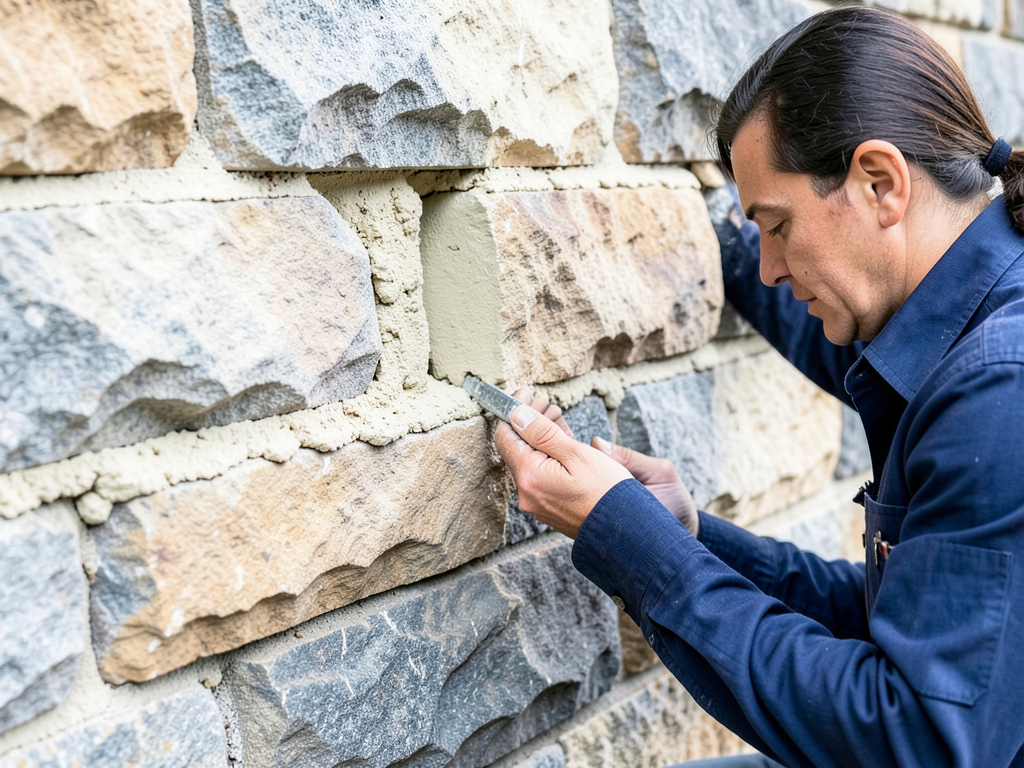
Why Lannon Stone Foundations in Whitefish Bay Are Prone to Seepage
Whitefish Bay homeowners with Lannon stone foundations face a unique moisture challenge that modern concrete basements rarely experience. The porous limestone blocks combined with Milwaukee’s heavy clay soil create a perfect storm for water infiltration. When spring rains saturate the ground or winter freeze-thaw cycles expand and contract the stone, water finds its way through the mortar joints and into your basement. Emergency Water Removal Services for Bay View Homeowners and Business Owners.
The problem starts with the stone itself. Lannon stone, quarried in nearby Lannon, Wisconsin, is a sedimentary limestone that naturally absorbs water like a sponge. Unlike modern concrete foundations with vapor barriers, these historic foundations were built before waterproofing technology existed. The mortar between stones often contains lime-based mixtures that deteriorate over decades, creating pathways for groundwater to seep through. Wisconsin Department of Safety and Professional Services.
Whitefish Bay’s specific location near Lake Michigan adds another layer of complexity. The water table sits higher here than in inland areas, and the lake’s proximity means soil moisture levels remain elevated year-round. Combined with the area’s freeze-thaw cycles that can drop below zero in winter and climb above freezing in spring, the stone expands and contracts, widening existing cracks and creating new ones. Restoring Water Damaged Offices and Lofts in the Historic Third Ward.
The clay soil prevalent throughout Whitefish Bay compounds the issue. When saturated, clay expands and puts tremendous hydrostatic pressure on foundation walls. This pressure forces water through the smallest gaps in mortar joints. During heavy spring rains, this pressure can increase dramatically, causing sudden basement flooding even in homes that rarely experienced problems before.
Understanding these factors is crucial because standard basement waterproofing solutions often fail on Lannon stone. The stone’s porosity means that simply sealing the exterior often traps moisture inside the wall, leading to spalling and accelerated deterioration. Professional restoration requires understanding the stone’s breathing properties and using compatible materials that allow moisture to escape while preventing new water entry. Professional Mold Remediation for Families in Mequon and Thiensville.
The Unique Challenges of Lannon Stone Foundations
Lannon stone foundations tell a story of early 20th century Milwaukee construction. These stones were hand-cut and stacked in multiple wythes, creating walls typically 12 to 16 inches thick. The construction method relied on gravity and mass rather than modern engineering principles. Each stone bears weight differently, and the mortar joints act as the weak link in the system.
The mortar used in these foundations often contains a high lime content mixed with local sand. This mixture works well for stone stability but breaks down when exposed to constant moisture. Unlike modern cement mortar that becomes harder over time, lime mortar remains somewhat flexible but loses its binding properties after decades of Wisconsin weather exposure.
Whitefish Bay’s older neighborhoods, particularly those near Henry Clay Street and Ardmore Avenue, contain numerous homes built between 1920 and 1950 with these foundations. The age of these structures means that mortar deterioration has been ongoing for 70 to 100 years. What started as hairline cracks has often progressed to gaps wide enough to insert a quarter.
The freeze-thaw cycle specific to Whitefish Bay creates unique stress patterns. When temperatures fluctuate around the freezing point, water trapped in the stone and mortar expands as it freezes. This expansion can exert pressure exceeding 2,000 pounds per square inch. Over decades, this repeated stress causes the stone to crack and the mortar to crumble.
Another factor unique to Whitefish Bay is the proximity to Lake Michigan’s influence on local weather patterns. The lake moderates temperatures but also increases humidity levels, especially during summer months. This higher humidity means that even when it’s not raining, moisture in the air can condense on cool basement walls, creating a persistent dampness problem.
Top 5 Causes of Water Leaks in Lannon Stone
Understanding the specific causes of water infiltration helps homeowners identify problems early. Here are the five most common reasons Lannon stone foundations in Whitefish Bay leak:
- Deteriorating Mortar Joints – The lime-based mortar between stones breaks down over time, especially when exposed to constant moisture. In Whitefish Bay’s climate, this deterioration accelerates due to freeze-thaw cycles. Mortar can lose up to 50% of its original strength after 50 years of exposure.
- Hydrostatic Pressure from Clay Soil – Whitefish Bay sits on heavy clay soil that expands when wet. This expansion creates pressure against foundation walls that can exceed 30 pounds per square foot during spring rains. The pressure forces water through even the smallest mortar gaps.
- Freeze-Thaw Cycles – Wisconsin’s climate creates conditions where temperatures fluctuate around freezing for weeks. Water trapped in stone pores expands when freezing, creating internal pressure that cracks the stone and pushes apart mortar joints.
- Capillary Action – The porous nature of Lannon stone allows water to rise through the stone via capillary action, similar to how a paper towel absorbs water. This can draw moisture up from saturated soil several feet above the actual water level.
- Foundation Settling – Over decades, foundations settle unevenly due to soil conditions and the weight of the structure above. This settling creates stress points where water can enter, particularly at corners and around window openings.
Each of these causes interacts with the others, creating a cumulative effect that worsens over time. A foundation with deteriorating mortar becomes more susceptible to hydrostatic pressure, which in turn accelerates mortar deterioration.
Signs of Trouble: Efflorescence vs. Active Seepage
Homeowners often mistake early warning signs of foundation problems. Understanding the difference between cosmetic issues and serious water infiltration can save thousands in repair costs. Signs of Hidden Mold.
Efflorescence appears as a white, powdery substance on basement walls. This mineral deposit forms when water moves through the stone, dissolving natural salts, then evaporates on the surface leaving the salts behind. While efflorescence indicates moisture movement through walls, it doesn’t always mean active leaking. Many Whitefish Bay homes show efflorescence without experiencing basement flooding.
Active seepage presents differently. Look for damp spots that grow larger during rain, water trickling down walls, or puddles forming on the basement floor. Active seepage often follows specific patterns – water may enter at one location but appear elsewhere due to the stone’s porosity and the path of least resistance.
Bowing walls signal serious structural issues. Lannon stone walls under hydrostatic pressure may begin to curve inward. A wall that bows more than one inch per horizontal foot requires immediate professional assessment. This bowing often occurs in sections where mortar has completely deteriorated or where the foundation lacks proper support.
Musty odors in basements indicate mold growth, which thrives in the constant moisture environment created by foundation seepage. Even if you don’t see water, a persistent damp smell suggests moisture levels high enough to support mold colonies. This poses health risks and indicates the need for professional remediation.
Seasonal patterns also provide clues. If water appears primarily during spring thaw or after heavy rains, this suggests groundwater pressure issues rather than plumbing leaks. Conversely, year-round dampness might indicate a high water table or poor exterior drainage that keeps soil constantly saturated.
Professional Solutions: Tuckpointing vs. Interior Drainage
Professional restoration of Lannon stone foundations requires understanding the stone’s unique properties. The wrong approach can trap moisture and cause more damage than the original leak.
Tuckpointing involves removing deteriorated mortar and replacing it with new material. For Lannon stone, this requires matching the original mortar’s composition and strength. Modern cement-based mortars are often too hard and can cause the soft limestone to crack as the mortar expands and contracts differently than the stone.
The tuckpointing process for Lannon stone follows specific steps. First, deteriorated mortar is carefully removed to a depth of at least 1.5 times the joint width. This ensures the new mortar bonds properly with the existing material. The joints are then cleaned and dampened to prevent the new mortar from drying too quickly.
New mortar for Lannon stone typically contains a mix of Portland cement, lime, and sand in specific ratios that match the original material’s properties. The exact mix depends on the stone’s porosity and the local climate conditions. In Whitefish Bay, the mortar must withstand freeze-thaw cycles while remaining flexible enough to move with the stone.
Interior drainage systems offer another solution for chronic seepage. These systems collect water that enters the foundation and channel it to a sump pump for removal. The process involves breaking the basement floor along the perimeter, installing perforated pipe in a gravel bed, and connecting to a sump pit with an automatic pump.
Exterior excavation and waterproofing provides a more comprehensive solution but requires significant investment. This process involves digging around the entire foundation to the footer level, cleaning the stone walls, repairing mortar joints, and applying waterproof membranes. A drainage board is then installed to channel water away from the foundation.
The choice between interior and exterior solutions depends on several factors. Interior systems cost less and can be completed faster, but they don’t address the root cause of water pressure against the foundation. Exterior solutions solve the underlying problem but require excavation that may damage landscaping and cost significantly more.
Why DIY Repairs Often Fail on Historic Stone
Homeowners attempting DIY repairs on Lannon stone foundations often make costly mistakes that worsen the problem. The most common error involves using the wrong mortar mix. Modern cement mortars are significantly harder than historic lime mortars, creating a compatibility issue that leads to stone damage.
When hard cement mortar is applied to soft limestone, the different expansion and contraction rates create stress points. During freeze-thaw cycles, the cement mortar expands more than the surrounding stone, causing the stone to crack or spall. This damage often appears as flaking or pitting on the stone surface.
Another DIY mistake involves using hydraulic cement to patch active leaks. While hydraulic cement stops water temporarily, it doesn’t address the underlying moisture problem. Water trapped behind the patch has nowhere to go, leading to increased pressure that can cause the patch to fail or the stone to deteriorate from the inside out.
Surface sealers present another problem. Many homeowners apply waterproofing sealers to basement walls, thinking this will solve their moisture issues. However, these sealers often trap moisture within the stone, preventing it from breathing. In Lannon stone, this trapped moisture can cause spalling, where the stone surface flakes off in layers.
The historical nature of Lannon stone foundations means that repairs require understanding construction methods from the early 1900s. The original builders used techniques and materials that differ significantly from modern practices. Without this historical knowledge, DIY repairs often miss critical factors that affect long-term performance.
Professional restoration requires specialized tools and techniques. Moisture meters help identify water movement patterns. Thermal imaging can reveal temperature differences that indicate moisture presence. These diagnostic tools allow professionals to develop targeted solutions rather than applying generic fixes that may not address the specific problem.
Milwaukee Case Study: Lannon Stone Restoration
A recent project in the Warner Park area of Whitefish Bay demonstrates the complexity of Lannon stone restoration. The 1925 home had experienced chronic basement moisture for over a decade, with water appearing along one wall during every spring thaw.
Initial inspection revealed extensive mortar deterioration in a 20-foot section of the north-facing wall. The mortar had degraded to the point where it could be removed with a screwdriver. Moisture readings showed elevated levels throughout the wall, with the highest readings near grade level where hydrostatic pressure was greatest.
The restoration process began with careful removal of all deteriorated mortar. This revealed additional problems – several stones had cracked due to freeze-thaw damage, and one section showed signs of previous improper repairs using hard cement mortar that had caused spalling.
New mortar was mixed on-site using a formula matching the original composition. The mix contained Type N mortar with added lime to increase flexibility. This allows the mortar to move with the stone during temperature changes while maintaining water resistance.
After tuckpointing, an exterior French drain system was installed to reduce hydrostatic pressure. The system included perforated pipe surrounded by clean gravel, sloped to drain to a dry well located 30 feet from the foundation. This reduced the water pressure against the wall by approximately 70%.
Post-restoration monitoring showed immediate improvement. Moisture readings dropped to normal levels within three months, and the homeowners reported no water infiltration during the following spring thaw – the first dry spring in over a decade.
The project cost approximately $8,500, significantly less than the $15,000 to $20,000 that exterior waterproofing alone would have cost. More importantly, the targeted approach preserved the historic character of the foundation while solving the moisture problem.
Comparing Foundation Materials: Lannon Stone vs. Modern Options
Understanding how Lannon stone differs from modern foundation materials helps explain why it requires specialized treatment. The following comparison highlights key differences:
| Property | Lannon Stone | Poured Concrete | Concrete Block |
|---|---|---|---|
| Pore Structure | High porosity, interconnected pores | Low porosity, sealed surface | Moderate porosity, hollow cores |
| Water Absorption | 5-15% by volume | <1% with vapor barrier | 2-5% without coating |
| Mortar Type | Lime-based, flexible | Expansion joints only | Cement-based, rigid |
| Freeze-Thaw Resistance | Moderate, requires maintenance | High with proper mix | Moderate with coatings |
| Repair Complexity | High, requires matching materials | Moderate, standard techniques | Low, uniform materials |
Lannon stone’s high porosity means it acts like a sponge, absorbing water from surrounding soil. This absorbed water can then migrate through the stone via capillary action, appearing as dampness on interior walls even when no active leak exists. Modern materials with vapor barriers prevent this moisture movement entirely.
The mortar used in Lannon stone foundations differs fundamentally from modern materials. Historic lime mortars remain somewhat flexible and allow moisture to escape, while modern cement mortars are rigid and can trap moisture. This difference affects how each material handles Wisconsin’s freeze-thaw cycles.
Repair techniques must account for these material differences. Patching Lannon stone requires matching not just the color but the physical properties of the original materials. Using modern materials that don’t match these properties often causes more damage than the original problem.
Preventive Maintenance for Lannon Stone Foundations
Regular maintenance can extend the life of Lannon stone foundations and prevent costly repairs. The following maintenance schedule helps homeowners protect their investment:
- Annual Exterior Inspection – Check for mortar deterioration, stone cracking, and proper grading around the foundation. Look for areas where soil slopes toward the house rather than away from it.
- Spring Drainage Check – After winter thaw, ensure downspouts direct water at least 5 feet from the foundation. Clear any debris from exterior drains and ensure the ground slopes away from the house.
- Interior Moisture Monitoring – Use a moisture meter to check basement walls quarterly. Elevated readings indicate developing problems before visible water appears.
- Mortar Joint Assessment – Every 2-3 years, inspect mortar joints for deterioration. Joints that can be scraped with a screwdriver need repair before water infiltration begins.
- Foundation Planting Review – Ensure shrubs and plants near the foundation don’t trap moisture against walls. Maintain at least 12 inches of clearance between soil and wood siding.
Proper grading around the foundation provides the first line of defense against water infiltration. The ground should slope away from the house at a rate of 6 inches per 10 feet for at least 10 feet from the foundation. This simple measure can reduce hydrostatic pressure by directing water away before it can build up against foundation walls.
downspout extensions carry roof water far enough from the foundation to prevent soil saturation near the walls. Standard downspouts often deposit water within 2 feet of the foundation, creating localized soil saturation that increases hydrostatic pressure.
Window well maintenance prevents a common source of basement leaks. Window wells should be cleaned annually and fitted with proper drainage to prevent water accumulation. Installing window well covers can reduce water entry during heavy rains while still allowing light into basement windows.
Local Building Codes and Permit Requirements
Foundation repairs in Whitefish Bay must comply with Milwaukee County building codes and often require permits. The Wisconsin Uniform Dwelling Code (UDC) governs most residential construction, including foundation repairs.
According to Wisconsin Administrative Code Comm 21.20, any repair involving more than 25% of a foundation wall requires a building permit. This includes tuckpointing if the deteriorated mortar exceeds this threshold. The code also requires that repairs maintain the structural integrity of the original construction.
The City of Whitefish Bay Department of Community Development enforces additional requirements for historic properties. Homes in designated historic districts may require approval from the Historic Preservation Commission before exterior modifications, including foundation repairs. This ensures that repairs maintain the historic character of the neighborhood.
Permits for foundation work typically require detailed plans showing the scope of work, materials to be used, and methods of repair. For Lannon stone foundations, this often includes documentation that new materials will match the original in composition and appearance. Inspections are required at various stages of the work to ensure compliance with code requirements.
Insurance considerations also affect foundation repairs. Most homeowner policies cover sudden water damage but not gradual deterioration from age or poor maintenance. Documenting the condition of foundations through professional inspections can help establish the timeline of damage for insurance purposes.
Environmental regulations may apply to foundation repairs, particularly those involving excavation. The Wisconsin Department of Natural Resources requires permits for work that affects wetlands or alters drainage patterns. These permits ensure that repairs don’t create new problems for neighboring properties or local waterways.
When to Call a Professional
Certain signs indicate the need for immediate professional assessment of Lannon stone foundations. Recognizing these warning signs can prevent minor problems from becoming major structural issues.
Horizontal cracks in foundation walls suggest significant structural stress. Unlike vertical cracks that often result from normal settling, horizontal cracks indicate pressure from soil expansion or hydrostatic forces exceeding the wall’s design capacity. These cracks typically require structural reinforcement rather than simple patching.
Water entering the basement during dry weather suggests a high water table or broken water line rather than surface water infiltration. This type of leak often requires more extensive solutions like sump pumps or exterior drainage systems rather than mortar repair.
Efflorescence covering more than 25% of wall surface indicates widespread moisture movement through the foundation. While the mineral deposits themselves aren’t harmful, they signal conditions that could lead to more serious water infiltration problems if left unaddressed.
Musty odors that persist despite dehumidification suggest active mold growth within the foundation walls. Mold can compromise air quality throughout the home and may indicate moisture levels high enough to cause structural damage to the stone or mortar.
Foundation movement of more than 1/4 inch in any direction requires professional evaluation. This movement can indicate soil instability, water damage to the foundation, or structural problems with the building above. Early intervention can prevent catastrophic failure.
Professional assessment typically includes moisture testing, structural evaluation, and review of the home’s drainage patterns. This comprehensive approach identifies the root cause of problems rather than just treating symptoms, leading to more effective and longer-lasting solutions.
Frequently Asked Questions
How much does it cost to repair a Lannon stone foundation in Whitefish Bay?
Repair costs vary widely based on the extent of damage and chosen solution. Simple tuckpointing might cost $500 to $2,000 for localized repairs, while comprehensive exterior waterproofing can exceed $15,000. Most homeowners in Whitefish Bay spend between $3,000 and $8,000 for professional foundation restoration.
Can I waterproof my Lannon stone basement from the inside?
Interior waterproofing can manage water that enters but doesn’t stop it from coming through the walls. For Lannon stone, this approach often traps moisture within the wall, potentially causing more damage. Exterior solutions or proper drainage systems typically provide better long-term results for historic stone foundations.
How long do Lannon stone foundations typically last?
With proper maintenance, Lannon stone foundations can last 100+ years. Many homes in Whitefish Bay built in the 1920s still have original foundations functioning well. The key is addressing mortar deterioration before it allows significant water infiltration and performing regular maintenance to prevent problems.
Will my homeowner’s insurance cover foundation repairs?
Most policies cover sudden, accidental water damage but not gradual deterioration from age or lack of maintenance. If a pipe bursts and damages your foundation, that’s typically covered. But mortar deterioration from freeze-thaw cycles over decades is considered a maintenance issue not covered by standard policies.
How can I tell if my foundation is Lannon stone or something else?
Lannon stone has distinctive characteristics: it’s a light to medium gray limestone with visible fossil impressions, relatively soft texture, and often shows tool marks from original cutting. It’s typically laid in irregular patterns rather than uniform blocks. A professional can confirm the material through visual inspection and simple hardness tests.
Protecting Your Investment
Lannon stone foundations represent both a historical connection to Milwaukee’s building heritage and a significant investment in your property. Understanding their unique characteristics and vulnerabilities allows you to make informed decisions about maintenance and repair.
The key to successful foundation management lies in early intervention. Addressing minor mortar deterioration before it allows significant water infiltration prevents the cascade of problems that leads to major structural damage. Regular inspections, proper drainage maintenance, and prompt attention to warning signs can extend the life of your foundation by decades.
When problems do arise, choosing the right repair approach makes all the difference. Lannon stone requires specialized knowledge and materials that match the original construction. The cheapest solution often proves most expensive in the long run when incompatible materials cause additional damage or trap moisture within the walls.
For Whitefish Bay homeowners dealing with Lannon stone foundation issues, professional assessment provides the foundation for effective solutions. Understanding the specific causes of your moisture problems allows for targeted repairs that address root causes rather than just symptoms. This approach not only solves current problems but helps prevent future issues. Dealing with a Flooded Basement in Wauwatosa (Your Emergency Action Plan).
Don’t wait for small problems to become major structural issues. If you notice signs of foundation trouble, call (414) 392-1771 today to schedule your inspection. Our experienced team understands the unique challenges of Lannon stone foundations in Whitefish Bay and can recommend solutions that protect your home while preserving its historic character.
Pick up the phone and call (414) 392-1771 before the next storm hits. Quick action can mean the difference between a simple repair and a major restoration project. Your Lannon stone foundation has protected your home for decades – make sure it continues to do so for decades to come. For more information, visit IICRC S500 Standard for Professional Water Damage Restoration.