
Why a standard dehumidifier might not be enough for a wet Brewer’s Hill basement
When your Brewer’s Hill basement floods during a spring storm or a pipe bursts in January, your first instinct might be to grab that trusty home dehumidifier from the garage. That small unit worked fine for occasional humidity spikes but when faced with inches of standing water and saturated plaster walls it simply cannot keep up. Milwaukee’s historic brick homes in neighborhoods like Brewer’s Hill were built before modern moisture barriers and their thick masonry foundations hold water like a sponge. A standard residential dehumidifier typically removes 30 to 70 pints per day under ideal conditions but after a major water event you need industrial strength equipment pulling 150 to 300 pints daily to prevent mold growth and structural damage. Emergency Water Removal Services for Bay View Homeowners and Business Owners.
Brewer’s Hill sits on Milwaukee’s East Side where the water table is higher due to proximity to Lake Michigan and the area’s heavy clay soil. That combination means basements here are especially vulnerable to hydrostatic pressure and slow seepage. When water enters it does not just sit on the floor it wicks into wood framing plaster and even the brick itself. Home dehumidifiers lack the airflow capacity measured in cubic feet per minute and the low grain refrigerant technology needed to extract moisture from deep within these materials. By the time you notice a musty smell or see water stains on your cream city brick walls the damage may already be spreading behind the walls. EPA Mold Guidelines.
Professional restoration teams use LGR Low Grain Refrigerant dehumidifiers that can operate in cooler temperatures and pull moisture from materials with very low vapor pressure. These units work in tandem with high velocity air movers to create a drying vortex that forces moisture out of every surface. Without this equipment you are left with damp conditions where mold can begin growing within 24 to 48 hours. The EPA and IICRC S500 standards both emphasize the importance of rapid structural drying to prevent secondary damage. Using a residential unit for a major water event not only fails to meet these standards but can also void insurance coverage if the claim is later disputed. IICRC S500 Standards.
Brewer’s Hill’s mix of historic single family homes and converted multi-unit buildings adds another layer of complexity. Many of these structures have shared foundation walls and aging plumbing that can fail without warning. When water spreads through these connected spaces a single dehumidifier cannot create the negative air pressure and consistent airflow needed to dry the entire affected area. Professional crews map the moisture spread using thermal imaging and moisture meters then deploy a fleet of industrial dehumidifiers and air scrubbers to ensure every cubic foot is addressed. This is not just about removing visible water it is about restoring the building’s health. Restoring Water Damaged Offices and Lofts in the Historic Third Ward.
The cost difference between renting a home unit and calling a professional might seem significant at first but consider the alternative. Mold remediation in a historic Milwaukee home can cost thousands of dollars and may require removing plaster walls or replacing wood framing. Insurance companies expect homeowners to take immediate action to mitigate damage. Using inadequate equipment can be seen as negligence and reduce your claim payout. When every hour counts the right equipment makes the difference between a quick recovery and a months long reconstruction project. Professional Mold Remediation for Families in Mequon and Thiensville.
If your Brewer’s Hill basement is wet do not wait. Call (414) 392-1771 for emergency water extraction and professional drying. Our team arrives within the hour with industrial grade LGR dehumidifiers and air movers ready to protect your home from mold and structural damage. We understand the unique challenges of Milwaukee’s historic architecture and we work directly with your insurance company to get you back to normal as fast as possible.
Understanding the difference between residential and industrial dehumidifiers
Residential dehumidifiers are designed for comfort not restoration. They work well in living spaces to control everyday humidity but they are not built to handle the moisture load after a flood. Industrial units are engineered for continuous operation in harsh conditions and can remove two to five times more water per day than their home counterparts.
Capacity is measured in pints per day PPD. A typical home unit might remove 30 to 70 PPD under AHAM conditions. Industrial LGR units can remove 150 to 300 PPD or more and maintain efficiency even in cooler basement temperatures. This is critical because Brewer’s Hill basements often stay between 55 and 65 degrees during spring flooding.
Airflow is another key difference. Home units move about 150 to 200 cubic feet per minute CFM. Industrial setups use multiple air movers each pushing 2 000 to 3 000 CFM to create a drying vortex. This high velocity airflow ensures moisture is pulled from deep within walls and subfloors not just from the surface.
Drainage systems also differ. Home units have small internal tanks that need frequent emptying. Industrial units use continuous drain hoses or pump systems so they can run unattended for days. This is essential when drying a large historic basement where standing water and hidden moisture pockets must be addressed simultaneously. Signs of Hidden Mold.
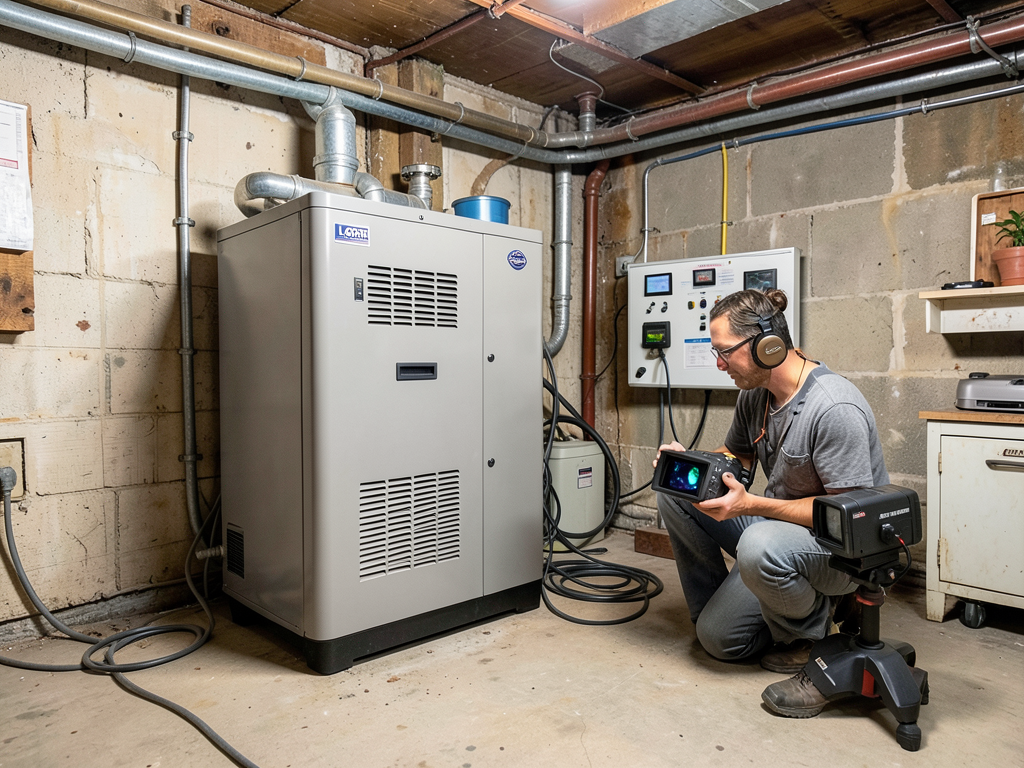
Image description: Industrial LGR dehumidifier and air mover setup in a historic Milwaukee basement showing moisture meters and thermal imaging camera in use.
The science behind LGR Low Grain Refrigerant technology
LGR stands for Low Grain Refrigerant. The term grain refers to grains of moisture per pound of dry air. Standard refrigerant dehumidifiers struggle when the air is already very damp because their coils frost over. LGR units use a double cooling system and a reheat cycle to keep the coils from freezing and maintain efficiency even when grains per pound GPP drop below 30.
This is crucial in Milwaukee’s climate where spring humidity can exceed 90 percent and water can be trapped in brick and plaster. LGR technology allows the unit to continue pulling moisture from materials long after a standard dehumidifier would shut down due to ice buildup. The result is faster drying and less risk of secondary damage.
Psychrometrics the study of air and moisture properties explains why this matters. Water in building materials exists at different vapor pressures. Deep within a brick wall the vapor pressure is much lower than in the air above it. Only equipment that can create a strong vapor pressure differential can extract that moisture. LGR units achieve this by maintaining very low humidity levels in the drying chamber.
Milwaukee’s historic buildings often have solid masonry walls without modern vapor barriers. These walls can hold several gallons of water per cubic foot when saturated. Standard dehumidifiers simply cannot create the conditions needed to release that moisture. LGR technology is the only proven method to restore these structures without demolition.
Why Milwaukee’s climate makes professional drying essential
Milwaukee’s location on the western shore of Lake Michigan creates a unique moisture challenge. The lake effect keeps humidity high year round and spring storms can dump several inches of rain in a matter of hours. When that water enters a basement the air inside quickly reaches saturation.
Brewer’s Hill and other East Side neighborhoods are particularly vulnerable because they sit on a clay plain that does not drain well. Clay soil has low permeability meaning water moves slowly through it. This causes hydrostatic pressure to build against foundation walls and increases the likelihood of seepage and flooding.
Freeze thaw cycles in winter can also cause pipes to burst. When that happens the sudden influx of water combined with cold basement temperatures creates a perfect scenario for burst pipes and hidden leaks. Home dehumidifiers are not designed to operate in these cold damp conditions. Their coils freeze and they stop working entirely.
The Wisconsin Department of Natural Resources and Milwaukee Metropolitan Sewerage District MMSD both recommend immediate water removal and professional drying after any flooding event. Their guidelines are based on the understanding that mold can begin growing within 24 to 48 hours and that structural damage can worsen quickly if moisture is not controlled.
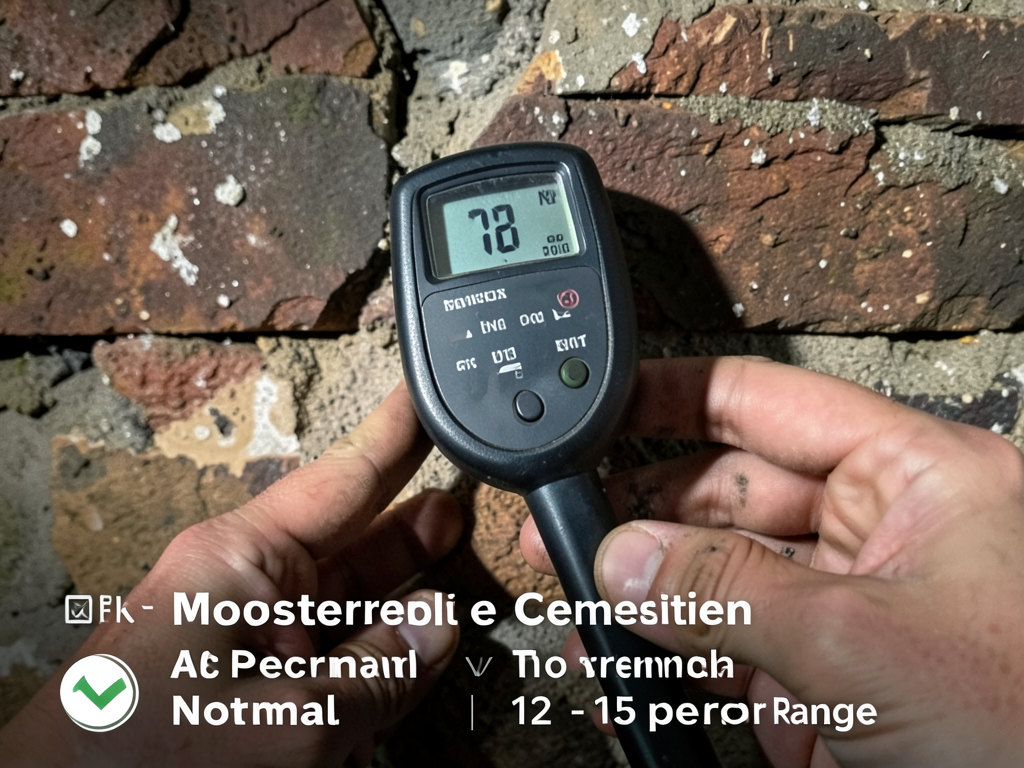
Image description: Moisture meter reading showing 28 percent moisture content in a historic Milwaukee basement wall compared to normal 12 to 15 percent range.
The cost of failure when using the wrong equipment
Choosing to rely on a home dehumidifier might save a few hundred dollars upfront but the long term costs can be staggering. Mold remediation in a historic Milwaukee home often requires removing plaster walls and treating or replacing wood framing. That can easily run into the thousands.
Secondary damage is another hidden cost. When moisture remains in building materials wood can warp and rot metal can corrode and adhesives can fail. These problems may not appear for months but by then the damage is extensive and expensive to repair.
Insurance companies expect homeowners to take reasonable steps to mitigate damage. Using inadequate equipment can be seen as negligence and may reduce your claim payout or even result in denial. Many policies require professional restoration for major water events to meet the standard of care.
Time is also a factor. Every hour that moisture remains increases the risk of mold and structural damage. Professional crews can typically dry a flooded basement in 3 to 5 days with the right equipment. Using a home unit might take weeks and still leave hidden moisture behind. Dealing with a Flooded Basement in Wauwatosa (Your Emergency Action Plan).
The health risks of mold exposure are well documented. Mold can trigger asthma allergies and other respiratory issues. In a historic home with plaster and lathe construction mold can spread quickly through wall cavities. Professional drying not only protects your property but also your family’s health.
When to call a professional water damage restoration team
Knowing when to call for help can save you thousands of dollars and days of stress. If you have standing water more than a quarter inch deep you need professional extraction. If you notice water stains on walls or ceilings within 24 hours of a storm you likely have hidden moisture.
A musty odor is a clear sign that mold is already growing. By the time you smell it the colony is established and spreading. Discoloration or warping of wood trim or flooring indicates prolonged moisture exposure. These are all signs that a home dehumidifier will not be enough.
If your home has a shared foundation wall or is part of a multi unit building the risk of cross contamination is high. Water can travel through mortar joints and under floors affecting adjacent units. Professional teams use containment and negative air pressure to prevent this spread.
Insurance companies often require certification of drying and cleaning procedures. Professional restoration crews provide detailed documentation including moisture mapping and drying logs. This documentation is essential for a smooth claims process and can prevent disputes over coverage.
Do not wait until the damage is visible. If you have had a major water event in your Brewer’s Hill home call (414) 392-1771 immediately. Our team is on call 24 7 with industrial grade equipment and the expertise to protect your historic home from further damage.
Image description: Technician using thermal imaging camera to detect hidden moisture pockets in a historic Milwaukee basement wall before drying begins.
Frequently Asked Questions
How long does it take to dry a flooded basement with professional equipment?
Most flooded basements in Milwaukee can be dried in 3 to 5 days using industrial LGR dehumidifiers and air movers. The exact time depends on the extent of saturation the building materials and the temperature and humidity inside the space.
Will my insurance cover professional water damage restoration?
Most homeowners insurance policies cover sudden and accidental water damage including the cost of professional drying and cleanup. Coverage for mold remediation may be limited or require a separate rider. Always check with your insurance company and document the damage before beginning cleanup.
Can I rent industrial dehumidifiers instead of hiring a professional?
You can rent industrial equipment but without proper training you may not place it correctly or monitor moisture levels effectively. Professionals use moisture meters thermal imaging and psychrometric calculations to ensure complete drying. Improper drying can lead to mold growth and structural damage that costs far more than professional service.
What makes Brewer’s Hill basements more vulnerable to water damage?
Brewer’s Hill sits on clay soil near Lake Michigan which creates high hydrostatic pressure against foundation walls. Many homes are historic brick structures without modern moisture barriers. The combination of age plumbing vulnerabilities and local climate makes professional drying essential after any flooding event.
How do I know if my home dehumidifier is enough after a flood?
If you have more than a quarter inch of standing water or water has wicked into walls floors or ceilings a home dehumidifier is not enough. Signs that you need professional help include persistent dampness musty odors and visible water stains within 24 hours of the event.
Take action before mold takes over your home
Water damage waits for no one. In Milwaukee’s historic neighborhoods like Brewer’s Hill a flooded basement is more than an inconvenience it is a threat to your home’s structure and your family’s health. Standard dehumidifiers are simply not designed to handle the moisture load after a major event.
Professional restoration teams use industrial LGR dehumidifiers high velocity air movers and moisture detection technology to ensure every drop of water is removed. This is the only way to prevent mold growth protect your investment and meet insurance requirements. The cost of professional service is far less than the cost of mold remediation and structural repairs.
If your basement is wet or you suspect hidden moisture do not gamble with a home unit. Call (414) 392-1771 now for emergency water extraction and professional drying. We serve Brewer’s Hill and all of Milwaukee with 24 7 response and the equipment needed to restore your home quickly and safely.