
What to expect during the professional drying process in West Bend
Water damage in West Bend homes follows a predictable professional drying process that typically takes 3 to 5 days. The timeline depends on factors like water category, material types, and local humidity levels. Understanding this process helps you prepare for what comes next after a flood or pipe burst. EPA Mold Resources.
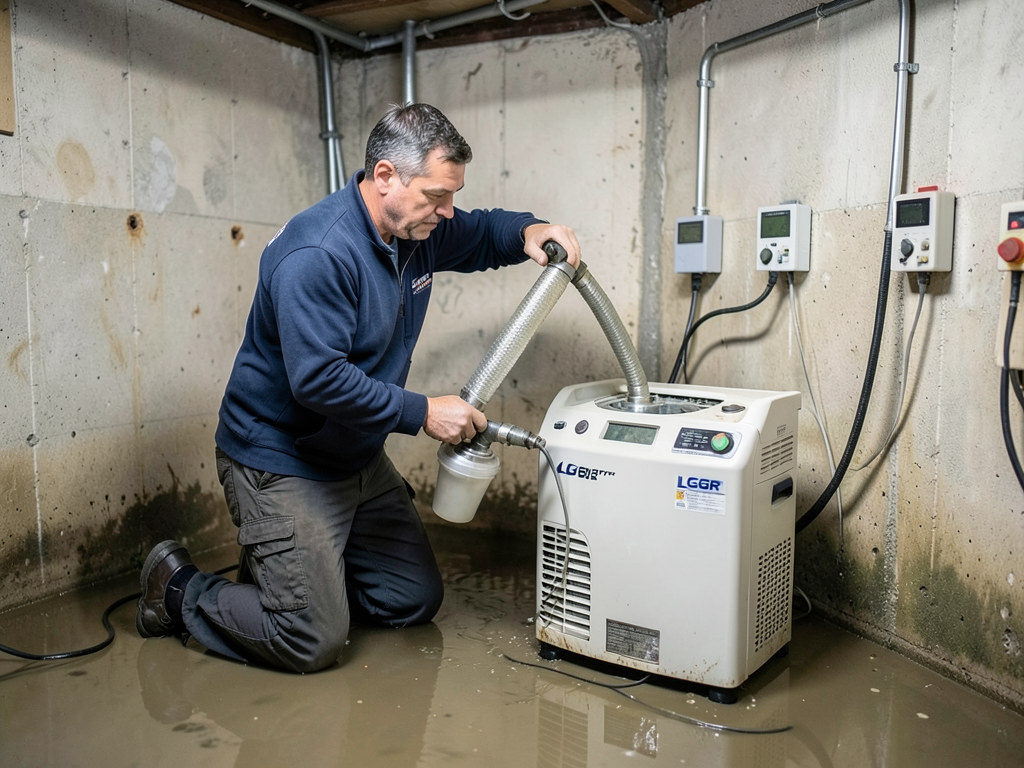
Professional drying starts with water extraction within the first 24 hours. This prevents mold growth, which can begin within 24 to 48 hours in West Bend’s humid climate. The process uses specialized equipment like LGR dehumidifiers and air movers to remove moisture from walls, floors, and contents. Emergency Water Removal Services for Bay View Homeowners and Business Owners.
Day 1: Emergency Water Extraction and Assessment
The first 24 hours focus on stopping the water source and removing standing water. Technicians use truck-mounted extractors and submersible pumps to remove hundreds of gallons quickly. They also place moisture meters on walls and floors to create a moisture map of affected areas. Restoring Water Damaged Offices and Lofts in the Historic Third Ward.
During this phase, technicians identify the water category. Category 1 water comes from clean sources like broken pipes. Category 2 includes dishwasher or washing machine overflows. Category 3 involves sewage or floodwater from the Milwaukee River. This classification determines the drying approach and safety protocols. Reliable Sewage Cleanup and Sanitization in West Allis.
Call (414) 392-1771 today to schedule your inspection.
Day 2-3: Evaporation and Dehumidification
Once standing water is gone, the evaporation phase begins. Air movers create high-velocity airflow across wet surfaces. This accelerates evaporation by breaking the boundary layer of moisture that naturally forms on wet materials.
LGR (Low Grain Refrigerant) dehumidifiers work alongside air movers. These units can remove 20 to 25 gallons of water per day from the air. They maintain relative humidity between 30 and 40 percent, which is ideal for structural drying.
Technicians monitor progress using hygrometers and thermal cameras. They check moisture content in materials, aiming for drying goals based on IICRC S500 standards. For example, drywall should reach 12 to 16 percent moisture content before being considered dry. IICRC S500 Standards.
During this phase, you might notice equipment running 24/7. The noise and heat are normal parts of the process. Some homeowners temporarily relocate during this intensive drying period.
Day 4-5: Monitoring and Final Drying
The final phase focuses on achieving target moisture levels in all materials. Hardwood floors require special attention. They need 6 to 9 percent moisture content to prevent warping. Technicians use penetrating moisture meters to check subfloors and joists.
Carpeting and padding typically dry within 24 to 48 hours. However, the padding underneath may need replacement if it was saturated with Category 2 or 3 water. Technicians test for microbial growth and ensure all surfaces meet drying standards.
During this phase, equipment placement becomes strategic. Technicians move air movers to direct airflow under cabinets and into wall cavities. They may create small access holes to improve airflow in tight spaces.
Factors That Affect Your Drying Timeline
Several factors influence how long your West Bend home takes to dry. Understanding these helps set realistic expectations.
Material Porosity affects drying speed. Drywall absorbs water quickly but releases it slowly. Hardwood releases moisture gradually over several days. Concrete can take weeks to fully dry.
Class of Water refers to the amount of water and absorption rate. Class 1 involves minimal water absorption. Class 4 requires specialty drying for materials like hardwood or concrete.
Local Climate Impact plays a major role in West Bend. Summer humidity from Lake Michigan can slow drying by 24 to 48 hours. Winter temperatures below 50 degrees Fahrenheit reduce dehumidifier efficiency by up to 30 percent.
Building Age affects drying complexity. Older West Bend homes with plaster walls take longer than modern drywall construction. The plaster’s density and multiple layers create barriers to moisture movement.
Common Drying Scenarios in West Bend Homes
Finished basements in West Bend neighborhoods like Barton or Westbury face unique challenges. These spaces often have multiple layers of flooring and wall materials that trap moisture.
Kitchen water damage requires special attention to cabinets and subfloors. Water can travel through toe kicks and into wall cavities. Technicians use injectidry systems to force air into these hidden spaces. Signs of Hidden Mold.
Bathroom water damage often affects multiple levels. Water from an upstairs bathroom can travel through floor joists and damage ceilings below. This requires drying from both above and below.
Whole-house flooding from burst pipes during winter storms can take 5 to 7 days. The extensive water volume and cold temperatures require additional equipment and monitoring.
Equipment Used in Professional Drying
Professional drying uses specialized equipment that differs from household fans and dehumidifiers. Professional Mold Remediation for Families in Mequon and Thiensville.
LGR Dehumidifiers remove moisture more efficiently than standard units. They can maintain 30 to 40 percent relative humidity in large spaces. This prevents secondary damage like wood swelling or paper curling.
Axial Air Movers create high-velocity airflow. They move 3,000 to 3,600 cubic feet of air per minute. This breaks the boundary layer on wet surfaces, accelerating evaporation.
Desiccant Dehumidifiers work in cold conditions below 50 degrees. They use silica gel to absorb moisture and can operate in temperatures as low as 10 degrees Fahrenheit.
Moisture Meters measure moisture content in materials. Pin-type meters check wood and drywall. Non-invasive meters scan for moisture without damaging surfaces.
Health and Safety Considerations
Professional drying addresses health concerns beyond just removing water. The 24 to 48 hour mold growth window makes speed critical.
Category 3 water contains harmful bacteria and pathogens. Technicians wear personal protective equipment and use antimicrobial treatments. They also set up containment barriers to prevent cross-contamination.
Air quality monitoring ensures safe conditions during and after drying. HEPA air scrubbers remove airborne particles down to 0.3 microns. This protects both technicians and residents.
Structural integrity checks prevent safety hazards. Water can weaken floor joists, wall studs, and ceiling supports. Technicians identify these risks and recommend appropriate repairs.
Insurance and Documentation Process
Professional drying companies document the entire process for insurance claims. This includes moisture mapping, daily readings, and before-and-after photos.
The documentation follows IICRC S500 standards. Insurance adjusters recognize this format and process claims more efficiently. Detailed records also support disputes if coverage questions arise.
Most homeowner policies cover sudden water damage. However, they typically exclude flood damage and gradual leaks. Understanding your coverage helps manage expectations about what repairs insurance will fund.
Don’t wait for mold to grow. Call (414) 392-1771 now for 24/7 emergency service.
DIY vs Professional Drying: Why Speed Matters
DIY drying with household fans and dehumidifiers often fails to prevent secondary damage. These units lack the capacity and monitoring capabilities of professional equipment.
Shop vacs remove surface water but cannot extract moisture from walls, floors, and contents. This leaves hidden moisture that causes problems weeks later.
Professional drying achieves target moisture levels within 3 to 5 days. DIY methods often take 7 to 14 days and still leave materials above safe moisture content.
The cost difference between DIY and professional drying is minimal when considering potential secondary damage. Mold remediation can cost thousands more than professional drying.
Preparing Your Home for Professional Drying
Before technicians arrive, you can take steps to prepare your West Bend home.
Remove valuable items from affected areas. This includes electronics, important documents, and sentimental items. Water damage restoration cannot guarantee the safety of these items.
Clear pathways for equipment and technicians. Remove furniture and rugs from affected rooms. This allows faster setup and more effective drying.
Identify the water source and shut it off if possible. This prevents additional water from entering during the drying process.
Plan for temporary relocation if needed. The noise and heat from equipment may make staying in your home uncomfortable.
Post-Drying: What Comes Next
Once drying is complete, technicians provide a final moisture map showing all areas meeting target levels. They also recommend any necessary repairs or replacements.
Structural repairs often follow drying. This includes replacing damaged drywall, flooring, and trim. Some materials may need sealing or refinishing to prevent future moisture issues.
Content cleaning addresses items affected by water or humidity. This includes furniture, clothing, and personal belongings. Some items may require specialized cleaning or restoration.
Preventative measures help avoid future water damage. This might include improved drainage, sump pump installation, or plumbing upgrades.
Local West Bend Considerations
West Bend’s location in Washington County affects drying strategies. The area’s clay soil can cause foundation issues that lead to basement water problems.
Seasonal weather patterns impact drying times. Spring thaws and summer thunderstorms create peak demand for water damage services. Winter freezes can cause pipe bursts that require immediate attention.
Local building codes require specific drying and repair methods for different construction types. Historic homes in downtown West Bend may need specialized approaches to preserve architectural features.
The Milwaukee River’s proximity affects humidity levels in low-lying areas. This can extend drying times by 24 to 48 hours during certain seasons.
Frequently Asked Questions
How long does professional water damage drying take?
Professional drying typically takes 3 to 5 days for most residential water damage. Complex cases involving hardwood floors or Category 3 water may take 5 to 7 days.
Can I stay in my home during the drying process?
You can usually stay in your home, but the noise from equipment may be disruptive. For extensive damage or Category 3 water, temporary relocation is often recommended.
Will my insurance cover professional drying services?
Most homeowner policies cover sudden water damage including professional drying. However, flood damage and gradual leaks are typically excluded. Check your specific policy details.
What happens if materials aren’t dried properly?
Incomplete drying can lead to mold growth, structural damage, and health issues. Professional monitoring ensures materials reach safe moisture content levels to prevent these problems.
How do I know when my home is completely dry?
Technicians use moisture meters to verify all materials meet target moisture content levels. They provide documentation showing which areas are dry and which may need additional attention.
{
“@context”: “https://schema.org”,
“@type”: “BlogPosting”,
“headline”: “What to expect during the professional drying process in West Bend”,
“description”: “Learn what happens during professional water damage drying in West Bend. From moisture mapping to LGR dehumidifiers, get the full timeline and local climate impact.”,
“wordCount”: 1688,
“datePublished”: “2026-03-26T08:02:00.000Z”,
“dateModified”: “2026-03-26T08:02:00.000Z”,
“inLanguage”: “en-US”,
“mainEntityOfPage”: {
“@type”: “WebPage”,
“@id”: “https://allprowaterdamagerestorationmilwaukee.com”
},
“publisher”: {
“@type”: “LocalBusiness”,
“name”: “All Pro Water Damage Restoration Milwaukee”,
“url”: “https://allprowaterdamagerestorationmilwaukee.com”
},
“author”: {
“@type”: “Organization”,
“name”: “All Pro Water Damage Restoration Milwaukee”,
“url”: “https://allprowaterdamagerestorationmilwaukee.com”
},
“image”: {
“@type”: “ImageObject”,
“url”: “https://allprowaterdamagerestorationmilwaukee.com/wp-content/uploads/2026/03/what-to-expect-during-the-professional-drying-proc-1.png”
}
}
{
“@context”: “https://schema.org”,
“@type”: “LocalBusiness”,
“name”: “All Pro Water Damage Restoration Milwaukee”,
“url”: “https://allprowaterdamagerestorationmilwaukee.com”,
“address”: {
“@type”: “PostalAddress”,
“addressLocality”: “Milwaukee”
},
“areaServed”: {
“@type”: “City”,
“name”: “Milwaukee”
}
}
{
“@context”: “https://schema.org”,
“@type”: “FAQPage”,
“mainEntity”: [
{
“@type”: “Question”,
“name”: “How long does professional water damage drying take?”,
“acceptedAnswer”: {
“@type”: “Answer”,
“text”: “Professional drying typically takes 3 to 5 days for most residential water damage. Complex cases involving hardwood floors or Category 3 water may take 5 to 7 days.”
}
},
{
“@type”: “Question”,
“name”: “Can I stay in my home during the drying process?”,
“acceptedAnswer”: {
“@type”: “Answer”,
“text”: “You can usually stay in your home, but the noise from equipment may be disruptive. For extensive damage or Category 3 water, temporary relocation is often recommended.”
}
},
{
“@type”: “Question”,
“name”: “Will my insurance cover professional drying services?”,
“acceptedAnswer”: {
“@type”: “Answer”,
“text”: “Most homeowner policies cover sudden water damage including professional drying. However, flood damage and gradual leaks are typically excluded. Check your specific policy details.”
}
},
{
“@type”: “Question”,
“name”: “What happens if materials aren’t dried properly?”,
“acceptedAnswer”: {
“@type”: “Answer”,
“text”: “Incomplete drying can lead to mold growth, structural damage, and health issues. Professional monitoring ensures materials reach safe moisture content levels to prevent these problems.”
}
},
{
“@type”: “Question”,
“name”: “How do I know when my home is completely dry?”,
“acceptedAnswer”: {
“@type”: “Answer”,
“text”: “Technicians use moisture meters to verify all materials meet target moisture content levels. They provide documentation showing which areas are dry and which may need additional attention.”
}
}
]
}
{
“@context”: “https://schema.org”,
“@type”: “BreadcrumbList”,
“itemListElement”: [
{
“@type”: “ListItem”,
“position”: 1,
“name”: “Home”,
“item”: “https://allprowaterdamagerestorationmilwaukee.com”
},
{
“@type”: “ListItem”,
“position”: 2,
“name”: “Blog”,
“item”: “https://allprowaterdamagerestorationmilwaukee.com/blog”
},
{
“@type”: “ListItem”,
“position”: 3,
“name”: “What to expect during the professional drying process in West Bend”
}
]
}
{
“@context”: “https://schema.org”,
“@type”: “Service”,
“serviceType”: “Water Damage Restoration”,
“provider”: {
“@type”: “LocalBusiness”,
“name”: “All Pro Water Damage Restoration Milwaukee”,
“url”: “https://allprowaterdamagerestorationmilwaukee.com”
},
“areaServed”: {
“@type”: “City”,
“name”: “Milwaukee”
},
“description”: “Learn what happens during professional water damage drying in West Bend. From moisture mapping to LGR dehumidifiers, get the full timeline and local climate impact.”
}