
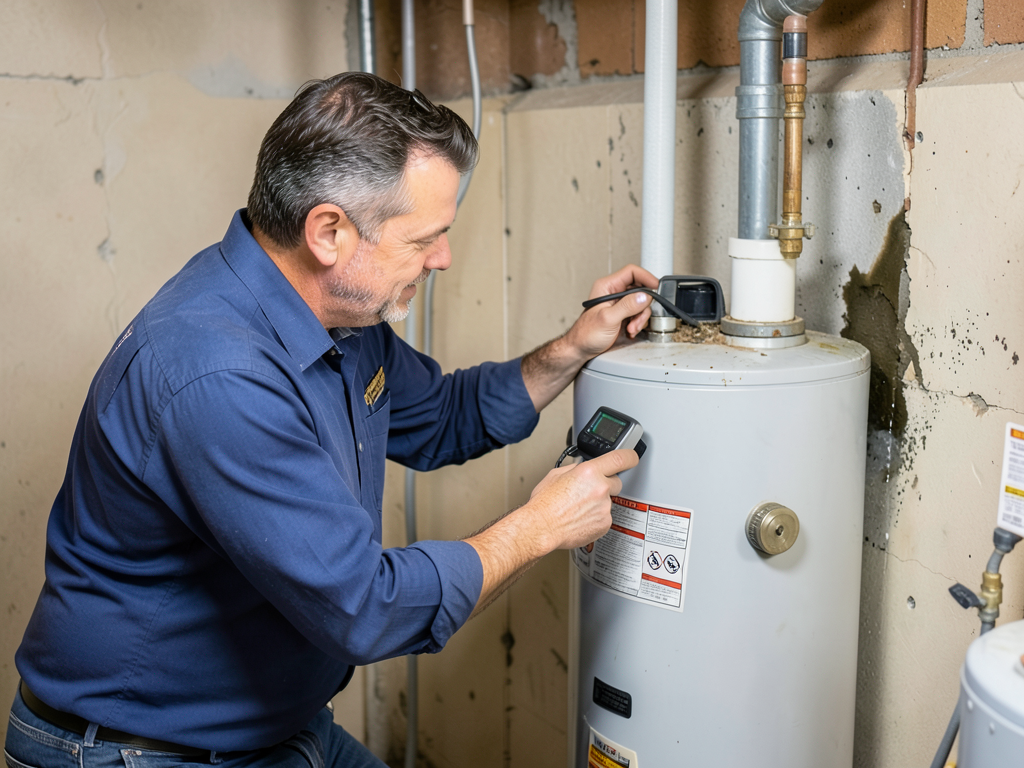
Waukesha Water Softener Leaks – Quick Cleanup and Salt Water Damage Repair
A leaking water softener can flood your basement with corrosive salt water within minutes. In Waukesha where water hardness averages 20-30 grains per gallon, mineral buildup stresses seals and valves. When a brine tank cracks or a control head fails, you need immediate action to stop the leak and prevent structural damage. Emergency Water Removal Services for Bay View Homeowners and Business Owners.
Emergency Steps to Stop a Leaking Water Softener
The first 15 minutes determine whether you save your flooring or face thousands in repairs. Locate the bypass valve behind your softener – it looks like a knob or lever that redirects water around the unit. Turn it to bypass immediately. If you cannot find it, shut off the main water valve where the line enters your home. Move quickly because salt water corrodes metal components and warps wood within hours. EPA WaterSense Program.
Next, identify the leak source. Brine tanks hold concentrated salt solution and cause the most damage when they fail. Resin tanks contain the filtration media but rarely leak unless cracked. Control heads with worn O-rings drip continuously. Place towels around the base and use a wet vacuum to remove standing water. Do not wait for the water to evaporate – salt deposits attract moisture and create ongoing problems. Restoring Water Damaged Offices and Lofts in the Historic Third Ward.
Signs Your Waukesha Water Softener Is About to Fail
Most failures give warning signs before catastrophic leaks occur. Watch for reduced water pressure throughout your home, which indicates mineral buildup restricting flow. Unusual noises during regeneration cycles suggest failing valves or motors. Water pooling around the base after regeneration means seals are degrading. Salt bridges forming in the brine tank create pressure that can crack the container. Signs of Hidden Mold.
Waukesha’s extremely hard water accelerates these problems. The calcium and magnesium minerals form scale on internal components faster than in areas with softer water. Control valves stick, O-rings compress permanently, and resin beads break down. A unit that lasts 15 years in Green Bay might fail in 8 years here. Water Damage Restoration South Milwaukee.
Salt Water Damage Restoration Process
Salt water causes unique damage compared to clean water leaks. The high sodium content corrodes metal fasteners, electrical connections, and appliance components. It draws moisture from the air, keeping materials damp longer. Salt crystals under flooring create abrasive conditions that wear through protective coatings.
Professional restoration follows specific steps. First, extract all standing water using commercial-grade equipment. Then neutralize salt deposits with specialized cleaning solutions – plain water only spreads the contamination. Test moisture levels in walls and subfloors with penetrating meters. Salt water often travels horizontally through materials faster than clean water. Professional Mold Remediation for Families in Mequon and Thiensville.
Drying requires aggressive air movement and sometimes heat. Standard fans cannot remove salt-saturated moisture effectively. We use industrial dehumidifiers with desiccant technology that continue working in cooler basement temperatures. Monitor humidity levels daily – salt environments maintain higher relative humidity than normal conditions.
Preventing Mold After a Water Softener Leak
Basement utility rooms provide perfect mold growth conditions after leaks. Temperatures stay between 60-70 degrees year-round. Humidity remains elevated from the salt water. Organic materials like wood studs and drywall paper feed mold colonies. The clock starts ticking within 24-48 hours of initial wetting.
Look for visual signs in corners and behind equipment. Musty odors indicate active growth even when you cannot see it. Dark spots on baseboards or walls suggest moisture problems persist. Test suspicious areas with a screwdriver – soft or crumbling wood signals advanced deterioration.
Professional mold remediation in Waukesha follows IICRC S520 standards. This means containing the affected area, using HEPA filtration, and removing contaminated materials safely. We wear full PPE during removal to prevent spore spread. After cleaning, we verify with moisture meters and sometimes air sampling that conditions support no further growth. IICRC Standards Organization.
Insurance Coverage for Water Softener Damage
Homeowners insurance typically covers sudden water softener failures but not gradual leaks from poor maintenance. The key distinction: was the failure unexpected or preventable? A cracked brine tank during normal operation qualifies. Corrosion from years of neglect does not.
Document everything when filing claims. Take photos before cleanup begins. Save receipts for emergency services. Keep damaged materials until the adjuster inspects them. Many policies require using approved restoration contractors to maintain coverage validity.
Review your policy for specific water damage endorsements. Some Waukesha homeowners add coverage for appliance failures beyond standard limits. Ask about replacement cost versus actual cash value for your softener and damaged property.
DIY vs Professional Repair Decisions
Simple O-ring replacements make good weekend projects if you turn off water and discharge pressure first. Replace the entire seal kit rather than individual parts – mixing old and new components causes premature failure. Clean all mating surfaces thoroughly before reassembly.
Call professionals when you see these conditions: water behind walls, electrical components exposed to moisture, mold growth, or structural damage to flooring. Also contact us if your unit is over 10 years old – age compounds all failure risks.
Consider replacement economics. A new water softener costs $1,500-2,500 installed. Multiple service calls plus restoration work often exceed replacement cost within two years. Modern units feature better materials and smarter controls that prevent many common failures.
Local Waukesha Water Quality Impact
Waukesha draws water from deep sandstone aquifers with naturally high mineral content. The city’s water hardness consistently measures 20-30 grains per gallon, among the highest in Wisconsin. This mineral concentration directly causes more frequent softener failures than areas with 5-10 grains hardness.
Local geology affects equipment longevity. The sandstone formations contain dissolved calcium and magnesium that precipitate as scale inside softener valves and tanks. Annual maintenance becomes essential rather than optional. Many Waukesha residents schedule professional cleaning every 18-24 months just to maintain normal operation.
City water treatment cannot reduce hardness without expensive reverse osmosis processing. Most Waukesha homes rely on ion exchange softeners as the only practical solution. This creates a cycle: hard water requires softeners, which fail from hard water exposure, leading to leaks and damage.
24/7 Emergency Response in Waukesha and Surrounding Areas
When water floods your basement at 2 AM, waiting until morning multiplies the damage. Our emergency teams respond within 60 minutes anywhere in Waukesha County. We bring industrial extraction equipment, moisture meters, and drying trailers directly to your home.
We serve all Waukesha neighborhoods including downtown, Bethesda, and Summit. Our technicians understand local building construction from 1920s bungalows to modern subdivisions. This knowledge helps us work faster and cause less disruption to your home.
Insurance coordination happens automatically with our service. We document damage, provide detailed estimates, and communicate directly with adjusters. Most clients never pay out-of-pocket beyond their deductible amount.
Preventing Future Water Softener Leaks
Annual professional inspection catches problems before leaks occur. Technicians check valve operation, inspect seals, test regeneration cycles, and clean brine tanks. They also verify proper salt levels – too much salt creates pressure that stresses tank walls.
Install a water alarm near your softener for early leak detection. These inexpensive devices sound when they contact water, giving you time to respond before major damage occurs. Some connect to smartphone apps for remote monitoring.
Consider upgrading to a demand-initiated softener that regenerates based on actual water usage rather than timers. These units experience fewer pressure fluctuations and have lower failure rates. Newer models also use less salt and water during regeneration.
Comparing Water Softener Types and Reliability
| Softener Type | Failure Rate (Years 5-10) | Repair Complexity | Best For |
|---|---|---|---|
| Single Tank Electric | High | Moderate | Budget installations |
| Single Tank Non-Electric | Medium | Low | Reliable basic use |
| Dual Tank System | Low | High | Large households |
| Smart Demand Unit | Very Low | High | Tech-savvy users |
Common Water Softener Problems by Age
- 0-5 Years: Control valve sticking, timer failures, salt bridging
- 5-10 Years: O-ring degradation, resin bead breakdown, motor wear
- 10-15 Years: Tank corrosion, valve body cracks, electrical failures
- 15+ Years: Complete system failure, multiple component replacements needed
Cost Factors in Water Softener Leak Repairs
Repair costs vary significantly based on damage extent and required services. Simple O-ring replacement runs $150-300. Control head replacement costs $400-600. Brine tank replacement ranges from $300-800 depending on capacity.
Restoration adds substantial costs when water spreads beyond the utility area. Extracting water from carpeting costs $100-200 per room. Drying hardwood floors runs $500-1,500 depending on area size. Mold remediation starts around $1,500 and increases with contamination extent.
Emergency service premiums apply during nights, weekends, and holidays. Expect 1.5-2x standard rates for immediate response. However, rapid action often prevents damage that would cost far more to repair if delayed.
Professional vs DIY Repair Considerations
| Factor | DIY Repair | Professional Service |
|---|---|---|
| Initial Cost | Low | High |
| Success Rate | Variable | High |
| Time Required | Long | Short |
| Warranty Coverage | None | Often Included |
| Secondary Damage Risk | High | Low |
Frequently Asked Questions
How long does water softener leak repair take?
Emergency leak stopping takes 30-60 minutes. Complete repair including parts replacement requires 2-4 hours. Restoration of damaged areas may take 3-7 days depending on material types and damage extent.
Will my homeowners insurance cover water softener damage?
Most policies cover sudden, accidental failures but exclude gradual leaks from lack of maintenance. Document everything and use approved restoration contractors to maintain coverage validity.
How can I prevent future water softener leaks?
Schedule annual professional inspections, install water alarms near the unit, maintain proper salt levels, and consider upgrading older units before they fail. Demand-initiated softeners experience fewer problems than timer-based models.
What makes salt water damage different from clean water leaks?
Salt water corrodes metal components, attracts moisture from the air, and creates abrasive conditions under flooring. It requires specialized cleaning solutions and more aggressive drying methods than clean water damage.
How quickly does mold grow after a water softener leak?
Under ideal conditions, mold can begin growing within 24-48 hours of water exposure. Basements provide perfect conditions for rapid mold development after leaks.
Call for Immediate Water Softener Leak Assistance
Water softener leaks create urgent situations requiring immediate professional attention. Every hour of delay increases damage costs and mold growth risk. Our Waukesha-based teams understand local water conditions and building construction methods.
We provide 24/7 emergency response with average arrival times under 60 minutes throughout Waukesha County. Our technicians carry common replacement parts to complete most repairs in a single visit. We also coordinate directly with your insurance company to simplify the claims process.
Call (414) 392-1771 now for immediate assistance with water softener leaks, salt water damage restoration, and mold prevention services. Our phones answer 24 hours daily, 365 days yearly. Do not let a small leak become a major restoration project.
Quick action saves your home from extensive damage and protects your family from potential health hazards. Contact us before the next regeneration cycle causes another flood in your basement.
{
“@context”: “https://schema.org”,
“@type”: “BlogPosting”,
“headline”: “Waukesha Water Softener Leaks – Quick Cleanup and Salt Water Damage Repair”,
“description”: “Emergency water softener leak repair and salt water damage restoration in Waukesha WI. 24/7 service for brine tank failures, basement flooding, and mold prevention.”,
“wordCount”: 1816,
“datePublished”: “2026-03-16T11:24:00.000Z”,
“dateModified”: “2026-03-16T11:24:00.000Z”,
“inLanguage”: “en-US”,
“mainEntityOfPage”: {
“@type”: “WebPage”,
“@id”: “https://allprowaterdamagerestorationmilwaukee.com”
},
“publisher”: {
“@type”: “LocalBusiness”,
“name”: “All Pro Water Damage Restoration Milwaukee”,
“url”: “https://allprowaterdamagerestorationmilwaukee.com”
},
“author”: {
“@type”: “Organization”,
“name”: “All Pro Water Damage Restoration Milwaukee”,
“url”: “https://allprowaterdamagerestorationmilwaukee.com”
},
“image”: {
“@type”: “ImageObject”,
“url”: “https://allprowaterdamagerestorationmilwaukee.com/wp-content/uploads/2026/03/waukesha-water-softener-leaks-quick-cleanup-and-sa-1.png”
}
}
{
“@context”: “https://schema.org”,
“@type”: “LocalBusiness”,
“name”: “All Pro Water Damage Restoration Milwaukee”,
“url”: “https://allprowaterdamagerestorationmilwaukee.com”,
“address”: {
“@type”: “PostalAddress”,
“addressLocality”: “Milwaukee”
},
“areaServed”: {
“@type”: “City”,
“name”: “Milwaukee”
}
}
{
“@context”: “https://schema.org”,
“@type”: “FAQPage”,
“mainEntity”: [
{
“@type”: “Question”,
“name”: “How long does water softener leak repair take?”,
“acceptedAnswer”: {
“@type”: “Answer”,
“text”: “Emergency leak stopping takes 30-60 minutes. Complete repair including parts replacement requires 2-4 hours. Restoration of damaged areas may take 3-7 days depending on material types and damage extent.”
}
},
{
“@type”: “Question”,
“name”: “Will my homeowners insurance cover water softener damage?”,
“acceptedAnswer”: {
“@type”: “Answer”,
“text”: “Most policies cover sudden, accidental failures but exclude gradual leaks from lack of maintenance. Document everything and use approved restoration contractors to maintain coverage validity.”
}
},
{
“@type”: “Question”,
“name”: “How can I prevent future water softener leaks?”,
“acceptedAnswer”: {
“@type”: “Answer”,
“text”: “Schedule annual professional inspections, install water alarms near the unit, maintain proper salt levels, and consider upgrading older units before they fail. Demand-initiated softeners experience fewer problems than timer-based models.”
}
},
{
“@type”: “Question”,
“name”: “What makes salt water damage different from clean water leaks?”,
“acceptedAnswer”: {
“@type”: “Answer”,
“text”: “Salt water corrodes metal components, attracts moisture from the air, and creates abrasive conditions under flooring. It requires specialized cleaning solutions and more aggressive drying methods than clean water damage.”
}
},
{
“@type”: “Question”,
“name”: “How quickly does mold grow after a water softener leak?”,
“acceptedAnswer”: {
“@type”: “Answer”,
“text”: “Under ideal conditions, mold can begin growing within 24-48 hours of water exposure. Basements provide perfect conditions for rapid mold development after leaks.”
}
}
]
}
{
“@context”: “https://schema.org”,
“@type”: “BreadcrumbList”,
“itemListElement”: [
{
“@type”: “ListItem”,
“position”: 1,
“name”: “Home”,
“item”: “https://allprowaterdamagerestorationmilwaukee.com”
},
{
“@type”: “ListItem”,
“position”: 2,
“name”: “Blog”,
“item”: “https://allprowaterdamagerestorationmilwaukee.com/blog”
},
{
“@type”: “ListItem”,
“position”: 3,
“name”: “Waukesha Water Softener Leaks – Quick Cleanup and Salt Water Damage Repair”
}
]
}
{
“@context”: “https://schema.org”,
“@type”: “Service”,
“serviceType”: “Water Damage Restoration”,
“provider”: {
“@type”: “LocalBusiness”,
“name”: “All Pro Water Damage Restoration Milwaukee”,
“url”: “https://allprowaterdamagerestorationmilwaukee.com”
},
“areaServed”: {
“@type”: “City”,
“name”: “Milwaukee”
},
“description”: “Emergency water softener leak repair and salt water damage restoration in Waukesha WI. 24/7 service for brine tank failures, basement flooding, and mold prevention.”
}