
The real difference between clean and contaminated water in your home
Water damage in your Milwaukee home isn’t just about how much water there is. The type of water flooding your property determines the health risks, cleanup methods, and whether your insurance will cover the damage. Understanding the difference between clean and contaminated water can save you thousands of dollars and protect your family from serious health hazards. Emergency Water Removal Services for Bay View Homeowners and Business Owners.
When water enters your home from a broken pipe, overflowing washing machine, or sewer backup, it falls into one of three categories based on contamination levels. These categories follow the IICRC S500 Standard for Professional Water Damage Restoration, which guides every professional restoration company in the country. IICRC S500 Standard.
Category 1 water starts clean but becomes more dangerous over time. Category 2 contains chemicals or microorganisms that can make you sick. Category 3 water is highly toxic and requires immediate professional intervention with full protective equipment. Restoring Water Damaged Offices and Lofts in the Historic Third Ward.
Category 1: Clean Water Sources and Risks
Clean water comes from sanitary sources like broken water supply lines, sink overflows, or rainwater entering through a damaged roof. While this water starts safe to touch, it becomes contaminated quickly in Milwaukee’s climate.
Within 24-48 hours, clean water can transform into gray water as it sits on surfaces and absorbs contaminants from building materials. The humid summers near Lake Michigan accelerate this process, especially in basements where moisture levels stay elevated.
Common Category 1 sources include:
- Burst pipes from freeze-thaw cycles common in Wisconsin winters
- Leaking water heaters or supply lines
- Rainwater intrusion through roof damage
- Sink or bathtub overflows without contamination
Even though Category 1 water looks harmless, standing water creates perfect conditions for mold growth. Milwaukee’s clay soil retains moisture, and homes built on these foundations experience higher humidity levels that speed up contamination.
Category 2: Gray Water Contamination
Gray water contains significant contamination and can cause discomfort or illness if contacted or consumed. This water often comes from household appliances and contains chemicals, microorganisms, or other contaminants that require proper handling.
Common sources in Milwaukee homes include:
- Dishwasher or washing machine discharge
- Overflows from toilet bowls with urine but no feces
- Hydrostatic pressure seepage through foundation walls
- Sump pump failures during heavy spring rains
Milwaukee’s aging infrastructure contributes to gray water issues. Many homes in neighborhoods like Bay View and Riverwest have older plumbing systems that are more prone to leaks and backups. The city’s combined sewer system, managed by MMSD, can cause water to back up through floor drains during heavy rainfall events. MMSD Deep Tunnel Project.
Gray water requires specific cleanup procedures. Technicians use antimicrobial treatments and specialized drying equipment to prevent mold growth. The 48-hour rule applies here – if gray water sits longer than two days, it can degrade into Category 3 black water, significantly increasing health risks and cleanup costs.
Category 3: Black Water Emergency
Black water is grossly contaminated and can contain pathogenic, toxigenic, or other harmful agents. This category requires immediate professional response with full personal protective equipment (PPE) including respirators, Tyvek suits, and specialized containment procedures. Professional Mold Remediation for Families in Mequon and Thiensville.
Sources of Category 3 water include:
- Sewer backups from the city’s combined sewer system
- Flooding from the Milwaukee River or Lake Michigan
- Toilet overflows containing feces
- Standing water that has supported microbial growth
Milwaukee’s proximity to major water bodies creates unique risks. During spring thaws or severe storms, the Milwaukee River can overflow, bringing contaminated water into basements throughout the Historic Third Ward and Riverwest. The MMSD Deep Tunnel Project helps manage overflow, but extreme weather events can still overwhelm the system.
Black water cleanup follows strict protocols under IICRC S500 standards. All contaminated materials must be removed and disposed of properly. Affected areas require thorough cleaning with hospital-grade disinfectants. Air quality testing ensures no harmful particles remain in the home.
Understanding Water Damage Classes
While categories describe contamination levels, classes describe the rate of evaporation based on affected materials. This distinction is crucial for insurance claims and restoration planning.
Class 1 involves minimal water absorption in low-porosity materials like concrete. Class 2 affects entire rooms with carpeting and water wicking up walls less than 24 inches. Class 3 involves saturated ceilings, walls, insulation, and subfloor in a room. Class 4 requires special drying situations with materials like hardwood, plaster, or concrete that hold water deeply.
Milwaukee homes often experience Class 2 or 3 damage due to our building materials. Many older homes in Wauwatosa and Shorewood feature plaster walls and hardwood floors that absorb water rapidly and require specialized drying techniques.
Health Risks by Water Category
The contamination level directly correlates with health risks. Category 1 water poses minimal risk if addressed quickly. Category 2 water can cause allergic reactions, skin irritation, or gastrointestinal illness. Category 3 water exposure can lead to serious infections, hepatitis, or other severe diseases.
Milwaukee’s humid climate creates ideal conditions for mold growth within 24-48 hours of water exposure. Black mold, Aspergillus, and other toxic species thrive in our basements and crawl spaces. Children, elderly individuals, and those with respiratory conditions face the highest risks.
Professional testing is essential for Category 2 and 3 situations. Air quality monitors detect harmful particles that aren’t visible to the naked eye. Surface testing identifies specific pathogens present in the water.
Insurance Coverage Differences
Your insurance coverage depends heavily on the water category. Most standard homeowners policies cover sudden and accidental damage from clean water sources like burst pipes. However, coverage becomes more complicated with contaminated water.
Category 2 water from appliance malfunctions is often covered, but the source of the backup matters. If a washing machine hose bursts, you’re likely covered. If the city’s sewer system backs up through your floor drain, you need separate sewer backup coverage.
Category 3 water from flooding or sewer backups typically requires additional riders on your policy. The National Flood Insurance Program covers some flooding scenarios, but Milwaukee’s specific risks may require supplemental coverage through local insurers.
Documentation is crucial for claims. Professional restoration companies provide detailed reports showing the water category, affected materials, and remediation steps. This documentation supports your claim and ensures proper reimbursement.
Milwaukee-Specific Considerations
Milwaukee’s unique geography and infrastructure create specific water damage patterns. The city’s location on Lake Michigan’s western shore means high humidity levels year-round. Our freeze-thaw cycles cause more pipe bursts than warmer climates. The clay soil prevalent in southeastern Wisconsin creates hydrostatic pressure against basement walls.
Older neighborhoods like the Historic Third Ward feature buildings with unique vulnerabilities. Many structures have combined sewer connections that increase backup risks. The area’s low elevation near the river makes it susceptible to flooding during heavy rains.
Modern construction in suburbs like Brookfield and Mequon often includes better waterproofing, but even these homes face risks from our severe weather patterns. Wisconsin experiences more frequent severe storms than many other states, increasing the likelihood of water intrusion.
Local building codes require specific waterproofing measures for new construction. The Wisconsin Uniform Dwelling Code mandates proper drainage systems and moisture barriers in basements. However, many older homes predate these requirements and remain vulnerable.
Professional Restoration Equipment and Methods
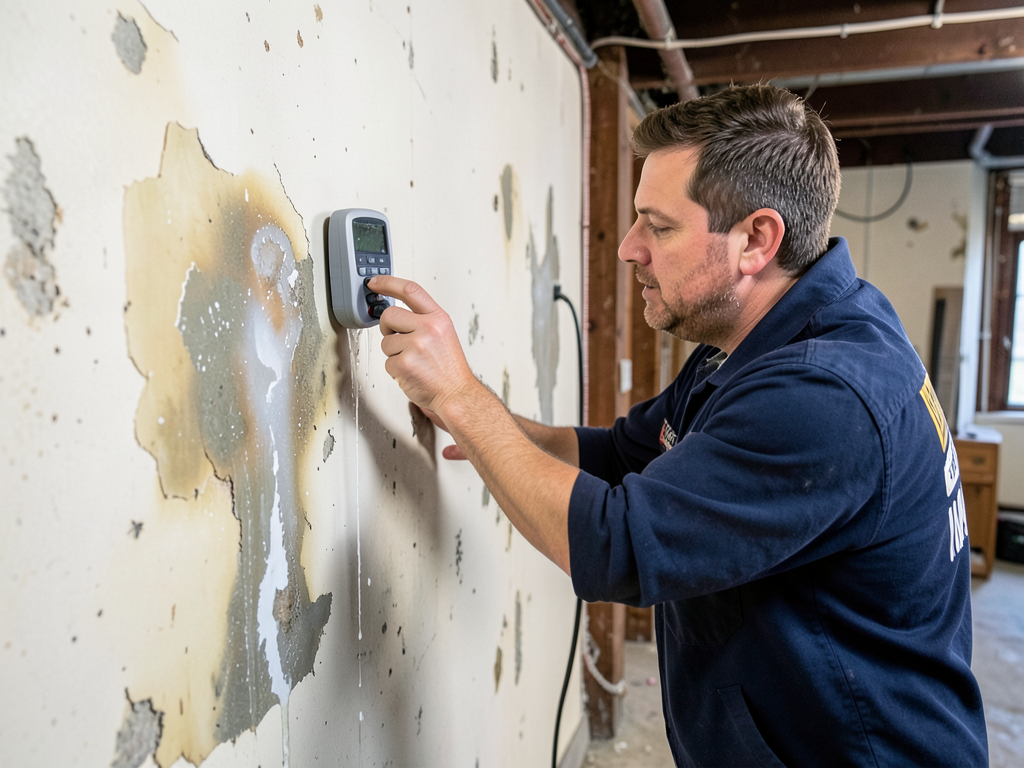
Professional water damage restoration requires specialized equipment that most homeowners don’t own. Low-grain refrigerant (LGR) dehumidifiers remove moisture more efficiently than standard units. Air movers create high-velocity airflow to speed evaporation. Moisture meters detect hidden water in walls and floors.
Thermal imaging cameras identify temperature differences that indicate moisture behind walls. This non-invasive technology helps technicians locate problems without destructive testing. Hygrometers measure air moisture content to ensure proper drying conditions.
Milwaukee restoration companies follow IICRC S500 standards for every job. These standards specify drying times, equipment placement, and verification procedures. Proper documentation proves the work was done correctly and supports insurance claims.
Protective equipment varies by category. Category 1 might only require gloves and boots. Category 3 requires full PPE including respirators, Tyvek suits, and eye protection. Containment barriers prevent cross-contamination between affected and unaffected areas.
When to Call a Professional
Knowing when to call a professional can prevent minor damage from becoming a major problem. Consider professional help if:
- Water covers more than 10 square feet
- You suspect Category 2 or 3 water
- Water has been standing for more than 24 hours
- You notice mold growth or musty odors
- Water affected electrical systems or appliances
Emergency response time matters. Water continues damaging materials and creating health hazards every hour it sits. Professional companies offer 24/7 emergency service because disasters don’t wait for business hours.
Insurance companies often prefer professional mitigation because it prevents secondary damage and provides proper documentation. Many policies require timely professional response to maintain coverage.
Prevention Strategies for Milwaukee Homes
Preventing water damage is more cost-effective than repairing it. Start with regular maintenance of your home’s water systems. Check washing machine hoses annually for cracks or bulges. Replace them every five years as preventive maintenance.
Inspect your roof annually, especially after severe storms. Look for missing shingles, damaged flashing, or signs of water intrusion in your attic. Clean gutters and downspouts regularly to ensure proper drainage away from your foundation.
Test your sump pump before the rainy season. Many Milwaukee homes rely on these pumps to keep basements dry. Consider a battery backup system for power outages during storms. Install water alarms in vulnerable areas like basements and laundry rooms.
Know your home’s water shut-off valve location. In an emergency, you can minimize damage by stopping the water source quickly. Label the valve clearly and ensure all family members know how to operate it.
Cost Factors by Water Category
Restoration costs vary significantly by water category. Category 1 cleanup typically costs $3-5 per square foot for clean water extraction and drying. Category 2 remediation ranges from $4-7 per square foot due to additional cleaning and antimicrobial treatments. Category 3 restoration can cost $7-10 per square foot or more due to PPE requirements, material removal, and specialized cleaning.
Insurance deductibles and coverage limits affect your out-of-pocket costs. Many policies have separate deductibles for water damage versus other claims. Understanding your coverage before an emergency helps you make informed decisions.
Quick response reduces costs significantly. Every hour water sits increases damage and restoration complexity. Professional companies can often save materials that would be destroyed by delayed response.
Health and Safety First
Your family’s health should be the top priority when dealing with water damage. Even clean water can create slip hazards and electrical risks. Contaminated water poses serious health threats that require proper handling. Dealing with a Flooded Basement in Wauwatosa (Your Emergency Action Plan).
Never mix bleach with other cleaning products when attempting DIY cleanup. Many household chemicals create toxic gases when combined. Professional restoration companies use commercial-grade products safely and effectively.
Consider temporary relocation for severe Category 3 situations. The health risks from sewage or floodwater contamination often outweigh the inconvenience of staying elsewhere during cleanup. Reliable Sewage Cleanup and Sanitization in West Allis.
Air quality testing after restoration ensures your home is safe for reoccupation. Professional testing provides documentation that harmful contaminants have been removed.
Choosing the Right Restoration Company
Not all restoration companies are equal. Look for IICRC certification, which ensures technicians follow industry standards. Check for proper licensing and insurance coverage. Ask about experience with Milwaukee’s specific challenges like clay soil and severe weather patterns.
24/7 emergency service is essential because water damage doesn’t wait for business hours. Quick response times minimize damage and costs. Local companies understand Milwaukee’s unique infrastructure and building patterns.
Clear communication and detailed documentation protect you throughout the process. Professional companies explain their procedures, provide written estimates, and keep you informed throughout restoration.
Frequently Asked Questions
How quickly does clean water become contaminated?
Clean water can become contaminated within 24-48 hours, especially in Milwaukee’s humid climate. The transformation depends on temperature, humidity, and the materials the water contacts. Professional drying within the first 24 hours prevents most contamination issues.
Is flood water always Category 3?
Yes, flood water is always considered Category 3 because it contains contaminants from roads, yards, and unknown sources. Even if flood water looks clean, it carries bacteria, chemicals, and other harmful substances that require professional handling.
Will my insurance cover all water damage categories?
Coverage varies by category and policy. Most policies cover sudden accidental damage from clean water. Contaminated water coverage often requires additional riders. Review your policy or consult your insurance agent to understand your specific coverage.
How long does professional water damage restoration take?
Restoration time depends on the category, class, and extent of damage. Clean water damage might take 3-5 days. Contaminated water situations often require longer due to material removal and thorough cleaning. Your restoration company should provide a specific timeline after assessment.
Can I clean up water damage myself?
Small clean water spills might be manageable with proper equipment. However, contaminated water or extensive damage requires professional handling. The health risks and potential for hidden damage make professional assessment worthwhile for most situations.
Understanding the real difference between clean and contaminated water in your home is the first step toward protecting your property and family. When water damage strikes, quick action and professional help can make the difference between a minor inconvenience and a major disaster.
Don’t wait until water damage becomes a health hazard. If you’re dealing with water in your Milwaukee home right now, call (414) 392-1771 for immediate professional assistance. Our certified technicians are ready to respond 24/7 and can be at your door within an hour to assess the situation and begin proper remediation.
Pick up the phone and call (414) 392-1771 before the next storm hits. A quick call now could save you thousands in restoration costs and protect your family’s health from the dangers of contaminated water.
{
“@context”: “https://schema.org”,
“@type”: “BlogPosting”,
“headline”: “The real difference between clean and contaminated water in your home”,
“description”: “Learn the critical difference between clean, gray, and black water damage in Milwaukee homes. Understand health risks, insurance implications, and when to call a professional.”,
“wordCount”: 2313,
“datePublished”: “2026-03-20T13:52:00.000Z”,
“dateModified”: “2026-03-20T13:52:00.000Z”,
“inLanguage”: “en-US”,
“mainEntityOfPage”: {
“@type”: “WebPage”,
“@id”: “https://allprowaterdamagerestorationmilwaukee.com”
},
“publisher”: {
“@type”: “LocalBusiness”,
“name”: “All Pro Water Damage Restoration Milwaukee”,
“url”: “https://allprowaterdamagerestorationmilwaukee.com”
},
“author”: {
“@type”: “Organization”,
“name”: “All Pro Water Damage Restoration Milwaukee”,
“url”: “https://allprowaterdamagerestorationmilwaukee.com”
},
“image”: {
“@type”: “ImageObject”,
“url”: “https://allprowaterdamagerestorationmilwaukee.com/wp-content/uploads/2026/03/the-real-difference-between-clean-and-contaminated-1.png”
}
}
{
“@context”: “https://schema.org”,
“@type”: “LocalBusiness”,
“name”: “All Pro Water Damage Restoration Milwaukee”,
“url”: “https://allprowaterdamagerestorationmilwaukee.com”,
“address”: {
“@type”: “PostalAddress”,
“addressLocality”: “Milwaukee”
},
“areaServed”: {
“@type”: “City”,
“name”: “Milwaukee”
}
}
{
“@context”: “https://schema.org”,
“@type”: “FAQPage”,
“mainEntity”: [
{
“@type”: “Question”,
“name”: “How quickly does clean water become contaminated?”,
“acceptedAnswer”: {
“@type”: “Answer”,
“text”: “Clean water can become contaminated within 24-48 hours, especially in Milwaukee’s humid climate. The transformation depends on temperature, humidity, and the materials the water contacts. Professional drying within the first 24 hours prevents most contamination issues.”
}
},
{
“@type”: “Question”,
“name”: “Is flood water always Category 3?”,
“acceptedAnswer”: {
“@type”: “Answer”,
“text”: “Yes, flood water is always considered Category 3 because it contains contaminants from roads, yards, and unknown sources. Even if flood water looks clean, it carries bacteria, chemicals, and other harmful substances that require professional handling.”
}
},
{
“@type”: “Question”,
“name”: “Will my insurance cover all water damage categories?”,
“acceptedAnswer”: {
“@type”: “Answer”,
“text”: “Coverage varies by category and policy. Most policies cover sudden accidental damage from clean water. Contaminated water coverage often requires additional riders. Review your policy or consult your insurance agent to understand your specific coverage.”
}
},
{
“@type”: “Question”,
“name”: “How long does professional water damage restoration take?”,
“acceptedAnswer”: {
“@type”: “Answer”,
“text”: “Restoration time depends on the category, class, and extent of damage. Clean water damage might take 3-5 days. Contaminated water situations often require longer due to material removal and thorough cleaning. Your restoration company should provide a specific timeline after assessment.”
}
},
{
“@type”: “Question”,
“name”: “Can I clean up water damage myself?”,
“acceptedAnswer”: {
“@type”: “Answer”,
“text”: “Small clean water spills might be manageable with proper equipment. However, contaminated water or extensive damage requires professional handling. The health risks and potential for hidden damage make professional assessment worthwhile for most situations.”
}
}
]
}
{
“@context”: “https://schema.org”,
“@type”: “BreadcrumbList”,
“itemListElement”: [
{
“@type”: “ListItem”,
“position”: 1,
“name”: “Home”,
“item”: “https://allprowaterdamagerestorationmilwaukee.com”
},
{
“@type”: “ListItem”,
“position”: 2,
“name”: “Blog”,
“item”: “https://allprowaterdamagerestorationmilwaukee.com/blog”
},
{
“@type”: “ListItem”,
“position”: 3,
“name”: “The real difference between clean and contaminated water in your home”
}
]
}
{
“@context”: “https://schema.org”,
“@type”: “Service”,
“serviceType”: “Water Damage Restoration”,
“provider”: {
“@type”: “LocalBusiness”,
“name”: “All Pro Water Damage Restoration Milwaukee”,
“url”: “https://allprowaterdamagerestorationmilwaukee.com”
},
“areaServed”: {
“@type”: “City”,
“name”: “Milwaukee”
},
“description”: “Learn the critical difference between clean, gray, and black water damage in Milwaukee homes. Understand health risks, insurance implications, and when to call a professional.”
}