
The Difference Between Professional Structural Drying and Just Using Industrial Fans
When water invades your Milwaukee home, the difference between using a few box fans and professional structural drying equipment can mean the difference between a quick recovery and long-term property damage. While industrial fans move air, they cannot remove the deep-seated moisture that threatens your home’s structural integrity. Emergency Water Removal Services for Bay View Homeowners and Business Owners.
Professional structural drying uses specialized equipment and scientific principles to extract moisture from building materials, not just from the air. This process is critical in Milwaukee’s humid climate, where Lake Michigan’s influence creates conditions that make proper drying essential for preventing mold growth and structural deterioration. Professional Mold Remediation for Families in Mequon and Thiensville.
The Science of Drying: Air Movement vs. Dehumidification
Understanding the difference between air movement and dehumidification is crucial for effective water damage restoration. Air movers create high-velocity airflow across wet surfaces, accelerating evaporation. However, this process only works if the moisture-laden air is removed from the environment. Restoring Water Damaged Offices and Lofts in the Historic Third Ward.
Dehumidifiers, particularly Low Grain Refrigerant (LGR) units, actively extract moisture from the air. This creates a vapor pressure differential that pulls moisture from wet materials. Without dehumidification, air movers simply circulate humid air, leaving building materials damp and vulnerable to secondary damage.
The science of psychrometry governs this process. Psychrometry studies the thermodynamic properties of moist air, including temperature, humidity, and vapor pressure. Professional restorers use psychrometric charts to determine the optimal balance of temperature, airflow, and dehumidification for each specific situation.
Why Standard Box Fans Fail in Milwaukee’s Humid Climate
Milwaukee’s proximity to Lake Michigan creates unique challenges for water damage restoration. During summer months, outdoor relative humidity often exceeds 70%, making it nearly impossible for standard fans to dry building materials effectively.
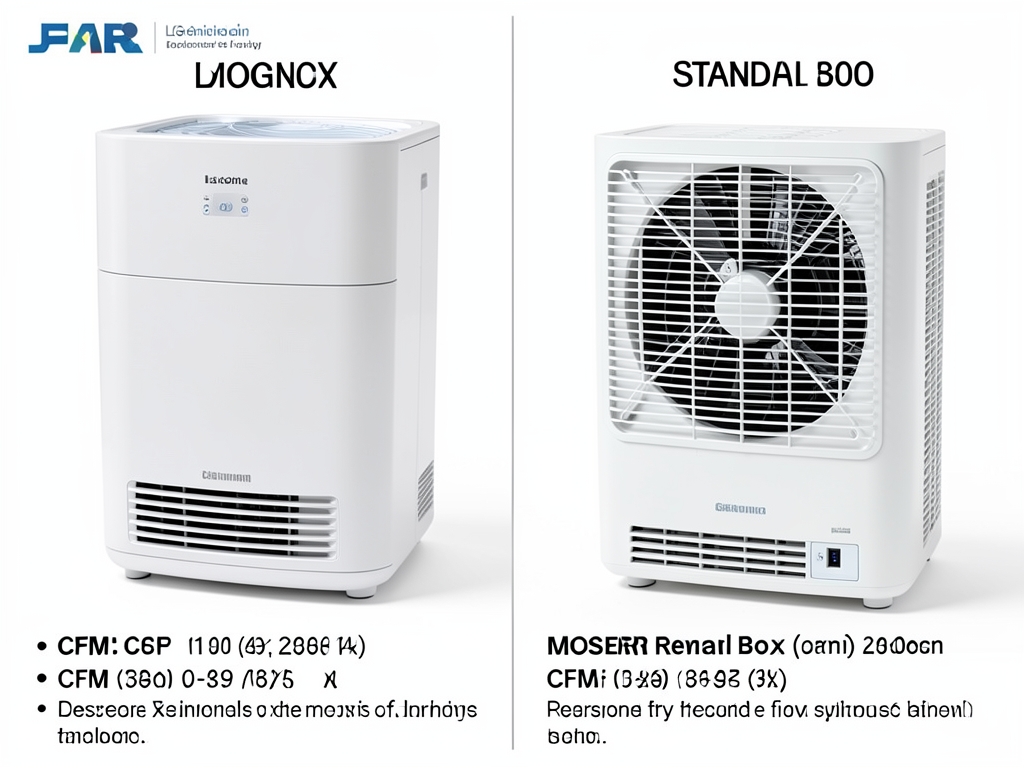
Box fans typically move 1,500 to 2,500 cubic feet of air per minute (CFM). In contrast, professional axial air movers move 2,000 to 3,200 CFM, while centrifugal air movers can move up to 3,500 CFM. This increased airflow is essential for penetrating wall cavities and reaching moisture trapped in structural components.
More importantly, box fans lack the ability to create the vapor pressure differential necessary for deep drying. They cannot lower the dew point of the air, which means moisture continues to evaporate from wet materials but condenses elsewhere in the structure.
Milwaukee’s freeze-thaw cycles compound this problem. When water freezes in building materials, it expands, creating cracks and pathways for future moisture intrusion. Professional drying equipment prevents this cycle by removing moisture before freezing occurs.
The Danger of Surface-Only Drying and Secondary Damage
Surface drying creates a dangerous illusion of recovery. When building materials appear dry to the touch, homeowners often assume the job is complete. However, moisture can remain trapped in subfloors, wall cavities, and structural framing for weeks or months.
Secondary damage occurs when moisture migrates from wet to dry areas. This process, called equilibration, can cause previously unaffected materials to absorb moisture from the air. Within 24 to 48 hours, mold spores begin to germinate and grow, creating health hazards and additional property damage.
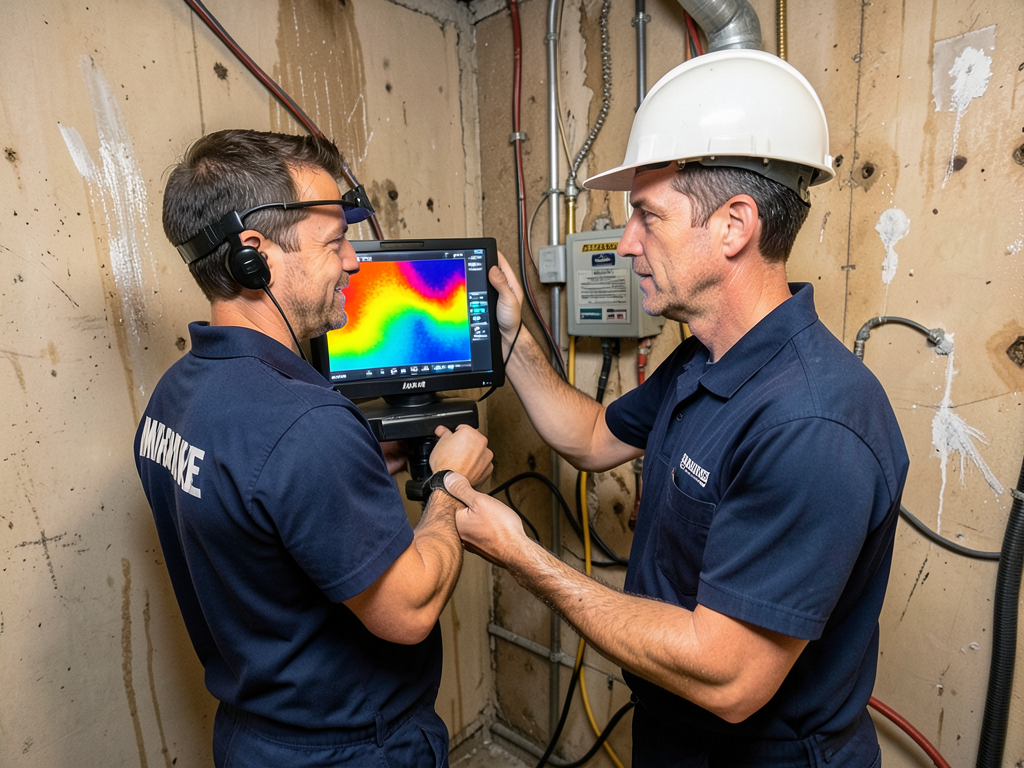
Professional moisture mapping using thermal imaging cameras and penetrating moisture meters reveals hidden moisture that standard fans cannot address. These tools detect temperature differences caused by moisture, allowing technicians to identify problem areas behind walls and under flooring. Signs of Hidden Mold.
Wisconsin’s building codes, specifically the Wisconsin Uniform Dwelling Code, require proper moisture management in construction. When water damage occurs, failing to meet these standards can result in code violations and insurance claim denials.
Structural Drying Equipment: What the Professionals Use
Professional restoration companies employ a variety of specialized equipment designed to work together as a balanced drying system. This equipment far exceeds the capabilities of standard industrial fans.
LGR dehumidifiers are the workhorses of professional drying. These units can remove 20 to 40 gallons of water per day from the air, compared to the 2 to 5 gallons that residential dehumidifiers can handle. LGR technology allows these units to continue removing moisture even when air temperature drops below 65°F.
Desiccant dehumidifiers use silica gel to absorb moisture and can operate in extremely cold conditions where refrigerant-based units would freeze. These are particularly useful in Milwaukee’s winter months when burst pipes are common.
High-velocity air movers create the airflow necessary for evaporation. Professional restorers use different types of air movers for specific applications. Axial fans move large volumes of air across open areas, while centrifugal air movers create focused, high-pressure airflow for wall cavities and under cabinets.
Air scrubbers with HEPA filtration remove airborne contaminants and prevent the spread of mold spores during the drying process. This is especially important when dealing with Category 2 or 3 water damage, which may contain bacteria or other pathogens. EPA Mold Guidelines.
LGR Dehumidifiers vs. Desiccant Drying
LGR dehumidifiers use a refrigeration cycle to condense moisture from the air. These units are most effective in temperatures between 70°F and 90°F and can achieve humidity levels as low as 10% relative humidity.
Desiccant dehumidifiers use a rotating wheel coated with silica gel to absorb moisture. These units can operate in temperatures as low as 0°F and are ideal for drying dense materials like concrete or for use in unheated spaces during winter months.
The choice between LGR and desiccant depends on the specific conditions of the water damage scenario. In Milwaukee, where temperatures can vary dramatically, having both types of equipment available ensures the most effective drying strategy.
High-Velocity Air Movers and Axial Fans
Professional air movers are designed to create laminar airflow that penetrates deep into building materials. Unlike household fans that create turbulent airflow, professional air movers direct air in a focused stream that can reach moisture trapped in wall studs and subfloor cavities.
Centrifugal air movers create high-pressure airflow ideal for injecting air into confined spaces. These units are essential for drying behind cabinets, inside wall cavities, and under flooring where standard fans cannot reach.
Axial air movers move larger volumes of air at lower pressure, making them perfect for open areas like basements and living rooms. The combination of both types creates a balanced drying system that addresses all moisture concerns.
The Risks of DIY Drying: Mold, Rot, and Structural Integrity
Attempting to dry water damage with standard fans exposes homeowners to significant risks. The most immediate danger is mold growth, which can begin within 24 to 48 hours of water exposure.
Milwaukee’s humid climate provides ideal conditions for mold growth. Stachybotrys chartarum, commonly known as black mold, thrives in environments with relative humidity above 70% and organic materials for food sources. Professional drying equipment maintains humidity levels below 40%, preventing mold growth.
Structural rot is another serious concern. Wood framing can absorb up to 30% of its weight in water before showing visible signs of damage. This moisture weakens the structural integrity of your home, potentially leading to sagging floors, cracked walls, and compromised load-bearing elements.
Insurance companies often deny claims when homeowners attempt DIY drying and subsequent damage occurs. Many policies require professional mitigation to prevent further damage, and failure to comply can void coverage.
The Environmental Protection Agency (EPA) recommends professional remediation for water damage affecting more than 10 square feet. This recommendation is based on the difficulty of completely drying affected areas without specialized equipment and the health risks associated with incomplete drying.
When to Call a Milwaukee Water Restoration Expert
Certain situations require immediate professional intervention. Category 3 water damage, which includes sewage backups and floodwater, contains harmful bacteria and pathogens that can cause serious illness. Standard fans cannot sanitize affected areas, making professional cleaning and disinfection essential. Reliable Sewage Cleanup and Sanitization in West Allis.
Water damage in finished basements presents unique challenges. Milwaukee’s older homes often feature finished basements with carpet, drywall, and insulation. These materials absorb water quickly and are difficult to dry without removing them. Professional restorers can often save these materials using specialized drying techniques.
Hidden water damage behind walls or under flooring requires professional detection equipment. Moisture meters can detect water in materials up to 3/4 inch deep, while thermal imaging cameras can identify temperature variations indicating moisture presence.
Time is critical in water damage scenarios. The longer water remains in contact with building materials, the more damage occurs. Professional restoration companies offer 24/7 emergency response because they understand that every hour of delay increases restoration costs and reduces the likelihood of saving affected materials.
Milwaukee’s building stock includes many historic homes with unique construction methods. Cream City brick, common in older Milwaukee homes, requires specific drying techniques to prevent efflorescence and structural damage. Professional restorers understand these local construction nuances.
Frequently Asked Questions
How long does professional structural drying take?
Professional structural drying typically takes 3 to 5 days for moderate water damage. Severe cases may require 7 to 10 days. The timeline depends on factors including the category of water, affected materials, and environmental conditions. Milwaukee’s humidity can extend drying times compared to drier climates.
Can I save money by using my own fans and dehumidifiers?
While DIY drying might seem cost-effective initially, it often leads to higher costs due to incomplete drying and secondary damage. Professional equipment removes moisture more efficiently and completely, preventing mold growth and structural damage that could cost thousands in repairs. Insurance companies may also deny claims if professional mitigation isn’t performed.
What’s the difference between air movers and regular fans?
Air movers create focused, high-velocity airflow specifically designed to accelerate evaporation from wet surfaces. Regular fans create turbulent airflow that doesn’t penetrate building materials effectively. Professional air movers also move more air (up to 3,500 CFM vs. 2,500 CFM for industrial fans) and can direct airflow into confined spaces.
How do professionals know when materials are completely dry?
Professionals use moisture meters to measure the moisture content of materials and compare it to normal dry standards. They also use thermal imaging cameras to detect temperature variations indicating moisture presence. The drying process continues until all affected materials return to normal moisture levels, typically below 16% for wood framing.
Will my insurance cover professional structural drying?
Most homeowners insurance policies cover professional structural drying when caused by sudden and accidental water damage. However, coverage varies by policy and the cause of damage. Professional restoration companies often work directly with insurance companies and can help document the damage and drying process to support your claim.
- Ensure Safety
Turn off electricity to affected areas and avoid standing water. If you suspect Category 3 water (sewage), evacuate the area immediately.
- Document the Damage
Take photos and videos of all affected areas before beginning any cleanup. This documentation is crucial for insurance claims.
- Extract Standing Water
Use wet vacuums or mops to remove as much standing water as possible. The more water you can remove initially, the faster the drying process will be.
- Increase Air Circulation
Open windows and doors if weather permits. Use any available fans to begin air circulation, but understand this is only a temporary solution.
- Call Professionals Immediately
Contact a professional water restoration company within 24 hours. The longer you wait, the more damage occurs and the higher the restoration costs become.
Understanding the difference between professional structural drying and using industrial fans is crucial for Milwaukee homeowners facing water damage. While fans may provide temporary relief, they cannot address the deep-seated moisture that threatens your home’s structural integrity and your family’s health.
Milwaukee’s unique climate, with its high humidity levels and freeze-thaw cycles, makes professional drying equipment essential for complete water damage restoration. The specialized tools and techniques used by professional restorers ensure that moisture is removed from all affected materials, preventing secondary damage and mold growth.
Don’t risk your home’s structural integrity or your family’s health by attempting DIY drying with standard fans. When water damage occurs, time is your enemy. The longer moisture remains in your home, the more extensive and expensive the damage becomes.
Call (414) 392-1771 today to schedule your inspection. Our certified technicians are available 24/7 to respond to your water damage emergency and begin the professional structural drying process that will protect your Milwaukee home.
Pick up the phone and call (414) 392-1771 before the next storm hits. Professional structural drying isn’t just about removing water—it’s about protecting your investment and ensuring your home remains safe and healthy for years to come. For more information, visit IICRC S500 Standards.