
Simple ways to protect Walker’s Point lofts from heavy rain and flash floods
Walker’s Point lofts face unique flood risks because of Milwaukee’s aging sewer systems, clay-heavy soil, and historic brick construction. Heavy summer storms and spring thaws can overwhelm drainage, sending water into basements and ground-floor units. This guide shows Milwaukee loft owners how to prevent damage before the next storm hits. Milwaukee Metropolitan Sewerage District.
Walker’s Point sits in a low-lying area near the Milwaukee River, where combined sewer systems can back up during heavy rain. Many lofts here are converted from 19th-century industrial buildings with porous Cream City brick foundations that absorb moisture. When hydrostatic pressure builds in the surrounding clay soil, water seeps through basement walls and floor slabs. Without proper protection, a single storm can cause thousands in damage to hardwood floors, drywall, and mechanical systems. Emergency Water Removal Services for Bay View Homeowners and Business Owners.
Why Walker’s Point lofts are vulnerable to flooding
Historic industrial buildings in Walker’s Point often sit on shallow foundations with little waterproofing. The area’s clay soil holds water like a sponge, creating hydrostatic pressure against basement walls. When MMSD’s Deep Tunnel system reaches capacity during storms, sewer backups can push water up through floor drains and toilets. Loft owners also face risks from aging plumbing stacks shared between units, where a neighbor’s leak can become your problem. Restoring Water Damaged Offices and Lofts in the Historic Third Ward.
The neighborhood’s proximity to the Milwaukee River means flood risk spikes during spring snowmelt and summer thunderstorms. Water table levels rise quickly, and without proper drainage, basements can flood within hours. Many lofts lack modern flood barriers or sump pump systems, leaving them exposed to sudden water intrusion.
Milwaukee-specific flood prevention hardware for lofts
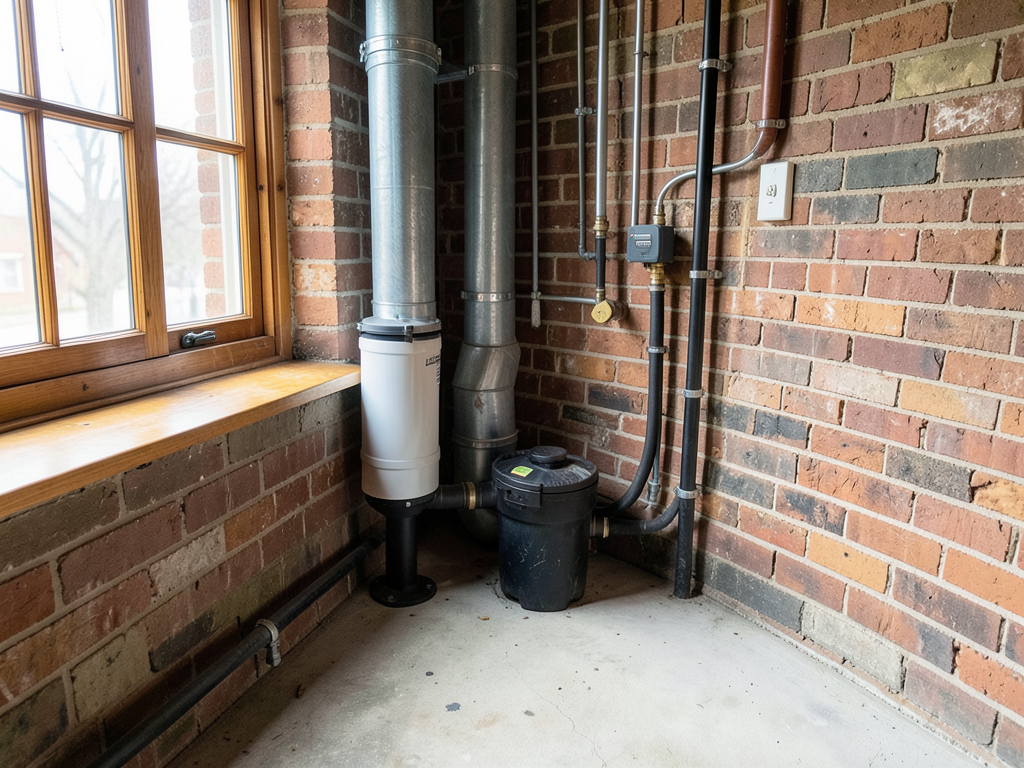
Installing the right equipment makes the difference between a dry loft and a flooded disaster. Backwater valves prevent sewer water from backing up through drains during heavy rain. Sump pumps with battery backups keep basements dry when power fails. Smart water sensors detect leaks early, sending alerts to your phone before damage spreads. Dealing with a Flooded Basement in Wauwatosa (Your Emergency Action Plan).
For Walker’s Point’s historic buildings, choose equipment that works with existing plumbing without damaging original features. Cast iron backwater valves blend with vintage systems, while submersible sump pumps fit in tight basement spaces. Install water sensors near water heaters, washing machines, and under kitchen sinks where leaks commonly start.
Seasonal maintenance checklist for Milwaukee loft owners
Milwaukee’s freeze-thaw cycles stress plumbing and foundations. Before winter, disconnect outdoor hoses and shut off exterior water lines. In spring, inspect basement walls for new cracks that may have formed from soil expansion. Clean gutters and downspouts so rainwater flows away from the building, not toward it.
Test your sump pump monthly by pouring water into the pit. Replace the backup battery annually. Check window well covers for cracks and ensure they seal properly. Inspect the building’s exterior for deteriorating mortar joints in brick walls, which can let water seep in during heavy rain.
Understanding MMSD alerts and Milwaukee’s sewer system
The Milwaukee Metropolitan Sewerage District operates a combined sewer system that collects both stormwater and wastewater. During heavy rain, the Deep Tunnel can reach capacity, triggering combined sewer overflows. MMSD issues Water Drop alerts when system stress is high, warning residents to reduce water usage.
Sign up for MMSD’s text or email alerts at mmsd.com. When an alert is issued, avoid running dishwashers, washing machines, or taking long showers. This reduces the load on the sewer system and helps prevent backups into your loft. Keep MMSD’s emergency hotline handy: (414) 286-3710.
Insurance considerations for Walker’s Point loft owners
Standard homeowners insurance doesn’t cover flood damage in Milwaukee. You need separate flood insurance through the National Flood Insurance Program or private carriers. For lofts, check if your policy covers damage from neighbor’s leaks or sewer backups, which are common in multi-unit buildings.
Review your condo association’s master policy to understand what’s covered. Some policies exclude basement flooding or only cover common areas. Document your loft’s contents and keep receipts for valuable items. Consider adding sewer backup coverage, which costs about $50-$100 annually but can save thousands in damage claims.
Emergency response steps when flooding starts
If water enters your loft, act fast to minimize damage. Shut off electricity to affected areas at the breaker box. Move valuables to higher ground. Use a wet vacuum to remove standing water if it’s safe to do so. Document everything with photos for insurance claims.
Call a professional restoration company immediately. Water damage worsens quickly, with mold starting to grow within 24-48 hours. Look for IICRC-certified firms with 24/7 emergency service. In Walker’s Point, local companies understand the area’s unique building challenges and can respond faster than national chains. Professional Mold Remediation for Families in Mequon and Thiensville.
Comparing flood prevention methods for Milwaukee lofts
| Method | Cost Range | Effectiveness | Best For |
|---|---|---|---|
| Backwater valve installation | $1,500-$3,000 | High | Sewer backup prevention |
| Sump pump with battery backup | $1,200-$2,500 | High | Basement flooding |
| Smart water sensors | $200-$500 | Medium | Early leak detection |
| Window well covers | $100-$300 each | Medium | Ground-level windows |
| French drain installation | High | Chronic water issues |
DIY vs. professional flood prevention for lofts
Simple tasks like cleaning gutters and testing sump pumps are safe DIY projects. However, installing backwater valves or French drains requires permits and expertise. Milwaukee’s building code (Chapter 13 of the Milwaukee Code of Ordinances) requires licensed plumbers for any work that connects to the city sewer system.
Professional installation ensures equipment meets code and works properly. A licensed contractor can also identify hidden vulnerabilities, like deteriorating foundation mortar or inadequate drainage slopes. For historic lofts, professionals know how to preserve original features while adding modern protection. Signs of Hidden Mold.
Long-term solutions for chronic flood problems
If your loft floods repeatedly, consider comprehensive solutions. Exterior waterproofing involves excavating around the foundation and applying waterproof membranes. Interior drainage systems collect water before it reaches living spaces. Both methods work well for Walker’s Point’s older buildings but require significant investment.
Roof drainage improvements can also help. Ensure downspouts extend at least 6 feet from the building and direct water toward storm sewers, not toward your foundation. Grade soil around the building to slope away from walls. These changes reduce hydrostatic pressure on basement walls during heavy rain.
Community resources for Milwaukee loft owners
The City of Milwaukee offers flood prevention grants for qualifying properties in flood-prone areas. Check the Department of Neighborhood Services website for current programs. MMSD also provides free rain barrels and downspout disconnection services to reduce stormwater runoff.
Join neighborhood associations in Walker’s Point to share information about flood risks and prevention strategies. Local groups often coordinate bulk purchases of flood prevention equipment or share contractor recommendations. The Third Ward Association and Milwaukee Downtown organizations can connect you with resources.
Call (414) 392-1771 today to schedule your inspection
Don’t wait for the next storm to test your loft’s flood protection. Our Milwaukee-based team understands Walker’s Point’s unique challenges and can recommend solutions that work with your building’s historic character. We’ll inspect your property, identify vulnerabilities, and create a prevention plan tailored to your loft.
Pick up the phone and call (414) 392-1771 before the next heavy rain hits. Our 24/7 emergency service means we’re always ready when you need us. Protect your investment and your peace of mind with professional flood prevention from local experts who know Milwaukee inside and out.
Frequently Asked Questions
How much does flood prevention cost for a Walker’s Point loft?
Basic prevention starts around $500 for sensors and covers. Comprehensive systems with sump pumps and backwater valves range from $3,000 to $8,000. The cost depends on your loft’s size, age, and specific vulnerabilities.
Does my condo association handle flood prevention?
Condo associations typically maintain common areas but not individual unit protection. You’re responsible for preventing water from entering your loft. Check your association’s bylaws for specific responsibilities regarding shared plumbing and drainage systems.
How long does flood prevention installation take?
Most installations take 1-3 days. Backwater valve installation requires permits and inspection, adding a few days to the timeline. Emergency repairs due to existing flooding may take longer depending on damage extent.
Can I install flood prevention equipment myself?
Simple tasks like placing sensors are DIY-friendly. However, connecting to sewer lines or altering drainage systems requires licensed professionals and permits per Milwaukee building codes. Improper installation can void insurance and create code violations.
What’s the most important flood prevention step for Milwaukee lofts?
Install a backwater valve if your loft has basement plumbing. This single device prevents the most common and costly type of flooding in Milwaukee’s combined sewer system. Pair it with a sump pump for complete protection.