
Preventing Water Damage in Large Butler Warehouses and Industrial Spaces
Water damage in Butler warehouses and industrial facilities creates immediate operational disruption and long-term structural problems. The financial impact extends beyond cleanup costs to include lost inventory, equipment damage, and business interruption. In Milwaukee’s climate with freeze-thaw cycles and heavy precipitation, warehouses face unique vulnerabilities that require targeted prevention strategies. Emergency Water Removal Services for Bay View Homeowners and Business Owners.
Effective prevention combines proactive maintenance, smart technology, and emergency preparedness. This guide covers specific measures for Butler warehouses, addressing local climate challenges and building code requirements while providing actionable steps to protect your facility. EPA.
Understanding Milwaukee’s Climate Impact on Warehouse Infrastructure
Milwaukee’s location along Lake Michigan creates distinct weather patterns that affect warehouse structures. Winter temperatures regularly drop below zero, causing frozen pipes and ice dam formation on roofs. Spring brings rapid snowmelt and heavy rainfall, while summer humidity levels can exceed 80%, creating condensation risks inside facilities.
The freeze-thaw cycle particularly affects Butler warehouses built with metal panels and concrete foundations. Water seeps into small cracks during warmer periods, then expands when frozen, gradually widening gaps and compromising structural integrity. This process accelerates in areas where roof lines meet walls, creating vulnerable seams that require regular inspection. Restoring Water Damaged Offices and Lofts in the Historic Third Ward.
Milwaukee’s average annual snowfall of 47 inches creates additional challenges. Snow accumulation on warehouse roofs adds significant weight loads, while melting snow can overwhelm drainage systems. The city’s combined sewer system, managed by the Milwaukee Metropolitan Sewerage District, becomes overwhelmed during heavy storms, potentially causing backup through floor drains in older industrial areas.
Roof and Exterior Protection Systems
Commercial warehouse roofs require specialized maintenance different from residential structures. Butler buildings typically feature low-slope or flat roof designs with metal panels, making them susceptible to ponding water and ice dam formation. Signs of Hidden Mold.
Regular roof inspections should check for loose fasteners, damaged seals around penetrations, and signs of rust on metal panels. Pay particular attention to areas around HVAC units, vents, and skylights where water intrusion commonly occurs. Milwaukee’s building code requires commercial roofs to withstand specific wind and snow loads, but age and wear can compromise these ratings over time.. Read more about Fast Water Extraction for Manufacturing Plants and Machine Shops in West Milwaukee.
Ice dam prevention requires proper attic ventilation and insulation. When warm air escapes through the roof, it melts snow that refreezes at the eaves, creating ice dams that force water under roofing materials. Installing heat cables along roof edges provides additional protection during severe winter storms.. Read more about Water Damage Response for Senior Living Communities and Assisted Care Facilities in Hales Corners.
Exterior wall maintenance includes checking caulking around windows, doors, and expansion joints. Metal Butler buildings expand and contract with temperature changes, causing sealant failure over time. Replace deteriorated caulking before winter to prevent water infiltration during freeze-thaw cycles.
HVAC and Plumbing Winterization Protocols
Commercial HVAC systems in warehouses require specific winterization steps to prevent freeze damage. Water-filled coils, condensate drains, and exposed piping become vulnerable when temperatures drop below freezing. The International Mechanical Code Section 1301 mandates minimum insulation requirements for exposed pipes in unconditioned spaces.
Condensate drain lines often freeze first because they contain standing water. Install heat tape on exterior portions of drain lines and ensure proper slope to prevent water pooling. Check for proper trap installation, as incorrect traps can allow cold air to enter through drain lines and freeze internal components.
Plumbing systems require comprehensive winterization in warehouses with minimal heating. Identify all water lines in exterior walls, crawl spaces, and unheated storage areas. Insulate these pipes with appropriate R-value insulation rated for your climate zone. Install pipe sleeves where pipes penetrate exterior walls to prevent cold air infiltration.
Consider installing automatic shut-off valves that detect unusual water flow patterns. These systems can prevent catastrophic flooding by shutting off water supply when leaks are detected, limiting damage to a small area rather than flooding entire warehouses.
Advanced Leak Detection Technology
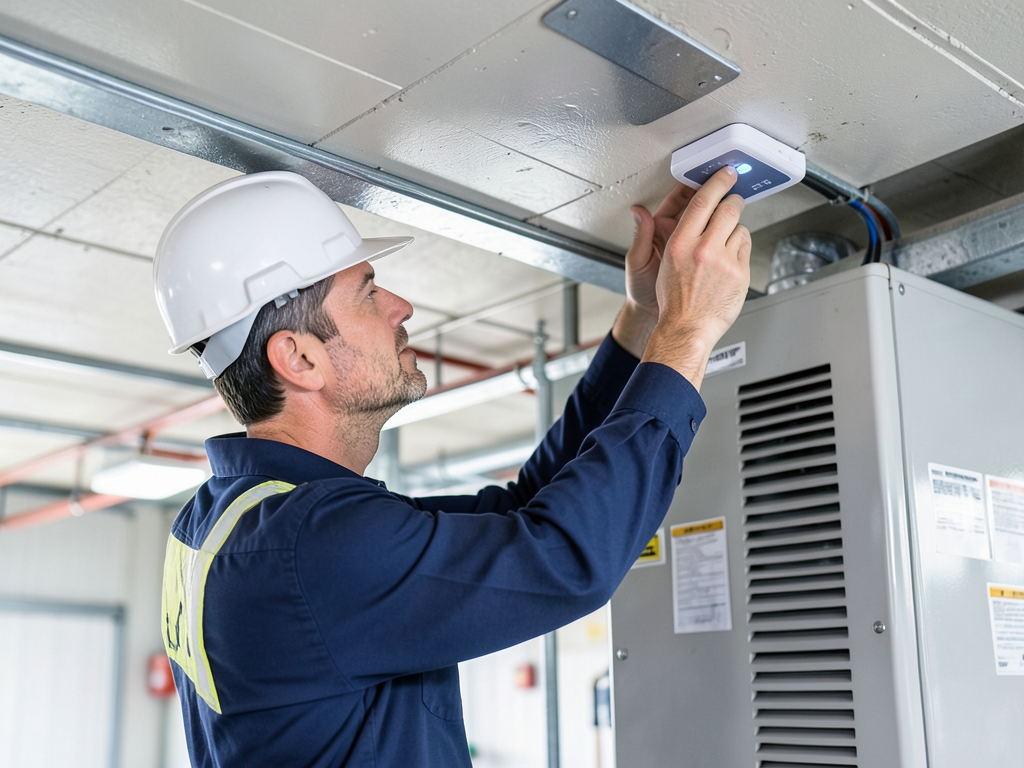
Modern warehouses benefit from IoT water detection systems that provide real-time monitoring and alerts. These systems use strategically placed sensors to detect moisture before visible damage occurs, allowing rapid response to prevent extensive damage.
Wireless sensor networks can monitor multiple areas simultaneously, sending alerts to facility managers via smartphone apps when moisture is detected. Place sensors near high-risk areas including water heaters, HVAC units, under sinks, and along exterior walls where pipes run. Some systems integrate with building management systems to automatically shut off water supply when leaks are detected.
Thermal imaging cameras help identify hidden moisture problems before they become visible. Water infiltration often creates temperature variations that show up clearly on infrared scans. Regular thermal imaging of walls, ceilings, and floors can detect plumbing leaks, roof leaks, and insulation failures.
Acoustic leak detection equipment uses sensitive microphones to listen for the sound of water escaping from pipes. This technology can pinpoint the exact location of underground leaks without destructive testing, saving time and money during repairs.
Floor and Foundation Protection
Warehouse floors face unique water damage risks from both above and below. Concrete slabs can develop cracks that allow groundwater to seep upward, while surface water can penetrate through expansion joints and floor drains.
Hydrostatic pressure from saturated soil around foundations can force water through concrete floors. This pressure increases during spring thaw when frozen ground prevents proper drainage. Installing interior perimeter drains with sump pumps provides active water removal, preventing water accumulation under floors.
Floor drains require regular maintenance to ensure proper function. Remove debris from drain covers and check for proper trap seals that prevent sewer gas infiltration while allowing water flow. In areas with combined sewer systems, install backflow preventers to stop sewage backup during heavy rainfall events. Reliable Sewage Cleanup and Sanitization in West Allis.
Expansion joints between floor sections need flexible sealants that accommodate concrete movement while preventing water infiltration. Replace deteriorated joint fillers before they allow water to penetrate beneath floor surfaces.
Emergency Response Planning
Every warehouse needs a comprehensive emergency response plan specifically addressing water damage scenarios. This plan should identify critical shut-off valves, emergency contacts, and evacuation procedures for water-related emergencies.
Document the location of main water shut-off valves, electrical panels, and gas shut-off valves. Ensure all facility staff know how to access these controls during emergencies. Create laminated emergency procedure cards for key personnel and post them near critical equipment.
Establish relationships with emergency service providers before disasters occur. Water damage requires rapid response to minimize damage, so having pre-qualified contractors ready to mobilize saves valuable time. Maintain a list of 24/7 emergency contacts including plumbers, restoration companies, and equipment rental services.
Conduct regular emergency drills focusing on water damage scenarios. Practice shutting off water supply, moving valuable inventory to higher ground, and operating emergency pumps. These drills reveal weaknesses in emergency plans before real disasters occur.
Insurance and Documentation Requirements
Commercial property insurance policies have specific requirements for water damage coverage. Many policies exclude certain types of water damage or have separate deductibles for water-related claims. Review your policy annually to ensure adequate coverage for your facility’s specific risks.
Document existing conditions with photographs and written descriptions before problems occur. This documentation helps establish the condition of your property and can prevent disputes over pre-existing damage when filing claims. Keep records of all maintenance and repairs as proof of proper property care.
Consider business interruption insurance that covers lost revenue during restoration periods. Water damage often requires extended closure for proper drying and repairs, and this coverage can provide financial stability during recovery.
Maintain detailed inventory records with photographs of valuable equipment and inventory. Water damage can destroy documentation along with physical items, making recovery more difficult without proper records.
Seasonal Maintenance Calendar
Implement a year-round maintenance schedule addressing seasonal risks specific to Milwaukee’s climate. This proactive approach prevents many common water damage scenarios before they occur.
Fall maintenance focuses on winter preparation. Clean gutters and downspouts, inspect roof for damage, and test heating systems. Drain exterior water lines and irrigation systems to prevent freezing. Check weather stripping on doors and windows for proper seals.
Winter maintenance addresses immediate cold-weather risks. Monitor roof snow loads and remove excessive accumulation. Check for ice dam formation and address immediately. Inspect pipes in unheated areas for signs of freezing.
Spring maintenance addresses water damage risks from melting snow and heavy rains. Clean and test sump pumps, inspect foundation for cracks, and check basement walls for seepage. Clean roof drains and ensure proper grading directs water away from foundations.
Summer maintenance focuses on humidity control and system efficiency. Clean HVAC coils, check condensate drain lines, and inspect for mold growth in humid areas. Test emergency backup systems including generators and battery backups.
Cost-Benefit Analysis of Prevention vs. Restoration
Water damage prevention costs significantly less than restoration. The average commercial water damage claim exceeds $10,000, while comprehensive prevention systems cost between $2,000 and $5,000 for most warehouses. Prevention also avoids business interruption costs that can exceed $1,000 per day for industrial operations.
Smart leak detection systems typically pay for themselves within 18-24 months through prevented damage and reduced insurance premiums. Many insurance companies offer premium discounts for facilities with active monitoring systems and documented maintenance programs.
Employee training represents one of the most cost-effective prevention measures. Teaching staff to identify early warning signs of water problems can prevent minor issues from becoming major disasters. A single prevented incident often justifies the cost of comprehensive training programs.
Regular professional inspections catch problems early when repairs cost less. A $500 roof inspection might identify issues that would cost $20,000 to repair if left unaddressed until visible damage occurs. Professional Mold Remediation for Families in Mequon and Thiensville.
Compliance with Local Building Codes and Regulations
Milwaukee’s building codes include specific requirements for commercial water damage prevention. The Wisconsin Commercial Building Code adopts the International Plumbing Code with local amendments addressing regional climate concerns and infrastructure limitations.
Commercial buildings must comply with backflow prevention requirements to protect municipal water supplies. Milwaukee requires annual testing of backflow preventers by certified testers, with documentation submitted to the city’s water quality department. Failure to maintain these devices can result in water service termination.
Fire sprinkler systems require specific protection against freezing in unheated areas. The National Fire Protection Association Standard 25 mandates inspection and maintenance procedures for fire protection systems, including freeze protection measures for exposed piping.
Stormwater management regulations require commercial properties to control runoff and prevent flooding of adjacent properties. Many warehouses must install retention systems or permeable surfaces to manage rainwater on-site rather than overwhelming municipal systems.
Technology Integration for Facility Management
Modern warehouse management systems integrate water damage prevention with overall facility operations. Building management systems can monitor humidity levels, track equipment performance, and provide early warnings of potential water problems.
Remote monitoring capabilities allow facility managers to check building conditions from anywhere. Mobile apps provide real-time alerts for temperature fluctuations, humidity changes, and moisture detection, enabling rapid response even when off-site.
Predictive maintenance uses data analytics to identify equipment likely to fail before problems occur. By monitoring HVAC performance, water heater efficiency, and plumbing system pressures, these systems can schedule maintenance during convenient times rather than emergency repairs.
Integration with weather forecasting services allows preemptive action before severe storms. Facilities can automatically adjust HVAC settings, close vulnerable openings, and activate backup systems based on incoming weather data.
Staff Training and Emergency Procedures
Employee training forms the first line of defense against water damage. All warehouse staff should understand basic water damage prevention principles and know how to respond to emergencies.
Training should cover identifying early warning signs including unusual sounds from plumbing systems, water stains on ceilings or walls, and musty odors indicating moisture problems. Teach employees to report these signs immediately rather than waiting for visible damage.
Designate specific employees as emergency response team members responsible for critical actions during water emergencies. These individuals should know how to shut off water supply, operate emergency pumps, and contact restoration services.
Regular safety meetings should include water damage prevention topics specific to current seasonal risks. Fall meetings might focus on winter preparation, while spring meetings address flood prevention and sump pump testing.
Case Studies: Prevention Success Stories
A Butler warehouse in the Menomonee Valley implemented comprehensive water damage prevention measures after experiencing three separate incidents in one year. The facility installed smart leak detection sensors, upgraded roof drainage systems, and implemented a seasonal maintenance program. Since these improvements, the warehouse has operated without water damage incidents for over five years.
A manufacturing facility near American Family Field installed industrial-grade dehumidification systems after experiencing mold problems related to high summer humidity. The systems maintain optimal humidity levels year-round, preventing both mold growth and condensation-related water damage. Energy costs increased slightly, but damage prevention savings exceeded these costs within the first year.
A distribution center in Oak Creek installed a redundant sump pump system with battery backup after a power outage caused primary pump failure during a spring storm. The backup system activated automatically, preventing what would have been a major flood and inventory loss estimated at over $500,000.
Future Trends in Warehouse Water Protection
Emerging technologies continue to improve water damage prevention capabilities. Artificial intelligence systems can now predict potential failures by analyzing patterns in equipment performance data, allowing maintenance before problems occur.
Self-healing building materials represent an exciting development in water damage prevention. These materials can seal small cracks automatically when exposed to water, preventing minor issues from becoming major problems. While currently expensive, costs are decreasing as adoption increases.
Drone inspection technology provides safer and more thorough roof inspections than traditional methods. Drones equipped with thermal cameras can identify moisture problems, insulation failures, and structural issues without requiring personnel to walk on potentially dangerous roof surfaces.
Water recycling systems integrated with leak detection can provide both conservation benefits and damage prevention. These systems monitor water quality and flow patterns, automatically isolating problems while continuing to provide water for essential operations.
Frequently Asked Questions
How often should warehouse roofs be inspected for water damage prevention?
Commercial warehouse roofs require inspection at least twice annually, typically in spring and fall. Additional inspections should follow severe weather events including heavy snowfall, hail storms, or high winds. Document all inspections with photographs and written reports to track changes over time.
What is the most cost-effective water damage prevention measure for warehouses?
Employee training and awareness programs provide the highest return on investment for water damage prevention. Teaching staff to identify early warning signs and respond appropriately costs little but can prevent catastrophic damage. Combine this with regular professional inspections for optimal protection at reasonable cost.
How do I know if my warehouse needs a backflow preventer?
Any commercial facility connected to municipal water supply requires backflow prevention to protect public water quality. Milwaukee specifically mandates backflow preventers for facilities with potential cross-connections including chemical storage, irrigation systems, or equipment using non-potable water. Annual testing by certified professionals is required.
Take Action Before Water Damage Strikes
Water damage prevention requires ongoing attention and investment, but the cost of prevention pales compared to restoration expenses and business interruption. Start with a comprehensive facility assessment to identify your specific vulnerabilities, then implement targeted prevention measures based on your building’s unique characteristics and local climate risks.
Don’t wait for the first sign of water damage to take action. Call (414) 392-1771 today to schedule a professional water damage prevention assessment for your Butler warehouse or industrial facility. Our experienced technicians understand Milwaukee’s unique climate challenges and can recommend cost-effective solutions to protect your investment.
Pick up the phone and call (414) 392-1771 before the next storm hits. A single phone call now could prevent thousands in damage and weeks of business interruption later. Our 24/7 emergency response team stands ready to help you protect your facility and keep your operations running smoothly.
Remember, water damage rarely happens at convenient times. Be prepared with proper prevention measures and trusted partners ready to respond when needed. Your business deserves the protection that comes from working with experienced local professionals who understand both the technical aspects of water damage prevention and the specific challenges faced by Butler warehouses in Milwaukee. For more information, visit IICRC.