
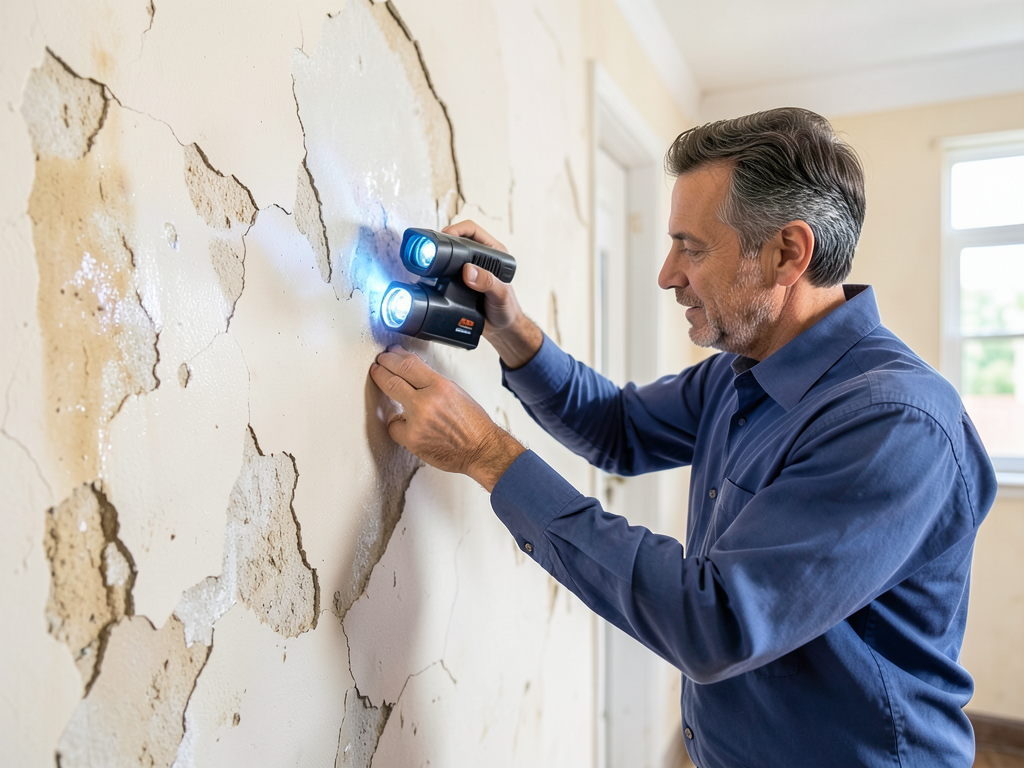
How to Dry Out Wet Plaster Walls in Your Historic Enderis Park Home Without Causing Cracks
Wet plaster walls in a historic Enderis Park home require careful drying to prevent cracking and structural damage. The key is understanding that plaster behaves differently than modern drywall. It expands when wet and contracts as it dries, making rapid drying a recipe for disaster. The right approach combines controlled air movement, precise humidity management, and patience to preserve your home’s historic character.
Historic homes in the 53210 and 53222 zip codes often feature plaster over wood lath, a construction method dating back to the early 1900s. When water damage occurs, whether from burst pipes during a Wisconsin freeze-thaw cycle or basement flooding from heavy spring rains, the plaster absorbs moisture deep into its layers. Unlike drywall that can be cut out and replaced, historic plaster requires specialized restoration techniques to maintain both structural integrity and aesthetic value. Emergency Water Removal Services for Bay View Homeowners and Business Owners.
The first 24 hours after water exposure are critical. Initial assessment involves checking for active water sources, measuring moisture content with penetrating meters, and documenting damage for insurance purposes. Professional restoration technicians use thermal imaging cameras to detect hidden moisture pockets behind walls that aren’t visible to the naked eye. This diagnostic step prevents future mold growth and ensures complete drying. Restoring Water Damaged Offices and Lofts in the Historic Third Ward.
Understanding Your Enderis Park Plaster Construction
Enderis Park homes, particularly those built between 1920 and 1950, typically feature three-coat plaster systems over wood lath. The base coat contains animal hair for reinforcement, followed by brown coat and finish coat. This layered system creates a strong but moisture-sensitive structure. When water penetrates, it travels through capillary action along the wood lath, potentially affecting entire wall sections.
The neighborhood’s proximity to Lake Michigan creates unique humidity challenges. Summer lake effect can increase indoor relative humidity to 70% or higher, while winter heating creates dry conditions that stress already weakened plaster. These seasonal fluctuations make proper initial drying even more critical for long-term wall stability.
Common water damage sources in Enderis Park include aging copper plumbing that corrodes over decades, foundation cracks from clay soil expansion during wet seasons, and roof leaks that travel down wall cavities. The area’s historic bungalows and Tudor-style homes often have complex roof lines with multiple valleys where water can pool and find entry points.
Professional Drying Equipment and Techniques
Professional water damage restoration requires specialized equipment not available to homeowners. Low-profile air movers create gentle air circulation without disturbing the plaster surface. Dehumidifiers with precise humidity control maintain optimal drying conditions between 30-50% relative humidity. Moisture meters with deep-penetrating probes measure water content at various depths to track progress. Professional Mold Remediation for Families in Mequon and Thiensville.
The drying process typically takes 3-7 days depending on wall thickness, initial moisture content, and environmental conditions. Technicians monitor progress daily using psychrometric charts to calculate vapor pressure differentials and ensure efficient moisture removal without causing damage. Temperature control between 70-80 degrees Fahrenheit provides optimal conditions for water evaporation.
Industrial-grade desiccant dehumidifiers work well for Enderis Park’s older homes because they operate effectively in cooler temperatures common in basements and lower levels. These units can remove 20-30 gallons of water per day from the air, significantly accelerating the drying process while protecting historic materials.
Step-by-Step Plaster Drying Process
- Emergency Water Extraction
Remove standing water using truck-mounted extraction equipment. This prevents further absorption into plaster and wood framing. Extraction should occur within 24-48 hours to prevent mold growth.
- Moisture Assessment
Use penetrating moisture meters and thermal imaging to map affected areas. Document findings for insurance claims and establish baseline moisture content readings.
- Controlled Air Movement Setup
Position air movers at 45-degree angles to walls, maintaining 12-18 inches of distance. Avoid direct airflow that can cause uneven drying and stress cracks.
- Dehumidification Implementation
Deploy commercial dehumidifiers with automatic humidistats. Place units centrally for optimal coverage and empty collection tanks regularly.
- Daily Monitoring and Adjustment
Check moisture content readings twice daily. Adjust equipment placement and settings based on drying progress and psychrometric calculations.
- Final Moisture Verification
Confirm moisture content below 15% for wood framing and below 12% for plaster before removing equipment. Document completion for insurance purposes.
Common Mistakes That Cause Plaster Damage
Rapid drying using high-heat equipment or direct fans causes differential shrinkage between plaster layers. The outer surface dries faster than inner layers, creating stress points that crack. Many homeowners make this mistake trying to speed up the process, not realizing they’re causing permanent damage.
Skipping the moisture assessment step means hidden water pockets remain undetected. Water trapped behind baseboards or inside wall cavities continues causing damage long after visible signs disappear. Mold growth often begins within 48-72 hours in these hidden areas. Signs of Hidden Mold.
Using household dehumidifiers instead of commercial units provides insufficient moisture removal capacity. A typical home dehumidifier removes 1-2 gallons per day, while professional units remove 20-30 gallons. This massive difference in capacity determines whether walls dry properly or develop secondary damage.
Ignoring Wisconsin building codes during restoration can create future problems. The Wisconsin Uniform Dwelling Code requires proper vapor barriers and moisture control in finished spaces. Professional restoration includes these code-compliant elements to prevent recurring issues.
When to Call Professional Help
Water damage affecting more than 10 square feet of plaster typically requires professional intervention. Large areas need specialized equipment and expertise to dry properly without causing damage. The cost of professional restoration often proves less expensive than repairing damage from improper DIY attempts. EPA Mold Guidelines.
Category 2 or 3 water damage (gray or black water) requires professional handling due to contamination risks. Sewage backups, foundation seepage, or flooding from external sources contain bacteria and pathogens that require specialized cleaning and disinfection procedures. Reliable Sewage Cleanup and Sanitization in West Allis.
Insurance considerations also factor into the decision. Most homeowners insurance policies cover water damage restoration when performed by licensed professionals. DIY attempts may void coverage or create complications during the claims process.
Historic designation status affects restoration requirements. Enderis Park homes may have specific preservation guidelines that dictate restoration methods. Professional restorers understand these requirements and work within preservation standards.
Insurance and Documentation Requirements
Wisconsin insurance companies require specific documentation for water damage claims. This includes moisture mapping, daily progress logs, and final verification reports. Professional restoration companies provide this documentation as part of their standard service.
The claims process typically begins with immediate notification to your insurance provider. Most companies have preferred vendors or specific requirements for emergency services. Understanding these requirements before restoration begins prevents coverage issues later.
Documentation should include before-and-after photos, moisture readings, equipment logs, and final clearance testing. This comprehensive record supports your claim and demonstrates proper restoration procedures were followed.
Working with local insurance adjusters familiar with Enderis Park homes provides advantages. They understand the neighborhood’s construction characteristics and can better evaluate restoration proposals specific to historic plaster systems.
Preventing Future Water Damage
Regular plumbing inspections prevent many water damage incidents. Copper pipes in homes over 40 years old develop pinhole leaks from internal corrosion. Annual inspections by licensed plumbers can identify potential failures before they cause damage.
Foundation maintenance addresses one of Enderis Park’s biggest vulnerabilities. Clay soil expansion and contraction creates pressure on foundation walls, leading to cracks that allow water entry. Professional foundation sealing and proper grading prevent these issues.
Roof maintenance prevents water from entering through aging shingles or flashing. Wisconsin’s freeze-thaw cycles cause roofing materials to expand and contract, creating gaps over time. Biannual roof inspections catch problems before they cause interior damage.
Proper drainage systems protect against basement flooding. Sump pumps require regular testing and backup power sources. French drains and proper gutter systems direct water away from foundations, preventing the hydrostatic pressure that forces water through basement walls.. Read more about How Clogged Gutters Can Flood Your Cooper Park Basement (And How to Fix the Damage).
Local Resources and Support
Enderis Park residents benefit from Milwaukee’s strong network of historic preservation resources. The Milwaukee Preservation Alliance provides guidance on maintaining historic homes while incorporating modern systems. Their expertise helps homeowners balance preservation with necessary updates.
Local building inspectors understand Enderis Park’s unique construction characteristics. They can provide specific guidance on restoration methods that maintain historic integrity while meeting current building codes. This local knowledge proves invaluable during major restoration projects.
Neighborhood associations often maintain lists of contractors experienced with historic home restoration. These recommendations come from fellow homeowners who have successfully navigated similar projects, providing valuable insights into local service providers.
Community resources include tool libraries and skill-sharing workshops. These programs help homeowners tackle smaller restoration projects while building relationships with experienced craftspeople who understand historic construction methods.
Cost Factors and Investment Protection
Professional plaster restoration costs vary based on damage extent, wall height, and accessibility. Typical restoration ranges from $3,000 to $15,000 for average rooms. Factors affecting cost include the need for mold remediation, structural repairs, and decorative element restoration.
Insurance coverage often covers sudden water damage but may exclude gradual damage or maintenance-related issues. Understanding your policy exclusions helps you make informed decisions about preventive maintenance versus emergency restoration.
Historic home value preservation justifies restoration investment. Properly restored plaster maintains both structural integrity and aesthetic appeal that contributes to property value. DIY attempts that cause damage can significantly reduce home value and complicate future sales.
Energy efficiency improvements during restoration provide long-term savings. Modern insulation techniques can be incorporated behind restored plaster, improving comfort while maintaining historic appearance. These upgrades often pay for themselves through reduced utility costs.
Emergency Response Timeline
Immediate response within 60 minutes prevents secondary damage. Water continues spreading through capillary action, affecting larger areas over time. Quick extraction and setup of drying equipment limits overall damage extent and restoration costs.
24-48 hour window represents critical mold prevention period. Mold spores begin colonizing damp surfaces within this timeframe. Professional antimicrobial treatment during initial response prevents mold establishment.
3-5 day drying period allows complete moisture removal without damaging plaster. Rushing this process causes the stress cracks that proper drying prevents. Daily monitoring ensures optimal conditions throughout the drying period.
7-14 day completion timeline includes final testing, documentation, and insurance processing. Professional restoration companies coordinate with insurance providers to streamline claims and ensure proper documentation for coverage.
Quality Assurance and Final Testing
Final moisture content verification uses multiple testing methods. Penetrating moisture meters confirm readings at various depths, while thermal imaging identifies any remaining moisture pockets. These comprehensive tests ensure complete drying before reconstruction begins.
Air quality testing verifies that drying process didn’t create indoor air quality issues. Professional testing measures humidity, mold spore counts, and volatile organic compounds to ensure safe living conditions.
Structural integrity assessment confirms that drying process didn’t compromise wall stability. This includes checking for any new cracks, measuring wall deflection, and verifying that decorative elements remain secure.
Documentation package includes all test results, before-and-after photos, equipment logs, and final clearance certificates. This comprehensive record supports insurance claims and provides future reference for any related issues.
Frequently Asked Questions
How long does it take to dry wet plaster walls?
Professional drying typically takes 3-7 days depending on wall thickness, initial moisture content, and environmental conditions. The process cannot be rushed without risking plaster damage from differential shrinkage.
Can I use fans to dry plaster walls myself?
Household fans can cause more harm than good by creating uneven drying conditions. Direct airflow on wet plaster causes the outer surface to dry faster than inner layers, resulting in stress cracks that permanently damage the wall.
Will insurance cover plaster restoration?
Most homeowners insurance policies cover sudden water damage restoration when performed by licensed professionals. Coverage typically includes water extraction, drying, and necessary repairs to return the home to pre-loss condition.
How can I tell if plaster is completely dry?
Professional moisture meters are required to accurately determine plaster dryness. Visual inspection and touch are unreliable indicators. Complete drying requires moisture content below 12% throughout all plaster layers.
What causes plaster to crack during drying?
Cracking occurs from rapid or uneven drying that creates differential shrinkage between plaster layers. Temperature fluctuations, direct airflow, or incomplete moisture removal all contribute to this stress-related damage.
Conclusion and Next Steps
Wet plaster walls in your historic Enderis Park home require professional expertise to restore properly. The combination of historic construction methods, local climate conditions, and potential insurance implications makes DIY attempts risky and potentially costly. Professional restoration protects your home’s value while ensuring complete drying without damage.
Don’t wait until small water damage becomes a major restoration project. Call (414) 392-1771 today to schedule your inspection. Our team understands the unique challenges of historic Enderis Park homes and provides 24/7 emergency response to protect your property. Pick up the phone and call (414) 392-1771 before the next storm hits. For more information, visit IICRC S500 Standard.
{
“@context”: “https://schema.org”,
“@type”: “BlogPosting”,
“headline”: “How to Dry Out Wet Plaster Walls in Your Historic Enderis Park Home Without Causing Cracks”,
“description”: “Learn expert techniques to safely dry wet plaster walls in your Enderis Park historic home without causing cracks. Call (414) 392-1771 for 24/7 emergency help.”,
“wordCount”: 2135,
“datePublished”: “2026-04-21T07:36:00.000Z”,
“dateModified”: “2026-04-21T07:36:00.000Z”,
“inLanguage”: “en-US”,
“mainEntityOfPage”: {
“@type”: “WebPage”,
“@id”: “https://allprowaterdamagerestorationmilwaukee.com”
},
“publisher”: {
“@type”: “LocalBusiness”,
“name”: “All Pro Water Damage Restoration Milwaukee”,
“url”: “https://allprowaterdamagerestorationmilwaukee.com”
},
“author”: {
“@type”: “Organization”,
“name”: “All Pro Water Damage Restoration Milwaukee”,
“url”: “https://allprowaterdamagerestorationmilwaukee.com”
},
“image”: {
“@type”: “ImageObject”,
“url”: “https://allprowaterdamagerestorationmilwaukee.com/wp-content/uploads/2026/03/how-to-dry-out-wet-plaster-walls-in-your-historic-1.png”
}
}
{
“@context”: “https://schema.org”,
“@type”: “LocalBusiness”,
“name”: “All Pro Water Damage Restoration Milwaukee”,
“url”: “https://allprowaterdamagerestorationmilwaukee.com”,
“address”: {
“@type”: “PostalAddress”,
“addressLocality”: “Milwaukee”
},
“areaServed”: {
“@type”: “City”,
“name”: “Milwaukee”
}
}
{
“@context”: “https://schema.org”,
“@type”: “FAQPage”,
“mainEntity”: [
{
“@type”: “Question”,
“name”: “How long does it take to dry wet plaster walls?”,
“acceptedAnswer”: {
“@type”: “Answer”,
“text”: “Professional drying typically takes 3-7 days depending on wall thickness, initial moisture content, and environmental conditions. The process cannot be rushed without risking plaster damage from differential shrinkage.”
}
},
{
“@type”: “Question”,
“name”: “Can I use fans to dry plaster walls myself?”,
“acceptedAnswer”: {
“@type”: “Answer”,
“text”: “Household fans can cause more harm than good by creating uneven drying conditions. Direct airflow on wet plaster causes the outer surface to dry faster than inner layers, resulting in stress cracks that permanently damage the wall.”
}
},
{
“@type”: “Question”,
“name”: “Will insurance cover plaster restoration?”,
“acceptedAnswer”: {
“@type”: “Answer”,
“text”: “Most homeowners insurance policies cover sudden water damage restoration when performed by licensed professionals. Coverage typically includes water extraction, drying, and necessary repairs to return the home to pre-loss condition.”
}
},
{
“@type”: “Question”,
“name”: “How can I tell if plaster is completely dry?”,
“acceptedAnswer”: {
“@type”: “Answer”,
“text”: “Professional moisture meters are required to accurately determine plaster dryness. Visual inspection and touch are unreliable indicators. Complete drying requires moisture content below 12% throughout all plaster layers.”
}
},
{
“@type”: “Question”,
“name”: “What causes plaster to crack during drying?”,
“acceptedAnswer”: {
“@type”: “Answer”,
“text”: “Cracking occurs from rapid or uneven drying that creates differential shrinkage between plaster layers. Temperature fluctuations, direct airflow, or incomplete moisture removal all contribute to this stress-related damage.”
}
}
]
}
{
“@context”: “https://schema.org”,
“@type”: “HowTo”,
“name”: “How to Dry Wet Plaster Walls”,
“step”: [
{
“@type”: “HowToStep”,
“position”: 1,
“name”: “Emergency Water Extraction”,
“text”: “Remove standing water using truck-mounted extraction equipment. This prevents further absorption into plaster and wood framing. Extraction should occur within 24-48 hours to prevent mold growth.”
},
{
“@type”: “HowToStep”,
“position”: 2,
“name”: “Moisture Assessment”,
“text”: “Use penetrating moisture meters and thermal imaging to map affected areas. Document findings for insurance claims and establish baseline moisture content readings.”
},
{
“@type”: “HowToStep”,
“position”: 3,
“name”: “Controlled Air Movement Setup”,
“text”: “Position air movers at 45-degree angles to walls, maintaining 12-18 inches of distance. Avoid direct airflow that can cause uneven drying and stress cracks.”
},
{
“@type”: “HowToStep”,
“position”: 4,
“name”: “Dehumidification Implementation”,
“text”: “Deploy commercial dehumidifiers with automatic humidistats. Place units centrally for optimal coverage and empty collection tanks regularly.”
},
{
“@type”: “HowToStep”,
“position”: 5,
“name”: “Daily Monitoring and Adjustment”,
“text”: “Check moisture content readings twice daily. Adjust equipment placement and settings based on drying progress and psychrometric calculations.”
},
{
“@type”: “HowToStep”,
“position”: 6,
“name”: “Final Moisture Verification”,
“text”: “Confirm moisture content below 15% for wood framing and below 12% for plaster before removing equipment. Document completion for insurance purposes.”
}
],
“image”: “https://allprowaterdamagerestorationmilwaukee.com/wp-content/uploads/2026/03/how-to-dry-out-wet-plaster-walls-in-your-historic-1.png”
}
{
“@context”: “https://schema.org”,
“@type”: “BreadcrumbList”,
“itemListElement”: [
{
“@type”: “ListItem”,
“position”: 1,
“name”: “Home”,
“item”: “https://allprowaterdamagerestorationmilwaukee.com”
},
{
“@type”: “ListItem”,
“position”: 2,
“name”: “Blog”,
“item”: “https://allprowaterdamagerestorationmilwaukee.com/blog”
},
{
“@type”: “ListItem”,
“position”: 3,
“name”: “How to Dry Out Wet Plaster Walls in Your Historic Enderis Park Home Without Causing Cracks”
}
]
}
{
“@context”: “https://schema.org”,
“@type”: “Service”,
“serviceType”: “Water Damage Restoration”,
“provider”: {
“@type”: “LocalBusiness”,
“name”: “All Pro Water Damage Restoration Milwaukee”,
“url”: “https://allprowaterdamagerestorationmilwaukee.com”
},
“areaServed”: {
“@type”: “City”,
“name”: “Milwaukee”
},
“description”: “Learn expert techniques to safely dry wet plaster walls in your Enderis Park historic home without causing cracks. Call (414) 392-1771 for 24/7 emergency help.”
}