
Getting rid of that musty smell after a basement leak in Clarke Square
That damp, earthy smell lingering after a basement leak in Clarke Square isn’t just unpleasant—it’s your home’s warning signal. Many homeowners try air fresheners or fans, but the odor returns because moisture and microbes are still hiding in walls, carpet, and concrete. This guide explains what causes that stubborn smell, when it’s dangerous, and how to eliminate it for good using both DIY steps and professional methods. Professional Mold Remediation for Families in Mequon and Thiensville.
Why does water damage create that musty odor?
The musty smell comes from microbial volatile organic compounds (mVOCs) released by mold, mildew, and bacteria growing in damp materials. When water sits for more than 24-48 hours, spores begin multiplying and breaking down organic matter like wood, drywall, and carpet padding. The odor varies from damp earth to rotting paper depending on what’s growing and where. Emergency Water Removal Services for Bay View Homeowners and Business Owners.
In Clarke Square’s older homes near S. 6th Street and W. National Avenue, many basements have poured concrete walls that absorb moisture like a sponge. Combined with Milwaukee’s high summer humidity from Lake Michigan, these conditions create perfect breeding grounds for odor-causing microbes.
Common odor sources:
- Damp carpet backing and padding
- Wet drywall paper facing
- Standing water in floor cracks
- Mold colonies behind baseboards
- Wet insulation in stud cavities
Is that musty smell dangerous to your health?
Yes, it can be. mVOCs and mold spores can trigger allergic reactions, asthma attacks, and respiratory infections. Children, elderly residents, and those with compromised immune systems face higher risks. The smell itself indicates active microbial growth, meaning spores are circulating in your indoor air.
According to the EPA’s Mold and Moisture Guidelines, visible mold growth or persistent musty odors require immediate attention. If you notice black or green spots on walls, or if anyone experiences unexplained coughing, sneezing, or headaches when in the basement, you need professional assessment.
Warning signs requiring immediate action:
- Visible mold growth on any surface
- Musty smell persists after 72 hours of drying
- Water stains spreading across walls or ceilings
- Family members experiencing new allergy symptoms
- Standing water that won’t drain
Step-by-step DIY odor removal for minor leaks
If you caught the leak early and the area is small (under 10 square feet), you can try these steps before calling professionals. Always wear an N95 respirator, gloves, and eye protection when dealing with damp materials. Dealing with a Flooded Basement in Wauwatosa (Your Emergency Action Plan).
- Remove standing water
Use a wet vacuum or mop to extract all visible water. For Clarke Square basements with hydrostatic pressure issues, check floor drains aren’t clogged. Restoring Water Damaged Offices and Lofts in the Historic Third Ward.
- Increase air circulation
Open windows and use fans to create cross-ventilation. Clarke Square’s summer breezes from Lake Michigan can help, but avoid running HVAC systems that might spread spores.
- Remove wet materials
Take out soaked carpet, padding, and any water-damaged belongings. These materials trap moisture and odors.
- Clean hard surfaces
Mix one cup white vinegar with one gallon water. Scrub concrete, tile, and sealed surfaces. Vinegar kills many mold species and neutralizes odors.
- Apply baking soda treatment
Sprinkle baking soda on concrete floors and let sit 24 hours before vacuuming. This absorbs lingering odors.
When DIY isn’t enough: Professional deodorization techniques
If the smell persists after 72 hours or covers a large area, you’re dealing with Category 2 or 3 water damage that requires professional equipment and EPA-registered antimicrobials. Home remedies cannot reach mold growing inside wall cavities or under flooring.
Professional restoration follows the IICRC S500 Standard for Professional Water Damage Restoration, which mandates specific drying times, moisture content levels, and microbial control procedures. Clarke Square homes often need specialized treatment due to their age and construction methods. IICRC S500 Standard for Professional Water Damage Restoration.
Professional equipment and methods:
- HEPA air scrubbers – Remove 99.97% of particles 0.3 microns or larger, including mold spores
- Commercial dehumidifiers – Pull 20-30 gallons of water per day from the air
- Hydroxyl generators – Break down odor molecules at the chemical level without leaving ozone residue
- Thermal fogging – Penetrates porous materials to neutralize embedded odors
- EPA-registered antimicrobials – Kill mold, bacteria, and mildew on contact
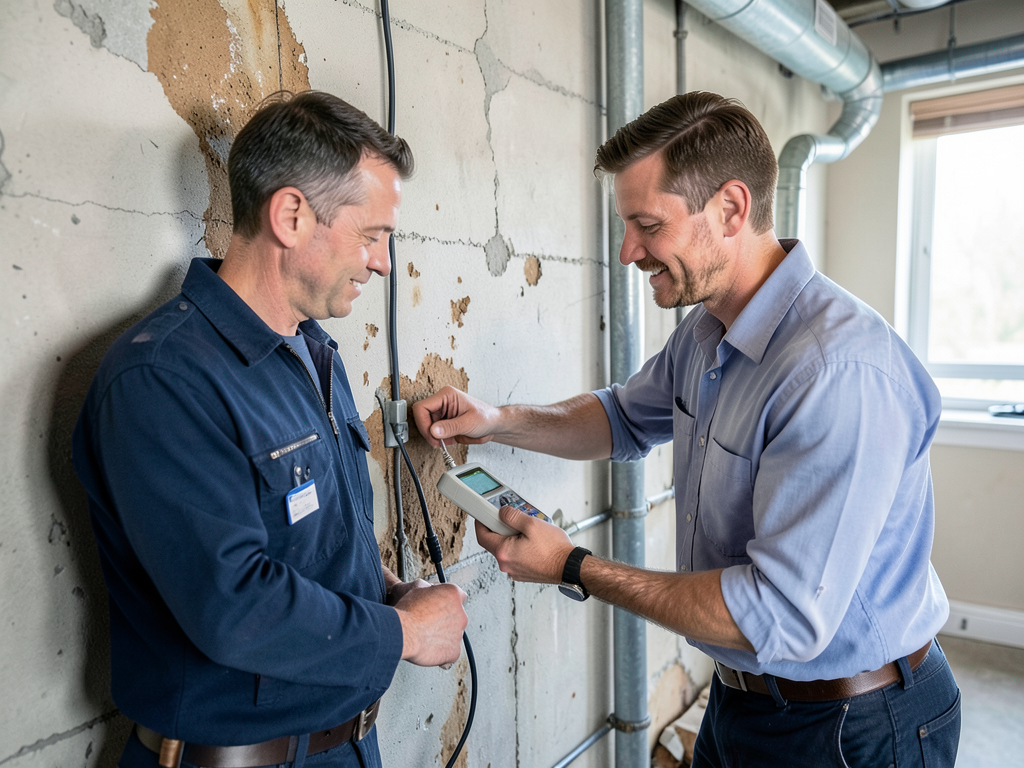
Technicians use moisture meters to detect hidden dampness in walls and floors. A reading above 16% moisture content in wood or 20% in concrete indicates active microbial growth requiring treatment.
The Milwaukee factor: Dealing with basement humidity
Clarke Square’s proximity to Lake Michigan creates unique challenges. Summer humidity often exceeds 80%, and when warm, moist air contacts cool basement walls, condensation forms. This creates a constant moisture source that feeds mold growth even after visible water is gone.
Milwaukee’s freeze-thaw cycles also stress foundation walls. Water seeps into hairline cracks during thaws, then freezes and expands, creating larger openings. These cracks allow groundwater to enter during heavy rains, overwhelming sump pumps common in Clarke Square homes.
Local factors affecting drying times:
- Lake Michigan’s moderating effect keeps humidity high year-round
- Clay soil in Clarke Square expands when wet, creating hydrostatic pressure
- Many homes built before 1950 lack proper vapor barriers
- Combined sewer systems can back up during heavy storms
Professional drying in Clarke Square often takes 3-5 days versus 2-3 days in less humid areas. Technicians may need to drill small holes in baseboards to inject air into wall cavities, a technique especially effective in balloon-frame construction common in older Milwaukee neighborhoods.
Professional water damage restoration in Milwaukee
When DIY methods fail or the leak was severe, professional restoration becomes essential. Certified technicians arrive within 60 minutes in most Milwaukee areas, equipped to handle everything from minor leaks to major floods.
The process begins with moisture mapping using infrared cameras and penetrating moisture meters. This identifies all affected areas, including those hidden behind walls or under floors. Technicians then extract water, remove unsalvageable materials, and set up commercial drying equipment.
Professional restoration includes:
- Complete moisture assessment with documentation for insurance
- Structural drying to IICRC S500 standards
- Antimicrobial treatment of all affected surfaces
- Odor neutralization using multiple methods
- Final moisture verification before completion
Insurance companies prefer working with certified professionals because they provide detailed documentation and follow industry standards that prevent secondary damage claims.
Comparing DIY vs Professional Odor Removal
| Factor | DIY Methods | Professional Services |
|---|---|---|
| Equipment | Household fans, wet vac, vinegar | Commercial dehumidifiers, HEPA scrubbers, hydroxyl generators |
| Detection ability | Visible water only | Moisture meters, infrared cameras, air quality testing |
| Effectiveness | Surface level only | Deep penetration into materials |
| Time to complete | 1-3 days | 3-7 days depending on severity |
| Health protection | Basic PPE | Containment barriers, negative air pressure, professional PPE |
| Insurance documentation | None | Detailed reports meeting insurance requirements |
Preventing future basement odors in Clarke Square
Once you’ve eliminated the current odor, prevention becomes your best defense. Clarke Square’s older homes need specific maintenance to prevent moisture problems.
Prevention strategies:
- Install or replace sump pumps every 5-7 years
- Clean gutters and extend downspouts at least 6 feet from foundation
- Seal foundation cracks with hydraulic cement
- Install a dehumidifier with automatic drain connection
- Grade soil away from foundation at 1 inch per foot for 6 feet
Consider a professional basement assessment if your home is over 50 years old. Many Clarke Square properties have hidden issues like deteriorated waterproofing or failing drain tiles that only show up during heavy rains.
Frequently Asked Questions
How long does it take for mold to start growing after a leak?
According to the EPA and IICRC standards, mold can begin growing within 24-48 hours of water exposure. The rate depends on temperature, humidity, and available organic material.
Can I just paint over the musty smell?
No. Paint traps moisture and can actually accelerate mold growth behind the painted surface. You must eliminate the moisture source and clean affected areas before any cosmetic repairs.
Will homeowners insurance cover professional odor removal?
Most policies cover sudden, accidental water damage including professional remediation. However, they typically exclude long-term moisture problems or flooding from groundwater. Check your specific policy or ask your agent.
How do I know if the smell is from sewage backup?
Sewer odors are distinctly different from musty smells—they’re more pungent, often described as rotten eggs or sulfur. Sewage backup also poses serious health risks and requires immediate professional handling with proper PPE and disposal. Reliable Sewage Cleanup and Sanitization in West Allis.
Can air purifiers remove musty odors?
Standard air purifiers help but won’t eliminate the source. You need HEPA filtration to capture spores, but the underlying moisture and microbial growth must be addressed first.
Don’t let that musty smell become a health hazard
That persistent odor in your Clarke Square basement isn’t just annoying—it’s telling you something is wrong. Whether you need help with a recent leak or an odor that won’t go away, professional help is available 24/7 throughout Milwaukee.
Call (414) 392-1771 today to schedule your inspection. Our certified technicians will identify the source, eliminate the odor, and help prevent future problems. Don’t wait until that musty smell becomes a serious health issue for your family.
Pick up the phone and call (414) 392-1771 before the next storm hits. Your home’s air quality and your family’s health are too important to leave to chance.
Service area includes: Clarke Square, Burnham Park, Muskego Way, Walker’s Point, and all of Milwaukee County.
Available 24/7 for emergency response – We arrive within 60 minutes in most Milwaukee areas.