
Dealing with water damage in historic Milwaukee churches and community spaces
Historic Milwaukee churches and community buildings face unique water damage challenges that require specialized restoration expertise. The city’s rich architectural heritage includes Cream City brick structures, lath and plaster walls, and century-old timber framing that demand preservation-first approaches when disaster strikes. Milwaukee Historic Preservation Commission.
Water damage in these buildings isn’t just about drying walls and replacing flooring. It’s about protecting irreplaceable craftsmanship, maintaining structural integrity, and preserving Milwaukee’s cultural landmarks for future generations. The freeze-thaw cycles common to our Lake Michigan climate can cause significant stress on historic materials, while aging plumbing systems in buildings constructed before modern building codes create additional vulnerability points. Emergency Water Removal Services for Bay View Homeowners and Business Owners.
Understanding the specific challenges of historic building restoration in Milwaukee means recognizing that standard water damage protocols often fall short. Traditional drying methods can damage delicate plaster work, cause wood to warp, or create conditions that promote mold growth in enclosed wall cavities. The goal becomes stabilization and preservation rather than simple demolition and replacement. Restoring Water Damaged Offices and Lofts in the Historic Third Ward.
The unique challenges of Milwaukee’s historic architecture
Milwaukee’s historic buildings present restoration challenges that modern structures simply don’t face. Cream City brick, named for our city’s distinctive light-colored clay deposits, is highly porous and absorbs water readily. Unlike modern masonry, this brick requires specialized drying techniques to prevent efflorescence, spalling, and structural weakening. Water Damage Restoration South Milwaukee.
Lath and plaster walls common in churches built before 1940 cannot be dried using standard methods. The wood lath strips behind the plaster can warp when exposed to rapid drying, causing the plaster to crack and separate. These walls also contain horsehair and other organic materials that can harbor mold if not properly treated.
Old-growth timber framing in historic structures presents another challenge. Modern lumber contains more moisture than century-old wood, which has dried to equilibrium with our climate over decades. Introducing moisture from water damage and then applying rapid drying can cause dramatic shrinkage and structural movement.
The Milwaukee Historic Preservation Commission oversees restoration work on designated landmarks, requiring permits and specific methodologies that align with the Secretary of the Interior’s Standards for Rehabilitation. This means restoration work must preserve historic character while meeting modern safety requirements.
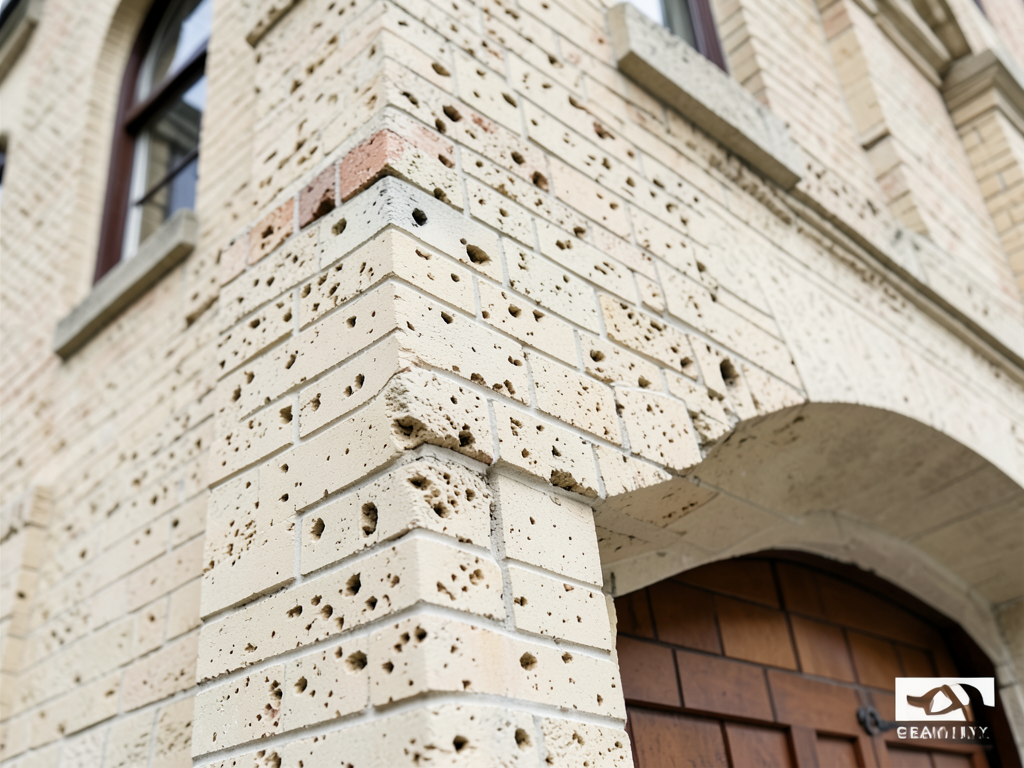
Image placeholder: Close-up of Cream City brick showing characteristic porosity and potential water absorption points in historic Milwaukee church exterior.
Our preservation-first mitigation process
Successful restoration of historic buildings begins with comprehensive assessment using non-invasive moisture detection technology. Thermal imaging cameras reveal water migration patterns without damaging historic finishes, while penetrating moisture meters measure moisture content in wood framing at multiple depths.
The stabilization phase focuses on preventing further damage rather than immediate drying. This means establishing environmental controls to prevent freeze-thaw damage, securing loose plaster sections, and protecting stained glass windows and other architectural features from moisture exposure.
Controlled drying represents a critical departure from standard restoration practices. Instead of deploying high-volume air movers that can cause rapid expansion and contraction in historic materials, we use desiccant dehumidifiers that slowly remove moisture while maintaining stable temperatures. This process can take several days longer than conventional drying but prevents cracking, warping, and other damage.. Read more about Why desiccant dehumidification is better for large-scale drying in downtown Milwaukee.
Structural stabilization becomes necessary when water damage affects load-bearing elements. This might involve temporary shoring of compromised timber beams, reinforcement of masonry walls showing signs of moisture-induced movement, or stabilization of plaster ceilings showing stress cracks. Signs of Hidden Mold.
Throughout the process, we maintain detailed documentation for the Historic Preservation Commission, including moisture readings, material assessments, and photographic evidence of the restoration approach. This documentation often becomes part of the building’s permanent historical record.
Navigating Milwaukee’s historic preservation regulations
Restoration work on Milwaukee’s historic properties must comply with both Wisconsin state historic preservation statutes and local regulations. The Wisconsin Historical Society’s Division of Historic Preservation oversees compliance with federal preservation standards, while the Milwaukee Historic Preservation Commission enforces local landmark protections. Wisconsin Historical Society.
Obtaining a Certificate of Appropriateness is typically required before beginning restoration work on designated historic properties. This process involves submitting detailed restoration plans that demonstrate how proposed work will preserve historic character while addressing water damage concerns.
The Wisconsin Uniform Dwelling Code includes specific provisions for historic buildings that allow alternative compliance methods when standard requirements would damage historic features. This flexibility recognizes that applying modern building standards to historic structures can sometimes do more harm than good.
Working with the Milwaukee Department of Neighborhood Services requires understanding how preservation requirements intersect with building safety codes. For instance, electrical system upgrades needed for modern dehumidification equipment must be accomplished without damaging historic wall finishes or creating new moisture intrusion points.
Coordination with the State Historic Preservation Office (SHPO) becomes necessary for projects involving federal funding or when work affects properties listed on the National Register of Historic Places. This coordination ensures that restoration approaches meet both preservation standards and funding requirements.
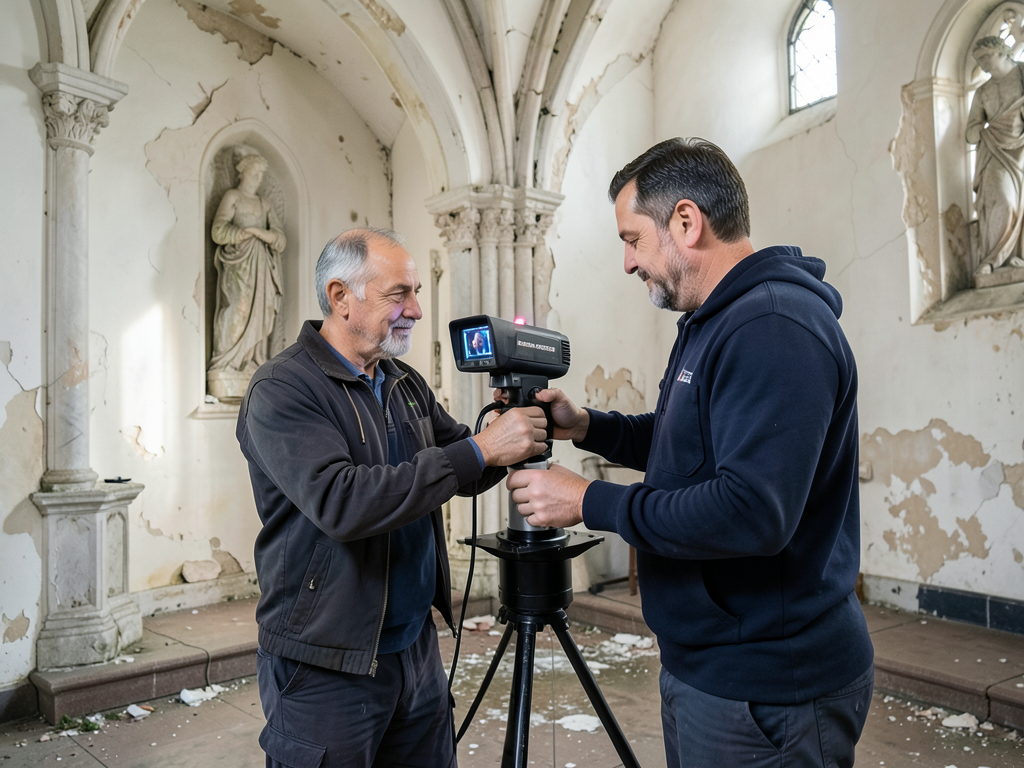
Image placeholder: Restoration technician using thermal imaging camera to assess water damage in historic church sanctuary without disturbing original plasterwork.
Case studies: restoring Milwaukee’s heritage
A 2023 water damage incident at a 1908 church in Milwaukee’s Concordia neighborhood demonstrated the importance of preservation-first restoration. When a burst pipe flooded the sanctuary, standard restoration contractors recommended removing all plaster walls and replacing them with drywall. Our assessment revealed that the plaster, though saturated, remained structurally sound. Dealing with a Flooded Basement in Wauwatosa (Your Emergency Action Plan).
Using desiccant dehumidification and controlled temperature management, we stabilized the moisture content over ten days rather than the typical three-day drying period. The plaster dried without cracking, preserving the hand-stenciled ceiling patterns that dated to the building’s original construction. The project saved the congregation approximately $85,000 in replacement costs while maintaining historic integrity.
In Walker’s Point, a 1920s community center experienced basement flooding that threatened its Cream City brick foundation walls. The high clay content in Milwaukee’s soil creates hydrostatic pressure that can force water through brick pores during heavy rains. Standard drainage solutions would have required extensive exterior excavation that could damage the building’s historic foundation.. Read more about Restoring heavy commercial carpeting in Milwaukee office parks and call centers.
Instead, we installed an interior drainage system that captured water before it reached the brick walls, combined with specialized masonry sealants that allowed the brick to breathe while preventing water intrusion. This approach preserved the foundation’s historic character while solving the moisture problem.
A Third Ward loft building conversion in 2024 revealed hidden water damage in its timber post-and-beam structure. The building’s mixed-use history meant some areas had been modified multiple times, creating complex moisture paths. Using boroscope inspection technology, we identified water-damaged areas without removing historic finishes.
The restoration involved selective timber replacement using matching old-growth wood sourced from deconstructed local barns, preserving the building’s structural and aesthetic character. This approach maintained the property’s historic tax credit eligibility while ensuring long-term structural integrity.
Essential equipment and techniques for historic restoration
Desiccant dehumidifiers form the cornerstone of historic building restoration. Unlike conventional refrigerant dehumidifiers, desiccant units can achieve much lower relative humidity levels without creating the temperature differentials that stress historic materials. These units are particularly effective for drying large volume spaces like church sanctuaries and community halls.
Low-profile air movers allow for gentle air circulation without creating the high-velocity airflow that can damage delicate plaster or cause rapid moisture migration in wood framing. These units can be positioned to create cross-ventilation patterns that promote even drying throughout complex historic structures.
HEPA filtration equipment becomes critical when dealing with potential mold growth in historic buildings. Many older structures contain lead-based paint and asbestos materials that require specialized containment during restoration work. HEPA filtration prevents cross-contamination while protecting both workers and building occupants.
Moisture monitoring equipment must be capable of measuring relative humidity, temperature, and moisture content at multiple depths. This data guides the restoration process, ensuring that materials reach appropriate moisture levels without over-drying, which can cause shrinkage and structural damage.
Specialized cleaning products formulated for historic materials prevent damage during the restoration process. Acidic cleaners can etch limestone or marble, while harsh chemicals can damage historic wood finishes. pH-neutral cleaning solutions specifically designed for historic preservation become essential tools.
Preventing future water damage in historic buildings
Preventive maintenance represents the most cost-effective approach to protecting historic buildings from water damage. Regular roof inspections can identify failing flashing, deteriorated sealants, or damaged roofing materials before they allow water intrusion. This is particularly important for complex roof structures common on historic churches with multiple dormers, valleys, and architectural features.
Plumbing system assessment should focus on identifying potential failure points in aging systems. Galvanized steel pipes common in buildings constructed before 1960 can corrode internally, creating pressure points that lead to sudden failures. Replacing these with modern materials before failure occurs prevents catastrophic water damage.
Foundation drainage improvements can significantly reduce basement flooding risk. This might involve installing exterior French drains, improving surface grading, or upgrading sump pump systems. However, these improvements must be designed to work with rather than against the building’s historic foundation construction.
HVAC system maintenance becomes critical for preventing condensation-related water damage. Historic buildings often have poor insulation and air sealing, creating conditions where warm, moist air contacts cold surfaces. Proper HVAC maintenance and strategic insulation improvements can prevent this type of damage.
Emergency response planning specific to historic buildings ensures rapid, appropriate action when water damage occurs. This includes having contacts with preservation specialists, understanding the building’s unique vulnerabilities, and having appropriate equipment readily available.
Image placeholder: Technician monitoring moisture levels in historic plaster wall using specialized meters while maintaining stable environmental conditions during restoration.
Insurance considerations for historic properties
Standard property insurance policies often fall short when it comes to historic building restoration. The specialized materials, craftsmanship, and regulatory compliance required for historic preservation can significantly increase restoration costs beyond what conventional policies cover.
Historic preservation endorsements can provide additional coverage for specialized restoration requirements. These endorsements typically cover the cost difference between standard restoration and preservation-appropriate restoration, including the use of specialized materials and compliance with preservation regulations.
Documentation becomes critical for insurance claims involving historic properties. Maintaining detailed records of the building’s historic features, previous restoration work, and current condition helps establish the value of preservation-appropriate restoration. This documentation should include photographs, architectural drawings, and material specifications.
Working with insurance adjusters who understand historic preservation requirements can significantly improve claim outcomes. These specialists recognize that preservation-appropriate restoration often costs more than standard approaches but provides long-term value by maintaining the building’s historic character and structural integrity.
Time is a critical factor in historic building restoration insurance claims. The longer water damage goes unaddressed, the more likely it is to cause irreversible damage to historic materials. Rapid response not only minimizes damage but also strengthens insurance claims by demonstrating appropriate mitigation efforts.
Frequently Asked Questions
How long does historic building restoration typically take?
Historic building restoration typically takes 2-4 times longer than standard water damage restoration due to the controlled drying processes and preservation requirements. A project that might take 3 days in a modern building could require 7-12 days in a historic structure to ensure proper material stabilization.
Can I use my regular water damage restoration company for my historic church?
While many restoration companies advertise experience with historic buildings, true historic restoration requires specialized knowledge of preservation techniques and local regulations. Look for companies with specific experience working with the Milwaukee Historic Preservation Commission and demonstrated expertise in preserving historic materials.
What makes Cream City brick restoration different from other masonry?
Cream City brick’s high porosity requires specialized drying techniques to prevent efflorescence and spalling. Unlike harder modern bricks, this material can be permanently damaged by rapid moisture removal or inappropriate cleaning methods. Restoration requires understanding the brick’s unique chemical composition and physical properties.
How do I know if my building qualifies as historic?
Buildings over 50 years old may qualify for historic designation, but age alone doesn’t determine historic status. The Milwaukee Historic Preservation Commission can assess whether your building meets criteria based on architectural significance, historical associations, or cultural importance to the community.
What permits are required for water damage restoration in historic buildings?
Most significant restoration work on designated historic properties requires a Certificate of Appropriateness from the Milwaukee Historic Preservation Commission. This includes work that might seem minor, such as repairing water-damaged plaster or replacing deteriorated wood elements. The permitting process ensures restoration approaches preserve historic character.
Protecting Milwaukee’s architectural heritage
Historic Milwaukee churches and community spaces represent more than just buildings; they embody our city’s cultural heritage and architectural evolution. When water damage threatens these structures, the restoration approach must balance immediate emergency response with long-term preservation goals.
The specialized knowledge required for historic building restoration extends beyond standard water damage restoration techniques. It encompasses understanding historic construction methods, preservation regulations, and the unique vulnerabilities of century-old materials. This expertise becomes essential when disaster strikes and immediate decisions can determine whether a building’s historic character survives.
For property managers, congregation leaders, and community organization directors responsible for historic buildings, having a preservation-focused restoration partner ready before disaster strikes can mean the difference between successful restoration and irreversible damage. The investment in specialized expertise pays dividends in preserved historic character, maintained property values, and continued community use of these irreplaceable structures.
Water damage in historic buildings demands more than just drying and repair; it requires a commitment to preservation that respects the craftsmanship, materials, and cultural significance embodied in Milwaukee’s architectural heritage. When handled correctly, even severe water damage can be addressed while maintaining the historic integrity that makes these buildings irreplaceable parts of our community.
Don’t let water damage destroy irreplaceable historic features in your Milwaukee church or community building. Call (414) 392-1771 today to schedule your inspection. Our preservation-first restoration experts understand the unique challenges of historic building restoration and can help protect your property’s architectural heritage while addressing water damage effectively.
Pick up the phone and call (414) 392-1771 before the next storm hits. When it comes to historic building restoration, experience matters. Our team has successfully restored numerous Milwaukee landmarks, preserving their historic character while ensuring they remain safe and functional for generations to come. For more information, visit IICRC S500 Standards.
You may also find this helpful. Why a commercial fire sprinkler mishap in downtown Milwaukee is different than a standard flood.
{
“@context”: “https://schema.org”,
“@type”: “BlogPosting”,
“headline”: “Dealing with water damage in historic Milwaukee churches and community spaces”,
“description”: “Expert restoration for Milwaukee’s historic churches and community buildings. Learn specialized techniques for preserving Cream City brick, plaster, and timber structures.”,
“wordCount”: 2377,
“datePublished”: “2026-05-05T07:12:00.000Z”,
“dateModified”: “2026-05-05T07:12:00.000Z”,
“inLanguage”: “en-US”,
“mainEntityOfPage”: {
“@type”: “WebPage”,
“@id”: “https://allprowaterdamagerestorationmilwaukee.com”
},
“publisher”: {
“@type”: “LocalBusiness”,
“name”: “All Pro Water Damage Restoration Milwaukee”,
“url”: “https://allprowaterdamagerestorationmilwaukee.com”
},
“author”: {
“@type”: “Organization”,
“name”: “All Pro Water Damage Restoration Milwaukee”,
“url”: “https://allprowaterdamagerestorationmilwaukee.com”
},
“image”: {
“@type”: “ImageObject”,
“url”: “https://allprowaterdamagerestorationmilwaukee.com/wp-content/uploads/2026/03/dealing-with-water-damage-in-historic-milwaukee-ch-1.png”
}
}
{
“@context”: “https://schema.org”,
“@type”: “LocalBusiness”,
“name”: “All Pro Water Damage Restoration Milwaukee”,
“url”: “https://allprowaterdamagerestorationmilwaukee.com”,
“address”: {
“@type”: “PostalAddress”,
“addressLocality”: “Milwaukee”
},
“areaServed”: {
“@type”: “City”,
“name”: “Milwaukee”
}
}
{
“@context”: “https://schema.org”,
“@type”: “FAQPage”,
“mainEntity”: [
{
“@type”: “Question”,
“name”: “How long does historic building restoration typically take?”,
“acceptedAnswer”: {
“@type”: “Answer”,
“text”: “Historic building restoration typically takes 2-4 times longer than standard water damage restoration due to the controlled drying processes and preservation requirements. A project that might take 3 days in a modern building could require 7-12 days in a historic structure to ensure proper material stabilization.”
}
},
{
“@type”: “Question”,
“name”: “Can I use my regular water damage restoration company for my historic church?”,
“acceptedAnswer”: {
“@type”: “Answer”,
“text”: “While many restoration companies advertise experience with historic buildings, true historic restoration requires specialized knowledge of preservation techniques and local regulations. Look for companies with specific experience working with the Milwaukee Historic Preservation Commission and demonstrated expertise in preserving historic materials.”
}
},
{
“@type”: “Question”,
“name”: “What makes Cream City brick restoration different from other masonry?”,
“acceptedAnswer”: {
“@type”: “Answer”,
“text”: “Cream City brick’s high porosity requires specialized drying techniques to prevent efflorescence and spalling. Unlike harder modern bricks, this material can be permanently damaged by rapid moisture removal or inappropriate cleaning methods. Restoration requires understanding the brick’s unique chemical composition and physical properties.”
}
},
{
“@type”: “Question”,
“name”: “How do I know if my building qualifies as historic?”,
“acceptedAnswer”: {
“@type”: “Answer”,
“text”: “Buildings over 50 years old may qualify for historic designation, but age alone doesn’t determine historic status. The Milwaukee Historic Preservation Commission can assess whether your building meets criteria based on architectural significance, historical associations, or cultural importance to the community.”
}
},
{
“@type”: “Question”,
“name”: “What permits are required for water damage restoration in historic buildings?”,
“acceptedAnswer”: {
“@type”: “Answer”,
“text”: “Most significant restoration work on designated historic properties requires a Certificate of Appropriateness from the Milwaukee Historic Preservation Commission. This includes work that might seem minor, such as repairing water-damaged plaster or replacing deteriorated wood elements. The permitting process ensures restoration approaches preserve historic character.”
}
}
]
}
{
“@context”: “https://schema.org”,
“@type”: “BreadcrumbList”,
“itemListElement”: [
{
“@type”: “ListItem”,
“position”: 1,
“name”: “Home”,
“item”: “https://allprowaterdamagerestorationmilwaukee.com”
},
{
“@type”: “ListItem”,
“position”: 2,
“name”: “Blog”,
“item”: “https://allprowaterdamagerestorationmilwaukee.com/blog”
},
{
“@type”: “ListItem”,
“position”: 3,
“name”: “Dealing with water damage in historic Milwaukee churches and community spaces”
}
]
}
{
“@context”: “https://schema.org”,
“@type”: “Service”,
“serviceType”: “Water Damage Restoration”,
“provider”: {
“@type”: “LocalBusiness”,
“name”: “All Pro Water Damage Restoration Milwaukee”,
“url”: “https://allprowaterdamagerestorationmilwaukee.com”
},
“areaServed”: {
“@type”: “City”,
“name”: “Milwaukee”
},
“description”: “Expert restoration for Milwaukee’s historic churches and community buildings. Learn specialized techniques for preserving Cream City brick, plaster, and timber structures.”
}