
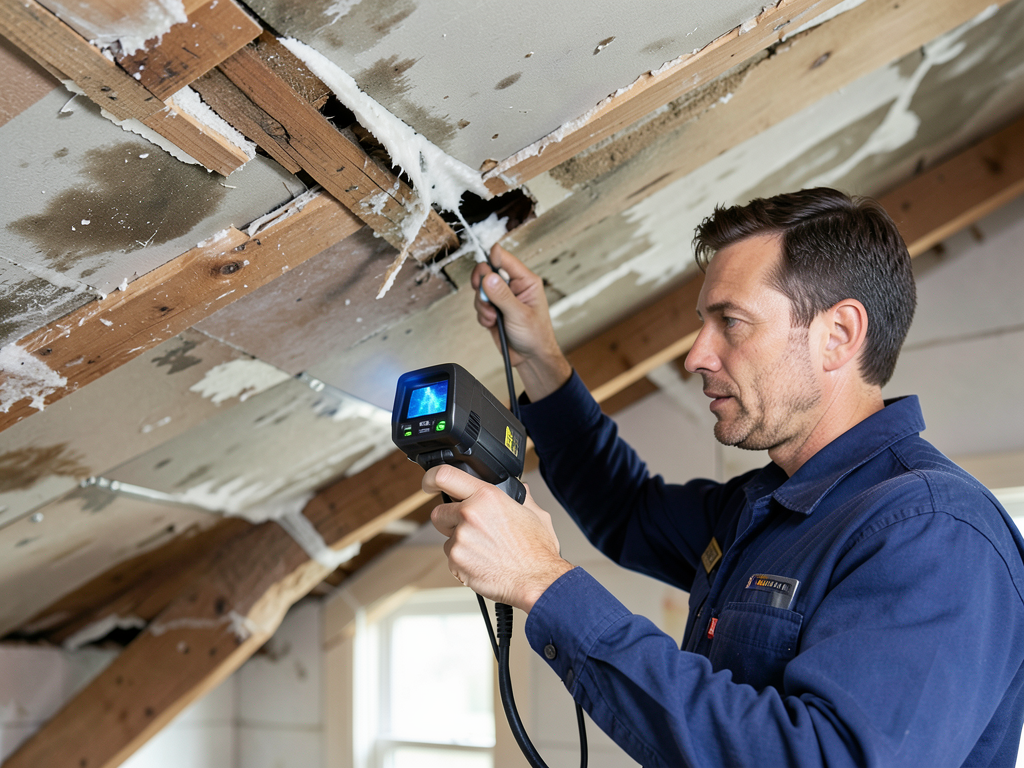
Dealing with attic water damage from ice dams in Bayside and Fox Point
Ice dams on Bayside and Fox Point roofs create attic leaks that damage insulation, drywall, and structural wood. The freeze-thaw cycle common to Milwaukee’s North Shore causes water to back up under shingles and seep into your home. Quick action prevents mold growth and costly repairs. EPA Mold Guidelines.
Understanding ice dam formation in North Shore homes
Ice dams form when heat escapes through poorly insulated attic spaces, melting snow on the roof. The meltwater flows down to the colder eaves and refreezes. Bayside and Fox Point homes often sit on elevated terrain near Lake Michigan, where wind-driven snow accumulates in roof valleys and around dormers. This creates perfect conditions for ice dam formation. Emergency Water Removal Services for Bay View Homeowners and Business Owners.
Older homes in these areas frequently have inadequate attic insulation or ventilation. Heat loss through recessed lighting, bathroom fans, and plumbing vents creates warm spots in the attic. When temperatures hover near freezing, as they often do during Milwaukee winters, the melting and refreezing cycle accelerates.
Immediate steps to take when you discover attic water damage
Stop the water source immediately. Move furniture and valuables away from affected areas. Place buckets under active drips. Do not touch electrical fixtures near water damage. Document everything with photos for insurance purposes. Restoring Water Damaged Offices and Lofts in the Historic Third Ward.
Call (414) 392-1771 right away. The first 24 hours are critical for preventing mold growth. Professional water damage restoration teams use industrial-grade equipment to extract moisture and begin structural drying before secondary damage occurs. Professional Mold Remediation for Families in Mequon and Thiensville.
Professional ice dam removal and water damage restoration process
Restoration begins with safe ice dam removal using low-pressure steam systems that won’t damage shingles. High-pressure washing can strip away protective granules and void warranties. Steam at 250-300 degrees Fahrenheit cuts through ice without harming roofing materials.
After ice removal, technicians use thermal imaging cameras to detect moisture trapped in wall cavities and ceiling spaces. Milwaukee’s older homes often have plaster walls that hide water damage until mold appears. Moisture meters confirm when materials are dry enough for reconstruction.
Industrial dehumidifiers and air movers create a vortex drying pattern that pulls moisture from structural materials. This process typically takes 3-5 days depending on the extent of saturation and building materials involved.
Hidden damage risks in Bayside and Fox Point attics
Water that enters through ice dams often travels along roof trusses before dripping onto ceilings. This creates hidden damage in wall cavities where mold can grow undetected. Bayside and Fox Point homes built before 1980 may contain asbestos in insulation or vermiculite, requiring specialized handling during restoration. Signs of Hidden Mold.
Electrical wiring in attic spaces becomes hazardous when exposed to moisture. Circuit breakers may trip, but damaged wiring can create fire risks even after drying. Professional assessment includes checking junction boxes and ensuring all electrical components meet current safety standards.
Structural damage often extends beyond visible water stains. Roof decking can delaminate when saturated, compromising the roof’s ability to support snow loads. This is particularly concerning in areas that receive Lake Effect snow from Lake Michigan.
Insurance coverage for ice dam damage in Wisconsin
Most homeowners insurance policies cover sudden and accidental water damage from ice dams. However, they typically exclude damage from poor maintenance or gradual water intrusion. Document the timeline of damage discovery and take immediate steps to mitigate further loss.
Wisconsin insurance companies require proof of loss within specific timeframes. Professional restoration companies provide detailed documentation including moisture mapping, damage assessment reports, and photographic evidence. This documentation speeds up claim processing and ensures you receive full compensation.
Some policies have separate deductibles for wind and hail damage, which may apply to ice dam situations. Review your policy or ask your restoration company to help interpret coverage details.
Preventing future ice dams through proper insulation and ventilation
Wisconsin Uniform Dwelling Code requires minimum R-49 insulation in attic spaces. Many Bayside and Fox Point homes fall short of this standard. Adding blown-in cellulose or fiberglass batts to meet code requirements reduces heat loss and prevents ice dam formation.
Proper attic ventilation follows the 1:300 rule – one square foot of net free ventilation area for every 300 square feet of attic floor space. This includes soffit vents, ridge vents, and gable vents working together to maintain consistent attic temperatures.
Air sealing attic bypasses prevents heat from escaping through gaps around chimneys, plumbing vents, and light fixtures. This simple step often provides the biggest reduction in ice dam formation.
Long-term solutions for North Shore homeowners
Roof replacement with ice and water shield membrane provides secondary protection in vulnerable areas. This rubberized asphalt membrane extends 24 inches inside the exterior wall line in most cases, but may need to extend further on homes with complex roof designs.
Heating cables along roof edges can prevent ice formation but require professional installation and monitoring. Improperly installed cables can create fire hazards or damage roofing materials.
Annual roof inspections identify potential problems before winter. Check for damaged flashing, missing shingles, and proper gutter attachment. Clean gutters in late fall to ensure proper drainage during winter thaws.
Cost factors for ice dam damage restoration
Restoration costs vary based on damage extent, building materials, and required repairs. Simple water extraction and drying might cost $2,000-3,000, while extensive structural repairs can exceed $15,000. Insurance typically covers sudden damage but not preventive measures.
DIY ice dam removal carries significant risks. Using hammers or chisels damages shingles. Standing on icy roofs creates fall hazards. Chemical de-icers can discolor or deteriorate roofing materials.
Professional restoration includes moisture detection, structural drying, antimicrobial treatment, and reconstruction. This comprehensive approach prevents future problems and ensures your home meets current building standards.
Seasonal timing considerations for North Shore residents
Ice dam problems typically occur from December through March in the Milwaukee area. However, damage may not become apparent until spring thaws reveal hidden leaks. Monitor your attic during winter months for signs of moisture or frost accumulation.
Spring is ideal for implementing preventive measures. Contractors are less busy than during emergency winter calls, and materials may be more readily available. Address insulation and ventilation issues before next winter arrives.
Summer provides opportunity for roof replacement or major repairs without weather delays. Schedule work during dry periods to avoid complications from unexpected rain.
Choosing the right restoration company for your Bayside or Fox Point home
Look for companies with specific experience in ice dam damage and Wisconsin building codes. Ask about their thermal imaging capabilities and moisture detection equipment. Verify they carry proper insurance and licensing for your area.
24/7 emergency response capability is essential during winter months. Quick response times minimize damage and prevent mold growth. Local companies understand North Shore weather patterns and building characteristics.
Check references from other North Shore homeowners who have dealt with similar issues. Experience with Cream City brick homes, older construction methods, and local architectural styles ensures proper restoration techniques.
Environmental considerations for water damage restoration
Modern restoration practices emphasize environmental responsibility. HEPA filtration systems capture airborne particles during demolition. Antimicrobial treatments use EPA-registered products that are safe for families and pets once dry.
Salvageable materials reduce landfill waste. Professional assessment determines what can be cleaned and restored versus what must be replaced. This approach often saves money while reducing environmental impact.
Energy-efficient reconstruction methods improve your home’s overall performance. Proper insulation and air sealing reduce heating costs while preventing future ice dam formation.
Health impacts of untreated water damage
Moisture in attic spaces creates ideal conditions for mold growth within 24-48 hours. Mold spores can trigger respiratory issues, allergic reactions, and other health problems. Children, elderly individuals, and those with compromised immune systems face higher risks.
Musty odors indicate active mold growth even when visible signs aren’t apparent. Professional testing identifies specific mold types and determines appropriate remediation strategies.
Structural moisture also attracts pests. Carpenter ants and termites thrive in damp wood. Rodents seek shelter in water-damaged areas. Addressing water damage eliminates these secondary problems.
DIY versus professional restoration: making the right choice
Minor water damage on non-porous surfaces might be manageable with DIY methods. However, ice dam damage typically affects multiple building systems and requires professional equipment and expertise.
Professional restoration companies have moisture meters that detect water behind walls and under flooring. They use industrial dehumidifiers that remove moisture much faster than consumer-grade equipment. Their antimicrobial treatments prevent mold growth more effectively than household cleaners.
Insurance companies often require professional documentation for claims exceeding certain thresholds. DIY work may result in denied claims or reduced coverage.
Preparing your home for winter in Bayside and Fox Point
Fall maintenance prevents many winter water damage problems. Clean gutters and downspouts ensure proper drainage. Trim tree branches that could damage roofs during storms. Check attic insulation levels and add more if needed.
Install gutter guards to prevent ice buildup in drainage systems. Ensure downspouts extend at least 6 feet from foundation walls to prevent basement moisture problems.
Consider professional energy audit to identify heat loss areas. Many utility companies offer rebates for insulation improvements that also prevent ice dams.
Local building considerations for historic homes
Bayside and Fox Point contain many historic homes with unique construction methods. Balloon framing, lath and plaster walls, and original wood windows require specialized restoration approaches.
Historic district regulations may affect exterior modifications. Work with contractors familiar with local preservation guidelines. Some improvements may qualify for historic preservation tax credits.
Older homes often have multiple layers of roofing materials. Complete removal during replacement ensures proper installation of ice and water shield protection.
Emergency response timeline for ice dam damage
Within 2 hours: Emergency call, assessment scheduling
Within 4 hours: On-site evaluation and damage documentation
Within 24 hours: Water extraction and drying equipment installation
Within 48-72 hours: Structural drying complete, damage assessment finalized
Within 1-2 weeks: Reconstruction and repairs begin
This timeline varies based on damage extent and weather conditions. Winter storms may delay material deliveries or contractor availability.
Technology in modern water damage restoration
Thermal imaging cameras detect temperature variations that indicate moisture presence. This non-invasive technology identifies problem areas without destructive testing.
Moisture meters with multiple scanning depths measure water content in different materials. Some meters can scan through tile, wood, and drywall to find hidden moisture.
Dehumidifiers with built-in hygrometers automatically adjust operation based on ambient conditions. This ensures optimal drying without over-drying materials.
Community resources for North Shore homeowners
Milwaukee Metropolitan Sewerage District offers resources for basement flooding prevention. While focused on sewer backups, many principles apply to ice dam prevention.
Local building departments provide information on permit requirements for repairs and renovations. Some minor repairs may not require permits, while structural changes do.
Neighborhood associations in Bayside and Fox Point often share contractor recommendations and experiences. This word-of-mouth information can help you choose reliable service providers. Reliable Sewage Cleanup and Sanitization in West Allis.
Understanding your home’s unique vulnerabilities
Roof pitch affects ice dam formation. Low-slope roofs hold snow longer, increasing ice dam risk. Complex roof designs with multiple valleys create areas where snow and ice accumulate.
Chimney location influences heat distribution in attic spaces. A centrally located chimney can create warm spots that accelerate ice dam formation on certain roof sections.
Prevailing wind direction affects snow accumulation patterns. North Shore homes often experience Lake Effect snow from the east, creating asymmetric snow loads on roofs.
Documentation for insurance and future reference
Maintain records of all repairs, inspections, and maintenance. This documentation helps establish your home’s condition over time and supports insurance claims.
Keep receipts for improvements that reduce ice dam risk. Some insurance companies offer premium discounts for preventive measures like improved insulation or roof upgrades.
Photograph your home’s condition annually, especially after completing preventive maintenance. This baseline documentation helps identify new damage quickly.
Long-term cost benefits of proper restoration
Professional restoration addresses both immediate damage and underlying causes. This comprehensive approach prevents recurring problems that could cost more over time.
Energy efficiency improvements from proper insulation and air sealing reduce heating costs year-round. These savings often offset restoration costs within a few years.
Maintaining your home’s value requires addressing water damage properly. Unresolved moisture problems lead to structural deterioration that significantly reduces property value.
Environmental impact of water damage restoration
Modern restoration practices emphasize sustainability. HEPA filtration systems capture and contain contaminants rather than releasing them into the environment.
Salvageable materials reduce landfill waste. Professional assessment determines what can be cleaned and restored versus what must be replaced.
Energy-efficient reconstruction methods improve your home’s overall performance. Proper insulation and air sealing reduce heating costs while preventing future ice dam formation.
Health and safety considerations during restoration
Professional restoration companies follow OSHA safety standards. This includes proper ladder safety when working on icy roofs and appropriate personal protective equipment when handling contaminated materials.
Containment barriers prevent mold spores and other contaminants from spreading to unaffected areas. Negative air pressure systems ensure contaminated air is filtered before release.
Air quality testing confirms when restoration is complete and your home is safe for reoccupation.
Seasonal maintenance schedule for ice dam prevention
Fall: Clean gutters, inspect roof, add insulation if needed
Winter: Monitor attic for moisture, remove snow from roof edges when safe
Spring: Inspect for damage, repair any issues identified during winter
Summer: Complete major repairs, schedule energy audit
This proactive approach prevents many ice dam problems before they start.
Understanding ice dam removal costs
Professional ice dam removal typically costs $300-600 per hour. Factors affecting cost include roof accessibility, ice thickness, and required safety equipment.
Emergency calls during storms or outside business hours may incur premium charges. However, quick response often prevents more expensive damage.
Some companies offer preventative ice dam removal services at reduced rates during off-peak times.
Building science behind ice dam prevention
Heat transfer through building assemblies follows fundamental physics principles. Understanding these principles helps identify the most effective prevention strategies.
Convection, conduction, and radiation all contribute to heat loss in attics. Addressing each type of heat transfer provides comprehensive protection against ice dams.
Psychrometrics, the study of air and moisture properties, guides proper dehumidification strategies during restoration.
Local climate considerations for North Shore homes
Lake Michigan’s influence creates unique weather patterns affecting Bayside and Fox Point. Lake Effect snow can add significant accumulation to already heavy winter precipitation.
Temperature fluctuations near the lake are often more extreme than inland areas. This increases freeze-thaw cycles that contribute to ice dam formation.
Wind patterns from the lake can create snow drifts that block roof vents or create uneven snow loads.
Future trends in ice dam prevention
Smart home technology now includes roof monitoring systems that detect ice formation and temperature variations. These systems can alert homeowners before damage occurs.
Improved insulation materials offer higher R-values per inch, making it easier to meet code requirements in confined attic spaces.
Roof designs are evolving to better handle snow loads and prevent ice dam formation through improved geometry and material selection.
Final thoughts on protecting your North Shore home
Ice dam damage represents a preventable problem when addressed with proper knowledge and professional assistance. Understanding your home’s unique characteristics helps develop effective prevention strategies.
Quick response to water damage prevents minor issues from becoming major problems. Professional restoration ensures thorough drying and prevents mold growth.
Investing in prevention through proper insulation, ventilation, and maintenance protects your home and family for years to come.
Frequently Asked Questions
How quickly should I respond to ice dam water damage?
Respond immediately. Water damage worsens within hours, and mold can begin growing within 24-48 hours. Call (414) 392-1771 for emergency response.
Will my insurance cover ice dam damage?
Most homeowners insurance policies cover sudden and accidental water damage from ice dams. However, they typically exclude damage from poor maintenance or gradual water intrusion.
Can I remove ice dams myself?
DIY ice dam removal carries significant risks including roof damage, personal injury, and electrical hazards. Professional removal using low-pressure steam is safer and more effective.
How much does ice dam damage restoration cost?
Costs vary based on damage extent but typically range from $2,000-15,000. Insurance usually covers sudden damage, but preventive measures may not be covered.
How can I prevent ice dams in the future?
Proper attic insulation (R-49 minimum), adequate ventilation, and air sealing attic bypasses prevent most ice dam formation. Professional assessment identifies your home’s specific vulnerabilities.
Don’t let ice dam damage destroy your Bayside or Fox Point home. Call (414) 392-1771 today for emergency response and professional restoration services. Quick action prevents costly repairs and protects your family’s health. For more information, visit FEMA Ice Dam Prevention.