
A homeowner’s guide to documenting water damage for a smoother claim
Water damage strikes fast and the clock starts ticking the moment you discover it. Whether it’s a burst pipe in January or a flooded basement during a spring rainstorm, proper documentation can mean the difference between a claim that’s paid quickly and one that’s delayed or denied. This guide walks you through exactly what to document, how to document it, and why each step matters for your Milwaukee insurance claim. Milwaukee Metropolitan Sewerage District.
Milwaukee homeowners face unique challenges. The freeze-thaw cycles that crack pipes, the heavy clay soil that causes basement seepage, and the aging infrastructure in neighborhoods like Bay View and Wauwatosa all create specific documentation needs. Understanding these local factors helps you capture the right evidence from the start.
Safety first: The immediate response
Before you touch anything or start documenting, your safety comes first. Standing water conducts electricity and can hide structural hazards. If you see water near electrical outlets or your breaker panel, stay out and call a professional immediately. Emergency Water Removal Services for Bay View Homeowners and Business Owners.
Wisconsin insurance policies require homeowners to mitigate further damage. This means you can take reasonable steps to prevent additional harm while preserving evidence. For example, you can place buckets under active leaks or shut off the main water valve if a pipe bursts. Just be sure to photograph everything before you touch it. Restoring Water Damaged Offices and Lofts in the Historic Third Ward.
Wisconsin Administrative Code Section Ins 5.05 requires policyholders to take reasonable steps to protect property from further damage. Courts have interpreted this as allowing temporary fixes like tarping a roof or stopping a leak, but not permanent repairs until after the adjuster sees the damage.
Step-by-step documentation process
- Initial safety assessment
Check for electrical hazards, structural damage, and contaminated water before entering affected areas. Wear protective gear including rubber boots and gloves.
- Wide-angle video walkthrough
Record a continuous video starting from the entry point, moving through each affected room. Narrate what you see including dates, times, and visible damage.
- Close-up photography
Take clear photos of specific damage including water lines on walls, damaged contents, and the source of the water if visible.
- Moisture readings
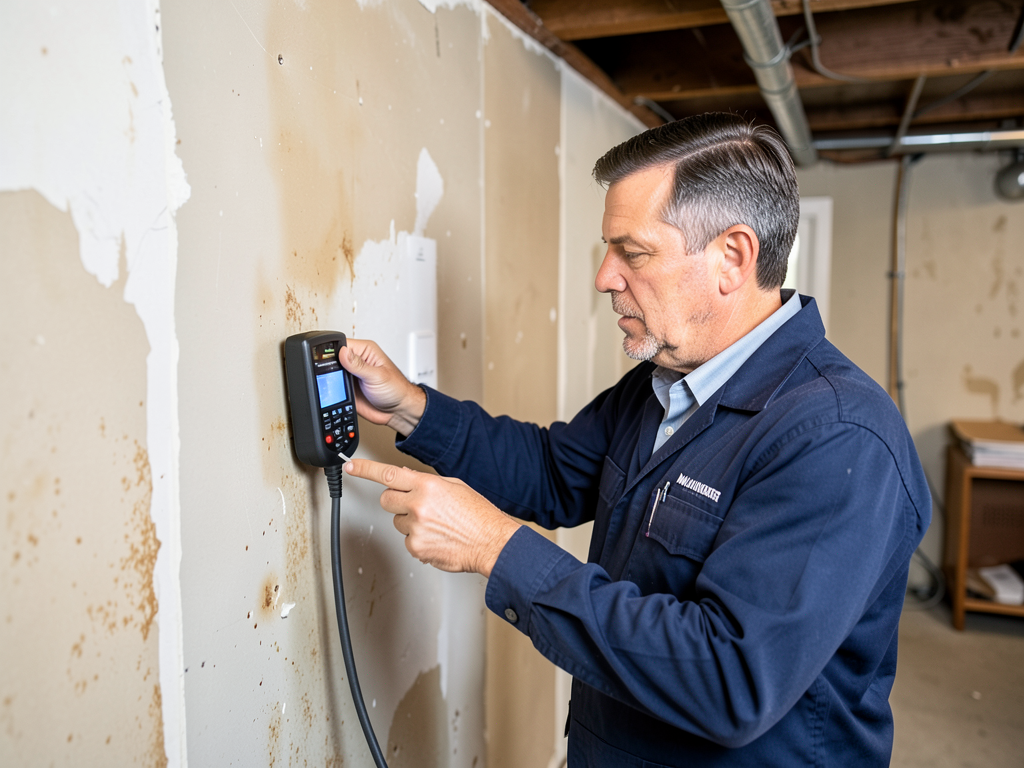
If you have a moisture meter, document readings from walls, floors, and ceilings. Note the depth of penetration and affected materials.
- Inventory damaged items
Create a detailed list of damaged belongings including age, purchase price, and replacement cost estimates.
- Document the point of origin
Photograph where the water entered or where the pipe burst. This helps establish the cause and extent of damage.
- Record mitigation efforts
Document any temporary repairs or water removal you perform to prevent further damage.
Time matters in water damage documentation. Mold can begin growing within 24-48 hours in Milwaukee’s humid climate. The longer you wait to document, the more your evidence degrades and the harder it becomes to prove the full extent of damage.
Milwaukee-specific documentation considerations
Milwaukee’s unique climate and building stock create specific documentation challenges. Cream City brick foundations in older neighborhoods like Walker’s Point and the Third Ward require different documentation approaches than modern concrete foundations in newer suburbs.
During winter months, frozen pipe documentation needs to show the temperature conditions. Keep a record of how long your home was without heat and whether you took preventive measures like letting faucets drip. This information helps establish whether the damage was preventable or a true casualty.
Heavy spring rains often overwhelm Milwaukee’s combined sewer system. If you experience basement flooding during a storm, document whether the water came from outside through foundation walls or from sewer backup through floor drains. This distinction affects whether you need flood insurance or if your standard policy covers the damage.
The Milwaukee Metropolitan Sewerage District’s Deep Tunnel project affects documentation in certain areas. If you’re in a neighborhood near the tunnel system, document whether the flooding occurred during a rain event that would have exceeded the tunnel’s capacity. This helps establish whether the damage was due to system failure or extraordinary weather.
Professional assessment documentation
Professional documentation strengthens your claim significantly. A certified water damage technician uses specialized tools that provide objective evidence insurance adjusters trust. Professional Mold Remediation for Families in Mequon and Thiensville.
Moisture mapping creates a visual record of how far water traveled through building materials. Technicians use penetrating and non-penetrating moisture meters to document readings at specific depths. For example, they might show that water penetrated 4 inches into drywall but only 1 inch into hardwood flooring.
Thermal imaging cameras detect temperature differences that indicate moisture presence behind walls and under floors. These cameras can show water migration patterns that aren’t visible to the naked eye. A thermal image showing a cold spot behind a wall provides compelling evidence of hidden moisture. Signs of Hidden Mold.
Air quality testing documents whether water damage has created conditions for mold growth. Testing before and after remediation proves that the environment has been restored to safe conditions. This is especially important in Milwaukee where high humidity can accelerate mold growth even in winter.
Professional documentation follows the IICRC S500 Standard for Professional Water Damage Restoration. This industry standard provides a framework for consistent documentation that insurance companies recognize. Technicians document categories of water damage (clean, gray, or black water) and classes of water intrusion (evaporation rates and affected materials). IICRC S500 Standard for Professional Water Damage Restoration.
Communication log template
Keeping a detailed communication log strengthens your claim by creating a timeline of events. Insurance adjusters look for gaps in communication or delays in reporting damage.
Create a simple log with columns for date, time, person contacted, company, phone number, topic discussed, and outcome. Include every call to your insurance company, every contractor visit, and every conversation with your adjuster.
For example: “January 15, 2026 at 2:30 PM – Called insurance company. Spoke with John Smith, claims department. Reported burst pipe in basement. Case number 123456 assigned. Adjuster scheduled to visit January 17, 2026 at 10 AM.”
Document every estimate you receive, every invoice for emergency services, and every receipt for expenses related to the damage. Keep all documents organized by date and category. This creates a paper trail that supports your claim amount.
Understanding your coverage
Milwaukee homeowners often misunderstand what their insurance covers. Standard homeowners policies cover sudden and accidental water damage but exclude flooding and neglect.
Flooding from external sources requires separate National Flood Insurance Program coverage. If you’re near the Milwaukee River, Menomonee River, or in a low-lying area, you may need this additional coverage. Document whether water entered from outside or from internal plumbing failures.
Sewer backup coverage is typically a separate endorsement. MMSD recommends this coverage for all Milwaukee homeowners since even homes not near waterways can experience sewer backup during heavy rains. Document whether water backed up through drains or entered through other means.
Gradual damage from long-term leaks is usually excluded. If you discover mold from a slow leak behind a wall, document when you first noticed signs of the problem. Insurance companies look for evidence that you addressed issues promptly rather than letting them worsen over time.
Replacement cost coverage pays to replace damaged items without depreciation. Actual cash value coverage pays the current value minus depreciation. Document the age and condition of damaged items to support your claim amount under either coverage type.
Common documentation mistakes to avoid
Many homeowners hurt their claims through simple documentation errors. Understanding these mistakes helps you avoid them.
Waiting too long to document is the most common mistake. Water damage continues to worsen and evidence disappears quickly. Start documenting within hours of discovery, not days later.
Cleaning up before documenting destroys evidence. While you should mitigate further damage, don’t remove water or damaged items until you’ve photographed everything thoroughly. Keep damaged items in a safe place until the adjuster sees them.
Incomplete inventory lists lead to underpaid claims. Don’t just list “kitchen items damaged.” Document each item with age, purchase price, and replacement cost. Include receipts if you have them.
Failing to document the cause of damage weakens your claim. Insurance companies need to know whether the damage was sudden and accidental or due to neglect or maintenance issues. Document the source and circumstances clearly.
Ignoring hidden damage leaves money on the table. Water travels through walls and under floors. Document moisture readings from multiple locations to show the full extent of damage, not just visible areas.
Digital documentation tools
Modern technology makes documentation easier and more reliable. Several apps and tools can help you create professional-quality documentation. Reliable Sewage Cleanup and Sanitization in West Allis.
Smartphone apps like MagicPlan create floor plans with measurements and damage annotations. These apps use your phone’s camera to measure rooms and create accurate layouts showing damage locations.
Time-stamped photo apps add date, time, and GPS location to your photos automatically. This prevents disputes about when damage occurred or whether photos were taken at the damaged property.
Cloud storage services ensure your documentation survives even if your phone or computer is damaged. Upload photos and documents immediately to services like Google Drive or Dropbox. This also creates a backup if originals are lost.
Voice memo apps let you narrate your documentation process. While recording video, you can add verbal notes about what you’re seeing and why it matters. This provides context that photos alone cannot convey.
Moisture meter apps for smartphones can record and store readings with location data. Some connect to Bluetooth moisture meters that automatically log readings with timestamps and GPS coordinates.
Working with insurance adjusters
Insurance adjusters visit to verify your documentation and assess damage. Being prepared for their visit helps ensure a fair settlement.
Have all your documentation organized and ready to show. Create a summary document with key photos, inventory lists, and communication logs. This helps the adjuster understand the full scope quickly.
Be present during the adjuster’s inspection. Point out damage they might miss and explain the circumstances. Your firsthand knowledge of the damage timeline and circumstances adds valuable context.
Ask questions about the adjustment process and timeline. Understanding how your claim will be processed helps you know what to expect and when to follow up.
Don’t sign anything you don’t understand. If the adjuster offers a settlement, review it carefully and ask for clarification on anything unclear. You have the right to review and negotiate the settlement.
Consider getting a second opinion if the settlement seems low. Public adjusters work for you rather than the insurance company and can provide independent assessments of damage and value.
Milwaukee building codes and documentation
Milwaukee’s building codes affect how water damage must be repaired and documented. Understanding these requirements helps ensure your repairs meet code and your documentation supports code compliance.
The Wisconsin Uniform Dwelling Code requires permits for most repairs involving plumbing, electrical, and structural elements. Document whether permits were required for your repairs and whether they were obtained. This affects both the quality of repairs and insurance coverage.
Milwaukee’s Department of Neighborhood Services has specific requirements for rental properties. If you’re documenting damage to a rental property, understand whether additional documentation or inspections are required by the city.
Energy efficiency codes may require upgrades when replacing damaged materials. For example, replacing water-damaged insulation might require upgrading to current R-value standards. Document whether code-required upgrades are included in your repair estimates.
Historic district regulations in areas like the Third Ward and Brewer’s Hill may restrict repair materials and methods. If your property is in a historic district, document whether repairs meet preservation guidelines and whether special approvals were required.
Plumbing code updates may require replacing older materials with current code-compliant materials. For example, replacing damaged polybutylene piping might require upgrading to PEX or copper. Document whether such upgrades are included in your repair scope.
Post-documentation next steps
After documenting damage, several steps help ensure your claim proceeds smoothly.
Submit your documentation promptly according to your insurance company’s requirements. Many companies have specific forms or online portals for claim submission. Follow their procedures exactly to avoid processing delays.
Keep detailed records of all claim-related communications and expenses. Create a claim file with all documentation, estimates, invoices, and correspondence. This becomes your reference throughout the claims process.
Follow up regularly on your claim status. Insurance companies handle many claims simultaneously, and yours might not be their top priority. Regular follow-up ensures your claim stays active and moves forward.
Be prepared for the insurance company to send their own inspector or adjuster. Their assessment might differ from yours. Having thorough documentation helps resolve any discrepancies.
Consider hiring a public adjuster if your claim is complex or the settlement offer seems low. Public adjusters work for you and can often negotiate better settlements than homeowners achieve on their own.
Document the repair process as well as the damage. Keep records of all repairs, materials used, and contractor communications. This documentation might be needed if issues arise later or if you sell your home.
Frequently Asked Questions
How soon should I start documenting water damage?
Begin documenting within hours of discovering water damage. The sooner you start, the better your evidence will be. Water continues to cause damage and evidence degrades quickly, so prompt documentation is essential.
Do I need professional documentation for my insurance claim?
While not always required, professional documentation significantly strengthens your claim. Insurance adjusters trust objective measurements from moisture meters, thermal imaging, and professional assessments more than homeowner documentation alone.
What if I can’t afford professional documentation services?
Start with thorough DIY documentation using your smartphone for photos and videos. Document everything thoroughly, including moisture readings if you have a basic moisture meter. Many insurance companies accept comprehensive homeowner documentation if it’s detailed and well-organized.
How long should I keep documentation after my claim is settled?
Keep all documentation for at least three years after your claim is settled. Some issues might arise later, and you might need the documentation for tax purposes or if you sell your home. Consider keeping it longer for major claims.
Will my insurance company accept photos taken with a smartphone?
Yes, insurance companies accept smartphone photos as long as they’re clear, time-stamped, and show the damage comprehensively. Include wide-angle shots showing context and close-ups showing specific damage. Time-stamp and location services should be enabled.
Conclusion
Proper documentation transforms a stressful water damage situation into a manageable insurance claim. By following these steps and understanding Milwaukee’s unique challenges, you give yourself the best chance of a fair and prompt settlement.
Remember that documentation serves two purposes: it proves your claim to the insurance company and it protects you by creating an accurate record of what happened. Take the time to do it right the first time.
Water damage doesn’t wait and neither should you. Start documenting immediately, be thorough, and don’t hesitate to call professionals when needed. Your future self will thank you for the effort you put in today.
Call (414) 392-1771 today to schedule your inspection. Our certified technicians are ready to help you document your damage properly and get your claim started on the right foot.
Pick up the phone and call (414) 392-1771 before the next storm hits. We’re available 24/7 to help Milwaukee homeowners protect their properties and their claims.