
Keeping the lower level of your Delafield walk-out basement dry during heavy runoff
Delafield’s hilly terrain and heavy spring rains create unique drainage challenges for walk-out basements. When runoff flows downhill toward your home the water can overwhelm your foundation and flood the lower level. This guide explains why Delafield basements flood and what you can do to stop it. Emergency Water Removal Services for Bay View Homeowners and Business Owners.
Immediate Steps: What to Do if Your Walk-Out Basement is Flooding Right Now
Safety comes first. If water is rising in your basement shut off the power at the main breaker before entering. Wear rubber boots and gloves. Move valuables and electronics to higher ground. Use a wet vacuum or sump pump to remove standing water. Do not wait for the rain to stop. Every hour of standing water increases structural damage and mold risk. Restoring Water Damaged Offices and Lofts in the Historic Third Ward.
Once the immediate threat passes document everything with photos for your insurance claim. Then call a professional water damage restoration team that understands Delafield’s unique drainage patterns. Call (414) 392-1771 for 24/7 emergency response. Professional Mold Remediation for Families in Mequon and Thiensville.
Why Walk-Out Basements in Delafield Are Prone to Flooding
Delafield’s location near the Kettle Moraine gives it steep slopes and heavy clay soil. Water flows downhill quickly during storms and collects around foundation walls. Walk-out basements have large glass doors and windows at ground level that can leak under pressure. The clay soil absorbs water slowly creating a “clay bowl” effect that traps moisture against your foundation.. Read more about Why Your Cudahy Basement Feels Damp Even When Your Sump Pump Is Working.
During spring thaws frozen ground prevents water from soaking in. Runoff then flows along the surface and pools near your walk-out entrance. If your yard slopes toward the house instead of away from it the problem worsens. Even a properly graded yard can fail if downspouts dump water too close to the foundation.
Common Causes Specific to Delafield Properties
Delafield’s older neighborhoods often have undersized or clogged perimeter drains. Many homes built before the 1980s lack proper drainage systems entirely. Sump pumps in this area frequently fail during power outages when storms are at their worst. Ice dams can form at walk-out door thresholds blocking water from escaping.
The area’s high water table means even small amounts of rain can push groundwater into basement cracks. Delafield’s proximity to Nagawicka Lake affects local water levels. When the lake rises it can back up into nearby storm drains and force water into lower-level basements.
The Milwaukee Restoration Process
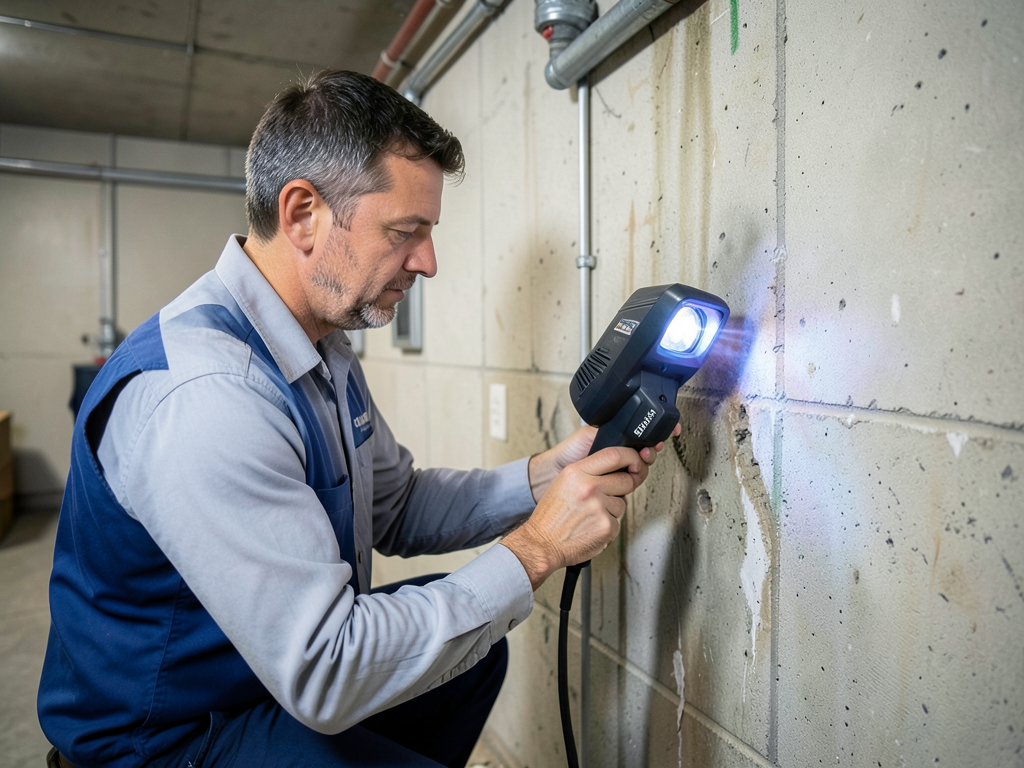
Professional restoration follows a proven sequence. First technicians inspect the damage using moisture meters and thermal imaging to find hidden water. Next they extract standing water with truck-mounted pumps. Then they set up industrial air movers and dehumidifiers to dry structural materials. This prevents mold growth within 24 to 48 hours.
Sanitization comes next. Floodwater often contains bacteria and other contaminants. Technicians apply antimicrobial treatments to all affected surfaces. Finally they monitor moisture levels daily until readings confirm complete drying. The entire process typically takes three to five days depending on damage extent.
Preventative Measures for Delafield Homeowners
Start with your yard. Grade soil so it slopes away from the foundation at least six inches over ten feet. Extend downspouts at least five feet from the house. Clean gutters twice yearly to prevent overflow. Install a battery backup for your sump pump so it runs during power outages.
Consider a French drain system around the walk-out level. This collects water before it reaches your door. Seal foundation cracks with hydraulic cement. Install a backwater valve to prevent sewer backup during heavy rains. Test your sump pump monthly by pouring water into the pit.
Local Building Codes and Standards
Delafield follows Wisconsin Uniform Dwelling Code requirements for basement waterproofing. The code mandates proper drainage away from foundations and requires sump pumps in new construction where the water table is high. The International Residential Code Section R405 covers basement waterproofing standards that apply throughout Waukesha County. Waukesha County Building Inspection.
For major drainage work you need a permit from the City of Delafield Building Inspection Department. This ensures work meets local soil and water table conditions. Always hire contractors familiar with these requirements to avoid costly rework.
When to Call a Professional
Call immediately if water reaches electrical outlets or if you smell gas. Also call if sewage backs up into your basement or if water has been standing for more than 24 hours. These situations create health hazards that require professional handling. Reliable Sewage Cleanup and Sanitization in West Allis.
Even minor flooding can hide major problems. Water can wick up walls several feet above the visible water line. It can also seep under flooring and into wall cavities where it promotes mold growth. Professional moisture detection equipment finds these hidden problems.
Call (414) 392-1771 today to schedule your inspection. Our team serves Delafield and all of Waukesha County with 24/7 emergency response. We will assess your situation and create a restoration plan that gets your home dry and safe again.
Frequently Asked Questions
How much does basement waterproofing cost in Delafield?
Costs vary based on your home’s specific needs. Simple crack sealing might cost a few hundred dollars while full perimeter drainage systems can cost several thousand. Most homeowners spend between $3,000 and $8,000 for comprehensive waterproofing. We provide free estimates after inspection.
Will my insurance cover basement flooding?
Standard homeowners insurance covers sudden and accidental water damage like burst pipes. It typically does not cover groundwater flooding or sewer backup. You need separate flood insurance for surface water damage. Check your policy or call your agent to understand your coverage.
How long does mold take to grow after flooding?
Mold can begin growing within 24 to 48 hours of water exposure. That is why fast water removal and drying are critical. Professional drying equipment can prevent mold even in severe flooding situations.
Can I stay in my home during restoration?
It depends on the damage extent. If only part of your basement flooded you might stay upstairs. However, if water affected living areas or if sewage is involved you should relocate until cleanup completes. We help you make this decision based on safety considerations. Dealing with a Flooded Basement in Wauwatosa (Your Emergency Action Plan).
What causes musty smells in basements?
Musty odors usually indicate mold or mildew growth. Even small amounts of moisture can create these smells. Common causes include high humidity, past flooding, or groundwater seepage. Professional testing can identify the source and recommend solutions. For more information, visit IICRC Water Damage Restoration Standards.