
Removing stubborn hard water deposits after a major leak in New Berlin
When floodwater recedes in New Berlin homes, many homeowners discover a chalky white residue coating their floors, walls, and belongings. This stubborn film is not just ordinary dirt—it’s hard water deposits mixed with flood sediment, creating a challenging cleanup scenario unique to our area’s mineral-rich water supply. Emergency Water Removal Services for Bay View Homeowners and Business Owners.
New Berlin’s water, sourced from Lake Michigan and local aquifers, contains high levels of dissolved calcium and magnesium. When floodwaters carry this mineral-laden water through your home, it leaves behind concentrated deposits as it evaporates. The problem intensifies because floodwater often contains additional contaminants that bond with these minerals, making standard cleaning methods ineffective. Restoring Water Damaged Offices and Lofts in the Historic Third Ward.
Understanding what you’re dealing with is crucial. Hard water stains from flooding differ significantly from simple mineral buildup. Flood-related deposits often include a combination of calcium carbonate, magnesium deposits, and potentially harmful substances from Category 2 or 3 water events. These require specific cleaning approaches and safety precautions that many DIY methods overlook. Dealing with a Flooded Basement in Wauwatosa (Your Emergency Action Plan).
Identifying the stains: Is it hard water, salt, or mold?
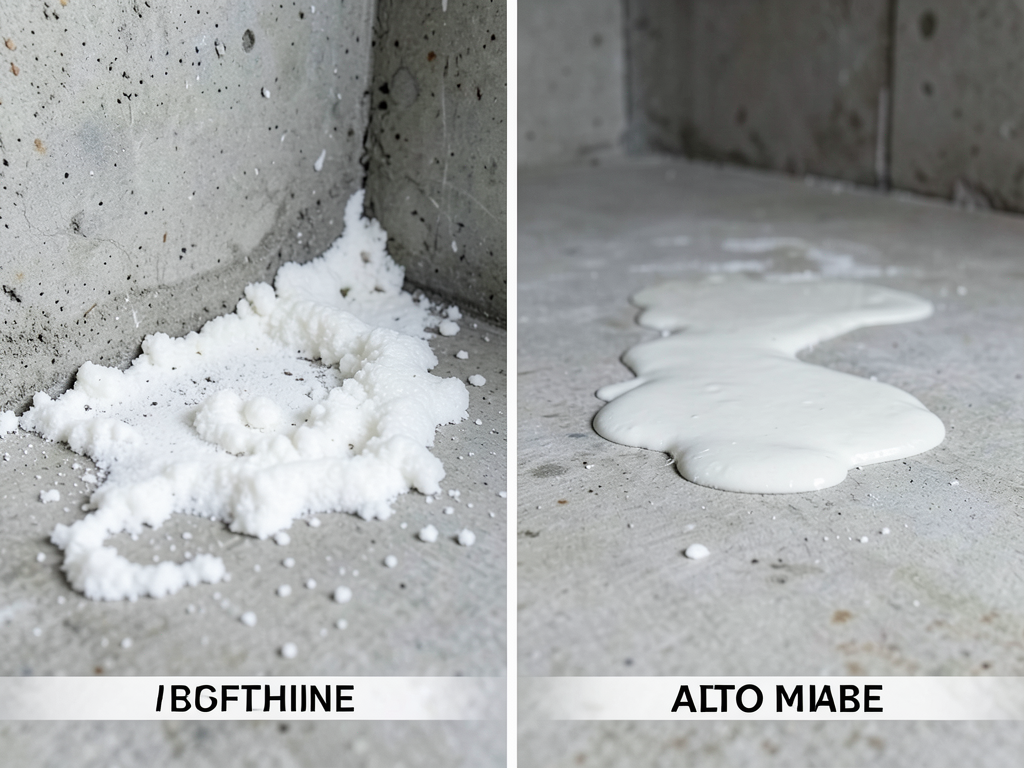
Before attempting removal, you need to identify exactly what type of residue you’re facing. Hard water deposits typically appear as white, chalky film or crystalline structures. When touched, they feel rough and powdery. Salt deposits from road runoff or seawater flooding create similar white residue but often have a more granular texture and may leave a distinct salty taste if tested cautiously.
Efflorescence, a crystalline deposit of salts that can form on concrete and masonry, looks similar but has distinct characteristics. It often appears as a white, fluffy substance that can be brushed off easily. The key difference is that efflorescence forms from within the material as water moves through it, while hard water deposits are left on the surface.
To test the residue, perform the vinegar fizz test. Apply a small amount of white vinegar to the deposit. If it’s calcium-based hard water stain, you’ll see immediate bubbling and fizzing as the acetic acid reacts with the minerals. No reaction suggests the deposit might be mold, efflorescence, or another substance requiring different treatment.
Visual inspection should also check for color variations. While pure hard water deposits are white, flood-related stains often show discoloration from mixed contaminants. Yellow or brown tinges indicate organic material or iron content. Green or blue hues might suggest copper pipe corrosion mixed into the deposits.
Step-by-step DIY removal for minor surface stains
For light hard water deposits on non-porous surfaces, you can attempt safe DIY removal using household acidic cleaners. The most effective solution combines one part white distilled vinegar with one part warm water in a spray bottle. For tougher stains, increase the vinegar concentration to two parts vinegar to one part water.
Application technique matters significantly. Spray the solution generously onto the affected area and allow it to dwell for 15-30 minutes. This dwell time is crucial—the acid needs sufficient contact time to break down the mineral bonds. During this period, you may hear faint popping sounds as the deposits dissolve.
After dwell time, use a non-abrasive scrubbing pad or soft-bristled brush to gently agitate the surface. Work in small circular motions, applying light pressure. Avoid steel wool or abrasive pads that can scratch surfaces and create microscopic grooves where minerals can re-accumulate more easily.
Rinse thoroughly with clean water and dry completely with microfiber cloths. Hard water can redeposit minerals during the rinsing process, so consider using distilled water for the final rinse if your tap water is particularly hard. For vertical surfaces, work from bottom to top to prevent streaking.
Commercial citric acid solutions offer an alternative for stubborn deposits. Mix one tablespoon of citric acid powder with one cup of warm water. This solution is particularly effective on glass, tile, and chrome fixtures. Always wear gloves when handling citric acid solutions, as they can irritate skin.
When hard water stains mask deeper flood damage
Hard water deposits often indicate more serious underlying issues that DIY cleaning cannot address. When minerals bond with Category 3 floodwater contaminants, they create a cement-like substance that penetrates porous materials like drywall, wood, and concrete. These deep-seated deposits require professional intervention. Professional Mold Remediation for Families in Mequon and Thiensville.
Porous surfaces pose unique challenges. Drywall absorbs floodwater and minerals into its paper facing and gypsum core. Even after surface cleaning, minerals continue migrating from within the material, causing recurring stains. In these cases, the affected drywall sections typically require complete removal and replacement following IICRC S500 standards for water damage restoration. IICRC water damage restoration standards.
Concrete foundations in New Berlin homes face particular vulnerability due to the area’s clay soil composition. When hydrostatic pressure forces groundwater through basement walls, it carries dissolved minerals that crystallize as water evaporates. These deposits can cause spalling—surface deterioration where concrete flakes or pits away.
The risks of ignoring deep-seated mineral deposits extend beyond cosmetic concerns. Calcium carbonate buildup in foundation cracks can mask structural damage, preventing proper assessment of foundation integrity. Additionally, the alkaline nature of these deposits can accelerate corrosion of metal components embedded in concrete structures.
Professional assessment becomes essential when deposits appear on multiple surfaces throughout a property, when stains reappear within days of cleaning, or when you notice accompanying issues like musty odors, visible mold growth, or structural changes. These symptoms suggest Category 3 water contamination requiring specialized remediation protocols.
Milwaukee flood recovery: Why local expertise matters
Milwaukee’s unique geography creates flood recovery challenges that out-of-area contractors simply don’t understand. The region’s heavy clay soil, prevalent throughout New Berlin and surrounding suburbs, has extremely low permeability. This means floodwaters take much longer to dissipate, allowing more time for mineral absorption and deposit formation.
Lake Michigan’s influence on local flooding patterns cannot be overstated. When severe storms coincide with high lake levels, the combined sewer systems in older Milwaukee neighborhoods can back up, introducing not just water but also road salt, industrial runoff, and other contaminants that bond with hard water minerals in complex ways.
Local building codes reflect these regional challenges. The Wisconsin Uniform Dwelling Code requires specific moisture mitigation strategies for homes in flood-prone areas. Section Comm 21.06 mandates proper drainage systems and sump pump installations that many out-of-state contractors might not be familiar with, potentially leading to inadequate restoration work.
Insurance claim processes in Wisconsin follow specific protocols that local restoration professionals navigate daily. Companies familiar with American Family, State Farm, and other regional insurers understand documentation requirements and can often bill directly, reducing your out-of-pocket expenses during an already stressful time.
Local restoration teams also understand seasonal patterns unique to southeastern Wisconsin. Spring thaw flooding, summer thunderstorm patterns, and winter freeze-thaw cycles all affect how water moves through structures and where mineral deposits are most likely to form. This knowledge allows for more effective prevention strategies during the restoration process.
Professional hard water deposit removal: What to expect
Professional restoration begins with comprehensive testing using moisture meters, infrared cameras, and chemical analysis to determine the exact composition of deposits and identify hidden moisture pockets. This diagnostic phase is crucial because different mineral combinations require specific cleaning agents and techniques. Signs of Hidden Mold.
Professional-grade cleaning solutions far exceed household products in effectiveness. These include phosphoric acid formulations for heavy calcium deposits, specialized chelating agents that bind to minerals for easy removal, and biodegradable cleaners that break down organic contaminants bonded with mineral deposits.
The cleaning process typically involves multiple stages. First, containment procedures prevent cross-contamination to unaffected areas. Next, technicians apply cleaning solutions using pressure application methods that ensure deep penetration into porous surfaces. Mechanical agitation with professional equipment follows, often using variable-speed scrubbers that won’t damage surfaces.
Rinse and extraction phases use truck-mounted equipment that simultaneously applies clean water and vacuums away dissolved minerals and contaminants. This prevents redeposition and ensures thorough removal. The final neutralization step restores proper pH balance to surfaces, preventing accelerated deterioration.
Professional services also include preventative treatments. After cleaning, technicians can apply sealants to grout lines, concrete, and other porous surfaces. These create barriers that prevent future mineral penetration while still allowing the material to breathe and release trapped moisture naturally.
Preventing future hard water damage in New Berlin homes
Prevention starts with understanding your home’s vulnerability points. In New Berlin, homes built before 1980 often have clay sewer laterals that can crack and allow groundwater infiltration during heavy rains. Annual inspection of these lines using camera technology can identify potential failure points before flooding occurs.
Water softening systems provide the most comprehensive protection against hard water deposits. Modern systems use ion exchange technology to remove calcium and magnesium before water enters your home. For New Berlin’s water hardness levels (typically 7-10 grains per gallon), a properly sized system can extend appliance life by 30-50% while preventing scale buildup.
Strategic landscaping helps manage surface water around your foundation. Grade soil to slope away from your home at a minimum 6-inch drop over 10 feet. Install French drains in problem areas where water tends to pool. These measures reduce hydrostatic pressure that forces mineralized groundwater through foundation walls.
Regular maintenance of moisture barriers proves essential. Inspect and repair foundation sealants every 3-5 years. Check that window well drains remain clear. Ensure that downspout extensions direct water at least 6 feet from your foundation. These simple steps significantly reduce flood risk and subsequent mineral deposit formation. EPA information on hard water.
Consider whole-house water filtration systems that combine sediment removal with scale prevention technology. These systems use template-assisted crystallization to transform dissolved minerals into harmless crystals that won’t adhere to surfaces, providing protection even if flooding occurs.
Cost considerations for hard water deposit removal
DIY cleaning supplies for minor hard water stains typically cost $20-50 for basic supplies including vinegar, citric acid, scrub brushes, and microfiber cloths. However, this approach only addresses surface deposits and may not resolve underlying issues that cause recurring problems.
Professional cleaning services for moderate hard water deposits range from $500-2,000 depending on the affected area size and deposit severity. This includes proper safety equipment, commercial-grade cleaning solutions, and techniques that prevent surface damage while ensuring thorough removal.
Extensive restoration involving porous material replacement costs $2,000-10,000 or more. This scenario typically involves Category 3 water contamination where minerals have penetrated deep into structural materials, requiring drywall replacement, flooring removal, and potentially mold remediation if contamination was present.
Insurance coverage varies significantly. Standard homeowners policies typically cover sudden and accidental water damage but may exclude groundwater flooding or gradual mineral buildup. Review your policy’s water damage coverage and consider adding flood insurance through the National Flood Insurance Program if you’re in a high-risk area.
Preventative measures like water softeners represent ongoing investments but often pay for themselves through extended appliance life, reduced cleaning product needs, and prevention of costly restoration work. A quality water softener system costs $1,500-3,000 installed but can prevent thousands in potential damage over its 15-20 year lifespan.
When to call a professional immediately
Certain situations demand immediate professional intervention rather than DIY attempts. If you notice widespread white deposits accompanied by musty odors, visible mold growth, or structural changes like warping or buckling, you’re likely dealing with Category 3 water contamination requiring specialized remediation.
Health concerns should never be ignored. If household members experience sudden respiratory issues, skin irritation, or allergic reactions after flooding, professional testing for contaminants beyond simple hard water minerals becomes essential. These symptoms often indicate the presence of bacteria, viruses, or chemical contaminants.
Time sensitivity matters significantly. The longer mineral deposits remain, the more they bond with surfaces and potentially underlying materials. Within 24-48 hours, calcium carbonate can form calcium carbonate cement that requires aggressive mechanical removal, potentially damaging the underlying surface.
Professional help becomes critical when dealing with specialty surfaces like natural stone, historic materials, or high-value items. Improper cleaning methods can permanently damage these materials, turning a restoration situation into a replacement scenario with much higher costs.
Insurance claim timing also influences when to call professionals. Most policies require mitigation of damage to prevent further loss. Attempting DIY cleaning on extensive damage might actually violate your policy terms if it results in additional property damage or health hazards.
Frequently Asked Questions
Can hard water deposits from flooding cause health problems?
Hard water minerals themselves are not typically harmful to health, but flood-related deposits often contain additional contaminants from Category 2 or 3 water events. These can include bacteria, viruses, and chemical pollutants that bond with mineral deposits. If deposits are accompanied by musty odors or if household members experience respiratory issues, professional testing is recommended.
How long does professional hard water deposit removal take?
The timeline varies based on deposit severity and affected area size. Light surface cleaning might take 2-4 hours, while comprehensive restoration involving multiple rooms and porous material replacement typically requires 2-5 days. The process includes assessment, cleaning, drying, and preventative treatment phases.
Will hard water deposits come back after cleaning?
Without addressing the underlying moisture source, deposits can reappear. Professional restoration includes identifying and correcting moisture entry points. Preventative measures like water softeners, proper drainage, and sealants significantly reduce recurrence. However, in areas with extremely hard water, some maintenance cleaning might be necessary over time.
Is vinegar safe for all surfaces affected by hard water deposits?
Vinegar works well on glass, tile, and most bathroom fixtures but can damage natural stone, marble, and some metals. Always test on an inconspicuous area first. For delicate surfaces or extensive deposits, professional assessment prevents costly damage from inappropriate cleaning methods.
How do I know if my insurance covers hard water deposit removal?
Coverage depends on your specific policy and the cause of the deposits. Sudden and accidental water damage is typically covered, while gradual buildup or groundwater flooding might be excluded. Review your policy or consult your insurance agent. Professional restoration companies often assist with insurance documentation and claims processing.

Take action before deposits become permanent
Hard water deposits from flooding in New Berlin homes require prompt, appropriate action to prevent permanent damage. Whether you’re dealing with minor surface stains or extensive contamination, understanding the nature of these deposits helps you choose the right approach.
For DIY cleaning of light deposits, act quickly using proper acidic solutions and techniques. For extensive or recurring deposits, or when health concerns arise, professional restoration ensures thorough removal and addresses underlying moisture issues that cause the problem.
Remember that New Berlin’s specific water characteristics and soil composition create unique challenges that general cleaning advice might not address. Local expertise matters when dealing with the complex interaction between Lake Michigan-sourced water, clay soil, and building materials common in our area.
Don’t let stubborn hard water deposits compromise your home’s integrity or your family’s health. If you’re unsure about the severity of your situation or need professional assessment, call (414) 392-1771 today to schedule your inspection. Our local experts understand New Berlin’s specific challenges and can provide targeted solutions that protect your home long-term.
Pick up the phone and call (414) 392-1771 before the next storm hits. With Wisconsin’s unpredictable weather patterns, the time to address hard water deposit issues is now, not when you’re facing another flooding emergency.