
Why your Fox Point mudroom is the perfect breeding ground for winter mold
The moment you walk into your Fox Point home during a Wisconsin winter, you bring in more than just cold air. Snow-covered boots, damp jackets, and frozen gloves create a perfect storm for mold growth right in your mudroom. Within 24 to 48 hours, moisture from wet winter gear can start feeding microscopic mold spores already present in your home.
Your mudroom sits at the intersection of Milwaukee’s harsh winter conditions and your home’s indoor environment. The combination of freezing temperatures outside and warm air inside creates condensation on walls and floors. When you add the constant moisture from snow-covered boots and jackets, you’ve created exactly what mold needs to thrive: moisture, organic material to feed on, and stagnant air.
The problem becomes worse in older Fox Point homes built before modern building codes required proper ventilation in entryways. Many homes in the area have solid wood doors, limited windows, and no exhaust fans in mudrooms or entryways. This lack of air circulation allows moisture to linger on surfaces like drywall, wood trim, and even the backing of your welcome mat.
Fox Point’s location near Lake Michigan adds another layer of complexity. The lake effect creates higher humidity levels year-round, and when that moist air meets the cold surfaces in your mudroom during winter, condensation forms. This moisture then seeps into porous materials like drywall and wood, creating hidden pockets where mold can grow undetected for weeks or months.. Read more about The hidden dangers of ignoring a wet slab in your West Allis detached garage.
Understanding why your mudroom becomes a mold factory is the first step to preventing it. The science is simple: mold spores need moisture, organic material, and the right temperature to grow. Your mudroom provides all three during Wisconsin winters. The good news is that with proper prevention strategies, you can stop mold before it starts.
The science behind mudroom mold growth
Mold needs three things to grow: moisture, organic material, and the right temperature range. Your Fox Point mudroom provides all three during winter months. When you track in snow and ice, the moisture begins evaporating into the air. This moisture then condenses on cold surfaces like exterior walls, windows, and even your mudroom floor.
The organic material mold feeds on is already present in most mudrooms. Drywall paper, wood trim, paint, and even the backing of your area rugs provide food for mold spores. Unlike bacteria that need standing water, mold can grow on surfaces with just high humidity levels above 60 percent. Emergency Water Removal Services for Bay View Homeowners and Business Owners.
Temperature plays a crucial role in mold growth. While some mold species can grow in cold temperatures, most thrive in the 60 to 80-degree range found in heated homes. When your mudroom warms up from your home’s heating system, it creates ideal conditions for mold to multiply rapidly.
The lake effect from nearby Lake Michigan creates a unique challenge for Fox Point homeowners. The constant moisture in the air means your mudroom never fully dries out between uses. This persistent dampness allows mold to establish colonies that can spread to other areas of your home through air circulation.
Common mudroom materials also contribute to the problem. Many older homes in Fox Point have plaster walls or wood paneling that absorbs moisture like a sponge. Once these materials become damp, they can take weeks to dry completely, giving mold plenty of time to establish itself.
5 actionable steps to prevent mudroom mold
Preventing mold in your Fox Point mudroom requires a systematic approach that addresses moisture at every level. These five steps will help you create an environment where mold cannot survive.
- Install proper ventilation
Install an exhaust fan in your mudroom if one doesn’t exist. According to the Wisconsin Uniform Dwelling Code, all bathrooms and utility rooms require mechanical ventilation. Your mudroom should be no different. A simple bathroom-style exhaust fan can remove moist air before it condenses on surfaces.
- Create a moisture barrier system
Place rubber boot trays with raised edges outside your mudroom door. These trays catch melting snow and prevent it from spreading across your floor. Choose trays with drainage holes that allow water to evaporate rather than pool underneath. Restoring Water Damaged Offices and Lofts in the Historic Third Ward.
- Choose mold-resistant materials
Replace carpet or fabric mats with rubber or plastic-backed options that don’t absorb moisture. If you have drywall in your mudroom, consider replacing the lower section with tile or moisture-resistant green board. These materials won’t feed mold even if they get damp.
- Control indoor humidity
Keep your home’s humidity between 30 and 50 percent using a hygrometer to monitor levels. During winter, indoor air can become too dry from heating, but your mudroom needs balanced humidity. A small dehumidifier in the mudroom can remove excess moisture after heavy snow.
- Establish a drying routine
Create a system for wet gear that keeps it off floors and walls. Install wall hooks at least six inches from exterior walls to allow air circulation. Use a heated drying rack for gloves and hats, and designate a specific area for wet boots that’s away from porous surfaces.
Implementing these steps requires an initial investment but saves you from costly mold remediation later. The key is consistency. Even one week of neglect during a particularly snowy period can allow mold to establish itself in your mudroom. Professional Mold Remediation for Families in Mequon and Thiensville.
Signs you already have a mudroom mold problem
Sometimes mold growth happens before you realize there’s a problem. Knowing the warning signs can help you catch mold early when it’s easier and less expensive to remediate.
The most obvious sign is a musty odor that persists even after cleaning. This smell comes from microbial volatile organic compounds (MVOCs) that mold produces as it grows. If your mudroom smells damp or earthy, especially after wet weather, you likely have mold growing somewhere.
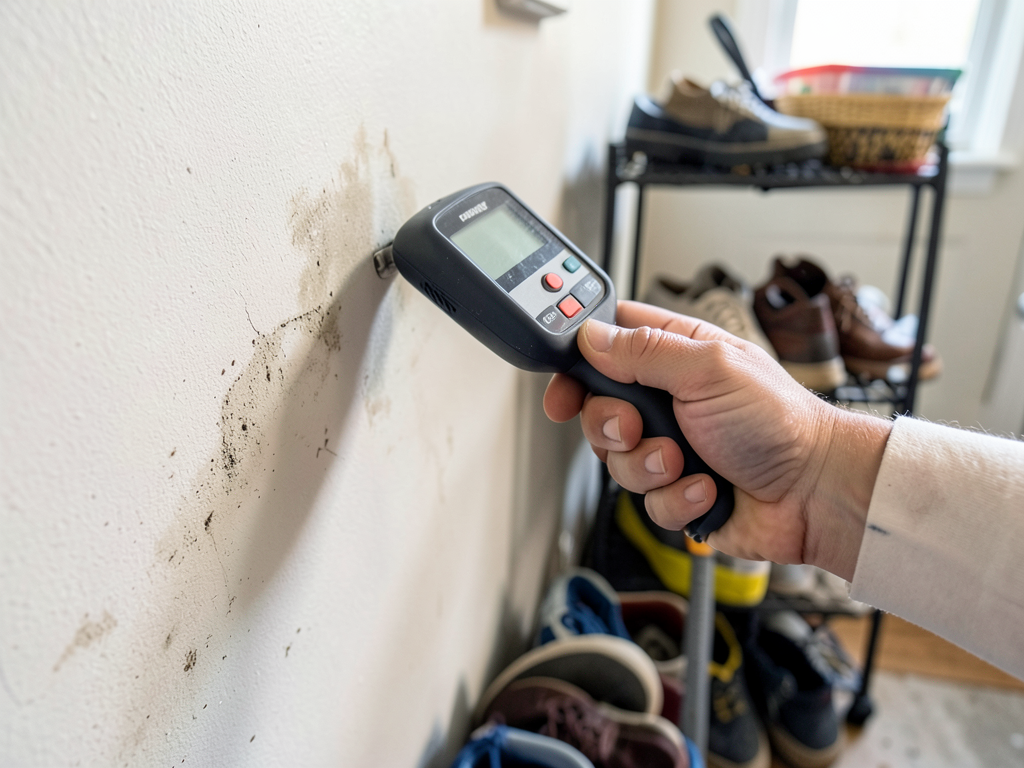
Visual signs include discoloration on walls, ceilings, or floors. Mold can appear as black, green, white, or even orange spots. In mudrooms, check along baseboards, behind shoe racks, and under mats where moisture tends to accumulate. Dark spots that grow larger over time are almost certainly mold.. Read more about Hidden mold behind the kitchen backsplash in your renovated Bay View bungalow.
Health symptoms can also indicate mold presence. If family members experience increased allergy symptoms, respiratory issues, or skin irritation when spending time in or near the mudroom, mold could be the cause. These symptoms often improve when away from home and worsen upon return.
Another diagnostic test involves checking for moisture using a simple moisture meter. These inexpensive tools can detect elevated moisture levels in drywall, wood, and concrete. Readings above 16 percent in materials indicate conditions favorable for mold growth.
Physical changes in materials also signal mold problems. Paint that bubbles or peels, drywall that feels soft or spongy, or wood that shows signs of rot all indicate moisture damage where mold can thrive. These changes often occur in areas hidden from view, like behind baseboards or under flooring.
Professional restoration vs. DIY mold removal
When you discover mold in your Fox Point mudroom, you face a critical decision: attempt removal yourself or call professionals. The Environmental Protection Agency recommends that homeowners handle mold cleanup themselves only if the affected area is less than 10 square feet.
For small mold spots on hard, non-porous surfaces, DIY cleaning with detergent and water might suffice. However, mold on porous materials like drywall, wood, or carpet requires professional remediation. These materials absorb mold spores deep into their structure, making complete removal nearly impossible without specialized equipment.
Professional mold remediation follows the IICRC S520 standard, which requires containment, negative air pressure, HEPA filtration, and proper disposal of contaminated materials. This process ensures mold spores don’t spread to other areas of your home during removal. EPA mold guidelines.
The diagnostic process professionals use goes beyond what homeowners can do. We use moisture meters to detect hidden dampness, thermal imaging to find temperature differences that indicate moisture behind walls, and air quality testing to measure mold spore counts. These tools help identify the full extent of the problem.
Time is critical when dealing with mold. The longer mold grows, the more it spreads and the more damage it causes. Professional remediation teams can typically respond within 24 hours and complete most mudroom projects in one to three days, depending on the extent of contamination. Dealing with a Flooded Basement in Wauwatosa (Your Emergency Action Plan).
Insurance coverage also factors into your decision. Many homeowners’ insurance policies cover mold remediation if it results from a covered peril like a burst pipe. Professional companies can help document damage and work with your insurance adjuster to ensure proper coverage.
Fox Point’s unique climate challenges
Fox Point’s location creates specific challenges for mudroom mold prevention. The village sits on the western shore of Lake Michigan, where lake effect weather patterns create higher humidity and more precipitation than areas just a few miles inland.
Winter in Fox Point brings heavy lake effect snow, with annual snowfall averaging over 45 inches. This snow melts into water that tracks into your mudroom, creating constant moisture exposure. The freeze-thaw cycles common in the area also cause ice dams that can lead to roof leaks, adding more moisture to entryways.
Spring thaws present another challenge. As snow melts rapidly, the ground becomes saturated with water. This saturation can lead to hydrostatic pressure against basement walls, causing moisture to seep up through floors and into mudrooms on lower levels.
Fox Point’s older housing stock, built primarily between the 1920s and 1960s, often lacks modern moisture barriers and ventilation systems. Many homes have solid wood doors that allow cold air infiltration, creating condensation when warm indoor air meets cold surfaces.
The village’s tree-lined streets, while beautiful, can contribute to moisture problems. Falling leaves in autumn trap moisture against foundations, and overhanging branches can prevent sunlight from drying out entryways. These natural factors combine with architectural limitations to create ideal mold conditions.
Understanding these local factors helps you take targeted action. Fox Point homeowners need more aggressive moisture control than those in drier areas because the environmental conditions constantly work against them.
Long-term mold prevention strategies
Preventing mudroom mold requires ongoing attention rather than a one-time fix. These long-term strategies will help you maintain a mold-free entryway throughout Wisconsin’s changing seasons.
Seasonal maintenance is crucial. Before winter begins, inspect your mudroom for any existing moisture damage or mold growth. Repair any leaks, replace damaged materials, and ensure your ventilation system works properly. This preparation prevents small problems from becoming major issues during the harsh winter months.
During winter, establish a daily routine for managing wet gear. Designate specific areas for boots, jackets, and accessories that keep them off floors and away from walls. Use boot dryers or heated racks to accelerate drying time and prevent moisture accumulation.
Spring cleaning should include a thorough inspection of your mudroom. Look for any signs of mold growth that may have started during winter. Clean all surfaces with mold-killing solutions, and check for any water damage from melting snow or ice dams.
Summer humidity in Fox Point can also contribute to mold growth. Even though your mudroom sees less moisture during warm months, the high humidity can allow any existing mold to continue growing. Use dehumidifiers during humid periods to maintain optimal indoor humidity levels.
Consider upgrading your mudroom’s materials over time. Replace porous materials with mold-resistant alternatives like tile flooring, metal hooks instead of wood, and moisture-resistant drywall. These upgrades create an environment where mold cannot establish itself even if moisture is present.
Regular professional inspections can catch problems early. A mold remediation specialist can use moisture meters and thermal imaging to detect hidden moisture problems before they become visible mold growth.
Health impacts of mudroom mold exposure
Mold in your mudroom doesn’t just damage your home; it can significantly impact your family’s health. Understanding these health risks underscores the importance of prompt mold remediation.
Respiratory issues are the most common health effect of mold exposure. People with asthma, allergies, or other respiratory conditions may experience worsened symptoms when exposed to mold spores. Even healthy individuals can develop coughing, wheezing, and throat irritation from mold exposure.
Children and elderly family members are particularly vulnerable to mold-related health problems. Their immune systems may be more sensitive to mold spores, and they often spend more time in entry areas of the home where mold tends to accumulate.
Certain mold species produce mycotoxins, toxic compounds that can cause more severe health effects. While not all molds produce these toxins, prolonged exposure to any mold can lead to chronic health issues including fatigue, headaches, and cognitive difficulties.
Skin irritation is another common symptom of mold exposure. Direct contact with mold or mold spores can cause rashes, itching, and other dermatological reactions. This is particularly concerning in mudrooms where people often touch surfaces while removing or putting on shoes and coats.
The psychological impact of living with mold should not be underestimated. Many people experience anxiety and stress when dealing with mold problems, worrying about their family’s health and the potential cost of remediation. This stress can compound the physical health effects of mold exposure.
If you or your family members experience persistent health symptoms that improve when away from home, mold could be the cause. Professional mold testing can identify whether mold spores in your home are contributing to these health issues.
Emergency response for severe mold situations
Sometimes mold problems escalate beyond what routine prevention can handle. Knowing when to call for emergency mold remediation can prevent extensive damage to your home and protect your family’s health.
Large visible mold growth covering more than 10 square feet requires immediate professional attention. This level of contamination indicates that mold has been growing for weeks or months and has likely spread to hidden areas like wall cavities and under flooring.
Water damage events create urgent mold risks. If your mudroom experiences flooding from burst pipes, roof leaks, or sewage backups, mold can begin growing within 24 to 48 hours. Emergency water extraction and drying are crucial to prevent mold establishment. Reliable Sewage Cleanup and Sanitization in West Allis.
Strong, persistent musty odors that don’t dissipate with cleaning indicate hidden mold growth. If you notice this smell intensifying or spreading to other areas of your home, it’s time for professional investigation and remediation.
Health symptoms that affect multiple family members simultaneously suggest widespread mold contamination. When several people in your household experience similar respiratory or allergic symptoms that worsen at home, immediate mold testing and remediation may be necessary.
Structural damage from moisture also requires emergency response. If you notice sagging ceilings, buckling floors, or soft drywall in your mudroom, these signs indicate advanced moisture damage where extensive mold growth is likely present.
Professional emergency response teams use specialized equipment to address severe mold situations. This includes industrial-grade dehumidifiers, HEPA air scrubbers, and negative air machines that prevent mold spores from spreading during remediation.
Choosing the right mold remediation company
When professional mold remediation becomes necessary, selecting the right company ensures the job is done correctly and safely. Here’s what to look for when choosing a mold remediation service in the Fox Point area.
Certification matters significantly in mold remediation. Look for companies certified by the Institute of Inspection Cleaning and Restoration Certification (IICRC) in mold remediation. This certification ensures technicians follow industry-standard protocols for safe and effective mold removal. IICRC S520 mold remediation standards.
Local experience is crucial for Fox Point homeowners. Companies familiar with the area’s unique climate challenges, building styles, and common moisture problems can provide more effective solutions. They understand how lake effect weather and older home construction contribute to mold issues.
Proper licensing and insurance protect you as a homeowner. Verify that the company holds all required Wisconsin licenses and carries both general liability and workers’ compensation insurance. This coverage protects you from liability if accidents occur during remediation.
Comprehensive assessment capabilities indicate a thorough company. The best mold remediation services offer moisture detection, thermal imaging, and air quality testing to identify all sources of moisture and extent of contamination before beginning work.
Clear communication and detailed documentation are essential. Professional companies provide written estimates, explain their remediation process, and offer documentation of completed work. This transparency helps you understand what’s being done and why.
References and reviews from local customers provide insight into a company’s reliability and quality of work. Look for reviews from Fox Point and surrounding North Shore communities to ensure the company has experience with homes similar to yours.
Cost factors in mold remediation
Understanding the factors that influence mold remediation costs helps you budget appropriately and avoid unexpected expenses. While every situation is unique, certain factors consistently affect the total cost of mold removal in mudrooms.
The extent of contamination is the primary cost factor. Small areas of mold on hard surfaces cost significantly less to remediate than extensive contamination requiring removal of drywall, flooring, and other materials. The square footage of affected area directly correlates with labor and material costs.
The type of materials affected influences remediation costs. Mold on non-porous surfaces like tile or metal requires less intensive treatment than mold on porous materials like drywall, wood, or carpet. Removing and replacing contaminated materials adds significant cost to the project.
Accessibility affects labor costs. Mold in hard-to-reach areas like wall cavities, under flooring, or in ceiling spaces requires more time and specialized equipment to remediate, increasing overall costs.
The need for containment and air filtration equipment adds to project costs. Severe mold contamination requires setting up containment barriers and using HEPA filtration to prevent spore spread, which increases both equipment and labor expenses.
Testing and assessment fees vary by company and scope of work. Pre-remediation testing to identify mold types and post-remediation verification to ensure successful removal both add to total costs but provide valuable documentation.
Emergency response services typically cost more than scheduled remediation. If you need immediate service outside normal business hours, expect to pay premium rates for the expedited response.
Insurance coverage can offset many remediation costs. Many homeowners’ policies cover mold remediation resulting from covered perils like plumbing failures or storm damage. Professional companies can help document damage and work with your insurance adjuster.
Maintaining a mold-free mudroom year-round
After addressing any existing mold problems, maintaining a mold-free mudroom requires ongoing attention and preventive measures. These maintenance strategies will help you avoid future mold issues.
Regular cleaning is your first line of defense. Clean your mudroom weekly using mold-killing solutions like vinegar or commercial mold cleaners. Pay special attention to corners, baseboards, and areas where moisture tends to accumulate.
Monitor humidity levels consistently. Keep a hygrometer in your mudroom to track humidity. If levels rise above 50 percent, take action to reduce moisture through ventilation, dehumidification, or addressing the source of excess humidity.
Inspect your mudroom seasonally for signs of moisture damage or mold growth. Look for water stains, peeling paint, soft spots in walls or floors, and musty odors. Early detection allows for simple fixes before problems become severe.
Maintain your home’s exterior to prevent water intrusion. Clean gutters regularly, ensure proper grading away from your foundation, and seal any cracks in exterior walls or around windows and doors. These measures prevent outside moisture from entering your mudroom.
Replace HVAC filters regularly to maintain good air quality and prevent mold spores from circulating through your home. Consider using HEPA filters that capture smaller particles, including mold spores.
Educate your family about mold prevention. Teach everyone to remove wet shoes and coats promptly, use designated drying areas, and report any signs of moisture problems. Prevention works best when everyone participates.
Consider annual professional inspections, especially if your home is older or you’ve had previous mold problems. Professional moisture detection can identify hidden problems before they become visible mold growth.
Frequently Asked Questions
How quickly does mold grow in a wet mudroom?
Mold can begin growing within 24 to 48 hours of moisture exposure. Under ideal conditions with temperatures between 60 and 80 degrees and humidity above 60 percent, mold spores can establish visible colonies in as little as three to five days.
Can I stay in my home during mold remediation?
For small projects affecting limited areas, you can usually remain in your home during remediation. However, for extensive mold contamination or if mold is present in multiple areas, temporary relocation may be necessary to protect your health during the remediation process.
Will mold come back after professional remediation?
Professional remediation removes existing mold, but new mold can grow if moisture problems persist. The key to preventing recurrence is addressing the underlying moisture source and maintaining proper humidity levels in your mudroom and home.
How do I know if mold is making me sick?
Mold-related health symptoms often include respiratory issues like coughing, wheezing, and throat irritation, as well as allergy-like symptoms such as sneezing, runny nose, and itchy eyes. These symptoms typically worsen when you’re at home and improve when you’re away.
What’s the difference between mold and mildew?
Mildew is a surface mold that appears as white or gray patches and is easier to clean. Mold is typically darker, can penetrate deeper into materials, and is more difficult to remove completely. Both thrive in similar conditions but mold poses greater health and structural risks.
How much does professional mold remediation cost?
Mold remediation costs vary widely based on the extent of contamination, ranging from a few hundred dollars for small areas to several thousand for extensive remediation. Most mudroom projects fall between $500 and $3,000, depending on the severity and required materials.
Can I paint over mold to hide it?
Painting over mold only hides the problem temporarily. Mold will continue growing beneath the paint, eventually causing it to peel and the mold to become visible again. Proper remediation requires removing the mold and addressing the moisture source before any cosmetic repairs.
How long does mold remediation take?
Small mold remediation projects in mudrooms typically take one to three days. Larger or more complex projects may require a week or more. The timeline depends on the extent of contamination, materials affected, and necessary containment procedures.
Is all black mold toxic?
Not all black mold is the toxic variety (Stachybotrys chartarum). Many mold species appear black but don’t produce harmful mycotoxins. However, any mold growth should be treated seriously and removed promptly, regardless of color or species.
What should I do if I find mold during winter?
Winter mold requires prompt attention since cold temperatures can slow remediation efforts. Contact a professional mold remediation company immediately. They can assess the situation, contain the mold to prevent spread, and begin remediation even in cold conditions using specialized equipment.

Take action before winter mold takes over your mudroom
Your Fox Point mudroom faces constant moisture challenges during Wisconsin winters. From lake effect snow to freeze-thaw cycles, the conditions are perfect for mold growth if you don’t take preventive action. The good news is that with proper moisture control and regular maintenance, you can keep your mudroom mold-free year-round.
Don’t wait until you see visible mold or notice musty odors. By then, the problem has already become more difficult and expensive to fix. Take action now by implementing the prevention strategies outlined in this article. Install proper ventilation, create moisture barriers, and establish routines for managing wet winter gear.
If you suspect mold is already growing in your mudroom, or if you want professional assessment of your moisture control systems, call (414) 392-1771 today. Our experienced team understands Fox Point’s unique climate challenges and can provide targeted solutions for your home. We offer 24/7 emergency response for severe mold situations and comprehensive remediation services backed by industry certifications.
Remember, mold doesn’t just damage your home; it can impact your family’s health. Don’t let winter mold compromise your indoor air quality or create respiratory problems for your loved ones. Pick up the phone and call (414) 392-1771 before the next storm hits. Your mudroom, and your family’s health, deserve professional protection from Wisconsin’s harsh winter conditions.
You may also find this helpful. Why your Oak Creek luxury vinyl plank floor is bucking after a minor spill.
{
“@context”: “https://schema.org”,
“@type”: “BlogPosting”,
“headline”: “Why your Fox Point mudroom is the perfect breeding ground for winter mold”,
“description”: “Fox Point mudrooms trap moisture from winter gear creating ideal mold conditions. Learn prevention tips and when to call (414) 392-1771 for professional mold remediation.”,
“wordCount”: 4011,
“datePublished”: “2026-05-16T14:09:00.000Z”,
“dateModified”: “2026-05-16T14:09:00.000Z”,
“inLanguage”: “en-US”,
“mainEntityOfPage”: {
“@type”: “WebPage”,
“@id”: “https://allprowaterdamagerestorationmilwaukee.com”
},
“publisher”: {
“@type”: “LocalBusiness”,
“name”: “All Pro Water Damage Restoration Milwaukee”,
“url”: “https://allprowaterdamagerestorationmilwaukee.com”
},
“author”: {
“@type”: “Organization”,
“name”: “All Pro Water Damage Restoration Milwaukee”,
“url”: “https://allprowaterdamagerestorationmilwaukee.com”
},
“image”: {
“@type”: “ImageObject”,
“url”: “https://allprowaterdamagerestorationmilwaukee.com/wp-content/uploads/2026/03/why-your-fox-point-mudroom-is-the-perfect-breeding-1.png”
}
}
{
“@context”: “https://schema.org”,
“@type”: “LocalBusiness”,
“name”: “All Pro Water Damage Restoration Milwaukee”,
“url”: “https://allprowaterdamagerestorationmilwaukee.com”,
“address”: {
“@type”: “PostalAddress”,
“addressLocality”: “Milwaukee”
},
“areaServed”: {
“@type”: “City”,
“name”: “Milwaukee”
}
}
{
“@context”: “https://schema.org”,
“@type”: “FAQPage”,
“mainEntity”: [
{
“@type”: “Question”,
“name”: “How quickly does mold grow in a wet mudroom?”,
“acceptedAnswer”: {
“@type”: “Answer”,
“text”: “Mold can begin growing within 24 to 48 hours of moisture exposure. Under ideal conditions with temperatures between 60 and 80 degrees and humidity above 60 percent, mold spores can establish visible colonies in as little as three to five days.”
}
},
{
“@type”: “Question”,
“name”: “Can I stay in my home during mold remediation?”,
“acceptedAnswer”: {
“@type”: “Answer”,
“text”: “For small projects affecting limited areas, you can usually remain in your home during remediation. However, for extensive mold contamination or if mold is present in multiple areas, temporary relocation may be necessary to protect your health during the remediation process.”
}
},
{
“@type”: “Question”,
“name”: “Will mold come back after professional remediation?”,
“acceptedAnswer”: {
“@type”: “Answer”,
“text”: “Professional remediation removes existing mold, but new mold can grow if moisture problems persist. The key to preventing recurrence is addressing the underlying moisture source and maintaining proper humidity levels in your mudroom and home.”
}
},
{
“@type”: “Question”,
“name”: “How do I know if mold is making me sick?”,
“acceptedAnswer”: {
“@type”: “Answer”,
“text”: “Mold-related health symptoms often include respiratory issues like coughing, wheezing, and throat irritation, as well as allergy-like symptoms such as sneezing, runny nose, and itchy eyes. These symptoms typically worsen when you’re at home and improve when you’re away.”
}
},
{
“@type”: “Question”,
“name”: “What’s the difference between mold and mildew?”,
“acceptedAnswer”: {
“@type”: “Answer”,
“text”: “Mildew is a surface mold that appears as white or gray patches and is easier to clean. Mold is typically darker, can penetrate deeper into materials, and is more difficult to remove completely. Both thrive in similar conditions but mold poses greater health and structural risks.”
}
},
{
“@type”: “Question”,
“name”: “How much does professional mold remediation cost?”,
“acceptedAnswer”: {
“@type”: “Answer”,
“text”: “Mold remediation costs vary widely based on the extent of contamination, ranging from a few hundred dollars for small areas to several thousand for extensive remediation. Most mudroom projects fall between $500 and $3,000, depending on the severity and required materials.”
}
},
{
“@type”: “Question”,
“name”: “Can I paint over mold to hide it?”,
“acceptedAnswer”: {
“@type”: “Answer”,
“text”: “Painting over mold only hides the problem temporarily. Mold will continue growing beneath the paint, eventually causing it to peel and the mold to become visible again. Proper remediation requires removing the mold and addressing the moisture source before any cosmetic repairs.”
}
},
{
“@type”: “Question”,
“name”: “How long does mold remediation take?”,
“acceptedAnswer”: {
“@type”: “Answer”,
“text”: “Small mold remediation projects in mudrooms typically take one to three days. Larger or more complex projects may require a week or more. The timeline depends on the extent of contamination, materials affected, and necessary containment procedures.”
}
},
{
“@type”: “Question”,
“name”: “Is all black mold toxic?”,
“acceptedAnswer”: {
“@type”: “Answer”,
“text”: “Not all black mold is the toxic variety (Stachybotrys chartarum). Many mold species appear black but don’t produce harmful mycotoxins. However, any mold growth should be treated seriously and removed promptly, regardless of color or species.”
}
},
{
“@type”: “Question”,
“name”: “What should I do if I find mold during winter?”,
“acceptedAnswer”: {
“@type”: “Answer”,
“text”: “Winter mold requires prompt attention since cold temperatures can slow remediation efforts. Contact a professional mold remediation company immediately. They can assess the situation, contain the mold to prevent spread, and begin remediation even in cold conditions using specialized equipment.”
}
}
]
}
{
“@context”: “https://schema.org”,
“@type”: “HowTo”,
“name”: “How to Prevent Mudroom Mold”,
“step”: [
{
“@type”: “HowToStep”,
“position”: 1,
“name”: “Install proper ventilation”,
“text”: “Install an exhaust fan in your mudroom if one doesn’t exist. According to the Wisconsin Uniform Dwelling Code, all bathrooms and utility rooms require mechanical ventilation. Your mudroom should be no different. A simple bathroom-style exhaust fan can remove moist air before it condenses on surfaces.”
},
{
“@type”: “HowToStep”,
“position”: 2,
“name”: “Create a moisture barrier system”,
“text”: “Place rubber boot trays with raised edges outside your mudroom door. These trays catch melting snow and prevent it from spreading across your floor. Choose trays with drainage holes that allow water to evaporate rather than pool underneath. Restoring Water Damaged Offices and Lofts in the Historic Third Ward.”
},
{
“@type”: “HowToStep”,
“position”: 3,
“name”: “Choose mold-resistant materials”,
“text”: “Replace carpet or fabric mats with rubber or plastic-backed options that don’t absorb moisture. If you have drywall in your mudroom, consider replacing the lower section with tile or moisture-resistant green board. These materials won’t feed mold even if they get damp.”
},
{
“@type”: “HowToStep”,
“position”: 4,
“name”: “Control indoor humidity”,
“text”: “Keep your home’s humidity between 30 and 50 percent using a hygrometer to monitor levels. During winter, indoor air can become too dry from heating, but your mudroom needs balanced humidity. A small dehumidifier in the mudroom can remove excess moisture after heavy snow.”
},
{
“@type”: “HowToStep”,
“position”: 5,
“name”: “Establish a drying routine”,
“text”: “Create a system for wet gear that keeps it off floors and walls. Install wall hooks at least six inches from exterior walls to allow air circulation. Use a heated drying rack for gloves and hats, and designate a specific area for wet boots that’s away from porous surfaces.”
}
],
“image”: “https://allprowaterdamagerestorationmilwaukee.com/wp-content/uploads/2026/03/why-your-fox-point-mudroom-is-the-perfect-breeding-1.png”
}
{
“@context”: “https://schema.org”,
“@type”: “BreadcrumbList”,
“itemListElement”: [
{
“@type”: “ListItem”,
“position”: 1,
“name”: “Home”,
“item”: “https://allprowaterdamagerestorationmilwaukee.com”
},
{
“@type”: “ListItem”,
“position”: 2,
“name”: “Blog”,
“item”: “https://allprowaterdamagerestorationmilwaukee.com/blog”
},
{
“@type”: “ListItem”,
“position”: 3,
“name”: “Why your Fox Point mudroom is the perfect breeding ground for winter mold”
}
]
}
{
“@context”: “https://schema.org”,
“@type”: “Service”,
“serviceType”: “Water Damage Restoration”,
“provider”: {
“@type”: “LocalBusiness”,
“name”: “All Pro Water Damage Restoration Milwaukee”,
“url”: “https://allprowaterdamagerestorationmilwaukee.com”
},
“areaServed”: {
“@type”: “City”,
“name”: “Milwaukee”
},
“description”: “Fox Point mudrooms trap moisture from winter gear creating ideal mold conditions. Learn prevention tips and when to call (414) 392-1771 for professional mold remediation.”
}