
How to Spot Moisture Damage in Cream City Brick (A Guide for Menomonee Valley Property Owners)
Menomonee Valley property owners face unique challenges with Milwaukee’s historic Cream City brick. The distinctive yellow clay from the Menomonee River Valley creates a porous material that behaves differently than standard red brick. Understanding how moisture affects this material can save thousands in restoration costs and preserve your building’s historical integrity.. Read more about How to Dry Out Wet Plaster Walls in Your Historic Enderis Park Home Without Causing Cracks.
Cream City brick absorbs water like a sponge due to its high calcium and magnesium content. When water freezes inside these pores, it expands and causes the brick surface to flake away in a process called spalling. The Lake Michigan climate with its freeze-thaw cycles makes this damage particularly severe in the Menomonee Valley area. Emergency Water Removal Services for Bay View Homeowners and Business Owners.
The first sign of trouble often appears as white powdery deposits on brick surfaces. This efflorescence forms when water dissolves natural salts inside the brick and carries them to the surface as it evaporates. While efflorescence itself is harmless, it signals that water is moving through your masonry system. Restoring Water Damaged Offices and Lofts in the Historic Third Ward.
Structural damage becomes visible when brick faces begin to pop off or when mortar joints deteriorate faster than the surrounding brick. In severe cases, entire sections of wall can become unstable. The Menomonee Valley’s industrial heritage means many buildings have already endured decades of moisture exposure, making current conditions critical for long-term preservation. Water Damage Restoration South Milwaukee.
Moisture damage in Cream City brick requires specialized knowledge of both historic preservation and modern water restoration techniques. The wrong approach can permanently damage these irreplaceable materials. Property owners in the Menomonee Valley need to understand what they’re looking at before calling for help.
Understanding Cream City Brick’s Unique Properties
Cream City brick differs fundamentally from modern building materials. The clay mined from the Menomonee River Valley contains high levels of calcium carbonate and magnesium carbonate. These minerals create a brick that is softer and more porous than contemporary alternatives.
The porosity rate of Cream City brick ranges from 18% to 22%, compared to 8% to 12% for modern red brick. This means it can absorb nearly twice as much water. The brick also has a lower compressive strength, typically around 3,000 psi versus 8,000 psi for modern brick.
Vapor permeability becomes critical with historic masonry. Cream City brick needs to breathe to release trapped moisture. Modern sealants and waterproofing products can trap water inside the brick, causing catastrophic failure. The brick’s ability to release moisture through its surface prevents the freeze-thaw damage that destroys sealed masonry.
Historical records show Cream City brick production peaked between 1850 and 1920. Buildings constructed during this period used lime-based mortars that are also vapor permeable. The mortar joints are often the first component to fail because they are softer than the brick itself.
The Menomonee Valley’s industrial past created specific moisture challenges. Many buildings were constructed without proper drainage systems or with foundations that sit below the water table. The area’s clay soil retains moisture and creates hydrostatic pressure against basement walls.
Climate data from the National Weather Service shows Milwaukee receives an average of 34 inches of precipitation annually. The freeze-thaw cycle occurs approximately 100 times per year in the Menomonee Valley area. Each cycle stresses the masonry system and accelerates deterioration.
Common Signs of Water Damage in Cream City Brick
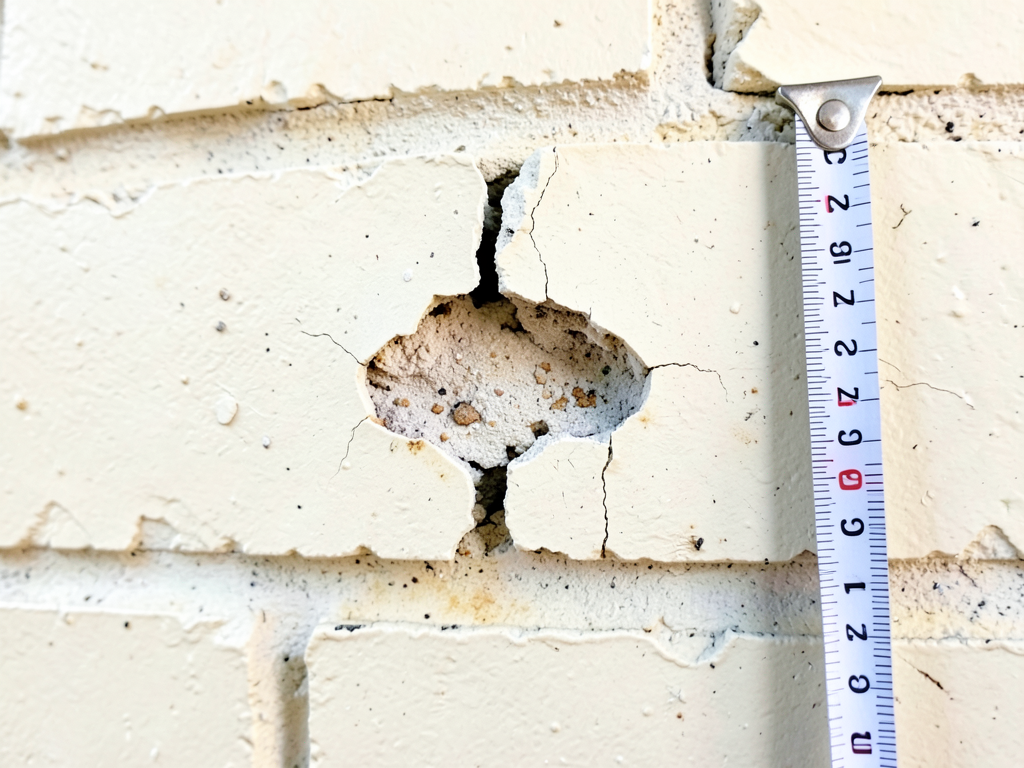
Visual inspection reveals several key indicators of moisture problems. Spalling appears as the brick face flaking off in sheets or chunks. The damaged areas often feel rough or sandy to the touch. Severe spalling exposes the softer inner core of the brick.
Efflorescence forms white, chalky deposits on the brick surface. These deposits typically appear after rainy periods or when snow melts against foundation walls. The pattern often follows water flow paths, concentrating near window sills, parapet caps, or areas where downspouts discharge.
Mortar deterioration shows as crumbling joints between bricks. The mortar may fall out in pieces or develop deep cracks. In advanced cases, mortar becomes so soft that you can scrape it away with a fingernail. This creates pathways for water to penetrate deeper into the wall system.
Subflorescence represents a more serious condition than surface efflorescence. Water-soluble salts crystallize beneath the brick surface, creating internal pressure that causes the brick to break apart from the inside out. This damage often appears as small, raised bumps or blisters on the brick face.
Structural movement becomes evident when walls develop diagonal cracks or when corners separate from the main wall plane. These failures often result from freeze-thaw cycles in water-saturated masonry. The damage typically worsens each winter as trapped water expands and contracts.
Interior signs include water stains on plaster or drywall, peeling paint, and musty odors. These symptoms indicate that moisture is penetrating through the wall assembly. In severe cases, plaster may bubble or fall away from the substrate. Signs of Hidden Mold.
Sound testing provides additional diagnostic information. Tapping a brick with a metal tool produces a dull thud when the brick is water-saturated or damaged. Healthy brick produces a clear, ringing sound. This simple test helps identify areas requiring closer inspection.
Why Standard Waterproofing Destroys Historic Brick
Modern waterproofing products create a vapor barrier that traps moisture inside historic masonry. Silicone sealants, acrylic coatings, and epoxy mortars prevent water vapor from escaping. This trapped moisture expands when it freezes, causing brick faces to spall off in large sections.
The International Existing Building Code specifically warns against using non-breathable materials on historic masonry. Section 3403.1 states that repair materials must be compatible with existing materials in composition, strength, and permeability. Using modern cement-based mortars on lime-based joints violates this requirement. International Code Council.
Pressure washing above 500 PSI can damage Cream City brick surfaces. The high-pressure water forces moisture deep into the brick pores and can erode the soft surface. Many restoration contractors mistakenly believe pressure washing cleans brick when it actually accelerates deterioration.
Waterproofing paints and sealants trap moisture that would normally evaporate through the brick surface. The trapped water dissolves internal salts and creates subflorescence pressure. This pressure can exceed the tensile strength of the brick, causing it to shatter from the inside out.
Historical societies and preservation organizations recommend specific approaches for Cream City brick. The Wisconsin Historical Society guidelines emphasize maintaining the brick’s ability to release moisture. They recommend breathable lime washes instead of modern sealants for water protection. Wisconsin Historical Society.
The wrong repair approach can void insurance coverage for historic properties. Many policies require that repairs maintain the building’s historical character. Using incompatible materials may constitute a violation of these terms, leaving property owners financially responsible for subsequent damage.
Professional assessment becomes critical before any water damage intervention. A qualified masonry restoration specialist can identify the brick’s composition, determine the extent of damage, and recommend appropriate repair methods that preserve the material’s historic character. Professional Mold Remediation for Families in Mequon and Thiensville.
Our Specialized Milwaukee Water Extraction Process for Historic Brick
Water extraction from Cream City brick structures requires a fundamentally different approach than standard residential water damage. The high mass of solid brick walls means moisture moves slowly and requires extended drying times. Standard drying equipment can actually damage historic materials.
Initial assessment begins with moisture mapping using penetrating and non-penetrating moisture meters. Cream City brick can hold up to 20% moisture content by weight before showing visible signs of saturation. Professional meters help identify hidden moisture pockets behind plaster or within wall cavities.
Low-pressure extraction systems prevent damage to soft brick surfaces. High-volume air movers operating at reduced speeds can remove surface moisture without forcing water deeper into the material. The goal is gentle moisture removal rather than aggressive extraction.
Dehumidification for historic brick requires specialized equipment. Conventional refrigerant dehumidifiers may not effectively remove moisture from dense masonry. Desiccant dehumidifiers operating at lower temperatures can extract moisture from deep within brick walls without causing thermal stress.
Temperature control becomes critical during the drying process. Rapid temperature changes can cause differential expansion between brick and mortar. Maintaining consistent temperatures between 60 and 70 degrees Fahrenheit prevents additional cracking and spalling.
Monitoring continues throughout the drying process. Moisture content readings taken at 24-hour intervals track progress and identify areas requiring additional attention. The drying process for solid brick walls typically requires 7 to 14 days, compared to 3 to 5 days for standard construction.
Antimicrobial treatment for historic brick must use breathable products. Traditional biocides can leave residues that trap moisture or damage the brick surface. Specialized formulations designed for historic masonry provide protection without compromising vapor permeability.
Documentation proves essential for insurance claims and historical preservation records. Detailed photographs, moisture readings, and repair recommendations create a permanent record of the damage and restoration process. This documentation supports future maintenance planning and historical documentation.
Structural Implications: When to Call a Masonry Expert vs. Water Restorer
Determining the appropriate professional requires understanding the damage scope. Surface moisture issues with intact brick faces typically fall within water restoration expertise. However, structural damage involving brick replacement or major mortar repair requires masonry restoration specialists.
Spalling affecting less than 10% of the brick surface usually responds to proper water extraction and drying. The brick remains structurally sound even if the surface appears damaged. Professional assessment can determine whether the damage is cosmetic or structural.
Cracks wider than 1/8 inch or those that follow a stair-step pattern through mortar joints indicate structural movement. These conditions often require both water damage restoration and masonry repair. The water damage may have initiated the problem, but structural stabilization becomes necessary.
Bulging walls suggest serious structural problems. Water saturation combined with inadequate lateral support can cause entire wall sections to move outward. This condition requires immediate professional assessment and often involves temporary stabilization before water damage mitigation begins.
Foundation issues manifest as horizontal cracks or shearing at mortar joints. Water pressure from saturated soil can push basement walls inward. This damage requires coordination between structural engineers, masonry contractors, and water restoration specialists.
The Milwaukee Department of Neighborhood Services requires permits for structural repairs to historic buildings. Permit applications must include detailed repair plans showing how the work maintains historical character. Unpermitted structural repairs can result in fines and mandatory removal of the work.
Insurance coverage varies significantly based on the damage cause and building use. Standard homeowner policies typically cover sudden water damage but exclude long-term moisture problems. Commercial properties may have different coverage terms requiring specific documentation of the damage cause.
Historical preservation tax credits may be available for certified restoration work. The State of Wisconsin offers tax incentives for maintaining historic properties. These programs often require using approved contractors and materials that meet specific preservation standards.
Preventing Future Moisture Issues in Historic Milwaukee Basements
Proactive moisture management prevents most water damage in Cream City brick structures. The Menomonee Valley’s clay soil creates specific drainage challenges that require targeted solutions. Understanding these challenges helps property owners implement effective prevention strategies.
Exterior grading should slope away from foundation walls at a minimum of 6 inches over 10 feet. This simple measure directs water away from the building rather than allowing it to saturate the soil against foundation walls. Many older buildings in the Menomonee Valley lack proper grading due to settling or landscape changes.
Gutter and downspout systems require regular maintenance. Clean gutters prevent overflow that saturates foundation soil. Downspouts should extend at least 5 feet from the building foundation. Underground drain lines can provide additional protection but require periodic cleaning to prevent clogging.
Foundation waterproofing for historic buildings differs from modern construction. Breathable waterproofing systems allow moisture vapor to escape while preventing liquid water intrusion. These systems typically combine exterior drainage with vapor-permeable coatings rather than impermeable membranes.
Sump pump systems provide essential protection in areas with high water tables. The Menomonee Valley’s proximity to the Menomonee River means many properties sit in areas with seasonal high water tables. A properly sized and maintained sump pump system can prevent basement flooding during heavy rainfall.
Interior drainage systems offer additional protection for existing buildings. French drains or interior perimeter drains collect water that penetrates foundation walls and direct it to sump pumps. These systems work best when combined with exterior water management measures.
Dehumidification helps control interior moisture levels. In Milwaukee’s humid climate, indoor humidity often exceeds 60% during summer months. Maintaining humidity between 30% and 50% reduces the risk of condensation on cool masonry surfaces.
Regular inspections identify developing problems before they become severe. Annual inspections should check for new cracks, deteriorating mortar, clogged drainage systems, and signs of water intrusion. Early intervention costs significantly less than emergency repairs after major damage occurs.
Professional maintenance agreements provide ongoing protection for historic properties. These agreements typically include quarterly inspections, gutter cleaning, and priority service for emergency situations. The cost of prevention typically runs 10% to 15% of potential repair costs.
Frequently Asked Questions
How can I tell if my Cream City brick has moisture damage?
Look for white powdery deposits (efflorescence), flaking or crumbling brick surfaces (spalling), deteriorating mortar joints, and water stains on interior walls. A dull sound when tapping the brick with a metal tool often indicates water saturation or damage.
Can I seal my Cream City brick to prevent water damage?
Standard sealants can trap moisture inside historic brick and cause more damage. Breathable lime washes or specialized historic masonry sealants allow vapor transmission while providing some water resistance. Always consult a preservation specialist before applying any coating to historic brick.
How long does it take to dry out water-damaged Cream City brick?
Unlike standard construction, solid brick walls can require 7 to 14 days of professional drying. The brick’s high moisture capacity and low vapor permeability mean water moves slowly through the material. Rapid drying can cause additional damage through differential shrinkage.
Is spalling on my brick a structural concern?
Surface spalling that affects less than 10% of the brick face is usually cosmetic. However, spalling that exposes the brick core or occurs in large sections may indicate structural problems. A professional assessment can determine whether the brick retains adequate strength for structural support.
What should I do if I find moisture damage in my historic building?
Stop any water source if possible, document the damage with photos, and contact a professional experienced with historic masonry. Avoid using fans or dehumidifiers until a professional assesses the situation, as improper drying can cause additional damage to historic materials.

Protect Your Historic Cream City Brick Investment
Moisture damage in Cream City brick requires immediate attention from professionals who understand historic masonry. The unique properties of Menomonee Valley clay brick demand specialized knowledge and equipment for proper restoration. Don’t let water damage destroy your building’s historical character and structural integrity.
Call (414) 392-1771 today to schedule your inspection. Our team specializes in historic Milwaukee properties and understands the specific challenges of Cream City brick restoration. We provide 24/7 emergency response and work directly with insurance companies to streamline the restoration process.
Pick up the phone and call (414) 392-1771 before the next storm hits. Early intervention prevents costly repairs and preserves your building’s historical value. Our experts can identify moisture problems before they cause irreversible damage to your Cream City brick structure.
Don’t trust your historic property to general contractors unfamiliar with Milwaukee’s unique building materials. Our specialized knowledge of Cream City brick and Menomonee Valley construction methods ensures proper restoration that maintains your building’s historical integrity. Call (414) 392-1771 now for professional assessment and restoration services.
{
“@context”: “https://schema.org”,
“@type”: “BlogPosting”,
“headline”: “How to Spot Moisture Damage in Cream City Brick (A Guide for Menomonee Valley Property Owners)”,
“description”: “Learn to identify moisture damage in Milwaukee’s historic Cream City brick. This guide covers spalling, efflorescence, and preservation for Menomonee Valley property owners.”,
“wordCount”: 2596,
“datePublished”: “2026-03-30T12:09:00.000Z”,
“dateModified”: “2026-03-30T12:09:00.000Z”,
“inLanguage”: “en-US”,
“mainEntityOfPage”: {
“@type”: “WebPage”,
“@id”: “https://allprowaterdamagerestorationmilwaukee.com”
},
“publisher”: {
“@type”: “LocalBusiness”,
“name”: “All Pro Water Damage Restoration Milwaukee”,
“url”: “https://allprowaterdamagerestorationmilwaukee.com”
},
“author”: {
“@type”: “Organization”,
“name”: “All Pro Water Damage Restoration Milwaukee”,
“url”: “https://allprowaterdamagerestorationmilwaukee.com”
},
“image”: {
“@type”: “ImageObject”,
“url”: “https://allprowaterdamagerestorationmilwaukee.com/wp-content/uploads/2026/03/how-to-spot-moisture-damage-in-cream-city-brick-a-1.png”
}
}
{
“@context”: “https://schema.org”,
“@type”: “LocalBusiness”,
“name”: “All Pro Water Damage Restoration Milwaukee”,
“url”: “https://allprowaterdamagerestorationmilwaukee.com”,
“address”: {
“@type”: “PostalAddress”,
“addressLocality”: “Milwaukee”
},
“areaServed”: {
“@type”: “City”,
“name”: “Milwaukee”
}
}
{
“@context”: “https://schema.org”,
“@type”: “FAQPage”,
“mainEntity”: [
{
“@type”: “Question”,
“name”: “How can I tell if my Cream City brick has moisture damage?”,
“acceptedAnswer”: {
“@type”: “Answer”,
“text”: “Look for white powdery deposits (efflorescence), flaking or crumbling brick surfaces (spalling), deteriorating mortar joints, and water stains on interior walls. A dull sound when tapping the brick with a metal tool often indicates water saturation or damage.”
}
},
{
“@type”: “Question”,
“name”: “Can I seal my Cream City brick to prevent water damage?”,
“acceptedAnswer”: {
“@type”: “Answer”,
“text”: “Standard sealants can trap moisture inside historic brick and cause more damage. Breathable lime washes or specialized historic masonry sealants allow vapor transmission while providing some water resistance. Always consult a preservation specialist before applying any coating to historic brick.”
}
},
{
“@type”: “Question”,
“name”: “How long does it take to dry out water-damaged Cream City brick?”,
“acceptedAnswer”: {
“@type”: “Answer”,
“text”: “Unlike standard construction, solid brick walls can require 7 to 14 days of professional drying. The brick’s high moisture capacity and low vapor permeability mean water moves slowly through the material. Rapid drying can cause additional damage through differential shrinkage.”
}
},
{
“@type”: “Question”,
“name”: “Is spalling on my brick a structural concern?”,
“acceptedAnswer”: {
“@type”: “Answer”,
“text”: “Surface spalling that affects less than 10% of the brick face is usually cosmetic. However, spalling that exposes the brick core or occurs in large sections may indicate structural problems. A professional assessment can determine whether the brick retains adequate strength for structural support.”
}
},
{
“@type”: “Question”,
“name”: “What should I do if I find moisture damage in my historic building?”,
“acceptedAnswer”: {
“@type”: “Answer”,
“text”: “Stop any water source if possible, document the damage with photos, and contact a professional experienced with historic masonry. Avoid using fans or dehumidifiers until a professional assesses the situation, as improper drying can cause additional damage to historic materials.”
}
}
]
}
{
“@context”: “https://schema.org”,
“@type”: “BreadcrumbList”,
“itemListElement”: [
{
“@type”: “ListItem”,
“position”: 1,
“name”: “Home”,
“item”: “https://allprowaterdamagerestorationmilwaukee.com”
},
{
“@type”: “ListItem”,
“position”: 2,
“name”: “Blog”,
“item”: “https://allprowaterdamagerestorationmilwaukee.com/blog”
},
{
“@type”: “ListItem”,
“position”: 3,
“name”: “How to Spot Moisture Damage in Cream City Brick (A Guide for Menomonee Valley Property Owners)”
}
]
}
{
“@context”: “https://schema.org”,
“@type”: “Service”,
“serviceType”: “Water Damage Restoration”,
“provider”: {
“@type”: “LocalBusiness”,
“name”: “All Pro Water Damage Restoration Milwaukee”,
“url”: “https://allprowaterdamagerestorationmilwaukee.com”
},
“areaServed”: {
“@type”: “City”,
“name”: “Milwaukee”
},
“description”: “Learn to identify moisture damage in Milwaukee’s historic Cream City brick. This guide covers spalling, efflorescence, and preservation for Menomonee Valley property owners.”
}