
Can your furniture be saved after a flood in an older Milwaukee home?
When water invades your Milwaukee home the damage extends beyond walls and floors. Your furniture sits directly in the path of destruction absorbing moisture that can cause warping cracking and mold growth within hours. The question weighing on every homeowner’s mind is simple. Can your furniture be saved after a flood in an older Milwaukee home? Emergency Water Removal Services for Bay View Homeowners and Business Owners.
The answer depends on several factors including the type of water involved the material of your furniture and how quickly you act. Clean water from a burst pipe offers better chances for restoration than contaminated floodwater from Milwaukee’s combined sewer system. Solid wood pieces often survive with proper drying while particle board furniture typically becomes unsalvageable once saturated. Restoring Water Damaged Offices and Lofts in the Historic Third Ward.
Milwaukee’s unique climate and architecture create specific challenges. Historic homes in neighborhoods like Bay View and Walker’s Point often feature plaster walls and hardwood floors that hold moisture longer than modern construction. The city’s clay-heavy soil can cause hydrostatic pressure leading to basement seepage during spring thaws. These local conditions affect drying times and restoration success rates. EPA mold guidelines.
Time becomes your enemy after flooding. Mold can begin growing on damp surfaces within 24 to 48 hours. Wood furniture exposed to moisture for extended periods develops irreversible structural damage. The sooner you start the restoration process the better your chances of saving valuable pieces.
Understanding what can be saved helps you make informed decisions during a stressful time. This guide breaks down the restoration potential for different furniture materials explains when professional help becomes necessary and provides Milwaukee-specific insights to protect your belongings. Professional Mold Remediation for Families in Mequon and Thiensville.
Understanding water damage categories and their impact on furniture
Not all water damage affects furniture equally. The Institute of Inspection Cleaning and Restoration Certification (IICRC) defines three categories of water that determine restoration approaches and health risks. IICRC S500 Standards.
Category 1 water comes from clean sources like broken supply lines or rainwater. This water poses minimal health risks and most furniture can be saved if dried within 24 to 48 hours. Solid wood pieces respond well to professional drying techniques while upholstered items may need cleaning but rarely require replacement.
Category 2 water contains significant contamination including dishwasher overflow or washing machine discharge. This gray water carries microorganisms that can penetrate porous materials. Upholstered furniture exposed to Category 2 water often needs professional cleaning or replacement. Wood furniture may survive with thorough sanitization.
Category 3 water represents the most severe contamination from sewage backups or river flooding. This black water contains pathogens bacteria and other harmful substances. Any porous material that contacts Category 3 water typically requires disposal. Even solid wood may need professional assessment as contaminants can penetrate deep into the grain. Reliable Sewage Cleanup and Sanitization in West Allis.
Milwaukee’s aging infrastructure increases Category 3 water risks. The city’s combined sewer system can back up during heavy rainfall sending contaminated water into basements throughout neighborhoods like Riverwest and Harambee. Understanding these risks helps you make quick decisions about what to save and what to discard.
Restoration potential for different furniture materials
Different materials respond uniquely to water exposure. Knowing what you own helps predict restoration success and guide your recovery efforts.
Solid wood furniture restoration
Solid hardwood furniture offers the best restoration potential. Oak maple walnut and cherry woods can often be saved even after significant water exposure. The key lies in preventing warping and addressing moisture before mold establishes itself.
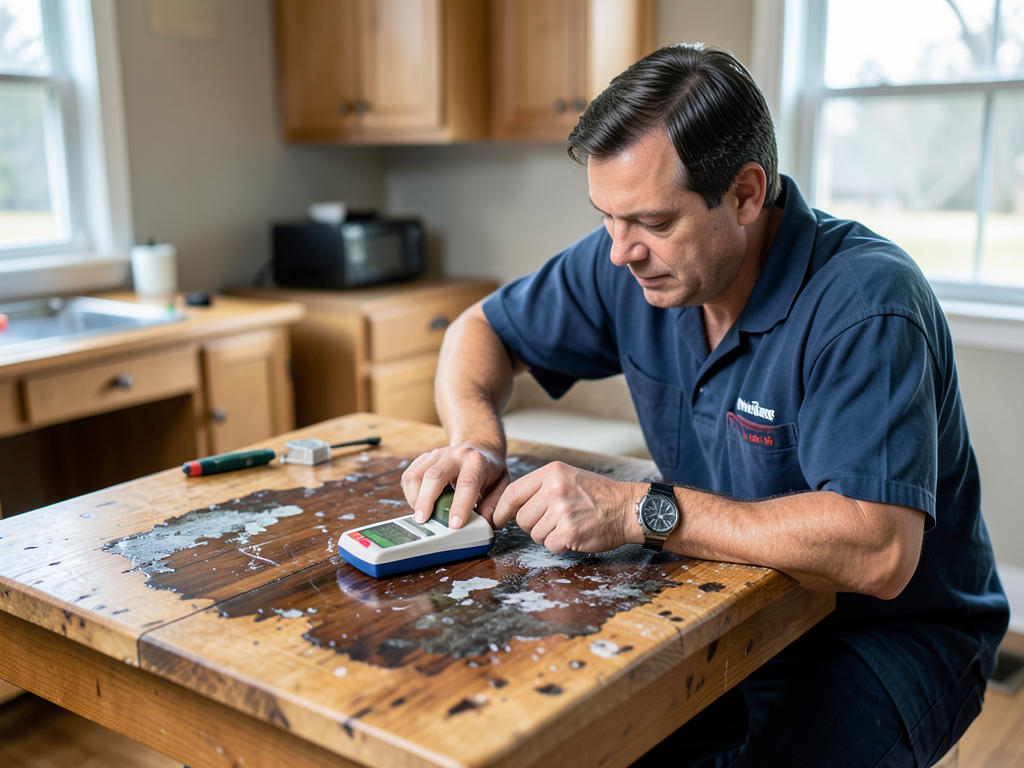
Professional restorers use moisture meters to detect water content deep within the wood. Readings above 15 percent indicate significant moisture that requires controlled drying. Too rapid drying causes cracking while too slow drying allows mold growth. The process typically takes three to seven days depending on humidity levels and wood thickness.
White rings on wood surfaces indicate moisture trapped beneath the finish. These marks often disappear with proper drying and refinishing. Black spots suggest mold growth within the wood requiring more intensive treatment including sanding and antimicrobial application.
Milwaukee’s humidity during summer months complicates wood restoration. Lake Michigan’s influence creates moisture levels that slow drying times. Professional dehumidification becomes essential for successful restoration in older Milwaukee homes.
Veneer furniture considerations
Veneer furniture presents a mixed restoration outlook. The thin wood layer glued to particle board or plywood can delaminate when exposed to water. The substrate material often determines whether restoration proves worthwhile.
If the underlying material remains structurally sound veneer pieces may survive with re-gluing and refinishing. However water damage frequently causes bubbling separation and warping that cannot be reversed. Professional assessment helps determine whether restoration costs justify saving the piece.
Antique veneer furniture requires special consideration. The age and craftsmanship often justify restoration attempts even when success seems uncertain. Milwaukee’s historic districts like the Third Ward contain many valuable veneer pieces worth professional evaluation.
Particle board and MDF furniture
Engineered wood products offer the lowest restoration success rates. Particle board medium-density fiberboard and similar materials absorb water like sponges. Once saturated these materials lose structural integrity permanently.
The swelling that occurs when particle board absorbs water cannot be reversed. Joints separate surfaces warp and the material becomes too weak to support weight. Even thorough drying cannot restore the original strength and appearance.
Most modern furniture uses engineered wood products making replacement often more cost-effective than restoration. However some pieces with sentimental value may warrant professional evaluation before disposal.
Upholstered furniture restoration
Upholstered furniture presents the greatest restoration challenges. Fabric and foam act as sponges absorbing water and contaminants deep into the structure. The success of restoration depends on water category material type and exposure duration.
Natural fiber upholstery like cotton and linen absorbs water readily and may shrink or distort during drying. Synthetic materials often resist water better but can trap moisture leading to mold growth. Leather upholstery reacts differently based on type and finish quality.
Professional cleaning becomes essential for Category 2 or 3 water exposure. Hot water extraction antimicrobial treatment and thorough drying help eliminate contaminants. However the cost often approaches replacement value especially for heavily soiled items.
Milwaukee’s humidity during summer months extends drying times for upholstered furniture. Professional drying chambers with controlled temperature and humidity provide the best restoration outcomes.
Leather furniture restoration
Leather furniture requires specialized restoration approaches. The material’s unique properties affect how it responds to water exposure and what restoration methods prove effective.
Top-grain leather typically survives water exposure better than bonded or split leather. The dense surface resists water penetration while maintaining flexibility. However prolonged exposure causes discoloration stiffness and potential mold growth in seams and crevices.
Professional leather restoration involves cleaning conditioning and color restoration. The process may require multiple treatments to address water stains and prevent cracking during drying. Success rates improve significantly when restoration begins within 24 hours of water exposure.
Milwaukee’s humidity affects leather differently than other materials. The moisture in the air can cause leather to absorb ambient humidity slowing the drying process. Professional climate-controlled drying prevents the cracking and warping that occurs with rapid moisture removal.
Professional restoration process for water damaged furniture
Professional restoration follows systematic steps that maximize recovery chances while ensuring safety. Understanding this process helps you evaluate restoration proposals and set realistic expectations.
Initial assessment and documentation
Professional restorers begin with comprehensive assessment documenting damage extent water category and restoration potential for each piece. This evaluation includes moisture readings material identification and contamination testing when necessary.
Documentation serves multiple purposes. Insurance claims require detailed damage reports before restoration begins. The assessment also helps prioritize items based on value restoration potential and client preferences.
Milwaukee’s building codes require specific documentation for insurance purposes. The Wisconsin Department of Safety and Professional Services mandates detailed records for restoration work affecting property value or safety.
Moisture detection and mapping
Advanced moisture detection tools identify water presence beyond visible surfaces. Pin-type moisture meters measure moisture content in wood materials while non-invasive meters detect moisture in walls and floors affecting furniture.
Thermal imaging cameras reveal temperature variations indicating moisture presence. This technology helps locate hidden water pockets that could cause future problems if left untreated. The mapping process guides drying equipment placement and restoration priorities. Signs of Hidden Mold.
Professional restorers use psychrometrics to calculate optimal drying conditions. This science of moisture in air helps determine temperature humidity and air movement needed for efficient drying without causing secondary damage.
Water extraction and initial drying
Removing standing water represents the first physical restoration step. Professional extractors remove water more thoroughly than household wet vacuums preventing secondary damage from prolonged moisture exposure.
Initial drying uses industrial air movers to create airflow across wet surfaces. This evaporation process requires careful monitoring as rapid moisture removal can cause wood cracking or material distortion.
Milwaukee’s climate affects extraction and drying strategies. Winter restoration requires temperature control to prevent freezing while summer work needs dehumidification to combat high humidity levels from Lake Michigan.
Sanitization and antimicrobial treatment
Category 2 and 3 water exposure requires thorough sanitization. Professional restorers apply EPA-registered antimicrobials that eliminate bacteria and prevent mold growth without damaging furniture materials.
The treatment process involves surface application and sometimes deep penetration for porous materials. Multiple applications may be necessary for heavily contaminated items. The chemicals used must be safe for indoor use while remaining effective against pathogens.
Milwaukee’s older homes often contain lead paint or asbestos requiring additional safety precautions during restoration. Professional restorers follow Wisconsin Department of Health Services guidelines for handling these materials during water damage restoration.
Controlled drying and monitoring
Professional drying uses dehumidifiers to remove moisture from the air preventing reabsorption by furniture. The process requires careful balance as different materials dry at different rates.
Monitoring involves daily moisture readings to track progress and adjust equipment placement. The goal reaches moisture content levels safe for the specific material typically below 12 percent for wood furniture.
Milwaukee’s humidity variations affect drying timelines. Professional restorers adjust equipment and timelines based on current weather conditions and seasonal humidity patterns unique to southeastern Wisconsin.
Refinishing and restoration
Final restoration may involve refinishing cleaning or structural repairs. Wood furniture often needs sanding and refinishing to restore appearance and protect against future moisture damage.
Upholstered items may require reupholstering if cleaning cannot restore the original appearance. Leather items need conditioning and color restoration to address water stains and prevent cracking.
The refinishing process must match existing finishes when only partial restoration occurs. Professional restorers maintain finish samples and color matching capabilities to ensure seamless results.
Milwaukee specific considerations for furniture restoration
Milwaukee’s unique characteristics affect water damage restoration outcomes. Understanding these local factors helps set realistic expectations and guide restoration decisions.
Historic home challenges
Milwaukee’s historic districts contain homes built before modern moisture barriers and ventilation systems. These structures hold moisture longer than contemporary construction affecting furniture restoration timelines.
Plaster walls common in homes built before 1960 absorb and release moisture slowly. This characteristic extends drying times for rooms containing water damaged furniture. The moisture exchange between walls and furniture can complicate restoration efforts.
Milwaukee’s building code requires special considerations for historic properties. The City of Milwaukee Historic Preservation Commission oversees modifications to designated properties affecting restoration approaches and material choices.
Lake Michigan humidity effects
Lake Michigan’s influence creates year-round humidity levels higher than inland areas. Summer humidity often exceeds 70 percent while winter levels remain above 40 percent. These conditions affect drying times and mold growth potential.
Professional restorers adjust equipment and timelines based on current lake conditions. Strong winds from the lake can increase humidity rapidly affecting drying progress. The restoration process must account for these variations to prevent secondary damage.
Milwaukee’s location on the western shore of Lake Michigan creates unique weather patterns. Rapid temperature changes can cause condensation on cold surfaces affecting restoration progress and requiring additional climate control measures.
Combined sewer system risks
Milwaukee’s combined sewer system increases Category 3 water damage risks during heavy rainfall. The Milwaukee Metropolitan Sewerage District’s Deep Tunnel project helps manage overflow but cannot prevent all backups during extreme weather events.
Neighborhoods with older infrastructure face higher contamination risks. Areas like the Historic Third Ward and Walker’s Point contain many combined sewer connections making sewage backup more likely during storms.
Understanding these risks helps you make quick decisions about furniture disposal versus restoration when contaminated water enters your home. Professional assessment becomes essential for determining contamination extent and appropriate restoration approaches.
When to call professional restoration services
Deciding between DIY and professional restoration affects outcomes and costs. Understanding when professional help becomes necessary helps you make informed decisions during emergencies.
Category 3 water exposure
Professional restoration becomes mandatory for Category 3 water exposure. The health risks from sewage contamination and other pathogens require specialized equipment training and disposal methods.
Wisconsin’s Department of Natural Resources regulates Category 3 water cleanup. Professional restorers hold certifications required for proper handling and disposal of contaminated materials.
The cost of professional Category 3 restoration often proves worthwhile compared to health risks from improper cleanup. Professional services include contamination testing to verify successful remediation.
Valuable or sentimental items
Professional restoration justifies the cost for valuable antiques or items with significant sentimental value. The expertise and equipment available to professionals often make the difference between successful restoration and permanent damage.
Milwaukee’s antique dealers and auction houses can recommend restoration specialists experienced with specific furniture types. These connections help ensure your valuable pieces receive appropriate care.
Insurance policies often cover professional restoration for high-value items. Documentation from professional restorers supports insurance claims and helps establish replacement value when restoration proves impossible.
Large scale damage
Professional services become essential when multiple furniture pieces or entire rooms suffer water damage. The scale of damage requires industrial equipment and coordinated approaches beyond DIY capabilities.
Professional restorers bring enough air movers dehumidifiers and extraction equipment to handle large projects efficiently. The equipment availability and expertise prevent the extended drying times that often cause secondary damage in DIY attempts.
Milwaukee’s building codes require professional assessment for damage affecting structural elements. The interconnection between furniture damage and structural issues often necessitates comprehensive professional evaluation.
Time sensitive situations
Professional help becomes critical when damage occurs during periods of high humidity or when immediate response proves impossible. The limited window for successful restoration often closes before DIY efforts can begin.
Milwaukee’s summer humidity creates ideal conditions for rapid mold growth. Professional restoration teams can mobilize quickly and begin work before mold establishes itself.
Many professional restoration services offer 24/7 emergency response. This availability proves crucial when damage occurs during evenings weekends or holidays when DIY help may not be available.
Insurance considerations for water damaged furniture
Insurance coverage affects restoration decisions and out-of-pocket costs. Understanding your coverage helps you make informed decisions during the recovery process.
Homeowner’s insurance coverage
Standard homeowner’s insurance policies typically cover sudden and accidental water damage including furniture restoration. However coverage limitations and exclusions affect what the insurance company will pay for.
Policies often exclude flood damage from external sources requiring separate flood insurance. The distinction between covered water damage and excluded flood damage affects restoration decisions and payment responsibilities.
Wisconsin insurance regulations require specific coverage disclosures. Insurance companies must clearly explain coverage limitations and exclusions affecting water damage restoration decisions.
Documentation requirements
Insurance companies require specific documentation for water damage claims. Professional restorers provide detailed damage assessments itemization of restoration work and photographic documentation meeting insurance requirements.
The documentation process begins immediately after damage occurs. Professional restorers understand insurance requirements and provide the evidence needed to support claims.
Wisconsin insurance law requires timely claim processing. Understanding your rights helps ensure prompt coverage decisions affecting restoration timelines.
Restoration versus replacement decisions
Insurance adjusters evaluate restoration costs against replacement value when determining coverage. The decision to restore or replace furniture often depends on cost effectiveness rather than sentimental value.
Professional restorers provide cost estimates helping you understand the financial implications of restoration decisions. These estimates support negotiations with insurance adjusters when coverage decisions seem unreasonable.
Some insurance policies include replacement cost coverage paying for new items rather than restoration costs. Understanding your specific coverage helps guide restoration decisions.
Preventing future water damage to furniture
Prevention proves more cost-effective than restoration. Understanding risk factors and implementing preventive measures protects your furniture from future water damage.
Basement protection strategies
Milwaukee’s many bungalows and ranch homes feature basements where water damage commonly occurs. Sump pump maintenance prevents many basement flooding incidents affecting furniture stored in lower levels.
Wisconsin plumbing code requires specific sump pump installations for new construction. Understanding these requirements helps you evaluate your current system’s adequacy and identify necessary upgrades.
Backup power systems ensure sump pump operation during power outages common during summer thunderstorms. Battery backup or generator systems provide protection when utility power fails.
Plumbing maintenance
Regular plumbing inspections prevent many water damage incidents. Milwaukee’s older homes often contain galvanized steel pipes reaching the end of their useful life and prone to sudden failure.
Wisconsin building code requires specific plumbing materials and installation methods. Understanding these requirements helps you evaluate plumbing system adequacy and identify necessary upgrades.
Water alarm systems provide early warning of leaks before extensive damage occurs. These inexpensive devices can prevent thousands of dollars in furniture damage by alerting you to problems while they remain manageable.
Roof and gutter maintenance
Roof leaks cause extensive furniture damage when water migrates through ceilings and walls. Regular roof inspections and maintenance prevent many water damage incidents affecting furniture in upper levels.
Milwaukee’s building code requires specific roofing materials and installation methods for different roof types. Understanding these requirements helps you evaluate your roof’s adequacy and identify necessary upgrades.
Proper gutter maintenance prevents ice dams and water overflow that can damage furniture near exterior walls. Regular cleaning and repair ensure proper water drainage away from your home.
Making the final decision on furniture restoration
Multiple factors influence whether to restore or replace water damaged furniture. Understanding these factors helps you make decisions aligned with your priorities and resources.
Cost benefit analysis
Restoration costs must be weighed against replacement costs and the furniture’s value. Professional restoration estimates help you understand the financial implications of different choices.
Consider both monetary and sentimental value when making decisions. Some items justify restoration costs based on emotional significance rather than market value.
Milwaukee’s furniture restoration specialists often provide free evaluations helping you understand restoration potential before committing to services.
Time considerations
Restoration requires time that may exceed replacement timelines. Consider your immediate needs and how long you can function without the affected furniture.
Professional restoration typically requires several days to weeks depending on damage extent and material type. This timeline may exceed your ability to wait for recovered items.
Milwaukee’s weather patterns affect restoration timelines. Winter restoration may take longer due to heating requirements while summer work faces humidity challenges.
Health and safety factors
Category 3 water exposure creates health risks that may make restoration inadvisable regardless of cost or sentimental value. Professional assessment helps you understand these risks and make informed decisions.
Milwaukee’s older homes may contain lead paint or asbestos requiring special handling during restoration. Professional restorers understand these requirements and can advise on safe restoration approaches.
Family members with allergies or respiratory conditions may require more aggressive restoration or replacement to ensure healthy indoor air quality.
Frequently Asked Questions
How long can furniture sit in water before it becomes unsalvageable?
Time proves critical for furniture restoration success. Clean water exposure under 24 hours offers the best restoration potential for most materials. After 48 hours even clean water begins causing irreversible damage to particle board and upholstered items. Category 2 or 3 water exposure requires action within 24 hours to prevent health risks and material degradation. Milwaukee’s humidity can accelerate damage even in clean water situations. The specific material affects survival time with solid wood lasting longer than engineered products or upholstery.
Can mold on furniture be completely removed through restoration?
Complete mold removal depends on material porosity and exposure duration. Non-porous materials like solid wood or metal can achieve complete mold removal through proper cleaning and treatment. Porous materials like upholstered furniture or particle board may retain mold spores deep within the structure even after surface cleaning. Professional restorers use antimicrobial treatments and HEPA filtration to remove visible mold and reduce spore counts. However items exposed to Category 3 water or those with extensive mold growth often require disposal rather than restoration to ensure complete remediation.
Will my homeowner’s insurance cover furniture restoration after flooding?
Standard homeowner’s insurance typically covers sudden and accidental water damage including furniture restoration. However coverage depends on the water source and your specific policy terms. Damage from burst pipes or appliance failures usually receives coverage while external flooding requires separate flood insurance. Wisconsin insurance regulations require specific coverage disclosures in your policy. Professional restoration companies work with insurance providers and can help you understand coverage limitations. Document damage thoroughly and contact your insurance company immediately after discovering water damage to initiate the claims process.
How can I tell if water damaged furniture has structural damage?
Structural damage indicators include warping cracking or separation of joints that don’t return to original shape after drying. Press on surfaces to check for sponginess or weakness indicating internal material degradation. Drawers and doors that no longer fit properly suggest frame warping. Upholstered furniture may feel heavier than normal due to water retention in padding. Professional restorers use moisture meters and structural assessment tools to evaluate damage extent. Furniture exposed to Category 3 water or items showing mold growth inside joints likely have structural damage requiring professional evaluation before restoration decisions.
What should I do immediately after discovering water damaged furniture?
Begin by stopping the water source if possible and removing furniture from standing water using protective equipment. Document damage with photos for insurance purposes before moving items. Separate saturated items to prevent moisture transfer to dry pieces. Increase air circulation using fans but avoid heat sources that can cause rapid drying and cracking. For Category 2 or 3 water exposure avoid direct contact and wait for professional help. Contact your insurance company and a professional restoration service immediately. Milwaukee’s humidity makes rapid response essential even for clean water situations to prevent mold growth and material degradation.
Take action to save your furniture today
Water damage to furniture creates stress and uncertainty but quick action and informed decisions can save many valuable pieces. Milwaukee’s unique climate and architecture create specific challenges but also opportunities for successful restoration when you understand local conditions and act promptly.
Professional restoration services bring expertise equipment and experience that dramatically improve restoration success rates. The investment in professional help often proves worthwhile compared to replacement costs especially for valuable antiques or sentimental items.
Don’t let water damage destroy your furniture and your peace of mind. Understanding what can be saved how to save it and when to call for help puts you in control during a difficult situation. Your furniture represents more than material possessions. It holds memories and value that deserve protection through proper restoration techniques.
Time remains your most critical factor. Every hour of delay reduces restoration success chances and increases costs. Whether you need emergency water extraction professional drying or complete restoration services acting quickly provides the best outcomes for your water damaged furniture.
Pick up the phone and call (414) 392-1771 today to schedule your inspection. Our Milwaukee-based restoration specialists understand local conditions and bring the expertise needed to save your valuable furniture. Don’t wait until it’s too late. Call now and take the first step toward recovering your belongings and your peace of mind.
Remember that successful furniture restoration depends on quick action proper techniques and understanding your specific situation. With the right approach and professional help many water damaged furniture pieces can return to their original beauty and function providing continued service and preserving your memories for years to come.
Your furniture deserves expert care. Your home deserves complete restoration. You deserve peace of mind knowing your belongings are in capable hands. Make the call that starts your recovery today.
Call (414) 392-1771 now to speak with our restoration specialists about your water damaged furniture. We’re ready to help you save what matters most.