
How Landscaping Can Stop Your Oconomowoc Basement from Taking on Water
Water seeping into your basement after a heavy Milwaukee rain is more than an inconvenience. It signals a failure in how your property manages water. In Oconomowoc and surrounding Lake Country areas, the combination of heavy clay soil, steep lake-effect storms, and aging foundations creates a perfect storm for basement flooding. The good news is that with the right landscaping approach, you can stop water before it ever reaches your foundation. Emergency Water Removal Services for Bay View Homeowners and Business Owners.
Proper grading, strategic drainage systems, and smart plant selection work together to direct water away from your home. These solutions not only protect your basement but also increase your property value and reduce the risk of mold growth. This guide covers the specific techniques that work in Oconomowoc’s unique environment, from the freeze-thaw cycles of winter to the heavy spring rains that test every drainage system. Restoring Water Damaged Offices and Lofts in the Historic Third Ward.
The Foundation of Prevention: Proper Soil Grading
Water always flows downhill, so the first line of defense is making sure your yard slopes away from your house. The ideal grade drops at least six inches over the first ten feet from your foundation. This simple measurement prevents water from pooling against basement walls where it can seep through cracks or porous concrete.. Read more about Restoring Your Finished Basement After a Window Well Failure in Delafield.
In Oconomowoc, the heavy clay soil complicates grading. Clay absorbs water slowly and expands when wet, creating hydrostatic pressure against foundation walls. When this pressure builds, even tiny cracks become entry points for water. Proper grading reduces this pressure by keeping the soil around your foundation drier.. Read more about What happens if your Oconomowoc lake house has a leaking skylight or just condensation.
Building codes in Wisconsin require a minimum slope of 5% away from foundations for at least six feet. The Wisconsin Uniform Dwelling Code (UDC) Section Comm 21.45 specifically addresses surface drainage requirements. Professional landscapers use laser levels to achieve precise slopes that DIY methods often miss. Wisconsin Uniform Dwelling Code.
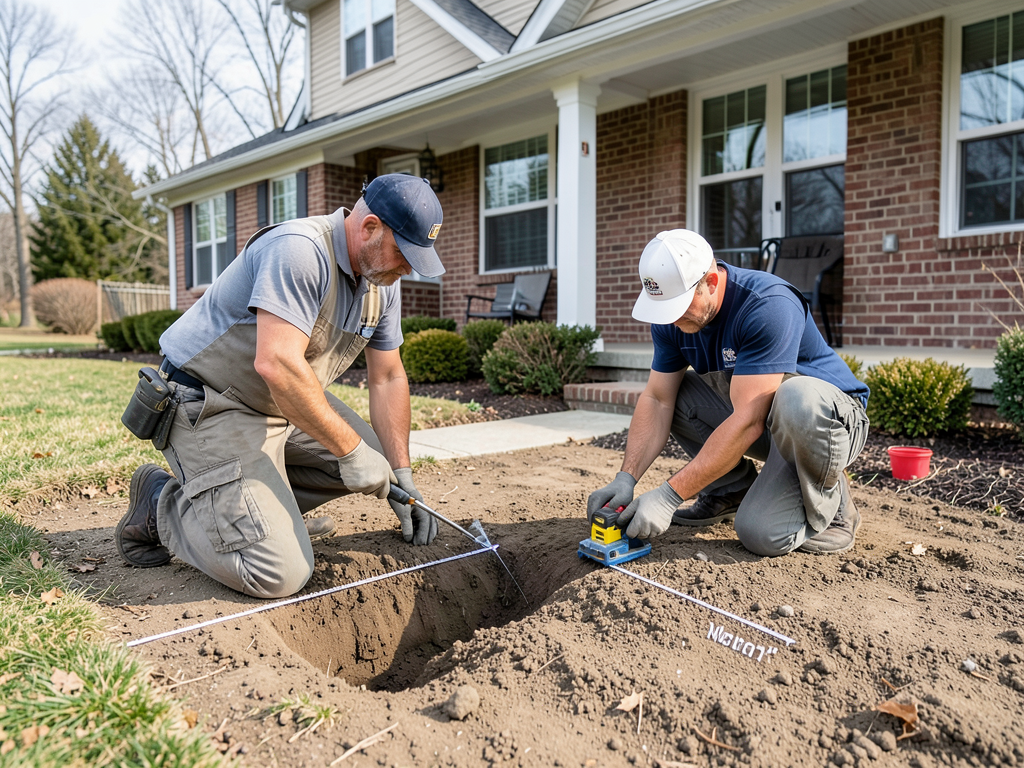
Beyond the basic slope, consider the soil type when grading. Clay soil needs amendment with organic matter to improve drainage. A mix of 60% native soil, 30% compost, and 10% sand creates a better growing medium while maintaining the necessary grade. This amended soil drains faster than pure clay, reducing the water pressure against your foundation.
Beyond Dirt: Installing French Drains and Dry Wells
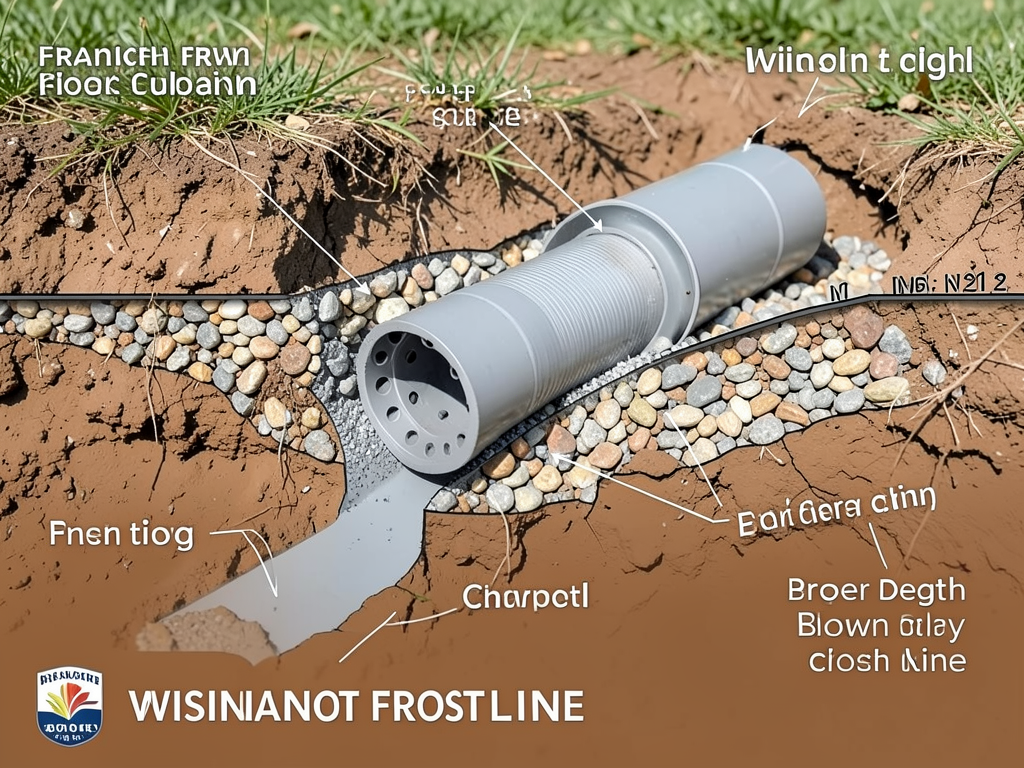
When surface grading isn’t enough, subsurface drainage systems collect and redirect water before it reaches your basement. French drains consist of perforated pipes surrounded by gravel, installed in trenches that slope away from your home. These systems capture groundwater and surface water that would otherwise saturate the soil around your foundation.
The key to effective French drain installation in Oconomowoc is depth. Local frost lines reach 48 to 60 inches deep, so drains must sit below this level to prevent freezing and blockage. Pipes should slope at least 1% (one foot drop per 100 feet) to ensure proper water flow even during heavy rains.
Dry wells provide another solution for managing excess water. These underground chambers filled with gravel or special plastic crates collect water from downspouts or French drains and slowly release it into the surrounding soil. In clay-heavy areas, dry wells prevent the sudden saturation that leads to basement seepage.
Local regulations affect drainage system design. The Milwaukee Metropolitan Sewerage District (MMSD) promotes green infrastructure through their Fresh Coast initiative, encouraging homeowners to manage stormwater on-site rather than sending it to municipal systems. This means French drains and dry wells must discharge at least five feet from property lines and cannot connect directly to sanitary sewers. MMSD Fresh Coast Initiative.
Strategic Downspout Extensions: Why Five Feet is the Magic Number
Your roof sheds thousands of gallons of water during a typical Milwaukee storm. Without proper downspout management, this water pools directly against your foundation. Standard downspout extensions that direct water just a few feet away often prove insufficient in Oconomowoc’s climate.
Five feet represents the minimum safe distance for downspout extensions in our area. This distance ensures water discharges onto ground that has already begun to slope away from your home. Extensions shorter than five feet still allow water to saturate the backfill zone around your foundation where soil is most porous.
Several extension options exist, each with different advantages. Flexible plastic extensions cost less but can collapse under foot traffic or freeze in winter. Rigid aluminum extensions last longer and resist crushing but require more precise installation. Underground drain lines offer the cleanest appearance but cost more and need periodic maintenance to prevent clogging.
Ice buildup presents a unique challenge in Oconomowoc’s freeze-thaw climate. Water trapped in horizontal extensions freezes, blocking drainage and forcing water back toward your foundation. Heat tape installation or heated downspout cables prevent this freezing, though they increase energy costs. The best solution combines proper slope with materials that resist ice dam formation.
Biological Solutions: Using Native Wisconsin Plants to Improve Soil Porosity
Plants do more than beautify your yard. Their root systems create channels in soil that improve water infiltration. Native Wisconsin plants, adapted to our climate and soil conditions, provide the most effective biological drainage solutions for Oconomowoc properties.
Deep-rooted native plants like Big Bluestem grass can send roots twelve feet into soil, creating extensive channels for water movement. These plants also increase organic matter in soil as roots die and decompose, further improving drainage capacity. A rain garden planted with native species can absorb 30% more water than a comparable area of lawn.
Specific plants thrive in Oconomowoc’s climate zones 5a and 5b. Swamp Milkweed, Blue Flag Iris, and Joe Pye Weed tolerate both wet conditions and summer drought. These plants not only manage water but also support local pollinators and wildlife, creating an ecosystem that benefits your entire property.
Rain gardens represent a structured approach to using plants for water management. These shallow depressions planted with water-tolerant native species capture runoff from roofs, driveways, and other impervious surfaces. A properly designed rain garden in Oconomowoc can capture the first inch of rainfall from a 1,000-square-foot roof area, preventing that water from reaching your basement.
Plant selection must consider seasonal water availability. Spring rains bring the highest water volumes, while summer often brings drought stress. Native plants adapted to these cycles require less maintenance than exotic species and provide year-round interest while managing water effectively.
Permeable Pavers vs. Concrete: Managing Runoff on Small Urban Lots
Driveways, patios, and walkways create impervious surfaces that shed water rapidly. In Oconomowoc’s older neighborhoods with smaller lots, these surfaces often cover significant portions of property, overwhelming natural drainage systems. The choice between traditional concrete and permeable alternatives affects how much water reaches your basement.
Permeable pavers allow water to pass through joints filled with small gravel, filtering into a crushed stone base below. This system can reduce runoff by 90% compared to solid concrete. The stone base also provides structural support while storing water until it can infiltrate surrounding soil.
Installation costs for permeable systems run 20-30% higher than traditional concrete, but the long-term benefits often justify the investment. Reduced basement flooding risk, lower landscape maintenance costs, and potential increases in property value offset the initial expense. Some municipalities even offer stormwater fee reductions for properties that reduce runoff through permeable surfaces.
Maintenance requirements differ significantly between surface types. Permeable pavers need periodic vacuuming to remove sediment that can clog joints. Concrete requires sealing every few years to prevent cracking from freeze-thaw cycles. Both surfaces need snow removal in winter, though permeable systems generally drain faster after thawing.
Local soil conditions affect system performance. Clay soils beneath permeable installations may not absorb water quickly enough, requiring underdrains to carry excess water away. A soil percolation test before installation determines whether a simple paver system or a more complex drainage design is necessary.
What We See: Common Landscaping Mistakes That Lead to $10,000+ Restoration Bills
Professional water restoration technicians regularly encounter the same landscaping failures that lead to flooded basements. Understanding these common mistakes helps homeowners avoid expensive repairs and the stress of water damage emergencies. Dealing with a Flooded Basement in Wauwatosa (Your Emergency Action Plan).
Negative grading represents the most frequent problem. Over time, soil settles around foundations, creating slopes that direct water toward rather than away from homes. This settling often occurs within the first few years after construction as backfilled soil compresses more than surrounding undisturbed soil.
Improper downspout management causes another large percentage of basement flooding cases. Extensions that terminate too close to foundations, or downspouts that dump water onto sloped surfaces that flow back toward the house, concentrate water in the most vulnerable areas. Even properly extended downspouts fail when they discharge onto flat surfaces that don’t direct water away.
Window wells without proper drainage create water traps against basement windows. These wells collect water from surrounding soil and surface runoff, building pressure against window frames. Without gravel beds and drain connections, window wells become miniature swimming pools that eventually leak through or around windows.
Overland water flow from neighboring properties often causes unexpected flooding. When uphill neighbors create new impervious surfaces or change grading, water that previously soaked into their yards may now flow onto your property. French drains or swales can intercept this water before it reaches your foundation.
Tree planting too close to foundations creates long-term problems. As trees mature, their roots can damage foundation walls while their canopies shed water directly onto roofs, increasing runoff volumes. The root systems also draw moisture from soil, causing uneven settling that worsens negative grading.
Emergency Water Removal Services and Preventative Drainage Inspections
Even with perfect landscaping, severe storms can overwhelm any drainage system. When water does enter your basement, fast professional response prevents secondary damage like mold growth and structural deterioration. Professional water restoration services use industrial equipment to extract water, dry structures, and sanitize affected areas within hours. Professional Mold Remediation for Families in Mequon and Thiensville.
Preventative inspections identify vulnerabilities before they cause damage. Professional inspectors use moisture meters, thermal imaging cameras, and visual assessment to evaluate your property’s water management systems. They check for signs of current moisture intrusion, evaluate grading and drainage effectiveness, and recommend specific improvements based on your property’s unique conditions. Signs of Hidden Mold.
The cost of preventative landscaping improvements typically ranges from $2,000 to $10,000 depending on property size and existing conditions. This investment often pays for itself by preventing even a single flooding incident that could cost $5,000 to $15,000 in restoration services, not including damaged personal belongings.
Professional water restoration companies also offer seasonal maintenance services. These include cleaning drainage systems before spring rains, inspecting sump pumps, and checking for winter damage to grading and hardscaping. Regular maintenance ensures your water management systems function when you need them most.
Insurance coverage for water damage varies significantly. Many policies exclude surface water intrusion, covering only sudden pipe failures or appliance malfunctions. This makes preventative landscaping even more critical, as you may bear the full cost of restoring a flooded basement caused by poor drainage.
Frequently Asked Questions
How much slope do I need away from my foundation?
The ideal slope is six inches of drop over the first ten feet from your foundation, creating a 5% grade. This slope ensures water flows away from your home rather than pooling against basement walls.
Can I install a French drain myself?
While DIY installation is possible, professional installation ensures proper depth, slope, and materials. Local frost lines require drains to sit 48-60 inches deep, and incorrect installation can lead to system failure or frozen pipes in winter.
How do I know if my plants are helping with drainage?
Native plants with deep root systems improve soil porosity and water infiltration. Look for plants like Swamp Milkweed, Blue Flag Iris, and Big Bluestem grass that thrive in our climate and develop extensive root networks that create channels for water movement.
What’s the difference between permeable pavers and regular concrete?
Permeable pavers allow water to pass through joints into a stone base below, reducing runoff by up to 90%. Regular concrete sheds all water as runoff, potentially overwhelming drainage systems and directing water toward your foundation.
How often should I inspect my drainage systems?
Inspect drainage systems at least twice yearly, before spring rains and after fall leaf drop. Check for sediment buildup, damaged pipes, and proper water flow. Professional inspections every two to three years can identify problems before they cause flooding.
- Gather Tools
You’ll need a level, stakes, string, and measuring tape. A laser level provides the most accurate results but isn’t necessary for basic assessment.
- Establish Reference Points
Place stakes at your foundation and at ten feet away. Tie string between stakes at foundation level.
- Measure Drop
Measure the distance from the string to ground at the ten-foot stake. Six inches or more indicates proper grading.
- Check Multiple Locations
Test grade around your entire foundation, as settling often varies by location.
Water damage doesn’t wait for convenient times. When heavy rains overwhelm your landscaping or unexpected flooding occurs, you need immediate professional help. Call (414) 392-1771 today to schedule your drainage inspection or emergency water removal service. Don’t wait until the next storm puts your basement at risk.
Pick up the phone and call (414) 392-1771 before the next storm hits. Our team serves Oconomowoc and all of Southeast Wisconsin with 24/7 emergency response and expert water restoration services. We’ll help you protect your home and your peace of mind.
{
“@context”: “https://schema.org”,
“@type”: “BlogPosting”,
“headline”: “How Landscaping Can Stop Your Oconomowoc Basement from Taking on Water”,
“description”: “Discover how proper grading, drainage, and native plants can protect your Oconomowoc basement from flooding. Local expert tips for Southeast Wisconsin homes.”,
“wordCount”: 2250,
“datePublished”: “2026-04-10T07:39:00.000Z”,
“dateModified”: “2026-04-10T07:39:00.000Z”,
“inLanguage”: “en-US”,
“mainEntityOfPage”: {
“@type”: “WebPage”,
“@id”: “https://allprowaterdamagerestorationmilwaukee.com”
},
“publisher”: {
“@type”: “LocalBusiness”,
“name”: “All Pro Water Damage Restoration Milwaukee”,
“url”: “https://allprowaterdamagerestorationmilwaukee.com”
},
“author”: {
“@type”: “Organization”,
“name”: “All Pro Water Damage Restoration Milwaukee”,
“url”: “https://allprowaterdamagerestorationmilwaukee.com”
},
“image”: {
“@type”: “ImageObject”,
“url”: “https://allprowaterdamagerestorationmilwaukee.com/wp-content/uploads/2026/03/how-landscaping-can-stop-your-oconomowoc-basement-1.png”
}
}
{
“@context”: “https://schema.org”,
“@type”: “LocalBusiness”,
“name”: “All Pro Water Damage Restoration Milwaukee”,
“url”: “https://allprowaterdamagerestorationmilwaukee.com”,
“address”: {
“@type”: “PostalAddress”,
“addressLocality”: “Milwaukee”
},
“areaServed”: {
“@type”: “City”,
“name”: “Milwaukee”
}
}
{
“@context”: “https://schema.org”,
“@type”: “FAQPage”,
“mainEntity”: [
{
“@type”: “Question”,
“name”: “How much slope do I need away from my foundation?”,
“acceptedAnswer”: {
“@type”: “Answer”,
“text”: “The ideal slope is six inches of drop over the first ten feet from your foundation, creating a 5% grade. This slope ensures water flows away from your home rather than pooling against basement walls.”
}
},
{
“@type”: “Question”,
“name”: “Can I install a French drain myself?”,
“acceptedAnswer”: {
“@type”: “Answer”,
“text”: “While DIY installation is possible, professional installation ensures proper depth, slope, and materials. Local frost lines require drains to sit 48-60 inches deep, and incorrect installation can lead to system failure or frozen pipes in winter.”
}
},
{
“@type”: “Question”,
“name”: “How do I know if my plants are helping with drainage?”,
“acceptedAnswer”: {
“@type”: “Answer”,
“text”: “Native plants with deep root systems improve soil porosity and water infiltration. Look for plants like Swamp Milkweed, Blue Flag Iris, and Big Bluestem grass that thrive in our climate and develop extensive root networks that create channels for water movement.”
}
},
{
“@type”: “Question”,
“name”: “What’s the difference between permeable pavers and regular concrete?”,
“acceptedAnswer”: {
“@type”: “Answer”,
“text”: “Permeable pavers allow water to pass through joints into a stone base below, reducing runoff by up to 90%. Regular concrete sheds all water as runoff, potentially overwhelming drainage systems and directing water toward your foundation.”
}
}
]
}
{
“@context”: “https://schema.org”,
“@type”: “HowTo”,
“name”: “How to Check Your Yard’s Grade”,
“step”: [
{
“@type”: “HowToStep”,
“position”: 1,
“name”: “Gather Tools”,
“text”: “You’ll need a level, stakes, string, and measuring tape. A laser level provides the most accurate results but isn’t necessary for basic assessment.”
},
{
“@type”: “HowToStep”,
“position”: 2,
“name”: “Establish Reference Points”,
“text”: “Place stakes at your foundation and at ten feet away. Tie string between stakes at foundation level.”
},
{
“@type”: “HowToStep”,
“position”: 3,
“name”: “Measure Drop”,
“text”: “Measure the distance from the string to ground at the ten-foot stake. Six inches or more indicates proper grading.”
},
{
“@type”: “HowToStep”,
“position”: 4,
“name”: “Check Multiple Locations”,
“text”: “Test grade around your entire foundation, as settling often varies by location.”
}
],
“image”: “https://allprowaterdamagerestorationmilwaukee.com/wp-content/uploads/2026/03/how-landscaping-can-stop-your-oconomowoc-basement-1.png”
}
{
“@context”: “https://schema.org”,
“@type”: “BreadcrumbList”,
“itemListElement”: [
{
“@type”: “ListItem”,
“position”: 1,
“name”: “Home”,
“item”: “https://allprowaterdamagerestorationmilwaukee.com”
},
{
“@type”: “ListItem”,
“position”: 2,
“name”: “Blog”,
“item”: “https://allprowaterdamagerestorationmilwaukee.com/blog”
},
{
“@type”: “ListItem”,
“position”: 3,
“name”: “How Landscaping Can Stop Your Oconomowoc Basement from Taking on Water”
}
]
}
{
“@context”: “https://schema.org”,
“@type”: “Service”,
“serviceType”: “Water Damage Restoration”,
“provider”: {
“@type”: “LocalBusiness”,
“name”: “All Pro Water Damage Restoration Milwaukee”,
“url”: “https://allprowaterdamagerestorationmilwaukee.com”
},
“areaServed”: {
“@type”: “City”,
“name”: “Milwaukee”
},
“description”: “Discover how proper grading, drainage, and native plants can protect your Oconomowoc basement from flooding. Local expert tips for Southeast Wisconsin homes.”
}