
What Happens When a Neighbor’s Pipe Bursts in a Kilbourn Town Condo?
When water suddenly gushes through your walls from the unit next door, panic sets in fast. The first 60 minutes determine whether you’re facing a $500 repair or a $15,000 insurance claim. In Milwaukee’s Kilbourn Town neighborhood, where historic buildings meet modern condo living, understanding who pays for water damage isn’t just helpful—it’s essential for protecting your investment and your peace of mind. Emergency Water Removal Services for Bay View Homeowners and Business Owners.
Water damage in multi-unit buildings creates a legal and financial maze. Wisconsin condo law, insurance policies, and the physical layout of your building all intersect when a pipe bursts. The answer depends on whether the leak originated in a common element, a limited common element, or inside your neighbor’s unit. Most importantly, it depends on who was negligent—if anyone. Wisconsin Statutes Chapter 703.
Here’s what you need to know right now: If the burst pipe was in your neighbor’s unit and they failed to maintain it, they’re likely responsible. If it was in a common element like the main water line in the wall, the condo association typically covers it. But insurance companies will fight over this, and you need to act fast to protect your rights. Restoring Water Damaged Offices and Lofts in the Historic Third Ward.
Wisconsin Condo Law: Who’s Responsible Under Chapter 703
Wisconsin Statutes Chapter 703 governs condominium ownership and lays out the framework for water damage responsibility. The law distinguishes between common elements (shared infrastructure like main pipes and electrical systems) and units (your individual living space). Limited common elements fall somewhere in between—they serve specific units but are owned collectively.
In Kilbourn Town’s historic condo buildings, many were converted from older structures where plumbing runs through shared walls. The master deed and bylaws for your specific building determine maintenance responsibilities. Some buildings follow a “studs-in” approach where the association maintains everything from the exterior walls inward, while others use a “studs-out” model where you’re responsible for interior finishes.
Wisconsin law requires condo associations to maintain common elements in good repair. If your association failed to maintain a shared pipe that burst, they could be liable. However, if your neighbor’s personal water heater failed due to neglect, they’re responsible for the resulting damage.
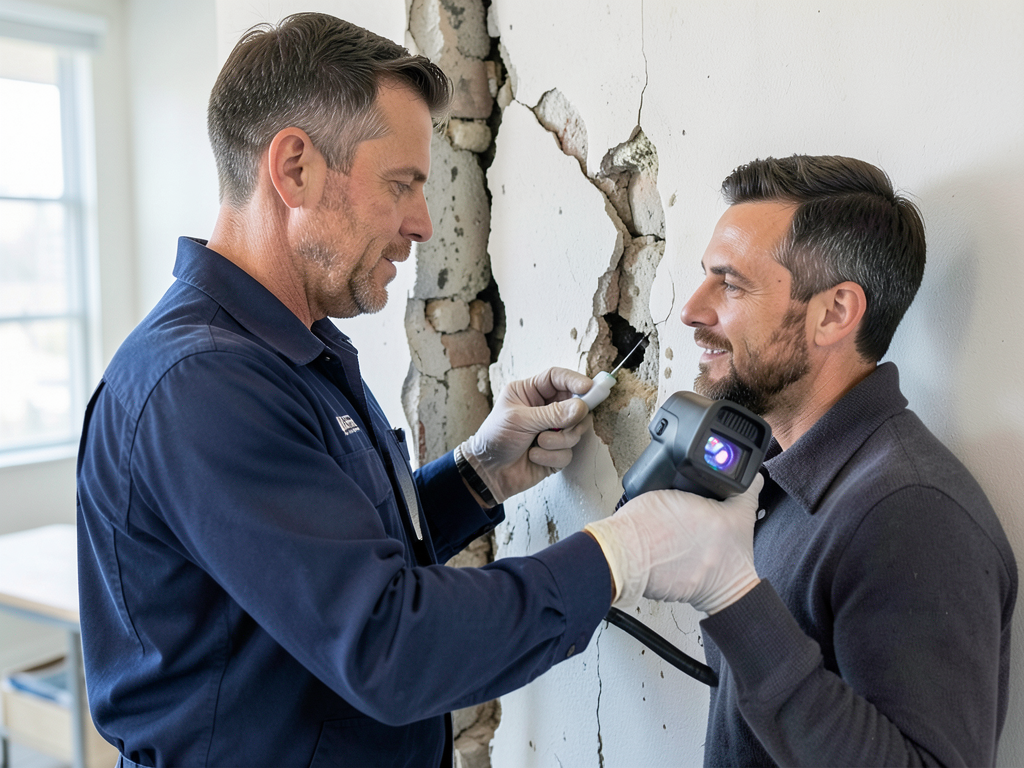
The key is documentation. When water damage occurs, the cause must be determined quickly. Restoration professionals use moisture meters and thermal imaging to trace water migration paths through shared wall cavities—evidence that becomes crucial for insurance subrogation. Professional Mold Remediation for Families in Mequon and Thiensville.
Common Elements vs. Limited Common Elements: The Critical Distinction
Understanding what’s considered a common element versus a limited common element can save you thousands in Kilbourn Town condos. Common elements typically include main water supply lines, sewer stacks, and structural components that serve multiple units. Limited common elements might include the water line from the main stack to your unit, or the portion of pipe in your wall that only serves your space.
In many Kilbourn Town buildings, the plumbing configuration creates gray areas. A pipe might run through your wall but serve the unit above you. This is where the master deed becomes your most important document. It specifies exactly where your responsibility ends and the association’s begins.
For example, if a pipe bursts in the wall between your unit and your neighbor’s, determining responsibility requires knowing whether that section of pipe is a common element or a limited common element. The answer affects not just who pays for repairs, but also who handles the mold remediation that often follows water damage in Milwaukee’s humid climate.
Restoration companies document these distinctions during emergency response. They map water migration patterns and identify the source location relative to property boundaries defined in your condo documents. This documentation becomes evidence if insurance companies dispute responsibility.
Negligence vs. Sudden Accidents: Determining Fault in Water Damage
Not all water damage is created equal in the eyes of Wisconsin law. A sudden, accidental discharge—like a pipe freezing and bursting during a polar vortex—is treated differently than damage caused by negligence. If your neighbor left for vacation during a cold snap without maintaining heat, they might be found negligent.
Milwaukee’s climate creates unique vulnerabilities. The freeze-thaw cycles common in Kilbourn Town can cause pipes to burst when temperatures fluctuate wildly. If a pipe bursts while your neighbor is away and they failed to take reasonable precautions, their insurance might deny coverage based on negligence.
However, if the pipe was properly maintained and simply failed due to age or manufacturing defect, it’s likely considered a sudden accident. In these cases, insurance companies often pursue subrogation—seeking reimbursement from the responsible party’s insurer.
The distinction matters because it affects your deductible and potential out-of-pocket costs. If your neighbor is found negligent, their insurance might cover your full claim, including your deductible. If it’s deemed an accident, you might be stuck with your deductible and any costs exceeding your policy limits.
Restoration professionals document everything during emergency response. They note the condition of visible pipes, the presence of corrosion, and any signs of deferred maintenance. This evidence helps establish whether negligence played a role in the damage. Signs of Hidden Mold.
The Master Deed and Bylaws: Your Legal Blueprint
Your condo’s master deed and bylaws are the legal documents that determine who pays for what when water damage occurs. These documents specify maintenance, repair, and replacement responsibilities for every component of your building. In Kilbourn Town’s older buildings, these documents might be decades old and may not reflect current plumbing realities.
Most master deeds include a “maintenance, repair, and replacement” section that outlines responsibilities. Some use a percentage-based approach where costs are split based on unit square footage. Others assign specific responsibilities to the association versus individual owners.
Finding these documents can be challenging. They’re typically filed with the Milwaukee County Register of Deeds, but your condo association should also have copies. When water damage occurs, requesting these documents immediately is crucial—they determine your legal standing in any dispute.
Restoration companies often encounter situations where the physical reality doesn’t match the legal documents. For example, a building might have been renovated since the master deed was written, creating new plumbing configurations not addressed in the original documents. In these cases, courts look at the intent of the documents and the actual physical configuration.
Understanding your legal responsibilities before damage occurs is the best protection. Many Kilbourn Town condo associations now provide digital copies of these documents to all owners, recognizing that water damage doesn’t wait for paperwork.
Immediate Steps After a Neighbor’s Pipe Bursts in Your Milwaukee Condo
When water starts pouring through your ceiling from the unit above, you have about 30 minutes before permanent damage sets in. Here’s your emergency action plan for Kilbourn Town condos:
- Stop the Water Source
Immediately notify your neighbor and the condo association. If you can safely access the main water shutoff for your building, turn it off. Many Kilbourn Town buildings have individual unit shutoffs, but you’ll need permission to access your neighbor’s unit.
- Document Everything
Take photos and videos of all visible damage before anything is moved or cleaned. Document the water’s path, affected areas, and any visible damage to walls, floors, and personal property. This documentation is crucial for insurance claims.
- Protect Your Property
Move valuable items away from affected areas if it’s safe to do so. Place buckets under active leaks. If water is near electrical outlets, turn off power to affected areas at your breaker box.
- Notify Your Insurance Company
Call your HO-6 insurance provider immediately. Most policies require notification within 24 hours of discovering damage. Have your policy number ready and be prepared to describe the extent of damage.
- Contact a Restoration Professional
Water damage mitigation requires specialized equipment and expertise. A professional can prevent mold growth, which begins within 24-48 hours in Milwaukee’s humid climate. Look for companies with IICRC certification and experience with multi-unit buildings. IICRC S500 and S520 standards.
Time is your enemy after water damage. The longer water sits, the more it spreads through shared wall cavities and the greater the risk of mold growth. In Kilbourn Town’s older buildings, water can travel horizontally through wall cavities for 20+ feet from the source.
Professional restoration companies use moisture meters to detect hidden water in wall cavities, under flooring, and in ceiling spaces. They create drying plans that address not just visible damage but also moisture trapped in building materials. This comprehensive approach prevents secondary damage that often costs more than the initial water damage.
Insurance Interplay: HO-6 Policy vs. Master Policy
Understanding the difference between your HO-6 policy and your condo association’s master policy is crucial after a neighbor’s pipe bursts. Your HO-6 policy covers your personal property, interior finishes, and any improvements you’ve made to your unit. The master policy typically covers common elements and the building’s structure.
In Kilbourn Town condos, the overlap between these policies often causes confusion. If a pipe in a common element bursts and damages your unit, the master policy might cover structural repairs while your HO-6 policy covers damaged personal property and interior finishes. This split coverage can leave gaps if you’re not prepared.
Loss assessment coverage in your HO-6 policy is particularly important. If the condo association’s master policy has a high deductible and the damage originated in a common element, you might be assessed a portion of that deductible. Loss assessment coverage protects you from these unexpected costs.
Deductibles work differently in multi-unit buildings. The condo association’s master policy might have a $10,000 deductible. If damage is $15,000 and the association determines it was caused by a common element failure, you could be responsible for your share of that deductible plus any costs above the policy limit.
Restoration companies often coordinate with both insurance carriers during the claims process. They provide detailed documentation that helps determine which policy covers which aspects of the damage, streamlining the claims process and preventing disputes between carriers.
Mold Remediation Responsibility in Shared Walls
Milwaukee’s humid climate makes mold growth a serious concern after water damage. In shared-wall buildings, mold can spread between units through wall cavities, creating health hazards and additional liability issues. Determining who pays for mold remediation often depends on where the mold grows and what caused the initial water damage.
If mold grows in your unit due to a neighbor’s pipe burst, determining responsibility requires understanding both the cause of the water damage and the terms of your condo documents. Some associations treat mold remediation as a separate issue from water damage repair, while others include it in the original damage assessment.
Professional mold remediation follows IICRC S520 standards, which require containment, air filtration, and proper disposal of contaminated materials. In shared-wall buildings, this process often requires accessing both units to ensure complete removal of mold colonies that may have spread through wall cavities.
The cost of mold remediation can exceed the original water damage repair costs, especially if mold has been growing undetected for weeks or months. Early detection through professional moisture assessment can prevent these costly secondary damages.
Restoration companies document mold growth patterns and test air quality before, during, and after remediation. This documentation becomes crucial if disputes arise about the extent of mold spread or the effectiveness of remediation efforts.
Preventing Future Water Damage in Kilbourn Town Condos
Prevention is always cheaper than restoration. In Kilbourn Town’s historic condo buildings, several factors increase your risk of water damage from neighbor’s pipes. Understanding these risks helps you take proactive steps to protect your property.
Many Kilbourn Town buildings were constructed before modern plumbing standards, using materials and techniques that are now known to be vulnerable to failure. Galvanized steel pipes, common in buildings from the 1920s-1960s, corrode from the inside out and can fail suddenly without warning.
Freeze-thaw cycles in Milwaukee create unique challenges. When temperatures fluctuate rapidly, pipes expand and contract, weakening joints and connections. Buildings with poor insulation or those that experience frequent temperature swings are particularly vulnerable.
Regular plumbing inspections can identify potential problems before they cause damage. Look for signs of corrosion, water stains on ceilings or walls, and unusual sounds in your plumbing system. Early detection often means the difference between a simple repair and extensive water damage.
Consider installing water leak detection systems that can shut off your water supply automatically if a leak is detected. These systems are particularly valuable for units in older buildings or for owners who travel frequently.
Communication with your condo association about building maintenance is also crucial. Ask about the age of major systems like plumbing and roofing, and whether the association has a capital improvement plan for replacing aging infrastructure.
When to Call a Professional Restoration Company
Not all water damage requires professional restoration, but certain situations demand immediate expert attention. If you’re dealing with water from a neighbor’s pipe burst in your Kilbourn Town condo, here’s when to call the professionals: Dealing with a Flooded Basement in Wauwatosa (Your Emergency Action Plan).
- Category 2 or 3 Water — Water from pipes often contains contaminants that require professional cleaning and sanitization
- Hidden Moisture — If water has traveled through walls or under flooring, professional moisture detection is essential
- Structural Damage — Water can weaken structural components, creating safety hazards
- Mold Risk — In Milwaukee’s climate, mold can begin growing within 24-48 hours of water exposure
- Insurance Claims — Professional documentation helps ensure your claim is processed correctly
Professional restoration companies bring specialized equipment that most homeowners don’t have access to. Industrial-grade dehumidifiers, air movers, and moisture meters can detect and address water damage that DIY methods miss.
The cost of professional restoration is often offset by preventing secondary damage. A $2,000 professional drying job can prevent $10,000 in mold remediation costs if water is left to sit in wall cavities.
Look for companies with specific experience in multi-unit buildings. They understand the unique challenges of shared-wall construction and can navigate the complexities of condo association approvals and insurance coordination.
Frequently Asked Questions
Who pays for water damage if my neighbor’s pipe bursts?
It depends on where the pipe was located and who was negligent. If it was in a common element, the condo association’s insurance typically covers it. If it was in your neighbor’s unit and they were negligent, their insurance should cover it. Your HO-6 policy covers your personal property and interior finishes.
How long do I have to report water damage to my insurance company?
Most policies require notification within 24-72 hours of discovering damage. However, the sooner you report it, the better. Delays can give insurance companies grounds to deny claims based on failure to mitigate damages.
Can I enter my neighbor’s unit to stop a water leak?
No, you cannot legally enter another owner’s unit without permission. Contact your condo association immediately—they typically have emergency access procedures for situations like this. Some associations provide unit owners with master keys for emergencies.
Will my insurance rates increase if I file a claim for neighbor’s water damage?
Generally, no. If the damage originated in your neighbor’s unit and wasn’t caused by anything you did, it shouldn’t affect your rates. However, if you file multiple claims over time, even if they’re not your fault, insurers might view you as a higher risk.
How can I prevent water damage from my unit affecting my neighbors?
Regular maintenance is key. Check for leaks under sinks, around toilets, and near water heaters. Consider installing individual unit water shutoff valves. If you’re going to be away during winter, maintain heat at 55°F minimum and consider having someone check your unit periodically.
What should I do if my condo association won’t respond to water damage?
Document everything and send written notice via certified mail. If they still don’t respond, you may need to consult with an attorney specializing in condo law. Wisconsin law requires associations to maintain common elements, and failure to do so can create liability.
Protecting Your Investment in Kilbourn Town
Living in a Kilbourn Town condo offers unique benefits—historic charm, walkable neighborhoods, and urban convenience. But it also comes with unique risks, particularly when it comes to water damage from neighboring units. Understanding your rights and responsibilities is the first step in protecting your investment.
Water damage from a neighbor’s pipe burst can be overwhelming, but you don’t have to navigate it alone. Professional restoration companies understand the complexities of multi-unit buildings and can help you through the insurance process while preventing further damage to your property.
The key is acting fast. Every hour that passes after water damage occurs increases the scope and cost of restoration. Whether you’re dealing with a current leak or want to prepare for potential future damage, knowledge is your best defense.
Don’t wait until water is pouring through your ceiling to understand your rights and responsibilities. Review your condo documents, understand your insurance coverage, and know who to call when disaster strikes. Your future self will thank you.
Call (414) 392-1771 today to schedule your inspection and protect your Kilbourn Town condo from water damage. Our certified professionals are ready to respond 24/7 and help you navigate the complexities of condo water damage restoration.
Pick up the phone and call (414) 392-1771 before the next storm hits. Water damage waits for no one, but we’re here when you need us most.
Don’t let a neighbor’s pipe burst turn into your financial nightmare. Call (414) 392-1771 now for immediate assistance with your water damage emergency.
– Diagram showing water migration paths through shared wall cavities in multi-unit buildings, illustrating how a leak in one unit can affect adjacent units.
– Photo of professional restoration technician using moisture meter and thermal imaging camera to detect hidden water damage in condo wall cavity.
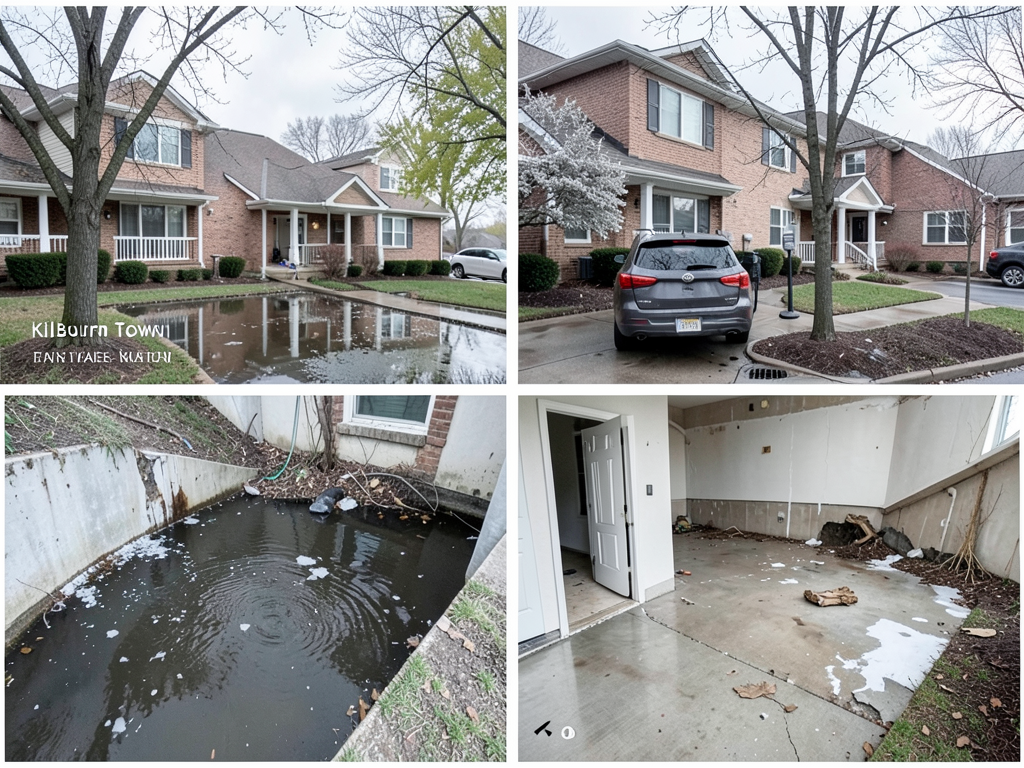
– Before and after photo series showing water damage restoration process in a Kilbourn Town condo, from initial water extraction to final drying and repairs.