
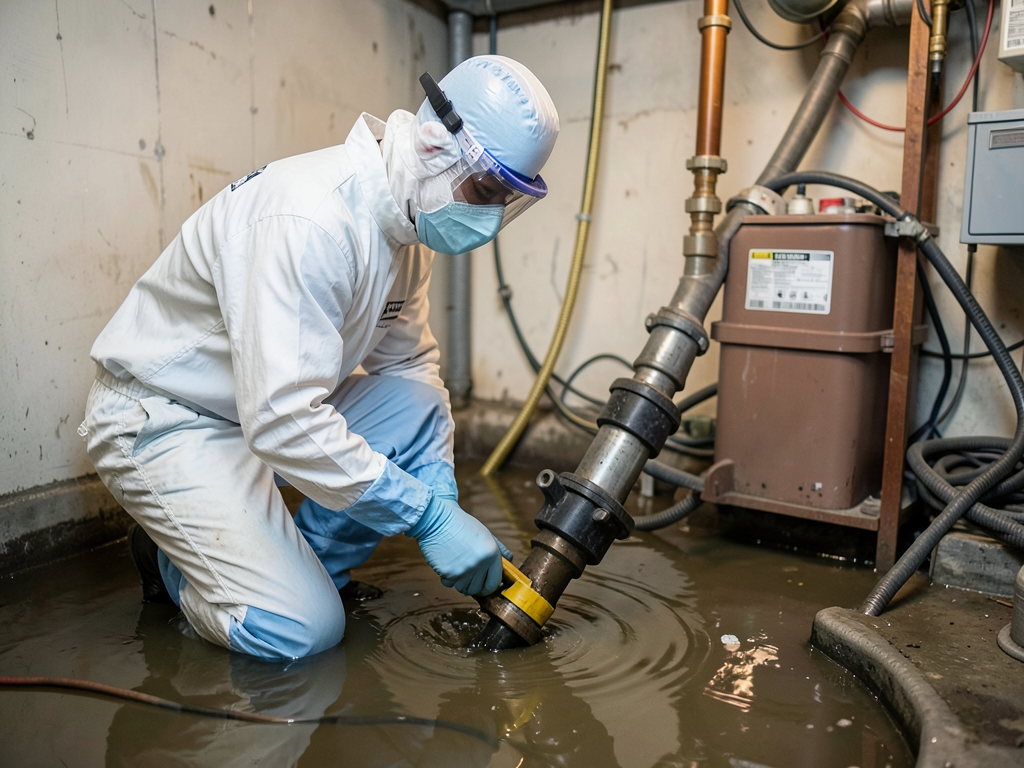
Determining if the city or the homeowner is responsible for a sewer backup in Milwaukee
When sewage backs up into your basement the first question most Milwaukee homeowners ask is who pays for this mess. The answer depends on where the blockage occurs and which pipes are involved. Understanding the difference between the city’s sewer main and your private lateral line determines whether you or the City of Milwaukee foots the cleanup bill. Milwaukee Metropolitan Sewerage District.
Milwaukee’s sewer system uses a clear boundary system. The city maintains the main sewer line running under the street while homeowners are responsible for the lateral pipe connecting their home to the main line. This private lateral includes everything from your foundation to the point it connects to the city’s system typically in the street right-of-way. City of Milwaukee government resources.
During heavy rain events Milwaukee’s combined sewer system can overwhelm. The MMSD Deep Tunnel Project helps but backups still occur especially in older neighborhoods like Bay View and Riverwest where clay pipes and tree root intrusion are common. These backups create immediate health hazards requiring professional remediation. Professional Mold Remediation for Families in Mequon and Thiensville.
The Lateral vs. The Main: Defining the Property Line
The property line for sewer responsibility runs right at your foundation wall. Everything inside your basement floor and under your yard belongs to you. The city’s system starts at the connection point typically 5 to 10 feet into the street.
Private laterals often fail due to age. Many Milwaukee homes built before 1980 have clay pipes that crack and separate over time. Tree roots search for water and invade these cracks creating blockages that cause sewage to back up into basements. Reliable Sewage Cleanup and Sanitization in West Allis.
The city’s main line can also cause backups but for different reasons. Heavy rainfall overwhelms the system. Combined sewer overflows happen when stormwater and sewage mix exceed system capacity. These events are beyond homeowner control but determining responsibility requires knowing which pipe failed. Emergency Water Removal Services for Bay View Homeowners and Business Owners.
Key Fact: Wisconsin State Statute 893.80 protects municipalities from liability for sewer backups unless gross negligence is proven. This means even if city pipes cause your backup you may still need to prove the city failed to maintain its system properly.
When the City of Milwaukee is Responsible for a Backup
The city bears responsibility when blockages occur in the main sewer line or when city infrastructure fails. This includes collapsed mains broken city valves or pump station failures. However proving city responsibility requires documentation and often legal assistance.
City responsibility also extends to design defects in the sewer system. If engineers improperly sized pipes or created flow problems that cause repeated backups the city may be liable. These cases require engineering studies and expert testimony to prove.
During declared emergencies like the 2010 or 2020 flood events the city may offer assistance programs. These are temporary and require homeowners to document damage and file claims through the City of Milwaukee Comptroller’s office.
Important: The city rarely pays for cleanup directly. Most assistance comes as reimbursement after you’ve already paid for emergency services. This makes immediate response critical regardless of who ultimately pays.
When the Homeowner is Responsible (The Private Lateral)
Homeowners bear full responsibility for their private sewer lateral. This includes all pipes from your foundation to the city connection. Common homeowner-caused issues include grease buildup flushing inappropriate items and lack of maintenance.
Tree root intrusion is the leading cause of private lateral failures in Milwaukee. Silver maple trees common in neighborhoods like Wauwatosa send roots toward moisture sources. These roots enter pipe joints and expand causing blockages that trap waste and create backups.
Older homes face additional risks. Cast iron pipes installed before 1970 corrode from the inside creating rough surfaces that catch debris. Clay pipes separate at joints allowing roots and soil to enter. These failures often happen suddenly and require immediate professional intervention.
Warning Sign: Multiple slow drains gurgling sounds and sewage odors indicate lateral problems. Ignoring these signs leads to basement flooding that damages flooring walls and personal belongings.
MMSD and Local Municipal Roles in Sewer Maintenance
The Milwaukee Metropolitan Sewerage District operates the regional sewer system but local municipalities handle street-level maintenance. MMSD manages the Deep Tunnel Project and treatment plants while cities like Milwaukee maintain the pipes in your street.
MMSD offers a Private Lateral Repair Program that provides financial assistance to homeowners. This program helps low-income residents repair failing laterals that threaten public health. However eligibility requirements are strict and funding is limited.
Milwaukee’s Department of Public Works handles emergency responses to main line breaks. They use CCTV cameras to inspect pipes and determine blockage locations. This technology helps quickly identify whether problems exist in the main line or private laterals.
Technical Note: MMSD’s combined sewer system handles both sanitary waste and stormwater. During heavy rain events this system can surcharge pushing sewage back through laterals into basements. This is called a surcharge event and is a common cause of backups in older Milwaukee neighborhoods.
Does Homeowners Insurance Cover Sewer Backups in Wisconsin?
Standard Wisconsin homeowners policies exclude sewer backup damage. You need a specific sewer backup endorsement added to your policy. This endorsement typically costs $50 to $150 annually but covers thousands in cleanup and repair costs.
Coverage limits vary by policy. Most endorsements cover $5,000 to $25,000 for cleanup and restoration. Some policies offer higher limits but require separate riders. Without this coverage you pay entirely out of pocket for professional remediation.
Document everything when filing claims. Take photos before cleanup begins. Keep receipts for emergency services. Insurance companies require proof of damage and professional cleaning to process claims. Missing documentation delays payments for weeks or months.
Coverage Gap: Most policies exclude damage from groundwater or surface water flooding. If heavy rain causes street flooding that enters your basement through windows this may not be covered under sewer backup endorsements.
Immediate Steps to Take When Your Milwaukee Basement Floods
Safety comes first during sewage backups. Sewage contains harmful bacteria viruses and parasites. Wear rubber boots gloves and eye protection if you must enter flooded areas. Turn off electricity if water reaches outlets or electrical panels. Dealing with a Flooded Basement in Wauwatosa (Your Emergency Action Plan).
Stop using water immediately. Every flush every sink drain adds pressure to the blocked system. Tell everyone in your home to avoid using toilets sinks and washing machines until professionals clear the blockage. Restoring Water Damaged Offices and Lofts in the Historic Third Ward.
Document damage thoroughly. Take clear photos of all affected areas before starting cleanup. Insurance companies require evidence of damage extent. Video walkthroughs help demonstrate the scope of contamination to adjusters.
Emergency Action: Remove valuable items from flooded areas immediately. Sewage destroys carpets furniture and personal belongings within hours. Quick action saves possessions and reduces restoration costs significantly.
How to File a Claim with the City of Milwaukee
City claims require specific procedures. File within 120 days of discovering damage under Wisconsin’s notice requirements. Missing this deadline automatically denies your claim regardless of merit.
Gather evidence systematically. Get plumber reports showing blockage locations. Obtain city inspection records if available. Document weather conditions during the backup. This evidence proves whether the city’s system caused your damage.
Submit claims to the City of Milwaukee Comptroller’s office. Include all documentation photos repair estimates and expert opinions. Claims without supporting evidence rarely succeed in Wisconsin courts.
Legal Reality: Wisconsin courts require proving gross negligence not just system failure. You must show the city knew about problems and failed to fix them. This high standard makes successful claims against municipalities difficult.
Preventing Future Sewer Backups in Your Milwaukee Home
Backwater valves prevent sewage from entering your home during surcharge events. These one-way valves install on your lateral line and close when reverse flow pressure builds. Many Milwaukee homeowners install them after experiencing their first backup.
Regular lateral inspections catch problems early. Plumbers use CCTV cameras to examine pipe conditions. They identify cracks root intrusion and corrosion before failures occur. Annual inspections cost $200 to $400 but prevent thousands in emergency repairs.
Proper disposal habits reduce backup risks. Never pour grease down drains. Avoid flushing wipes even those labeled flushable. Install hair traps in showers and clean them regularly. These simple steps prevent many common blockages.
Maintenance Tip: Tree root barriers installed along property lines prevent roots from reaching lateral pipes. These barriers cost $500 to $1,000 but save thousands in root removal and pipe repairs.
Professional vs. DIY Cleanup: When to Call Experts
Category 3 water damage requires professional remediation. Sewage water contains harmful pathogens that pose serious health risks. DIY cleanup exposes you to diseases like hepatitis E coli and various parasites.
Professional equipment removes contamination thoroughly. Industrial extractors remove water completely. HEPA air scrubbers eliminate airborne contaminants. Antimicrobial treatments prevent mold growth. This equipment costs thousands to rent and requires training to use safely.
Time matters significantly. Mold begins growing within 24 to 48 hours of water exposure. Quick professional response prevents secondary damage that multiplies restoration costs. Every hour of delay increases total project costs.
Health Standard: IICRC S500 guidelines require specific cleaning protocols for sewage contamination. These standards ensure complete sanitization and prevent health hazards. Professional companies follow these protocols systematically.
Cost Factors for Sewer Backup Restoration in Milwaukee
Restoration costs vary by damage extent contamination level and required repairs. Minor cleanups start around $2,000 while extensive damage can exceed $10,000. Insurance coverage significantly affects your out-of-pocket expenses.
Structural repairs add substantial costs. Drywall replacement flooring repair and electrical system inspection often cost more than water removal. These repairs require permits and inspections from Milwaukee’s Department of Neighborhood Services.
Content cleaning affects total costs. Professional cleaning of contaminated belongings costs $50 to $200 per item. Some items require disposal which insurance may or may not cover depending on your policy terms.
Cost Breakdown: Water extraction $500 to $1,500. Sanitization $1,000 to $3,000. Structural drying $800 to $2,000. Content cleaning $500 to $5,000. Total costs range from $2,800 to $11,500 for typical basement backups.
Finding Qualified Restoration Professionals in Milwaukee
Choose certified professionals with specific sewage remediation experience. Look for IICRC certification and specific training in Category 3 water damage. Experience with Milwaukee’s building codes and permit requirements matters significantly. IICRC S500 standards.
24/7 availability is essential for sewage backups. Contamination worsens by the hour. Companies that cannot respond within two hours may allow damage to escalate beyond repairable levels.
Check references specifically for sewage cleanup jobs. Not all restoration companies handle Category 3 water damage properly. Ask about their sanitization protocols and disposal methods for contaminated materials.
Verification: Request proof of insurance and licensing before work begins. Professional companies carry liability insurance and workers’ compensation. This protects you from liability if workers are injured on your property.
Local Resources and Support for Milwaukee Homeowners
The City of Milwaukee offers resources through its Department of Neighborhood Services. They provide information on permits required for restoration work. They also offer guidance on contractor selection and consumer protection.
MMSD maintains educational resources about preventing sewer backups. Their website includes information about backwater valves financial assistance programs and maintenance tips specific to Milwaukee’s sewer system.
Local hardware stores in Bay View and Wauwatosa stock backwater valves and installation supplies. Some offer installation services or can recommend qualified plumbers familiar with Milwaukee’s specific requirements.
Community Help: Neighborhood associations in areas like Riverwest and Bay View often share information about reliable contractors and cost-saving programs. These local networks provide valuable insights about neighborhood-specific issues.
Understanding Your Rights and Responsibilities
Wisconsin law places specific responsibilities on homeowners regarding sewer maintenance. You must maintain your lateral in good working condition. Failure to do so can result in fines from the city if your neglected pipes cause public health issues.
Your rights include receiving proper notice before city work affects your service. The city must provide 24-hour notice before shutting off water or sewer service for maintenance. Emergency shutdowns require less notice but must be communicated as soon as possible.
Documentation protects your interests. Keep records of all maintenance repairs and communications with the city. These records prove you fulfilled your maintenance responsibilities if disputes arise about backup causes.
Legal Protection: Wisconsin’s Home Improvement Practices Act protects homeowners from unfair contracting practices. This law requires written contracts for work over $25 and mandates specific disclosure requirements for contractors.
Making the Right Decision During a Crisis
Sewer backups create immediate stress and confusion. Quick decisions often lead to higher costs or incomplete cleanup. Take a moment to assess the situation before acting.
Professional assessment determines the best response. Not every backup requires full demolition and reconstruction. Some situations need only water extraction and sanitization while others require extensive structural repairs.
Insurance coordination simplifies the process. Professional restoration companies work directly with insurance adjusters. They document damage properly and provide detailed estimates that speed claim processing.
Critical Choice: Choose speed over cost initially. Fast response prevents damage escalation. You can address payment later but you cannot undo damage that occurs while deciding who pays.
Conclusion: Taking Control of Your Sewer Backup Situation
Sewer backups in Milwaukee create immediate crises that require quick informed decisions. Understanding whether you or the city is responsible helps you respond appropriately and avoid unnecessary expenses.
Professional help makes the difference between complete restoration and ongoing problems. Sewage contamination requires specific expertise equipment and protocols. DIY attempts often create bigger problems than they solve.
Documentation and quick action protect your interests. Take photos before cleanup begins. Contact professionals immediately. File insurance claims promptly. These steps ensure you receive maximum coverage and restore your home properly.
Don’t let sewage damage destroy your home and health. Call (414) 392-1771 today to schedule your inspection. Our certified technicians respond 24/7 with the equipment and expertise to handle any sewer backup situation. We work with your insurance company and ensure complete sanitization according to IICRC S500 standards. Your health and property deserve professional care. Pick up the phone and call (414) 392-1771 before the next storm hits.
Frequently Asked Questions
How do I know if the city or I am responsible for my sewer backup?
The responsibility depends on where the blockage occurs. You are responsible for the private lateral pipe from your foundation to the street connection. The city maintains the main sewer line under the street. A plumber can use a camera to locate blockages and determine responsibility.
Does homeowners insurance cover sewer backups in Milwaukee?
Standard policies exclude sewer backup damage. You need a specific sewer backup endorsement added to your policy. This endorsement typically costs $50 to $150 annually but covers cleanup and restoration costs that can exceed $10,000.
How quickly should I respond to a sewer backup?
Immediate response is critical. Sewage contains harmful pathogens and causes damage within hours. Contact professionals within the first two hours to prevent health hazards and minimize property damage. Every hour of delay increases restoration costs significantly.
What should I do immediately when sewage backs up into my basement?
First ensure safety by avoiding contact with contaminated water. Stop using all plumbing fixtures immediately. Document damage with photos before cleanup begins. Contact a professional restoration company that handles sewage cleanup and your insurance company if you have coverage.
Can I clean up sewage myself to save money?
DIY sewage cleanup is dangerous and often ineffective. Category 3 water damage requires professional equipment and protocols to ensure complete sanitization. Improper cleanup leaves harmful bacteria that cause health problems and future mold growth. Professional restoration costs more initially but prevents bigger problems.
- Ensure Safety
Avoid contact with sewage water. Turn off electricity if water reaches outlets. Wear protective gear if entry is necessary.
- Stop Water Usage
Prohibit all plumbing use in your home. Every flush or drain adds pressure to the blocked system.
- Document Damage
Take clear photos and videos of all affected areas before any cleanup begins. This documentation is crucial for insurance claims.
- Remove Valuables
Quickly move important items away from contaminated areas to prevent permanent damage.
- Contact Professionals
Call certified sewage cleanup specialists immediately. Professional response within two hours prevents escalation of damage.
- File Insurance Claims
Notify your insurance company promptly if you have sewer backup coverage. Provide all documentation and work with adjusters.